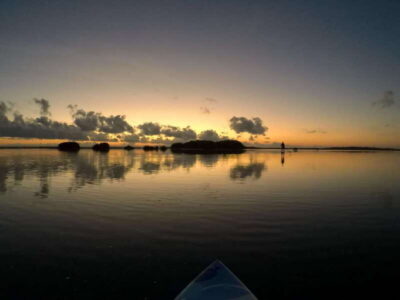
REVIEW · CHARLESTON
2-Hour Guided Kayak Eco Tour in Charleston
Book on Viator →Operated by Charleston Outdoor Adventures · Bookable on Viator
Marsh kayaking is the fast lane to Charleston wildlife. This 2-hour guided paddle from Bowens Island pairs a local route with all the gear, so you can focus on spotting dolphins, turtles, birds, and the smaller shoreline characters. The main trade-off: wildlife sightings are never guaranteed, and breezy weather can mean less time feeling like you’re power-paddling.
What I like most is how the tour is built for real comfort and safety. You get a short instruction session, a safety talk, and hands-on practice with the foot-driven steering system before you head into the saltmarsh. You also get a dry bag for your phone or small items, which matters when you’re kayaking through wet, splashy conditions.
Another big plus is the small-group feel, capped at 12 people. Guides like KD, Alexandra, Aiden, Josh, and Emily show up as the kind of folks who keep the pace relaxed and the experience fun, even when it’s cloudy or the wildlife decides to take a nap. Just plan for a day that’s part paddling, part learning, and part wildlife scanning.
In This Review
- Quick reasons you’ll enjoy this Charleston kayak eco tour
- Why Charleston’s tidal marshes feel like nature’s own theater
- Meet at Bowens Island: the safety talk and kayak controls you’ll use right away
- Paddling time: tidal creeks and saltmarsh waters behind Folly Beach
- Wind and timing: what changes your experience most
- What your guide teaches: marsh ecosystems in plain, useful terms
- What to wear and bring so you stay comfy (and keep your feet intact)
- Small-group pacing: personal attention without feeling rushed
- Wildlife expectations: how to get the best odds without forcing it
- Value check: what’s included and why the guidance is the real payoff
- Who should book this Charleston guided kayak eco tour?
- A quick word for families and kids
- Should you book this 2-hour guided kayak eco tour?
- FAQ
- Do I need to know how to swim to join the tour?
- What should I wear and bring?
- What kayak will I be in: single or tandem?
- How long is the guided kayak eco tour?
- What wildlife might I see on this tour?
- Is the tour beginner-friendly?
- Does the tour go out in the rain?
- Is there parking near the departure point?
Quick reasons you’ll enjoy this Charleston kayak eco tour
- Small groups (max 12) help you actually see what your guide is pointing out
- Foot-driven steering practice means fewer first-day mistakes
- Dry bag + PFD provided keeps comfort and safety handled for you
- Tidal creeks and saltmarsh route puts you in the habitat, not just near it
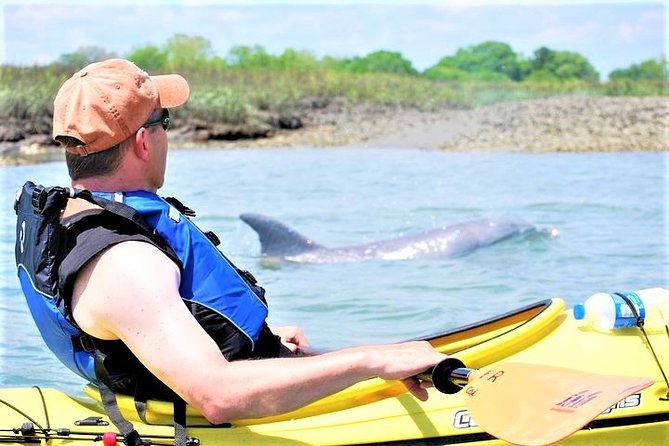
- Local spotting focus on dolphins, loggerhead turtles, and waterfowl
Why Charleston’s tidal marshes feel like nature’s own theater
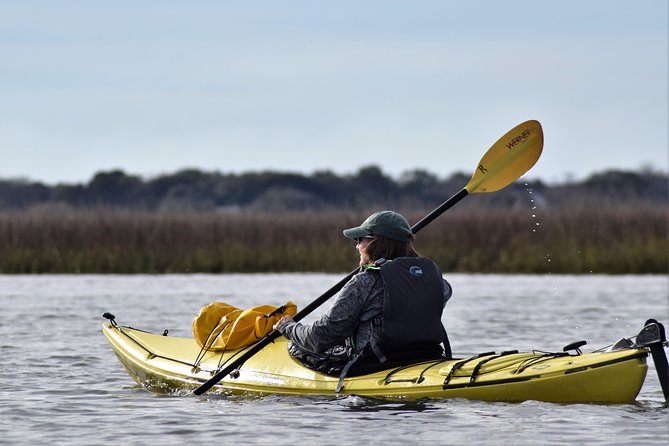
Charleston’s Lowcountry isn’t just pretty scenery. It’s a working ecosystem that changes with the tide, wind, and time of day, and that’s exactly why a guided kayak tour makes sense. Without a guide, it’s easy to paddle in circles and miss the patterns—where birds feed, where shallow water holds invertebrates, and where larger animals tend to cruise.
On this tour, you’ll spend about two hours out on the water in Charleston’s tidal creeks and saltmarsh area. The route is designed to help you stay safe and keep moving, while also giving you real chances to look for wildlife in its natural habitat. You might spot Atlantic bottlenose dolphins, loggerhead sea turtles, wading birds, pelicans, crabs, and other shoreline critters.
One practical mindset: think slow and patient. The best moments often come when you stop paddling briefly, scan quietly, and let the marsh do its thing.
You can also read our reviews of more tours and experiences in Charleston.

Meet at Bowens Island: the safety talk and kayak controls you’ll use right away
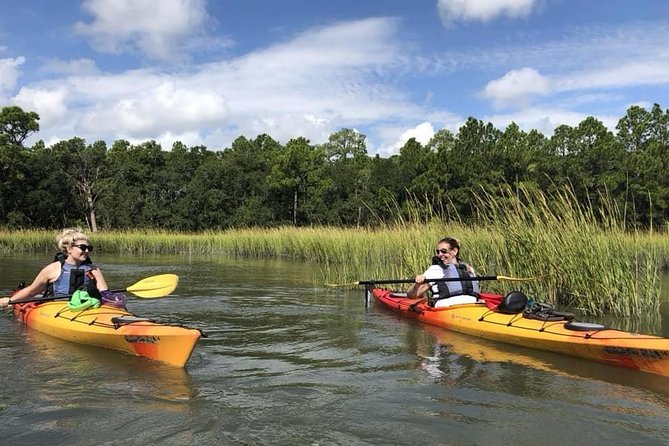
Your tour starts at 1871 Bowens Island Rd, Charleston, SC 29412, and it runs back to the same launch area. This launch point is part of what makes the whole experience work: Bowens Island is a natural-feeling home base for tidal marsh paddling, with complimentary parking onsite and being near public transportation.
Before you head out, you’ll get a brief instructional session that covers:
- Safety basics for kayaking in tidal marsh waters
- How the kayaks work, including a foot-driven steering system
- What to expect during the tour timing and wildlife-spotting pauses
That early setup matters because these trips are calmer once you’re confident with steering. Several guide stories from recent outings highlight how much guests appreciate being coached into a steady rhythm—especially first-timers.
Also, this is required by law in this setting: you’ll wear a personal floatation device (PFD). The good news is it’s provided, and you don’t have to know how to swim to participate.
Paddling time: tidal creeks and saltmarsh waters behind Folly Beach
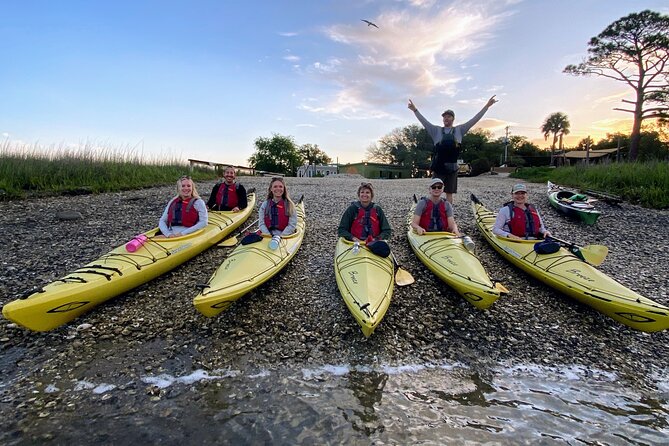
After you launch, your route takes you into Charleston’s estuarine waters behind Folly Beach, where the marsh meets tidal creeks. This is where you can feel the “alive” part of the Lowcountry—the water is not just water. It’s a maze of shallow channels, mudflats, and feeding zones.
During the paddle, your guide will point out what to look for and why certain spots matter. Expect a mix of:
- Dolphins cruising, feeding, or playing close enough to feel special but not close enough to force anything
- Wading birds working the shallows for food
- Crabs and invertebrates moving across or in the mudflats
- Pelicans hunting overhead or plunging for prey (when conditions align)
One detail I’d plan around: the tour is about spotting and understanding, not racing. A recent visitor summed it up as an outing that can feel like a balance of paddling and conversation—especially when wind is up. That’s not a flaw, but it is a factor. If you hate downtime and want nonstop strokes, choose a calmer-weather departure if you can.
Wind and timing: what changes your experience most
Charleston marsh weather can turn quickly. If it’s windy, you may work harder just to keep your line. You might also feel the group spends a little more time listening and adjusting route decisions, since tides and wind can influence how far the group can paddle efficiently within two hours.
On the flip side, calmer conditions are when the experience feels most effortless—smooth gliding, steady scanning, and lots of time to watch birds and sea life.
What your guide teaches: marsh ecosystems in plain, useful terms
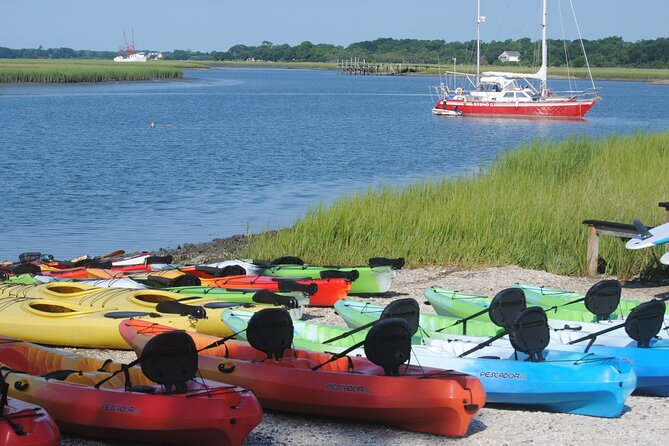
This tour isn’t just wildlife bingo. You’ll also get an explanation of how the marsh works—how tides shape habitat, why mud matters, and what different shoreline zones do for animals.
Some standout moments from real guide styles:
- Guides like Alexandra and Aiden are praised for weaving together wildlife sightings with how the ecosystem functions
- Emily is specifically mentioned for explaining marsh details in a way that sticks, including the feel and meaning of pluff mud
- Max (on one outing) adjusted routing based on high tide and recent rain, which shows how much the guide’s eye matters for where you paddle
Even if you don’t memorize every term, the value is practical. You start recognizing patterns: where birds cluster, how shorelines differ, and why some areas look quiet until they suddenly aren’t.
If you want the easiest way to make this tour better, do this: keep your eyes moving. Watch the water surface, then scan the edges, then glance above for birds. Your guide will help you connect what you see to the marsh’s “why.”
What to wear and bring so you stay comfy (and keep your feet intact)
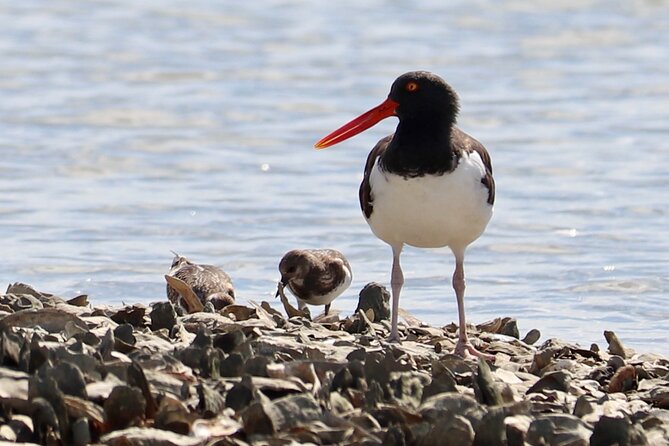
If there’s one area where guests can improve their experience fast, it’s footwear. The marsh floor can be rough, and one strong tip from a recent outing was to wear sturdy sandals or water shoes, because sharp oyster shells are common.
Plan to bring and wear:
- Water (you’ll appreciate it in salt air and sun)
- Sunscreen, sunglasses, and a hat
- Shoes that can get wet (water shoes, sandals with grip, or tennis shoes you’re okay sacrificing to mud and salt)
- Clothes that can get wet (synthetic fabrics are a smart choice)
Dress for the weather. This tour goes rain or shine, so afternoon showers aren’t rare. If rain gear helps you stay comfortable, bring it—just don’t forget that you’ll still be moving and generating heat.
Also, you’ll have a dry bag to protect your phone or small items. Still, I treat my phone like it’s a spare tire: protected is great, but I don’t expect it to survive everything.
Small-group pacing: personal attention without feeling rushed
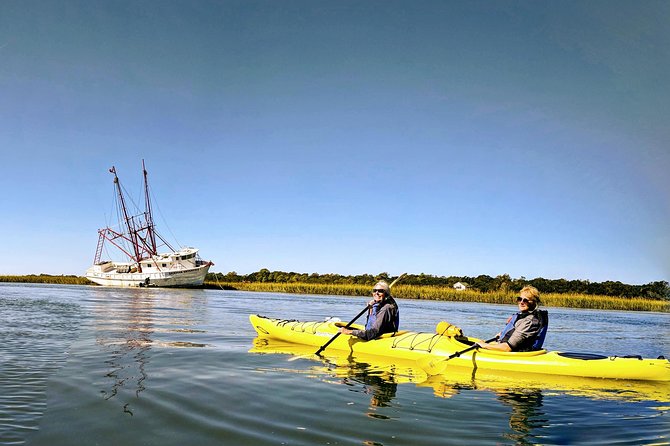
This is one of the best parts of the tour. With a maximum of 12 travelers, you get:
- More direct help during the paddle
- Better chances for your guide to spot and signal to the whole group
- Less chaos when people are learning footing and steering
The route is designed to keep you together while still letting you enjoy what you see. That matters. In a long stretch of shallow water, it’s easy for a group to fan out if some kayaks are faster or if current pulls you slightly. The guide’s job is to manage that.
In the positive guide stories, people repeatedly praised the feeling of being guided at a pace that worked for both beginners and teens. One outing even highlighted how the guide kept a teenager engaged, which is a real compliment—teen attention spans are famously short.
Wildlife expectations: how to get the best odds without forcing it
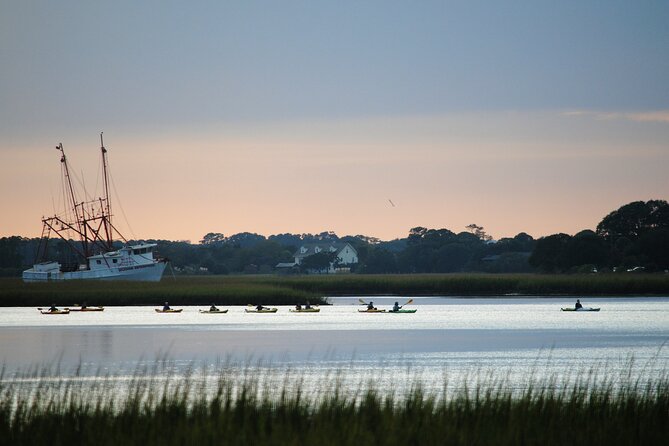
Here’s the honest truth: you can do everything right and still have a quiet stretch. Tides, wind, and animal behavior all shape what you see in a two-hour window.
What helps you get better odds:
- Pick a departure time when you can enjoy light and returning views. One group described a sunset return as awe-inspiring.
- Be ready for “same animal, different moment,” like dolphins appearing and then moving off, or birds shifting between feeding spots.
- Let the guide’s route logic work. When you’re in the right habitat at the right time, sightings tend to happen more naturally.
And if you only want the “big wow” moments, treat this tour like a nature walk on water. You’ll likely love it most when you enjoy the in-between scenes: crabs in mudflats, birds working the shallows, and the quiet weird beauty of marsh life.
Value check: what’s included and why the guidance is the real payoff
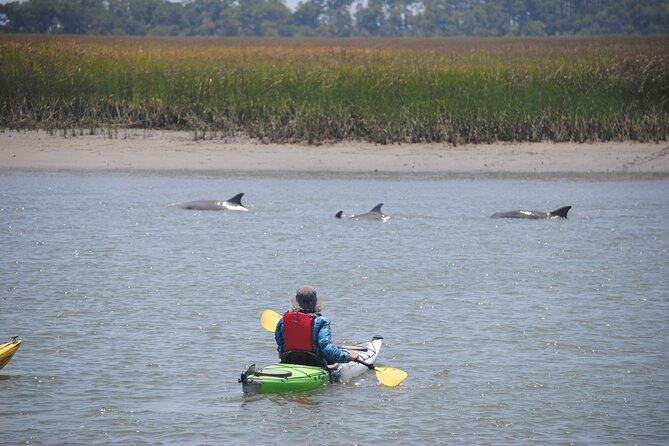
The tour includes the essentials that can add up fast if you rent everything yourself:
- Kayak and paddles
- Personal floatation device
- Dry bag
- Professional guide
Plus, the whole point is expert route selection for tidal waters. You’re not just buying gear and a place to launch—you’re buying someone who knows how to read conditions and point out wildlife behaviors.
That’s the real value. Even if you’re a confident paddler, the guide’s spotting and ecosystem explanations change what you notice. And if you’re new to kayaking, the instruction before launch reduces stress and helps you feel in control quickly.
Two quick additions that improve the overall value:
- Near public transportation and free onsite parking make it easier to show up without a whole logistics headache
- You’re in a small group, which typically means more attention per person
Also note: you need good weather for the experience. If it’s canceled due to poor weather, you’ll be offered a different date or a full refund.
Who should book this Charleston guided kayak eco tour?
This is a strong fit if you’re:
- A wildlife lover who wants to see animals in a realistic habitat, not just from a roadside viewpoint
- A first-time or occasional kayaker who wants a calm, guided learning curve
- Traveling as a couple, family, or small group and you value a relaxed pace
- Someone who prefers a structured outing that still feels natural
It’s also a good choice for people who want both nature and storytelling. Guide styles like Jack and Josh are praised for mixing route pacing with local detail and keeping the vibe friendly.
A quick word for families and kids
Children under 13 must ride with an adult in a tandem kayak. If you’re traveling with kids, plan ahead and contact them to arrange the tandem setup. The tour is designed to accommodate most travelers, but kayak pairing matters.
Should you book this 2-hour guided kayak eco tour?
Yes, if your idea of a great Charleston day includes quiet wildlife watching, hands-on guidance, and learning how the marsh works. This tour is especially worth it if you don’t want to guess where to paddle or what you’re seeing out there.
I’d also book it if you like the idea of a small group and you’re okay with an experience that mixes paddling with education. If you want pure workout mode—maximum strokes, minimum talking—then you’ll want to pay attention to wind and choose your timing carefully.
If your priority is guaranteed dolphin sightings, manage expectations. Nature doesn’t do guarantees. But if you show up ready to scan, trust the route, and enjoy the marsh’s small moments, this outing has a strong track record of delivering memorable wildlife encounters.
FAQ
Do I need to know how to swim to join the tour?
No. You don’t need to swim, and you’ll be required to wear a personal floatation device. PFDs are provided on the boats.
What should I wear and bring?
Bring water, sunscreen, sunglasses, and a hat. Wear shoes that can get wet, and dress for the weather. The tour also provides a dry bag for your phone or personal items.
What kayak will I be in: single or tandem?
You may choose between a single or tandem kayak. Participants under 13 must ride in a tandem kayak with an adult.
How long is the guided kayak eco tour?
It runs about 2 hours, and you’ll paddle with your guide for that duration.
What wildlife might I see on this tour?
You may see Atlantic bottlenose dolphins, loggerhead sea turtles, and assorted waterfowl. You can also spot birds and smaller shoreline life like crabs and other invertebrates.
Is the tour beginner-friendly?
Most travelers can participate, and the experience includes a brief instruction and safety discussion before you head out.
Does the tour go out in the rain?
Yes. The tour runs rain or shine, so bring rain gear if weather looks changeable.
Is there parking near the departure point?
Yes. There is complimentary parking available onsite at the meeting location.