REVIEW · LA PAZ
2 Hours of Kayak Safari in Bahía de La Paz
Book on Viator →Operated by PLAYERITO BCS · Bookable on Viator
Mangroves feel close when you paddle. This 2.5-hour kayak safari from La Paz’s Malecón uses stable expedition kayaks (single or double) for a scenic run toward the mangroves, plus time to pause for photos and watch marine life. I especially like that the trip comes with the gear and basic fuel—vest, paddle, hydration, and snacks—so you can focus on the water. One possible consideration: the paddle can be hard work if you are not used to wind, current, and small waves.
In a small group (up to 10), the guide sets the route and gives safety direction, then you head out across the bay for about 6 km. You’ll get a short mangrove window and a quick beach break on the way back, which makes this a good outing for people who want nature time without committing to a long full-day tour.
In This Review
- Key things to know before you paddle
- From Club Playerito to the waterline: how the timing really feels
- Expedition kayaks in Bahía de La Paz: stable, but not effortless
- The 6 km paddle toward mangroves: your role is looking, not sightseeing on rails
- Mangrove time in the water: what you get in about 10 minutes
- Wildlife spotting and photo breaks: pelicans, birds, and maybe more
- The beach stop: snacks, hydration, and an easy reset
- The return paddle: quicker with the help of the same elements
- Guide style and group size: what to expect from Tano on the route
- Who should book this kayak safari, and who should think twice
- Weather matters more than you think
- Should you book PLAYERITO BCS’s 2-hour kayak safari?
- FAQ
- How long is the kayak safari?
- Where does the tour start and end?
- What’s included in the tour?
- Do I need kayaking experience?
- How many people are in the group?
- What happens if weather is bad?
Key things to know before you paddle
- Small-group vibe: Maximum 10 people helps keep attention on the water and keeps the pace manageable
- Expedition kayaks, not sit-on-tops: Mostly plastic hulls with a stable feel, plus vest and paddle included
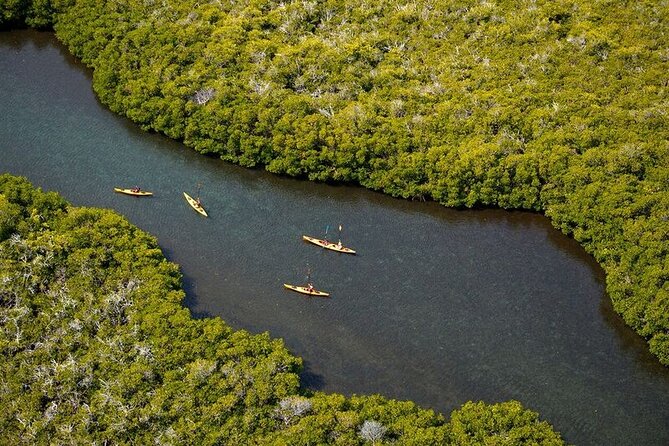
- Route to the mangroves is around 6 km: You’ll trade speed for scenery and wildlife-spotting time
- Expect variable water conditions: Wind and current can make the paddle tougher, especially if you are new to kayaking
- Wildlife and photo chances: You’ll have time for pictures, with sightings possible depending on conditions
- Food and drinks are part of the plan: Hydration and snacks plus refreshments on a beach stop
From Club Playerito to the waterline: how the timing really feels
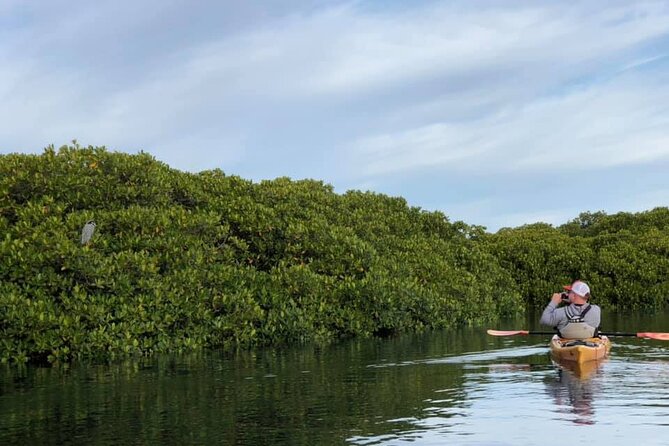
The tour meets at Club Playerito, Paseo Álvaro Obregón 1170 in La Paz’s commercial zone, then you get pulled into the kayak briefing once everyone is gathered. The ride itself is not long, but you do want to arrive a bit early so you can get fitted with your vest and settle your gear before you hit the bay.
The paddle begins at the Malecón beach. From there, you’ll travel in the direction of the mangroves, for a journey that’s roughly 6 km one way. The full experience runs about 2 hours 30 minutes including time for setup, paddling, short stops for photos, and the return trip.
What I like about this timing is that it creates a real back-and-forth feel: you go out toward the mangrove area, pause long enough to check out what’s around you, then head back before you feel cooked. That said, the water is what controls your pace. If conditions are breezy or choppy, you’ll work harder and the trip may feel longer.
You can also read our reviews of more tours and experiences in La Paz.

Expedition kayaks in Bahía de La Paz: stable, but not effortless
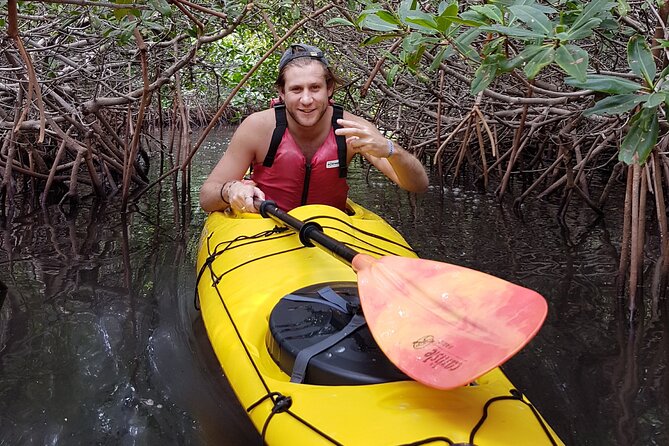
This is an expedition-style kayak setup. You can expect single and double kayaks, and most of the boats are plastic with a stable feel. The included vest and paddle make a big difference for confidence, especially if you are thinking you might need help getting comfortable with the basics.
Here’s the honest part: this is not marketed as a flat-water cruise. Even on a normal day, the bay can bring wind and current, and waves can show up. In one account of the trip, the paddle included moderate waves around 2 feet and the out-and-back route felt like you were sometimes fighting the elements, not just gliding along.
If you are a first-timer, your biggest question should be simple: can you paddle steadily when you are slightly off balance and the water surface is moving? You do not need to be an athlete, but you should be comfortable with the idea that your arms will get a workout. The tour also notes moderate physical fitness for this reason.
Practical tip: wear the clothes you don’t mind getting splashed in, and bring a small dry bag or waterproof phone pouch if you have one. The description mentions photos depending on weather, which is travel code for: if conditions are rough, picture time may be shorter.
The 6 km paddle toward mangroves: your role is looking, not sightseeing on rails
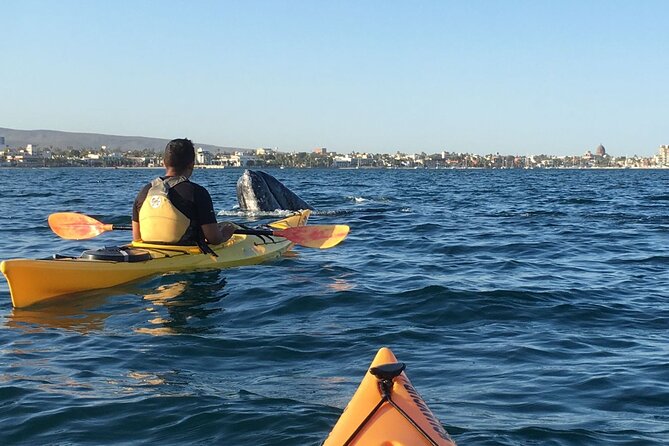
Once you start from the Malecón beach, you’re effectively moving through Bahía de La Paz’s shoreline world. The route heads toward the mangrove area—and that matters—because mangroves are where the bay’s calmer pockets and protected habitat start to appear.
The best part is that kayaking forces you to slow down in a different way than walking does. You can’t just rush to the next landmark. Instead, you look for movement: birds, floating debris, and any sign that something is feeding near the surface. In other words, you’re reading the water as you go.
You should also know how long the paddle directionally lasts. One account puts the trip to the mangroves at around 45 minutes, meaning you’ll settle into a rhythm and then keep it going. That’s long enough to enjoy the bay, but not so long that you feel trapped in an exhausting grind.
Also: there’s a balance between “nature experience” and “water time.” This tour definitely has a nature component, but it’s structured as a kayak safari, meaning the main act is the paddle and the short stops you encounter on the route.
Mangrove time in the water: what you get in about 10 minutes
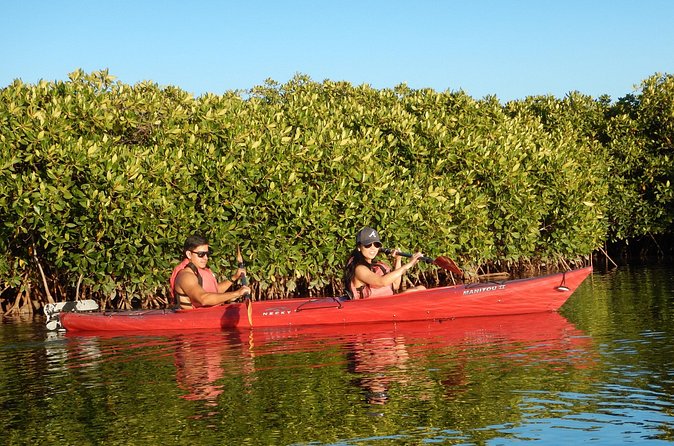
The mangrove section is the big draw, and it’s worth going for. But it’s not an all-afternoon lesson. After reaching the mangrove area, you’ll spend roughly 10 minutes there.
That short window is important. In that limited time, the guide may cover the types of mangroves you’re looking at, and you’ll have a chance to observe the environment from your kayak position. If you want more biology detail, you’ll likely need to ask direct questions on the spot. If you prefer a long, guided eco-lecture with lots of stops and extra explanation, you may find the mangrove portion feels brief.
Still, I think that brevity is part of the value for the right traveler. When your time in the mangroves is short, you come back out with energy and you don’t end up spending most of your afternoon in one spot. You also get that satisfying feeling of transition: open bay to mangrove edge to a quick break, then back again.
Wildlife spotting and photo breaks: pelicans, birds, and maybe more
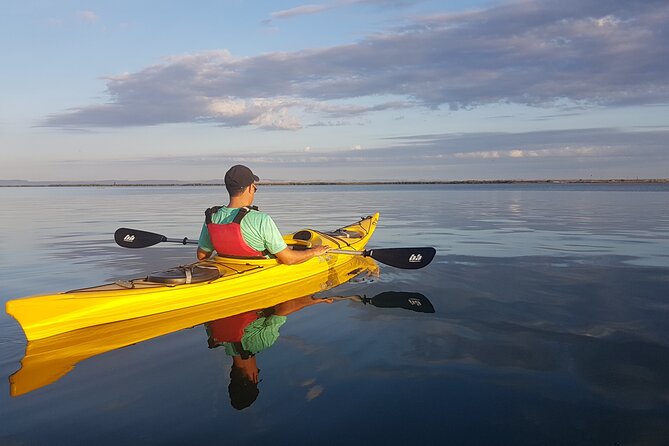
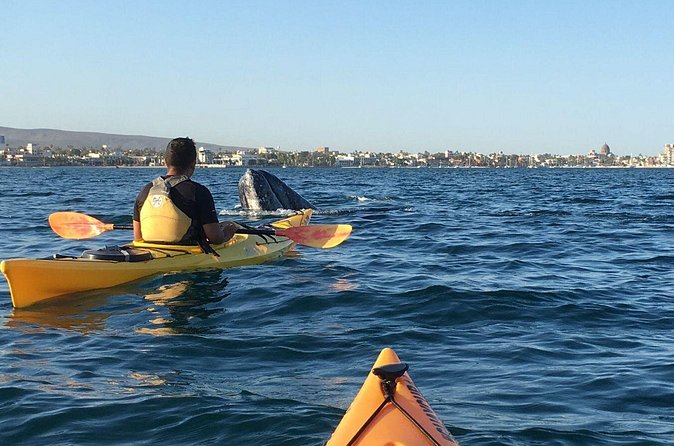
The tour is built around the idea of seeing marine fauna in the Bay of La Paz, and you’ll get at least some time where spotting is the focus, not just paddling.
If conditions cooperate, expect a decent chance at birds. One guide-led outing included plenty of pelicans feeding and other birds active around the water. Another account describes dolphins being looked for, though they were not spotted that day. In practice, wildlife sightings can swing day to day, so keep expectations flexible.
Photo opportunities depend on weather. If the day is clear and calm, you’ll likely get nicer light for shots of the bay and mangrove edges. If the wind is up, you might find the best pictures come when the group pauses briefly rather than during heavy paddling.
Quick camera tip: shoot a few wide shots first (water + shoreline + mangroves), then zoom in for detail when you see bird movement. That way, if the weather changes, you still leave with a story.
The beach stop: snacks, hydration, and an easy reset
On the way through the route, you’ll stop at a beach for about 10 to 15 minutes. This is where the tour keeps you comfortable and prevents that mid-trip crash.
You’ll receive bottled water, Gatorade, and fruit during the break. Hydration and snacks are also included in the overall package, and the tour lists refreshments as part of what’s provided.
I like these specific choices because they make sense for a paddling session. You’re using steady upper-body effort, so you need water plus something with electrolytes and a bit of quick energy. The fruit is a nice touch because it feels lighter than heavy snacks.
Use this stop strategically. If you need to tighten something on your gear, re-adjust your grip, or just breathe for a second, do it here. Then you’ll be ready for the return leg.
The return paddle: quicker with the help of the same elements
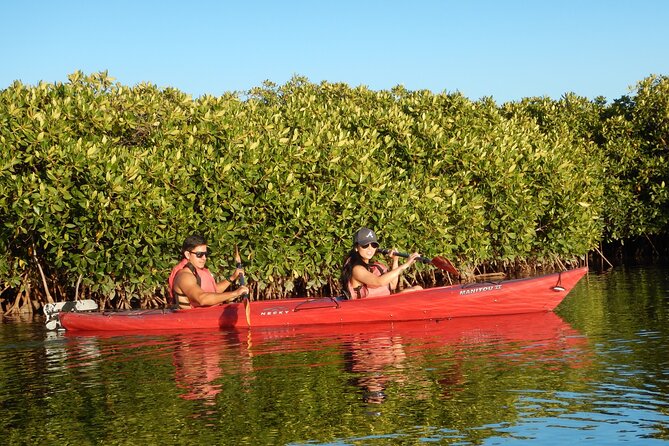
The return trip crosses the bay again, and one account describes it as taking about 15 minutes, helped by the conditions that fought you on the way out. Even if your exact minutes differ, the pattern is clear: you’ll likely feel the water shift from tougher to easier as you reverse direction.
That matters because it affects how you remember the tour. When the return feels supported, the whole trip ends on a good note instead of turning into survival mode.
You’ll also likely have a final chance to spot wildlife and look back at what you passed on the way out. Treat the return as your payoff lap: relax your shoulders, keep your strokes smooth, and watch the shoreline instead of constantly checking the kayak position.
Guide style and group size: what to expect from Tano on the route
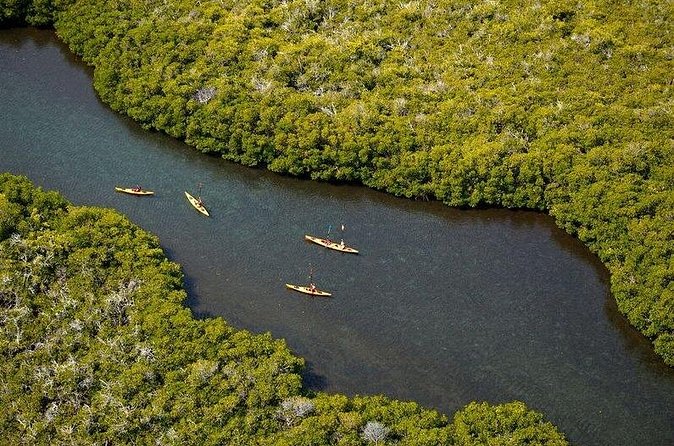
The tour includes a guide and keeps group size tight, with a maximum of 10 travelers. That small number matters on the water. It’s easier to track everyone, adjust pacing, and keep safety checks close without feeling rushed.
One guide name that comes through in accounts is Tano (sometimes spelled Tona). The guide was described as checking in to make sure participants were okay during the paddle. There’s also a note that the guide’s communication can mix languages, including excellent English for at least some riders.
If your comfort depends on fully understanding the commentary, do yourself a favor: ask questions when the group pauses. The tour format is short, and your best chance to get targeted info is right when you’re stopped near the mangroves or during the beach break.
Bottom line: you should treat the guide as your safety and route expert, not as a long-form lecturer. The trip is built for motion and observation more than for textbook-style explanations.
Who should book this kayak safari, and who should think twice
This experience fits best if you want an active, nature-flavored outing that stays around a half-day time block and includes equipment plus food. You’ll enjoy it most if you:
- feel comfortable paddling for extended minutes
- don’t mind wind or small chop when it shows up
- want a scenic route toward mangroves, not a classroom-style tour
- like wildlife spotting with real pauses for photos
You may want to think twice if you:
- are brand-new to kayaking and have only tried it on totally calm water
- hate the idea of fighting current or waves with your strokes
- want a long mangrove education session rather than a short stop
If you land in the middle—some kayaking experience or decent fitness—you’ll likely find this a fun, doable challenge.
Weather matters more than you think
This tour requires good weather. If conditions are poor, the experience may be canceled and you’ll be offered a different date or a full refund. That’s a big deal for safety and for how enjoyable the paddle feels.
Also note that photographs depend on the weather. Clear skies and light winds usually mean better visibility, calmer paddling, and more stable picture moments.
My advice: check forecasts on the day and treat the day’s conditions as part of the experience. A slightly breezy bay can make the paddle more work—but it can also make the water feel more alive. Just don’t pretend rough conditions are going to turn into easy kayaking.
Should you book PLAYERITO BCS’s 2-hour kayak safari?
I’d book this if you want a short, well-supported kayak outing with real bay scenery, mangrove time, and included snacks and drinks. The stable expedition kayaks, vest and paddle, and the small group size make it practical. Plus, wildlife spotting is the kind of bonus that can make photos feel like a reward, not a chore.
Skip it if your main goal is a calm beginner paddle or a deep educational mangrove tour that stays longer than about 10 minutes. This trip is more about paddling through Bahía de La Paz and making the most of quick nature moments.
If you do book, go in with a simple mindset: focus on technique, keep your strokes steady, and use the stops to ask questions. You’ll get more out of the experience even on days when dolphins are shy and the wind is doing its own thing.
FAQ
How long is the kayak safari?
It runs about 2 hours 30 minutes (approx.), including paddling time and short stops.
Where does the tour start and end?
It starts at Club Playerito, Paseo Álvaro Obregón 1170, Zona Comercial, 23000 La Paz, B.C.S., Mexico. The activity ends back at the same meeting point.
What’s included in the tour?
The package includes sea kayak, vest, paddle, guide, hydration, snacks, refreshments, and photos.
Do I need kayaking experience?
The tour calls for moderate physical fitness. Based on the experience described, it may not feel beginner-friendly if you are not used to paddling in wind, current, and small waves.
How many people are in the group?
The tour has a maximum of 10 travelers.
What happens if weather is bad?
The experience requires good weather. If it is canceled due to poor weather, you’ll be offered a different date or a full refund.