REVIEW · ONTARIO
6 Hour Algonquin Park Canoe Trip
Book on Viator →Operated by Algonquin Adventure Tours · Bookable on Viator
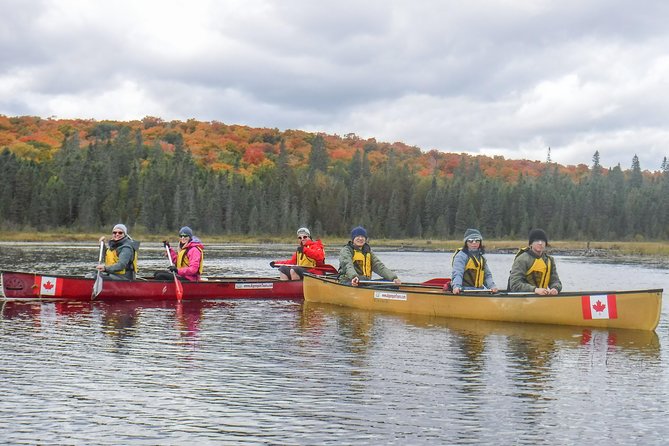
Six hours of paddling beats the usual sightseeing. This small-group canoe trip in Algonquin Provincial Park mixes guided canoeing with real time outside, plus wildlife spotting and optional cliff jumping. You stay together with a local naturalist guide, so you get the fun of the backcountry without the stress of figuring things out solo.
I especially like the way the day is built for variety: you’re not only paddling up to 10 miles, you’re also hiking to a scenic lookout and getting chances to swim. I also love the food setup, with a picnic lunch that includes sandwiches from Henrietta’s Pine Bakery, plus wild edible samples when they’re in season.
One consideration: this is an active outing, with a good chunk of paddling, a portage, and a hike, so you’ll want moderate fitness and the right footwear. The trip also asks you to bring key items like 2L of water and water shoes, and you’ll need a park daily vehicle permit that isn’t included.
In This Review
- Key things that make this Algonquin canoe day work
- First steps: meeting at Canoe Lake and getting oriented
- The paddling rhythm: Canoe Lake, reflections, and that totem stop
- Algonquin Provincial Park time: two lakes, a portage, and a lookout hike
- Wildlife watching that feels realistic, not performative
- Lunch and wild edibles: keeping energy up the smart way
- Swimming and optional cliff jumping: how to decide on the moment
- The guide effect: instruction, safety, and details that matter
- Price and logistics: what you pay for and what you’ll need to add
- What to bring: the simple list that keeps the day comfortable
- Who should book this 6-hour canoe trip?
- Should you book? My decision checklist
- FAQ
- How long is the 6-Hour Algonquin Park Canoe Trip?
- Where does the trip start, and what time does it begin?
- How much paddling, portaging, and hiking should I expect?
- Is lunch included?
- What equipment is provided?
- Do I need an Ontario Parks daily vehicle permit?
- What should I bring?
- What happens if the weather is poor?
Key things that make this Algonquin canoe day work
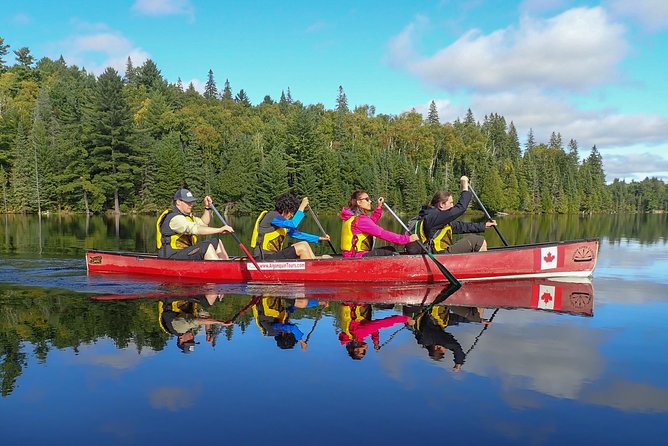
- Small group size (max 11) keeps the trip hands-on and manageable for first-timers
- Up to 10 miles of paddling, plus portaging and a 1.5 km hike gives a real workout
- Canoes are four-seaters, a practical setup for families with kids age 7+
- Wild edible samples and bakery lunch keep energy up without feeling like a chore
- Optional cliff jumping and swimming add that big-alive adventure feeling
First steps: meeting at Canoe Lake and getting oriented
The day starts back at the Canoe Lake Access Point Permit Office on Highway 60 (km 14.1 north). The scheduled start time is 11:30 am, and the tour ends back at the same meeting point, which helps you plan the rest of your day.
You’ll want to arrive prepared because you’re not just showing up to watch paddles go by. The guide runs the basics so you can paddle, steer, and stay safe as soon as you’re on the water. With a max group of 11, the instruction doesn’t feel rushed, and you get a better chance to ask questions before the route gets into rhythm.
Also, this is a mobile-ticket experience, so have your confirmation ready on your phone. If you’re the kind of traveler who likes to minimize stress, bring everything you need for the water walk too. The itinerary includes walking in and around shoreline areas, so flip-flops and barefoot are a no-go.
The paddling rhythm: Canoe Lake, reflections, and that totem stop
Right after you gather, you’ll paddle past a totem memorial. It’s seen from a distance, which is a nice touch because it gives you a local cultural landmark without turning the day into a museum stop.
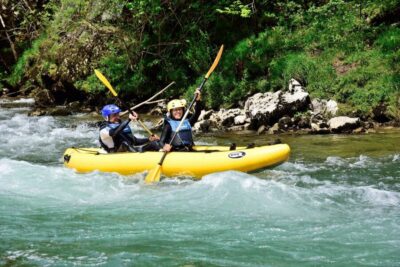
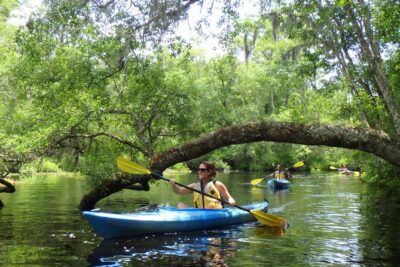
Then you shift into the Canoe Lake section at the Canoe Lake Access Point (#5). This part focuses on natural and human history, with a lot of time on the water. The best part is the way you get to go into more secluded, quieter corners where the lake can look almost like glass. That’s when wildlife spotting tends to feel more likely, and you also get those mirror-like reflections that make canoe time feel like something special rather than just transportation.
This is also where the tour’s safety approach shows. When you’re in moving water and you’re still learning coordination, you don’t want a “figure it out” vibe. Having a naturalist guide means you spend more of the day outside, less of it guessing.
Algonquin Provincial Park time: two lakes, a portage, and a lookout hike
After the Canoe Lake segment, you move into Algonquin Provincial Park for the heavier action. Expect a day structure that mixes paddling, portaging, and hiking so your legs and arms both get their share.
The park segment is described as two lakes with roughly 8–16 km of paddling, plus a 600 m portage. That portage is short enough to be manageable for an active traveler, but long enough that it changes how you feel by the end of the day. The good news is you’re doing it with a group and a guide, so you’re not alone in the effort.
Then comes the hike: about 1.5 km to a scenic lookout. This is the payoff moment. Canoe days can feel like you’re always “on the water,” but this hike forces your perspective to change. Even if you’re not a hardcore hiker, you’ll likely appreciate the break from paddling and the chance to look out over what you’ve been working for.
The park portion also includes learning about park history and local food moments. You may see birds, turtles, and squirrels as you move through the day, and moose sightings can happen periodically.
Wildlife watching that feels realistic, not performative
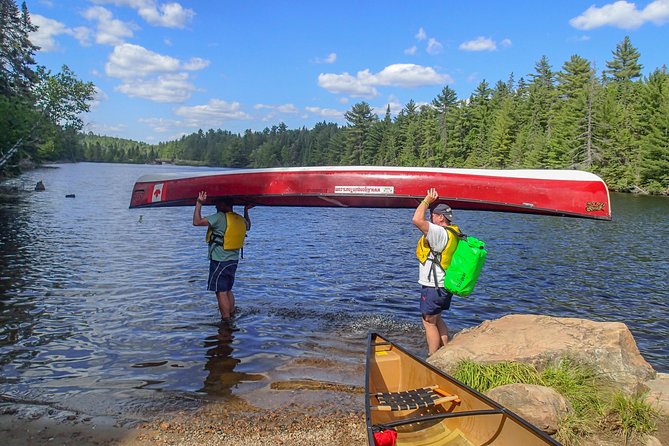
Wildlife is one of the reasons canoeing in this part of Algonquin can feel different from standard nature viewing. The tour is set up for observation on the water and near shore, not just from a single viewpoint.
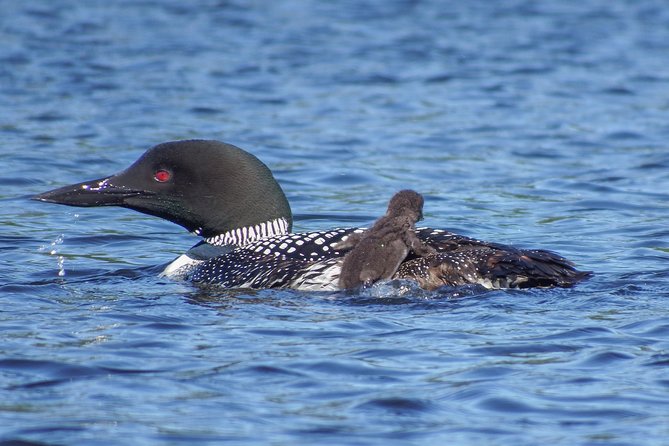
Your odds improve because you’re moving slowly and quietly through habitat—canoe pace makes a difference. The tour specifically calls out looking for moose, turtles, and butterflies, and in practice you may mostly see birds, turtles, and squirrels with occasional larger mammals.
A quick practical note: even when you don’t see moose, you’re still doing something valuable. Wildlife spotting isn’t only about the rare moments. It’s about paying attention as you paddle—watching shoreline edges, noticing movement near vegetation, and using stillness when you’re waiting your turn. The guide’s interpretation helps you focus on what matters.
Also, plan for bugs. One piece of advice that shows up from past days: protect yourself from mosquitoes, especially if conditions turn warm and damp.
Lunch and wild edibles: keeping energy up the smart way
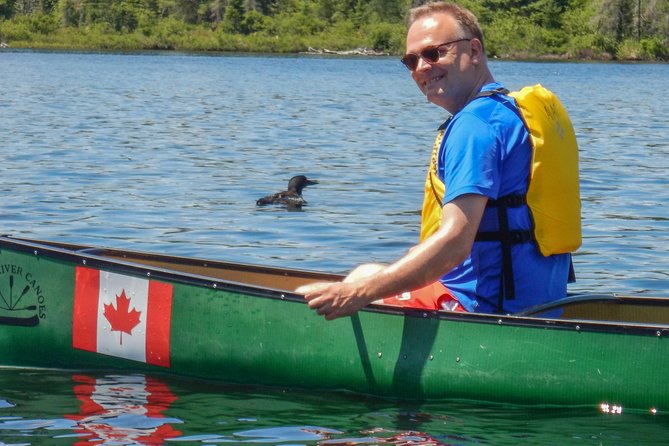
The picnic lunch is included, and it’s not just a token snack. You get sandwiches from Henrietta’s Pine Bakery plus a granola bar. It’s exactly the kind of fuel that works mid-day because it’s easy to eat without slowing you down too much.
On top of that, you get wild edible samples in season. This is fun in a teach-you-how-to-look way, but it’s also practical. When you’re exerting yourself—paddling, portaging, walking—your body wants real energy, not only water.
If you have dietary restrictions or allergies, let the operator know ahead of time. The tour asks you to share those details as soon as possible, which is the right call with food included and wild edible sampling involved.
Swimming and optional cliff jumping: how to decide on the moment
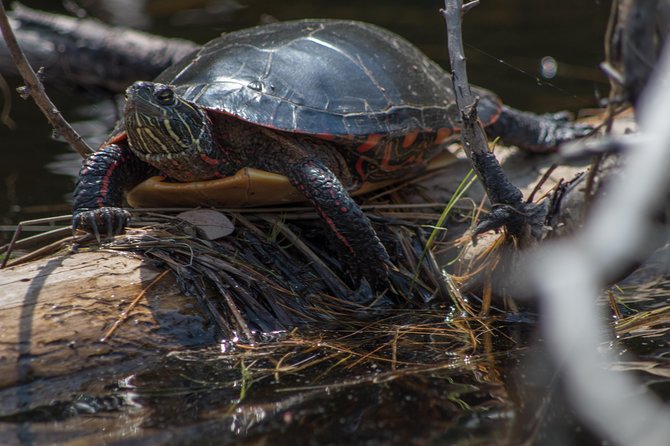
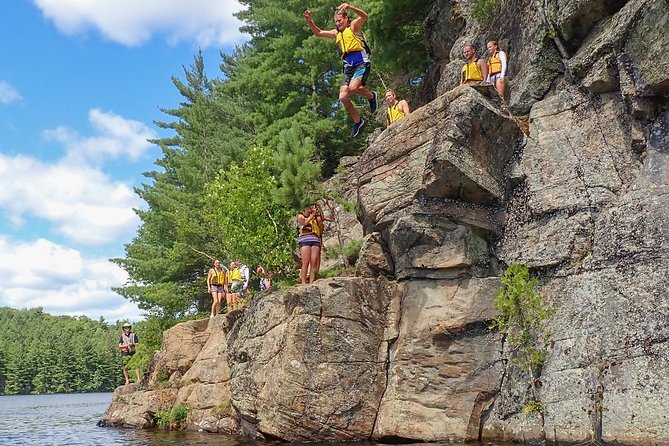
This day includes swimming, and cliff jumping is offered if you like. That matters because it turns your “active day” into a choose-your-own-adventure moment. If you want the extra thrill, the guide helps make it happen safely.
If you’re unsure, start with the swimming. It’s built into the flow of the day, and it’s a great way to cool off after paddling and the portage. Once you’ve gotten your feet wet—literally—you’ll know whether you want the bigger step.
One practical thing: footwear rules matter here. You’ll want water shoes because there’s walking knee-deep in water at points, and you’ll also want stable grip if you’re moving around slick rock near the water’s edge.
And if cliff jumping is a must-do for you, keep a flexible mindset. Since it’s optional and safety depends on conditions, you should expect the guide to make the call if the day doesn’t feel right for it.
The guide effect: instruction, safety, and details that matter
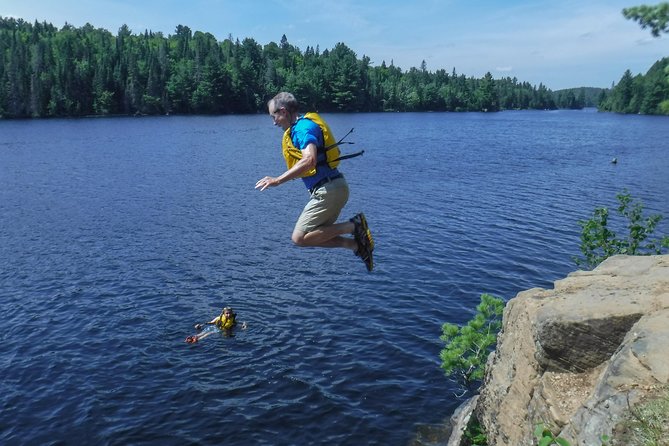
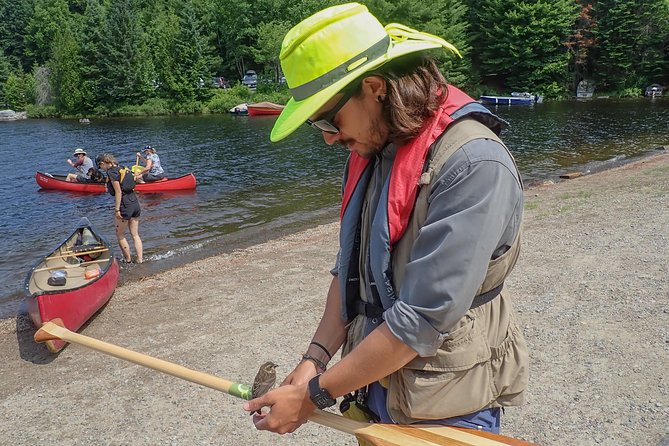
This trip is led by a naturalist guide who provides canoe instruction, safety support, and nature interpretation. That trio is what makes a huge difference between a tiring paddle and a confident one.
Guides you might encounter include Enzo, Jim, Andrew, Diego, and Blake. The common thread from their approach is friendliness, clear explanations, and taking an interest in details. More importantly, they’re attentive to how the route feels when fatigue hits—especially during the harder stretches of paddling and after the portage.
If you’re nervous about canoeing, you don’t need to be fearless. What you need is willingness. The guide’s job is to get you paddling in a way that matches the conditions and keeps the group moving safely. That’s also why the group stays small.
Price and logistics: what you pay for and what you’ll need to add
The price is $107.49 per person for a roughly 6-hour guided outing. For that, you’re getting a lot of the “hard parts” handled: the naturalist guide, canoe time with paddles and life jackets, included lunch (sandwiches and granola bar), short hike to a scenic lookout, wild edible samples in season, and the chance to swim and cliff jump if you want. You’ll also get high-quality tour photos shared via Facebook.
What’s not included is also clear, and you’ll want to plan for it:
- Algonquin Park daily vehicle permit (choose HWY 60 Corridor on Ontario Parks)
- Guide tip (5–10% of tour cost; bring cash)
- Water (bring 2L per person)
- Water shoes (no flipflops/slides/Crocs/bare foot)
- Rain gear and warm clothing if needed
That permit and tip are the two line items that can catch people off guard. Still, when you weigh what’s included—gear, guiding, lunch, and the full mixed route—the value tends to make sense for active travelers who want a guided canoe day without the planning hassle.
What to bring: the simple list that keeps the day comfortable
You’ll enjoy this trip more if you treat packing like part of the activity. Here’s what the tour data asks for and why it matters:
- 2L of water per person (water isn’t provided)
- Water shoes for walking in knee-deep water
- Proper rain jacket; outside July/Aug, rain pants are advised
- Warm clothing if the weather looks cool
If you tend to overheat, you might still want layers you can remove. You’re doing physical work for much of the day, but conditions can shift quickly around water.
And bring bug protection. Even when the day runs well, mosquitoes can make the experience less fun fast.
Who should book this 6-hour canoe trip?
This is best for active travelers who want time on the water and don’t mind doing more than one kind of movement. If you love a physical challenge with frequent scenery changes—paddle, portage, hike, cool off—this fits well.
It’s also family-friendly in the right age range. The canoes are four-seaters, and the tour notes that kids age 7+ can join. With that setup, families can often organize themselves more easily than with larger boats. If your child is comfortable being active outdoors for several hours and you’re ready for water-friendly footwear, it’s a strong option.
First-time paddlers are still likely to do well because instruction and safety support are part of the package. The key is moderate fitness. You don’t need to be an athlete, but you do need to be comfortable enough to handle paddling plus a portage and a hike.
Should you book? My decision checklist
Book this trip if you want a guided Algonquin day that feels like real outdoor time, not just a scenic cruise. I’d especially recommend it if you value small-group guidance, included food, and a route that blends paddling with hiking and swimming.
Hold off or choose a lighter option if you know you’re not comfortable with sustained paddling, portaging, and a walk to a lookout. Also take it seriously if rain or cold weather would ruin your day—this experience requires good weather, and you’ll be outdoors for most of the six hours.
If your goal is a memorable mix of water travel, learning, and optional thrills, this is a solid bet for your Algonquin planning.
FAQ
How long is the 6-Hour Algonquin Park Canoe Trip?
The trip is scheduled for about 6 hours.
Where does the trip start, and what time does it begin?
You meet at the Canoe Lake Access Point Permit Office on Highway 60 at km 14.1 north, and the start time is 11:30 am. The tour ends back at the meeting point.
How much paddling, portaging, and hiking should I expect?
In Algonquin Provincial Park you can expect two lakes with about 8–16 km of paddling, a 600 m portage, and about a 1.5 km hike to a scenic lookout. The trip overall notes paddling up to 10 miles.
Is lunch included?
Yes. Lunch is included and features sandwiches from Henrietta’s Pine Bakery plus a granola bar. Wild edible samples are also included when available in season.
What equipment is provided?
The tour provides the canoe (shared four-seaters), paddle, and life jacket. You’ll also have a naturalist guide, and you’ll be included in activities like the hike, swimming, and optional cliff jumping.
Do I need an Ontario Parks daily vehicle permit?
Yes. The Algonquin Park daily vehicle permit is not included. You’re asked to select the HWY 60 Corridor location on the Ontario Parks website.
What should I bring?
Bring 2L of water per person and water shoes for walking knee-deep in water (no flipflops, slides, Crocs, or bare foot). Also bring appropriate rain gear (a proper rain jacket, with rain pants advised outside July/Aug) and warm clothing if it’s cold.
What happens if the weather is poor?
This experience requires good weather. If it’s canceled due to poor weather, you’ll be offered a different date or a full refund.