REVIEW · ALTEA
Altea: Morro de Toix Kayak Trip
Book on GetYourGuide →Operated by Alicante Aventura · Bookable on GetYourGuide
Morro de Toix makes kayaking feel like a stunt. I love the close-up cliff scenery along Alicante’s coast, and I especially love the hands-on stop at Cueva dels Coloms with cave gear. You’ll also get a real guide in the mix—on my radar are guide Vicent and Vincent, both noted for being attentive and fun. The main catch: this isn’t a sit-and-glide outing. Expect real physical effort tied to getting in and out of the water and doing a sea-cave access that can feel more demanding than you’d think.
You start at Mascarat Beach area and work your way north along the rock walls, with short photo pauses and time to actually paddle. You’ll get a real break from the salt spray during swim and snorkel time at small coves like Cala de Gasparet, and then finish back near Altea Beach Club. One drawback to consider up front: this trip is not suitable if you’re a non-swimmer, and if you’re prone to seasickness, the open water stretches may not be your friend.
In This Review
- Key Highlights at a Glance
- Where Morro de Toix Fits on the Altea Map
- The Paddle Start at Altea Beach Club (and Why Timing Matters)
- Punta del Mascarat and the Early Photo Stops
- Morro del Toix: The Cliff Section That Changes How You See the Coast
- Cueva dels Coloms: Helmet, Headlamp, and a Real Sea-Cave Mission
- Cala de Gasparet: Snorkel, Swim, and a Breather
- Cala del Racó del Corb and the Return to Altea Beach Club
- Gear, Safety, and the Pace You Should Actually Expect
- Price and Value: Is $59 Worth It for 4 Hours?
- What to Bring (and What Helps Most in Summer Heat)
- Morning vs Afternoon: When the Water Feels Easier
- Who Should Book This, and Who Should Skip It
- Should You Book Morro de Toix Kayak Trip?
- FAQ
- How long is the Morro de Toix kayak trip?
- Where is the meeting point?
- What’s included in the price?
- Do I need to be a strong swimmer?
- What should I bring with me?
- Is there a guide and what languages do they speak?
- Is the experience different in the morning vs the afternoon?
Key Highlights at a Glance
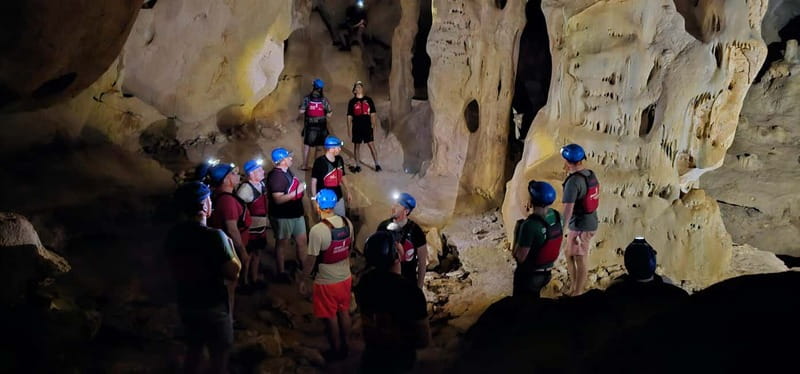
- Cueva dels Coloms access by sea: a cave experience with helmet and headlamp, not just a casual look from the shore
- Morro de Toix cliff kayaking: big, vertical rock walls that feel impossibly close from the water
- Snorkel and swim stops at coves: you get downtime at Cala de Gasparet and Cala del Racó del Corb
- Double self-bailing kayaks with backrest: more comfort than the usual barebones rental kayak
- Unique geology story: the cave’s springs create a water-suction effect also noted in only one other place, Cephalonia
- Guides in Alicante Aventura gear: look for the fluorescent orange shirts at Altea Beach Club
Where Morro de Toix Fits on the Altea Map
Altea is all about that Mediterranean mix: pretty promenade energy, quiet coves nearby, and cliffs that look too dramatic to be real until you’re standing on—or paddling next to—them. This kayak route focuses on one stretch where the rock walls turn into a whole playground: Morro de Toix and the sea-access cave area known as Cueva/Cova dels Coloms.
The “why” is simple. From a kayak, you don’t just see the coast—you travel along it at water level. That changes the whole feel. The cliffs look taller, the caves look closer, and when you stop to swim or snorkel, you’re doing it where the rocks and water shape the best little pockets.
You also get a good rhythm for a half-day tour: paddle, pause, paddle, then a cave moment that’s more active than typical “shore excursion” style sightseeing.
The Paddle Start at Altea Beach Club (and Why Timing Matters)
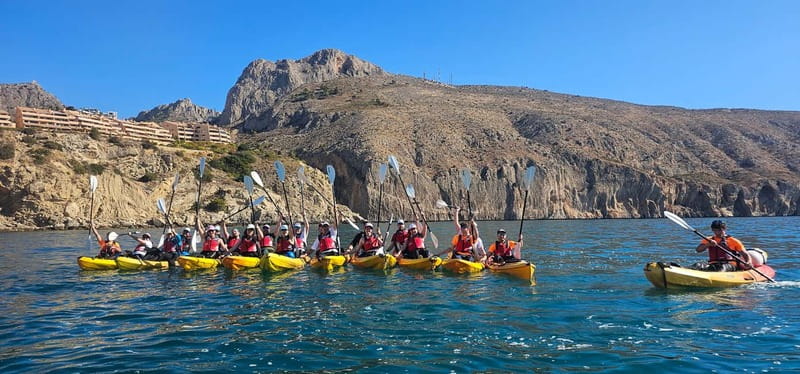
You meet at Altea Beach Club (C. Rda. del Atardecer, 3, 03590 Altea, Alicante). The guides come in fluorescent orange Alicante Aventura t-shirts, with the kayaks set up so you can get moving quickly once you arrive.
Arrive at least 15 minutes early. There’s a strict “courtesy waiting window” of 5 minutes, and if you miss the timing, it can mean you won’t be able to join and there’s no last-minute switching. That matters more than usual because the group does hands-on training and then heads out along the route soon after.
Once you’re checked in, you’ll get a practical introduction to how to use the kayaks and a route explanation so you’re not guessing while you’re on the water. If you’re nervous about stability, this pre-brief helps. Double self-bailing kayaks also reduce the “oh no” factor if you catch some waves or get splashed.
Punta del Mascarat and the Early Photo Stops
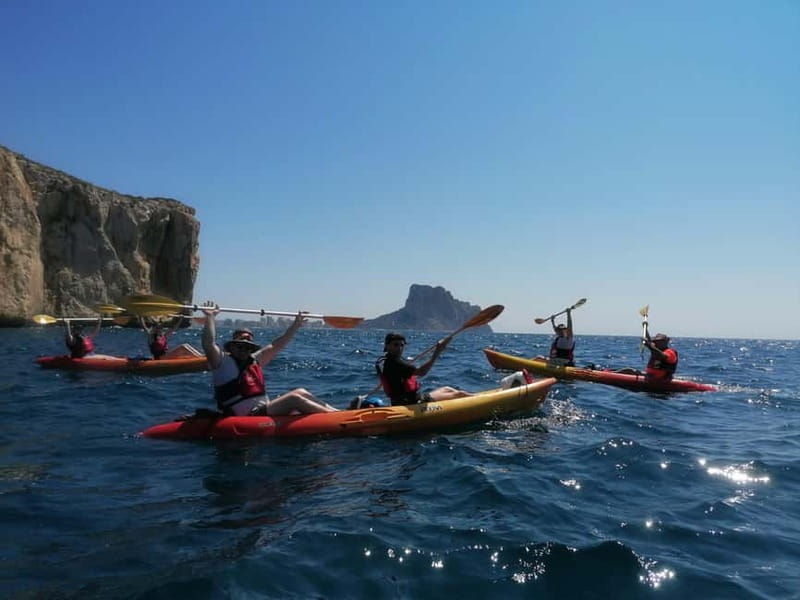
After the setup, you head toward Punta del Mascarat. There’s a quick photo stop and then you cross the point and start moving along the coast north. This is a smart start because it gets you out of “beach mode” and into real paddling without throwing you into the hardest-looking parts immediately.
You then hit short pauses along the way (like around Cala Barra Gran), which break up the route and keep your attention on the coast instead of only on your paddle stroke.
These early segments are also where you learn what kind of kayaking experience this is: not a long slog between stops, but a moving route with frequent look-around moments. It’s the kind of plan that works well if you want to see a lot of coastline in four hours without feeling trapped on the water the whole time.
Morro del Toix: The Cliff Section That Changes How You See the Coast
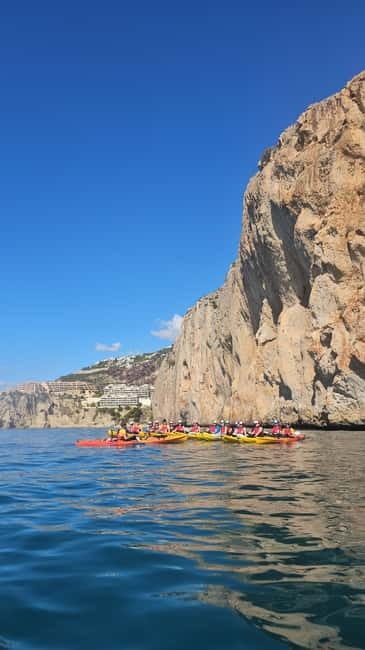
As you continue north, you reach Morro de Toix, where the description about verticality isn’t just marketing. When you’re in a kayak, you experience the rock walls in layers: the face, the overhangs, the way sea caves appear like holes cut into stone.
You’ll also have a photo stop here. That’s important because this is the part you’ll want to remember visually—before the next swim stop or cave access makes your brain switch gears.
One thing I’d keep in mind: the “daring” element here is less about being fearless and more about being comfortable with being close to the coast, in open water, with a guide pacing the group. If you’re okay with that, the cliff section is where the trip earns its reputation.
Cueva dels Coloms: Helmet, Headlamp, and a Real Sea-Cave Mission
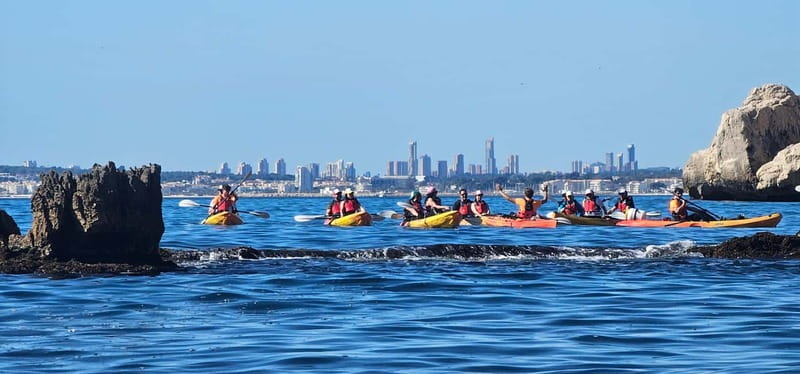
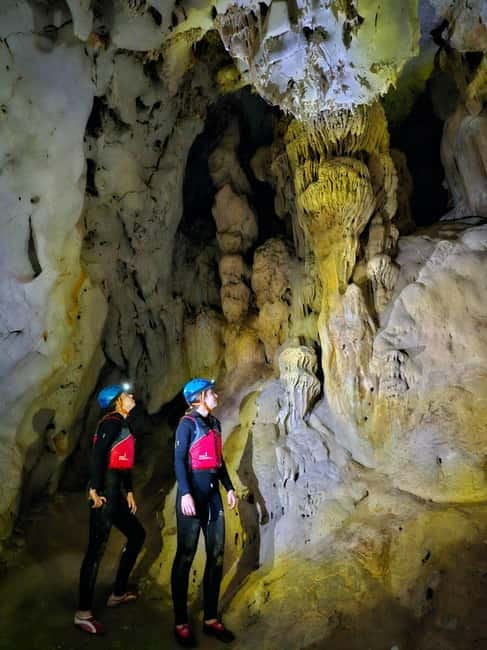
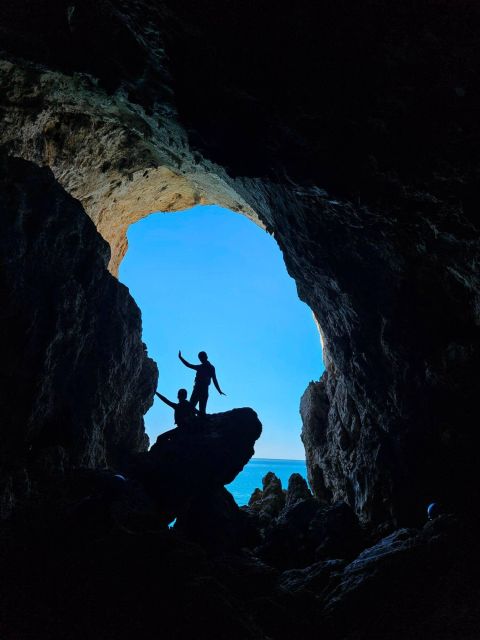
The standout moment is the stop at Cueva/Cova dels Coloms, a cave area you access via the sea. This is where the tour shifts from kayaking to a hands-on cave experience with helmet and headlamp.
Inside, you’re looking at galleries and rooms, with springs of different sizes flowing toward the sea. The effect is one of those “wait, that’s actually happening” natural phenomena: water appears to be “sucked” by the stone of Morro de Toix and then expelled again through these springs.
This specific behavior is said to happen in only one other place in the world, on the Greek island of Cephalonia—so you’re not just touring a cave. You’re visiting a very particular kind of water-and-rock system.
Now, a key reality check from the experience details and how this kind of access is run: this isn’t always a slow, walk-in cave stroll. You should be prepared for the practical side of getting access—water entry and exiting, plus some scrambling/climbing elements associated with how you reach the cave. One review flagged that the description can understate how close it can feel to a speleology-style outing rather than a simple sightseeing cave tour.
That doesn’t mean it’s unsafe—guides do safety-first work—but it does mean you should bring the right expectations. If you want only gentle tourism, this cave stop might feel too active.
Cala de Gasparet: Snorkel, Swim, and a Breather
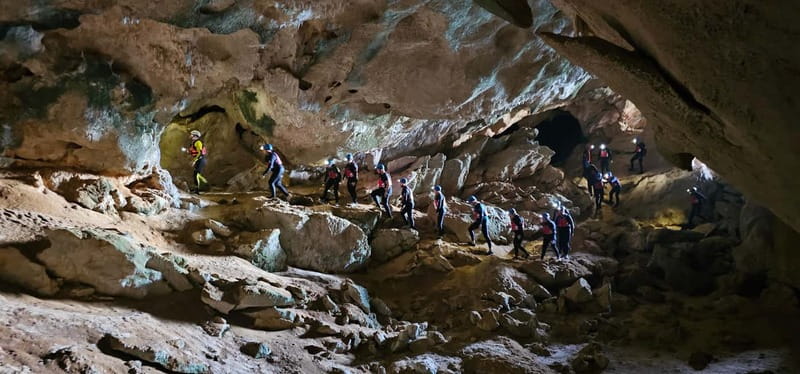
After the cave stop and more cliff coastline paddling, you reach Cala de Gasparet. This is where the trip becomes fun in a calmer way: you get a break with time to rest, snorkel, swim, and recharge before the return leg.
Snorkelling equipment is included, and you also bring your own rhythm here. You can keep it simple—float, breathe, soak up the light on the water—or snorkel more actively if you’re feeling confident in the conditions.
This stop also helps you process the cave intensity. When you go from headlamp darkness to bright open water, your body appreciates the change. It’s a built-in reset.
Cala del Racó del Corb and the Return to Altea Beach Club
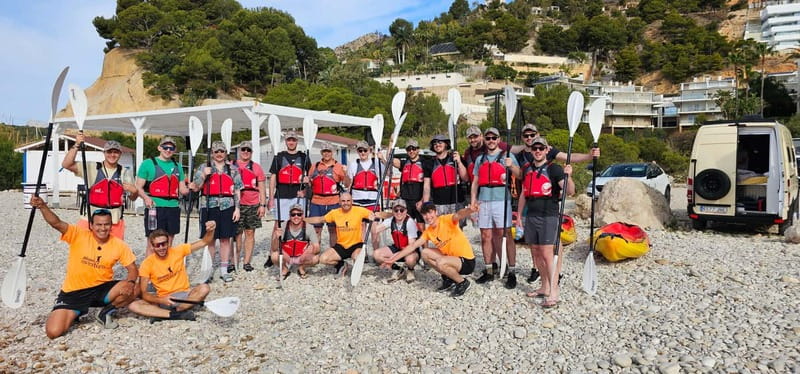
Next up is Cala del Racó del Corb, another cove where you’ll find more free time for swimming and snorkelling and a chance to paddle briefly as the group moves again.
I like the way this trip uses two water breaks before finishing. It keeps the overall energy from tipping too far into “all effort, no pleasure.” You also get more than one chance to appreciate the coastline from the kayak rather than only seeing the rocks from one angle.
Finally, you paddle back to Altea Beach Club to end the route about four hours after meeting—so you get a solid half-day adventure without burning your whole vacation day.
Gear, Safety, and the Pace You Should Actually Expect
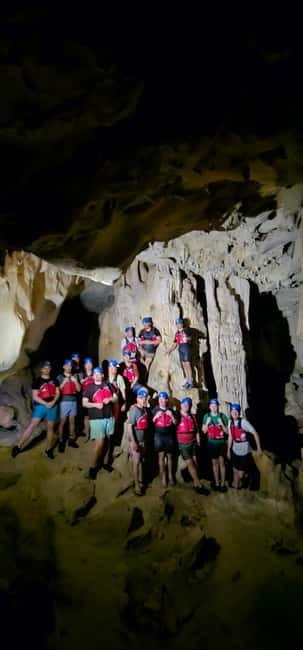
The trip includes the practical stuff that matters on the water: double self-bailing kayaks with a backrest, paddle, and lifejacket. There are also watertight jerry cans so you can carry small personal items without worrying about them getting soaked.
For the cave segment, you’ll have the helmet and headlamp, which is essential for seeing the cave spaces and moving safely in a dark environment.
On safety, the guide team’s job is more than just “be present.” Reviews point to guides pairing safety measures with the real conditions and the more active nature of cave access. So while the route is adventurous, it’s not random.
The pace is the thing you need to plan around. One honest drawback flagged that it can feel more intense than the written description makes it sound—especially around sea-cave access, water jumps/entries, and getting back into the kayak afterward. If you’re the kind of person who hates surprises, read this as your heads-up: go ready to move.
Price and Value: Is $59 Worth It for 4 Hours?
At $59 per person for about 4 hours, you’re paying for more than “a kayak rental with photos.” You’re paying for gear, guided instruction, cave headlamp equipment, snorkelling kit, and a route that strings together multiple wow moments: cliffs, sea-access caves, and swim/snorkel time.
Is it pricey? Compared to self-guided options along the coast, yes. Compared to guided sea-cave experiences that include specialized equipment, it’s reasonable.
For value, focus on what you’d otherwise have to piece together:
- finding a kayak operator who also handles sea-cave access
- bringing (or renting) snorkel gear
- paying for cave equipment like headlamps
- dealing with route knowledge so you’re not guessing where to go
This trip solves those problems in one package for a short, focused time window.
What to Bring (and What Helps Most in Summer Heat)
You’ll be in sun and salt air, with time in and around water. Bring:
- sunglasses
- sun hat
- snacks
- sunscreen
- water
- comfortable clothes
- beachwear
- water shoes
- closed-toe shoes
Water shoes deserve special attention here. You’ll be stepping around rocky zones when preparing and when moving at stops, and closed-toe options help you avoid turning “vacation fun” into “why do my feet hate me” mode.
If you’re easily cold, you might still want a thin layer, but conditions can vary. The given practical approach is to plan around heat and sun, because afternoons can be hotter.
Morning vs Afternoon: When the Water Feels Easier
You can choose morning or afternoon. Here’s what matters for your comfort:
- Mornings: water is calmer, so approaching the cliffs feels steadier. You also get cooler temps before the sun really warms up. That’s described as ideal if you’re kayaking with family.
- Afternoons: it’s hotter, but the course is refreshing because the water motion cools you down. You should also be ready for playful splashes while paddling—kayak partners tend to get hit.
If you’re nervous about seas and want the easiest-feeling ride, choose the morning. If you want maximum warmth and don’t mind heat, go afternoon and treat it like a long, salty cooling session.
Who Should Book This, and Who Should Skip It
This trip is best for people who like active coastal travel: kayaking, short swims, and a cave segment that’s more physical than you might expect.
It’s not suitable for:
- pregnant women
- non-swimmers
- people prone to seasickness
If you’re a strong swimmer and you’re comfortable with water time and some scrambling, you’ll likely appreciate how the route keeps changing—paddle, cliff views, cave headlamp time, then snorkel and recovery.
If you want purely scenic sightseeing with zero exertion, this may not match your style. The cave stop is the tell: it’s a guided caving activity with specific gear, and the access itself can feel like part of the adventure.
Should You Book Morro de Toix Kayak Trip?
I’d book it if you want a four-hour Altea experience that actually uses the coast instead of just looking at it. The combination of Morro de Toix cliff kayaking, a sea-access Cueva dels Coloms moment with headlamps, and included snorkel gear makes this good value for an active, nature-first day.
Skip it if you’re a non-swimmer, seasick-prone, or you want a gentle cave walk with no physical edge. Also, if you’re expecting only easy cave sightseeing, adjust your expectations. This is a guided adventure with real movement, and that’s part of the appeal.
FAQ
How long is the Morro de Toix kayak trip?
The trip lasts about 4 hours.
Where is the meeting point?
You meet at Altea Beach Club at C. Rda. del Atardecer, 3, 03590 Altea, Alicante.
What’s included in the price?
It includes an instructor guide, double self-bailing kayaks with backrest, paddle and lifejacket, watertight jerry cans for small belongings, snorkelling equipment, photos of the activity, and helmet and headlamp for the Coloms Cave.
Do I need to be a strong swimmer?
Yes. The activity is not suitable for non-swimmers.
What should I bring with me?
Bring sunglasses, sun hat, snacks, sunscreen, water, comfortable clothes, beachwear, water shoes, and closed-toe shoes.
Is there a guide and what languages do they speak?
Yes, there is a live tour guide. The languages listed are Spanish, English, and French.
Is the experience different in the morning vs the afternoon?
Morning water is calmer, and the approach to the cliffs is easier. Afternoons are hotter, but the route is refreshing because you’ll be in the water, and you can choose the time based on your comfort.