REVIEW · ARUSHA
Arusha:Canoeing/Kayaking &/or Cycling Adventure (with Lunch)
Book on GetYourGuide →Operated by Naturalland expeditions · Bookable on GetYourGuide
The best part of Arusha is often off-road. This combo trip mixes Lake Duluti canoe time with a countryside bike ride to Mangalia Waterfalls, then wraps with local lunch and Chagga culture. I love how the outing stays hands-on: you’re on the water first, then on the road through coffee farms. I also like that the pace is explained and adjusted, with a guide pointing out birds and wildlife along the way.
One thing to consider is physical effort: the cycling includes hills and bumpy roads, so plan for a workout if you’re not used to riding. If you want an easier day, you can still enjoy the nature parts, but you may feel the ride more than the water time.
In This Review
- Key Things I’d Put First
- Lake Duluti Canoe Time: Birds, Forest Edges, and That Quiet Water Feeling
- Cycling to Mangalia Waterfalls: Coffee Farms, Hills, and Road Bumps
- A quick tip for your body
- Mangalia Waterfall: The Swim Part and Why It Works
- Chagga Culture Stop: Mbege Banana Beer and a Real Home-Brewery Moment
- Lunch Around 2–3pm: Local Food After Water and Wheels
- Price and Value: What $55 Gets You (and What You Should Expect)
- Logistics That Matter: Pickup, Drop-Off, and Timing You Can Plan Around
- Who This Tour Fits Best (and Who Should Reconsider)
- Should You Book This One?
- FAQ
- How long is the canoe and cycling part?
- Can I swim at Mangalia Waterfall?
- What kind of wildlife and birds will I see at Lake Duluti?
- Will I get to experience local culture and food?
- Where does the tour pick up and drop off?
- Is there an English-speaking guide?
- What’s included in the price?
- Is a private group available?
Key Things I’d Put First
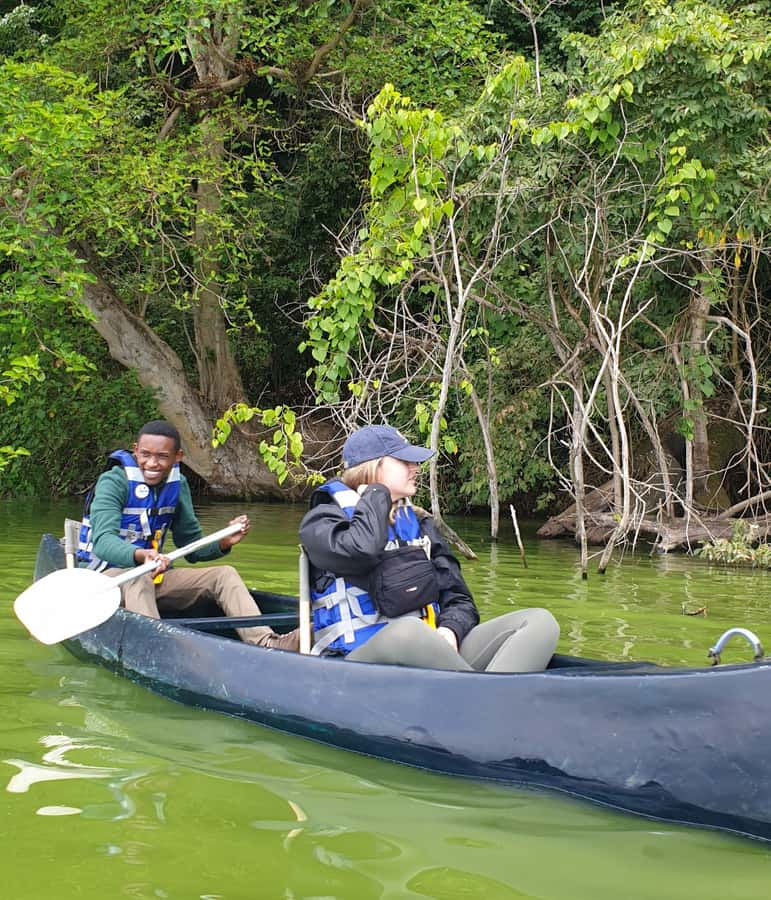
- Canoeing on Lake Duluti: Caldera-lake calm with frequent bird sightings and forest-edge wildlife.
- Birdwatching odds are strong: Lake Duluti has up to 130 recorded bird species.
- Mangalia Waterfalls swim: Cool mountain water is part of the payoff.
- Coffee farms + Chagga banana beer: You bike through real working farmland and stop for mbege.
- Lunch that isn’t just an afterthought: Food and drinks come with the trip.
- Timing works for a half-day: You’re usually done by mid-afternoon in the Tengeru/Arusha area.
Lake Duluti Canoe Time: Birds, Forest Edges, and That Quiet Water Feeling
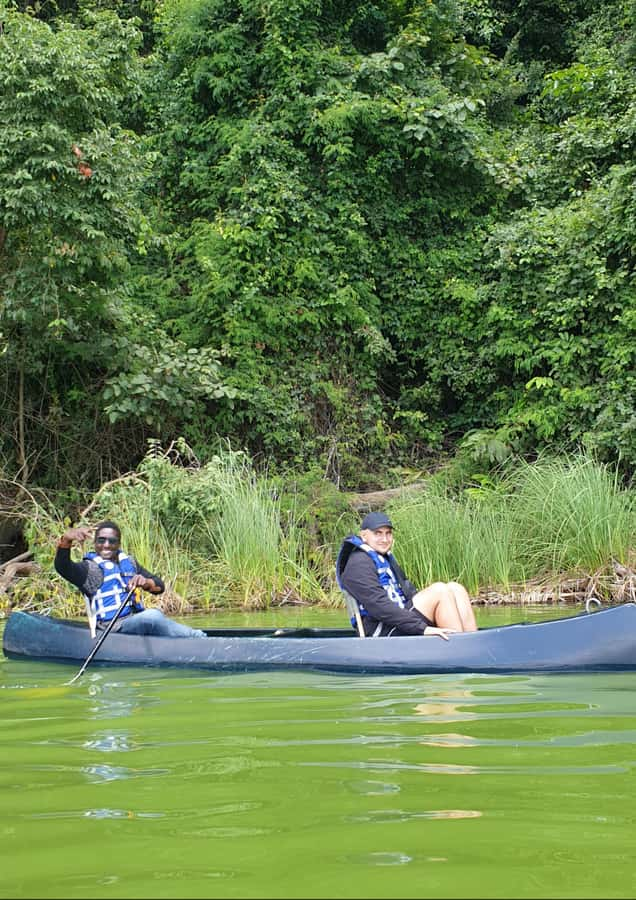
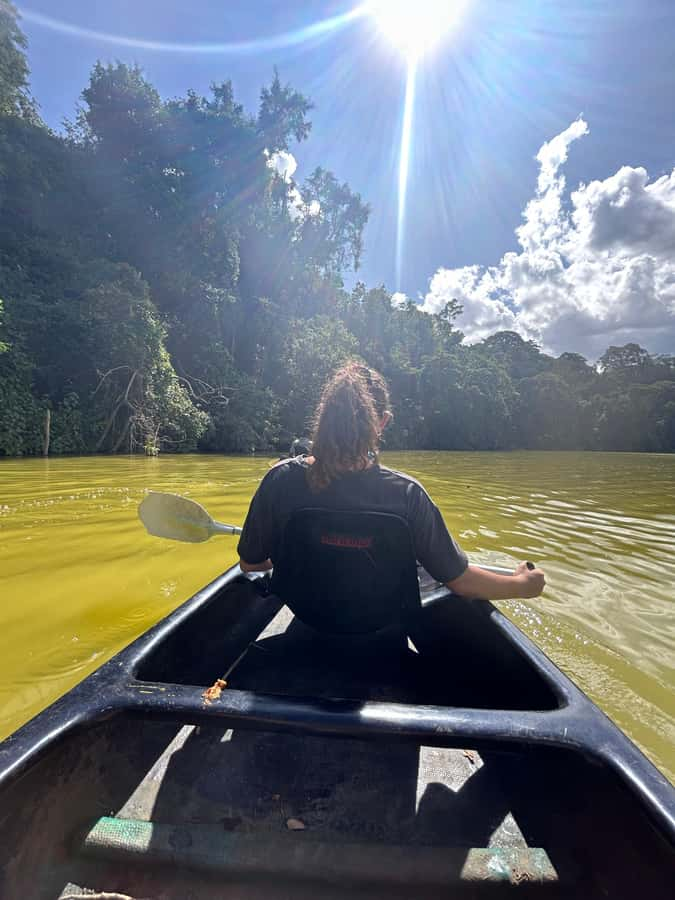
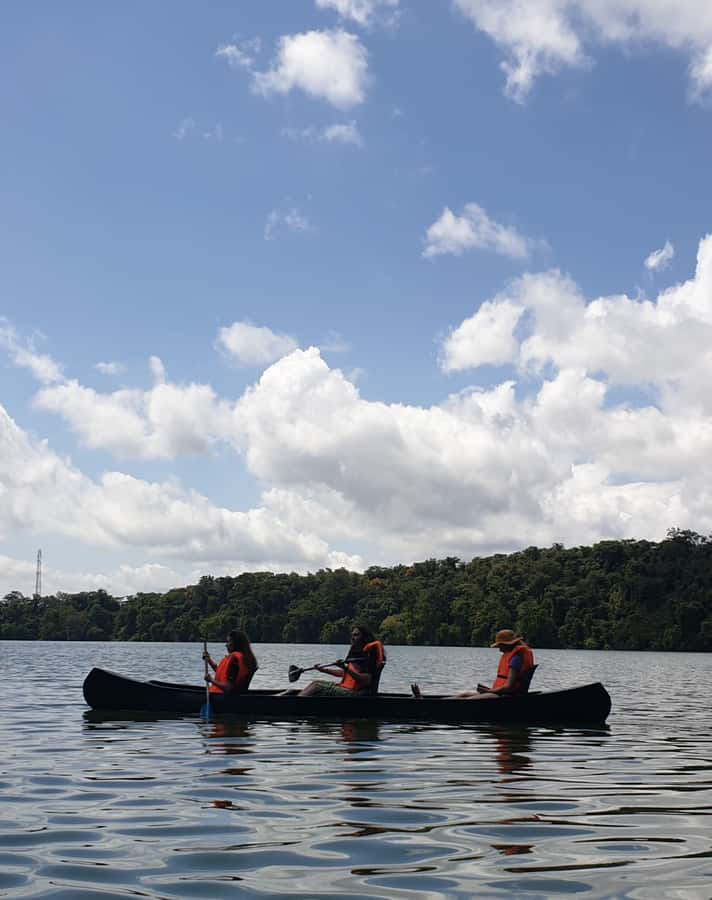
The day starts with about 1.5–2 hours on the water around Lake Duluti. This lake sits inside a caldera and feels tucked into a forest setting, so the mood is often slower than a typical “check a box” outing. The canoe lets you move through the scene without forcing it—less noise, more noticing.
Your guide uses the lake like a living classroom. If birds are your thing, you’re in the right place: Lake Duluti is known for up to 130 recorded bird species. Common sightings can include gray herons, fish eagles, cormorants, ospreys, egrets, and kingfishers. You might also spot monitor lizards basking along the broken-tree edges near the shoreline.
On very clear days, it’s possible to catch views of Mount Meru and Kilimanjaro from the area. Don’t count on it every time, but when it happens, it’s a great way to anchor what you’re seeing—water, birds, and big mountain scale all in one frame.
Practical note: canoeing time is where you’ll feel the calm. If you’re hoping to do a lot of cycling, this first segment is a nice balance—it gives your legs a break before the bike ride gets serious.
Cycling to Mangalia Waterfalls: Coffee Farms, Hills, and Road Bumps
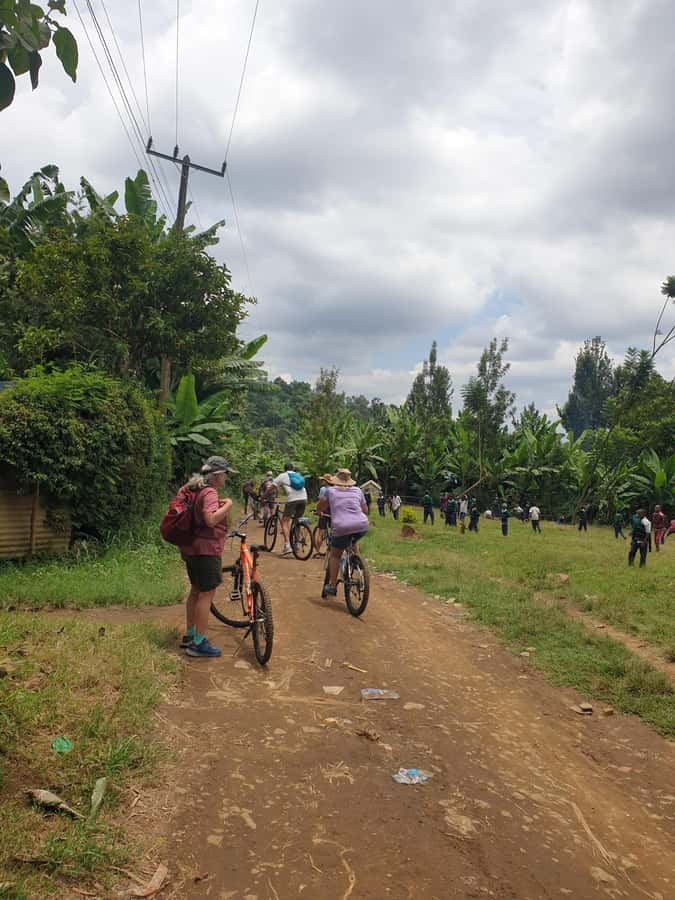
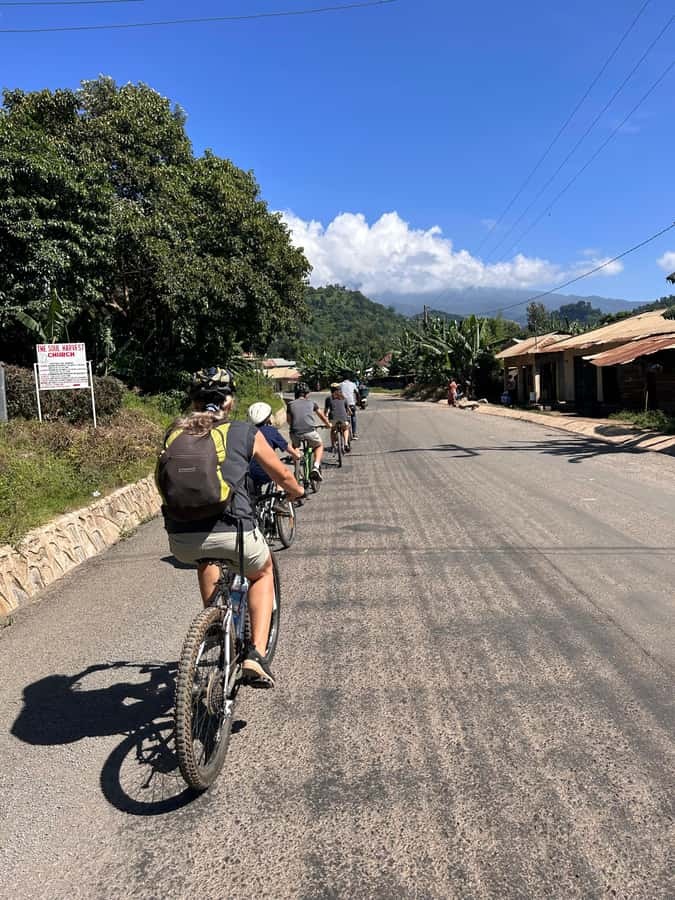
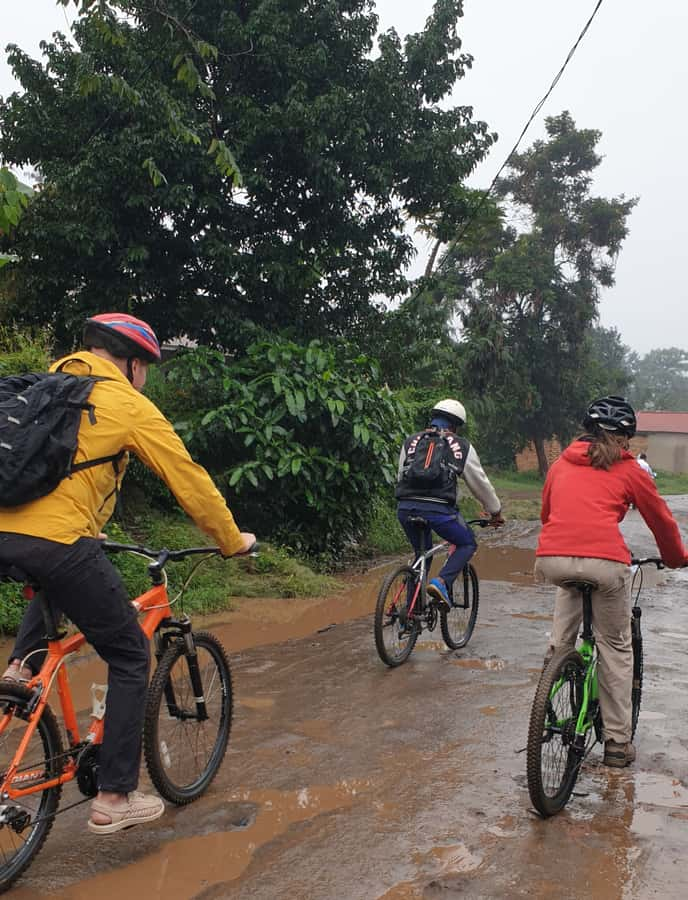
After the canoe, you switch gears and ride from the lake area toward Mangalia Waterfall. Expect roughly 3–5 hours total of cycling depending on the route and your pace, with the waterfall stop built in for a refreshing break. The ride is not all flat country lanes. You’ll likely deal with bumpy roads and a couple of big hills, so plan your energy accordingly.
What makes the cycling feel worth it is the texture of the area. This is not just a scenic shortcut; it’s an active rural route. You pass through coffee farms and other planted areas, which is where the day starts telling the story of how people make a living here.
There’s also an in-between rhythm: the ride is paced enough that you can look around, but it’s still a real workout. One reason this part gets high marks is that it doesn’t treat culture like scenery. You’re riding through the setting where everyday life happens.
A quick tip for your body
If you’re the type who gets grumpy during climbs, start the bike part with water and a steady effort. The payoff is at the waterfall, not at the highest point.
Mangalia Waterfall: The Swim Part and Why It Works
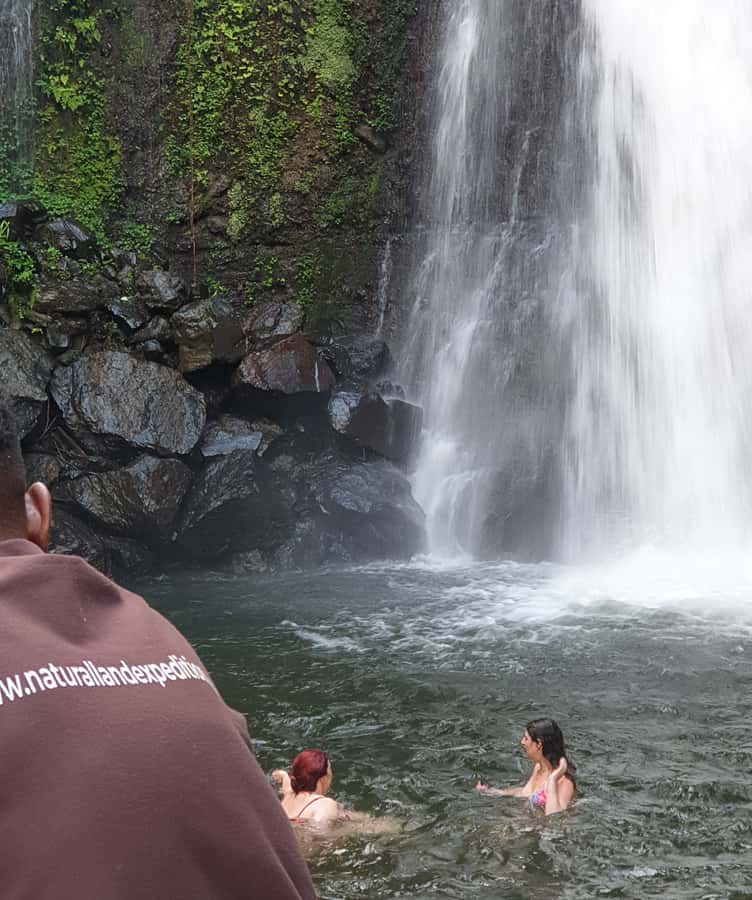
Mangalia Waterfall is the physical highlight and the mental reset. You’ll reach it after the cycling segment, and then you get time to enjoy the cool mountain-water swim. This is one of those moments that makes the earlier effort feel fair—canoe first, ride second, then a reward you can actually feel.
The waterfall is also a great “slow down” point. Instead of pushing through more activities, you can cool off, stand in the misty air, and just breathe for a while. It’s the kind of break that helps the rest of the afternoon feel easy rather than rushed.
If you don’t swim, you can still enjoy the setting, but most people come for the contrast: heat and effort from cycling, then a drop in temperature at the falls.
Chagga Culture Stop: Mbege Banana Beer and a Real Home-Brewery Moment
One of the most distinctive parts of this outing is the culture stop on the way to and/or from the waterfall route. You’ll pass through coffee farms and then visit a small home-brewery where they prepare mbege, a traditional banana beer associated with the Chagga people.
This is not a lecture in a classroom. It’s a stop that connects food, farming, and local taste. Even if you don’t consider yourself a beer person, the idea here is to understand the process and the role of banana-based drinks in daily life and hospitality.
A practical consideration: alcohol tastes can vary from person to person. Some people love it; some take a cautious sip and move on. If you care about having a specific drink experience, it helps to ask clearly when you arrive—what’s available right then, and what portion they offer.
Lunch Around 2–3pm: Local Food After Water and Wheels
After the waterfall, the day ends with lunch around 2–3pm, and then you’re dropped off around 3–4pm in the Tengeru area (with pickup and drop-off options including Arusha and Moshi).
The value here is that lunch isn’t a bland add-on. The trip includes food and drinks, and the lunch is served at a local place. One strong detail from the experience is the emphasis on making it filling after two physical segments: canoe time that often feels like relaxation, plus cycling that can feel like work.
If you’ve ever taken a half-day tour and found lunch was basically a snack, this one tends to feel more like a real meal. After the swim and the ride, that matters.
Price and Value: What $55 Gets You (and What You Should Expect)
At $55 per person, this tour is priced like an active day, not a simple sightseeing bus ride. That cost makes sense because you’re paying for multiple things in one package: hotel pickup and drop-off, a live English guide, entry and fees, plus food and drinks.
The best value angle is the mix of experiences:
- You get real water time (canoe/kayak-style outing on Lake Duluti).
- You get real cycling through agricultural land.
- You get the waterfall payoff and time to swim.
- You get cultural taste testing with mbege and a local lunch.
If your goal in Arusha is to get outside town and actually move through the region, $55 can feel like a fair deal. If you want mostly flat, low-effort sightseeing, you may feel the price more as a “sport day” than a “relaxing day.”
Logistics That Matter: Pickup, Drop-Off, and Timing You Can Plan Around
This trip runs about 4 to 10 hours depending on starting times and how the day shapes up. You’ll have two pickup options (Arusha or Moshi), and the tour can end with drop-off in either Arusha or Moshi. Most days, it finishes in the late afternoon around 3–4pm.
A couple of small-but-important details:
- The guide is English-speaking.
- A private group option is available if you prefer less sharing and more control over pace.
- Pickup is possible from your specified location, which can save you from extra taxi hops.
If you’re combining this with other activities in Arusha, it helps to treat it as your “main outdoor block” of the day. It’s easier to plan if you don’t stack too many things before and after.
Who This Tour Fits Best (and Who Should Reconsider)
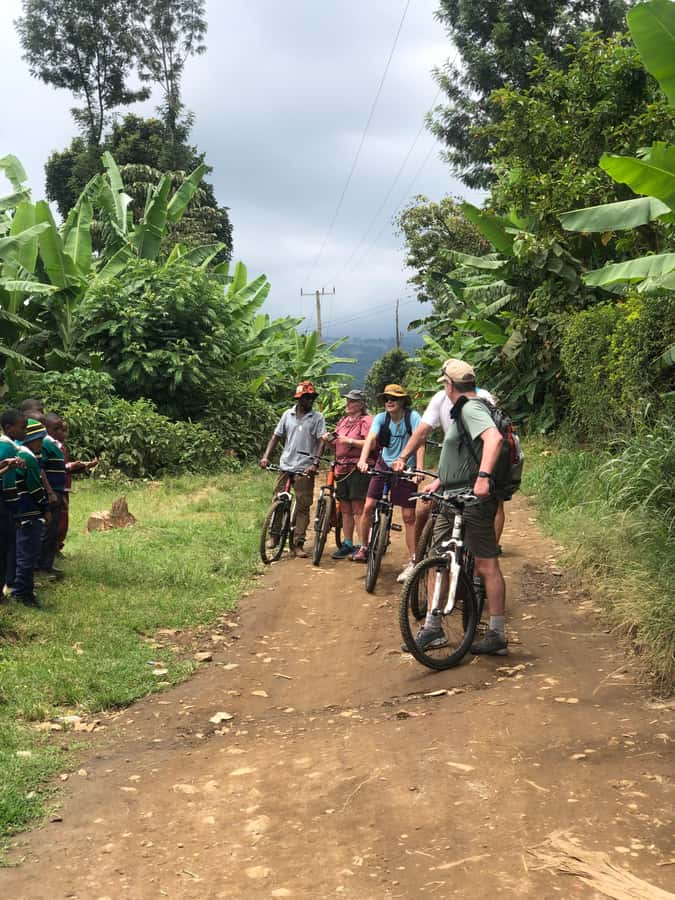
This is a strong match if you like nature with a purpose. You’ll enjoy it most if you care about birds, lakes, and rural life, and you’re happy to do some riding to get to the falls.
You’ll likely have a great time if you:
- want a bird-focused start at Lake Duluti
- enjoy countryside travel through coffee farms
- don’t mind bumpy roads and hills during the cycling segment
- want culture you can taste, like mbege banana beer
You might reconsider if you:
- need a low-effort day
- hate climbs or have knee/back limits
- expect everything to be perfectly smooth and easy
Also, a heads-up from real experience: bike condition can vary. One rider noted the bicycles felt a bit questionable for Africa-level roads. If you’re sensitive about gear quality, ask what the bike setup is like, and confirm you’re comfortable before setting off.
Should You Book This One?
I’d book it if you want an Arusha day that feels like you’re actually out in the region—water, birds, farm country, and a waterfall swim—without paying for four separate tours. The Lake Duluti canoe segment is the “slow start” that makes the cycling feel earned, and the Mangalia waterfall is the kind of finish that keeps the whole day from feeling like logistics.
I’d skip it if your priority is effortless sightseeing or you’re expecting a gentle ride the whole way. This tour is best when you see it as an active nature outing that also includes culture and a real meal.
If that sounds like your style, you’ll probably feel like $55 buys you a lot more than just time on a schedule.
FAQ
How long is the canoe and cycling part?
You start with a canoe trip of about 1.5–2 hours on Lake Duluti. Then you cycle toward Mangalia Waterfall for roughly 3–5 hours total, depending on the pace and route.
Can I swim at Mangalia Waterfall?
Yes. At Mangalia Waterfall, you can enjoy a refreshing swim in the cool mountain water.
What kind of wildlife and birds will I see at Lake Duluti?
Lake Duluti is known for up to 130 recorded bird species. You may spot gray herons, fish eagles, cormorants, ospreys, egrets, and kingfishers, and you might also see monitor lizards basking near the lake edge.
Will I get to experience local culture and food?
Yes. You’ll visit a small home-brewery to try mbege banana beer and the tour ends with local food for lunch (around 2–3pm).
Where does the tour pick up and drop off?
Pickup options include Arusha and Moshi. Drop-off options are also Arusha and Moshi, with the day typically ending around 3–4pm in the Tengeru area.
Is there an English-speaking guide?
Yes. The tour includes a live guide in English.
What’s included in the price?
The tour price includes hotel pickup and drop-off, a guide, entry and fees, and food & drinks.
Is a private group available?
Yes. Private group options are available if you want a more tailored experience.