REVIEW · BATTAMBANG
Battambang,Tuktuk and kayak, BambooTrain ,Wat Banan,Bat cave
Book on GetYourGuide →Operated by Battambang First Choi Tours · Bookable on GetYourGuide
A day like this makes Battambang countryside feel real, not staged; you glide by kayak on the Sangker River, then bounce on the famous bamboo train. I like how the route mixes working farmland and small villages with real temple stops, and I especially like the quiet, hands-on way the bamboo train ride works in practice. One thing to consider: a bunch of the big moments are paid as add-ons (bamboo train, kayak, temples, and the mountain rides), so the $11 base price can rise if you add everything.
The driving is done in a local tuk-tuk style, and your guide (often Pao) keeps the day grounded in community life rather than a shopping loop. You’ll also get a proper countryside pace: crops, bridges, and river life before you reach the temples and the evening bat spectacle.
In This Review
- What makes this tour worth your day
- Tuk-tuk + kayak: a smart way to see Battambang beyond town
- Meet Pao and the local rhythm of the day
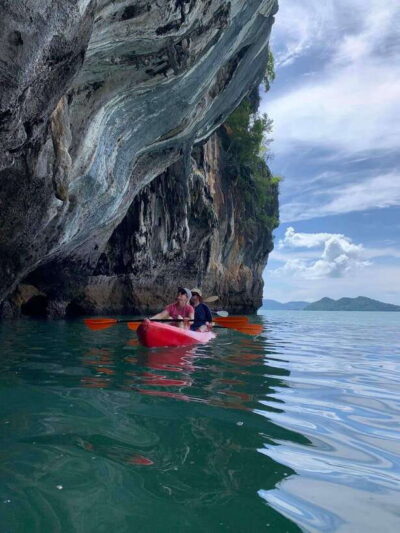
- Sangker River kayak: one hour of farms, fish farms, and bridges
- Bamboo Train: the bamboo raft, the one-track rule, and the real ride feel
- Wa Kor Village and the Swing Bridge: Khmer houses plus river connections
- Wat Banan on the mountain path: views without committing to the full climb
- Phnom Sampeau Mountain: skipping the hardest steps on purpose
- Bat Cave at dusk: timing your day for the big moment
- Price and value: what $11 really means once you add the key bits
- What you get in the base price
- What you pay separately for the big ticket experiences
- Practical tips so your day runs smoothly
- Should you book this Battambang countryside tour?
- FAQ
- What’s included in the $11 per person price?
- How much extra does the bamboo train cost?
- Is the kayak ride included?
- How much are Wat Banan and the caves?
- Do you climb all 800 steps on the mountain?
- What time does the full tour run?
- What should I bring or wear?
What makes this tour worth your day
Kayak on the Sangker with lush river scenery, fish farms, and suspension bridges
Bamboo train engineering made of bamboo, running on a single shared track
Wa Kor Cultural Village stop tied to Khmer traditional house life
Wat Banan views from a mountain-side temple setting
Bat Cave at dusk timed for the big bat-out moment
Tuk-tuk + kayak: a smart way to see Battambang beyond town
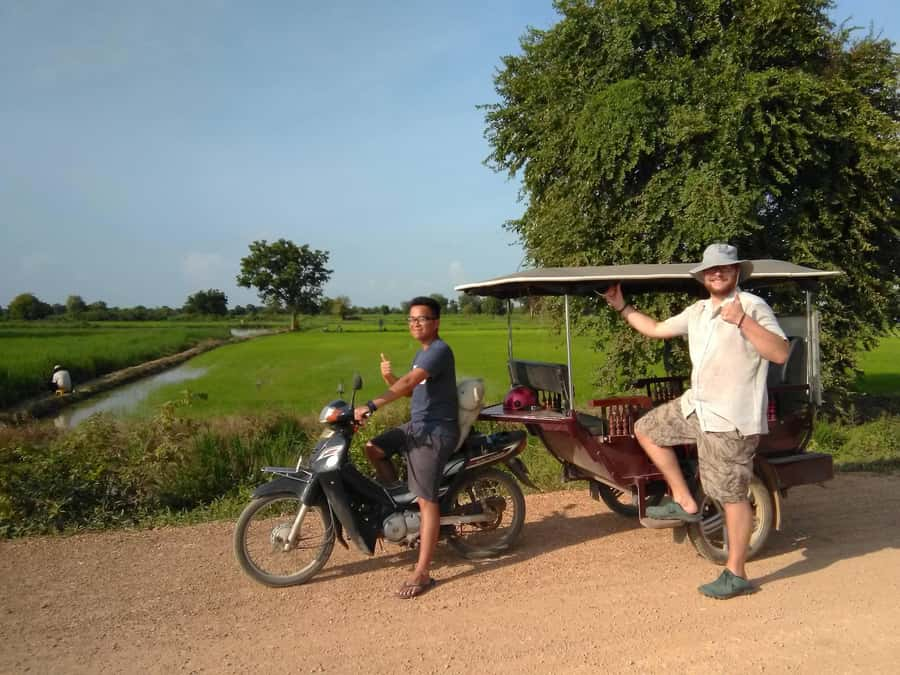
This is one of those days where the transportation is part of the experience. The tuk-tuk moves you between villages and viewpoints, while the kayak gives you a slower, lower-eye-level look at the river edge. You’re not just watching scenery from behind a windshield.
I like that the day starts with countryside first. You’ll get out to working areas—farms, fishing zones, and the kinds of bridges locals use—before the temple stops and mountain views. That order matters because it sets expectations: this tour is about everyday Battambang.
One practical note: the itinerary describes a full-day version that runs from around 9:00 AM to before sunset, ending about 7:30 PM. The exact duration can vary (the tour lists options from 4 to 12 hours), so check your start time when you book.
Meet Pao and the local rhythm of the day
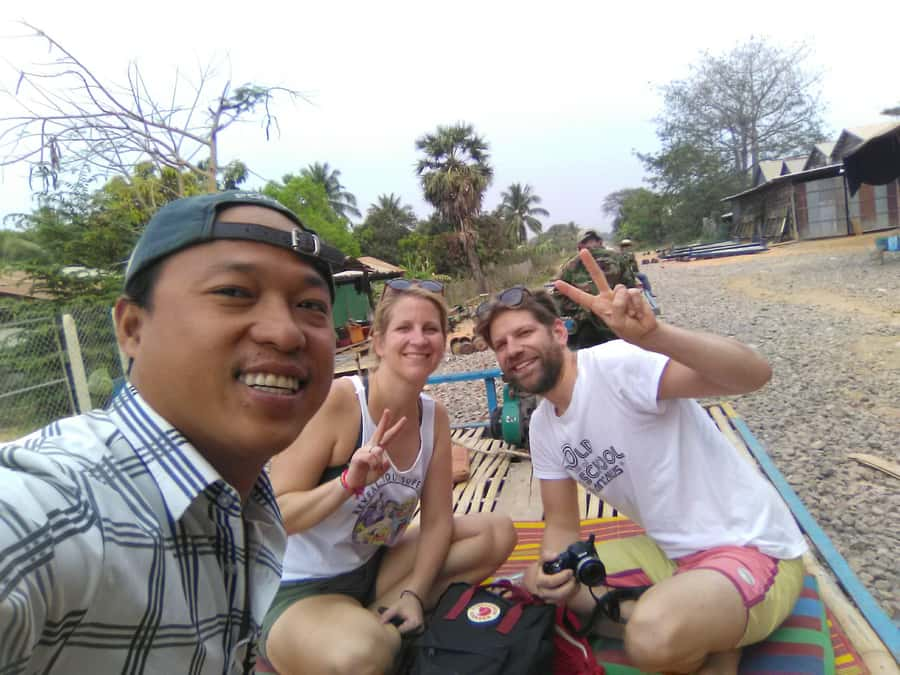
If your guide is Pao, you’re in good shape. The vibe is clearly built around him sharing real community context, not steering you through tourist traps. You’ll hear stories as you drive through villages and farms, and you’ll likely get a better sense of how people live here than you would from a quick stop-and-snap visit.
The route is guided in English and Thai. Even when English is more of a shared “tell the story” style (rather than a formal lecture), it helps that the stops are practical: bridges, fields, temples, caves, and then the bat cave at dusk.
Also, you’re traveling in a smaller, personal format: the tour includes a live guide and a tuk-tuk, plus hotel pickup and drop-off within the Battambang area.
Sangker River kayak: one hour of farms, fish farms, and bridges
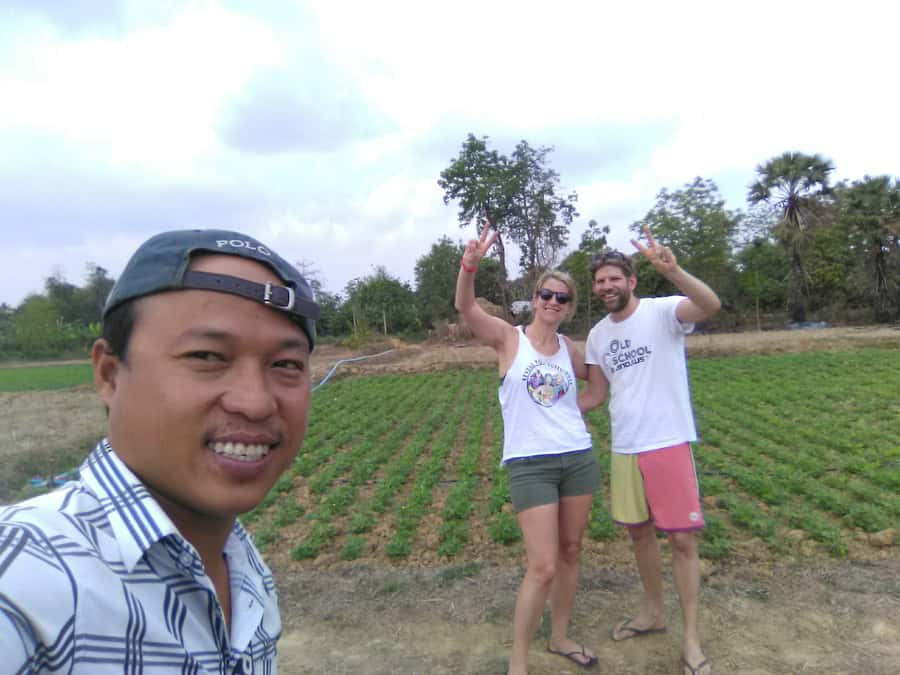
The day’s river time is a one-hour kayak ride along the Sangker River, done privately and slowly. The focus isn’t speed; it’s seeing what’s growing and working along the water.
Here’s what you can expect to spot during that hour:
- Crops such as long beans, corn, chilli, and peanuts
- A fishing village feel along the water
- Fish farms (the kind that make you rethink what “river scenery” means)
- Suspension bridges that connect how people and boats move
This is also where the tour earns its authenticity. You’re not in a river attraction designed for tourists; you’re in a working river corridor. The slower pace makes it easier to notice details—like how the land is planted right up to where daily life happens.
What to watch for: you’ll want comfortable shoes and clothes you don’t mind getting a little damp. The tour info doesn’t spell out kayak gear, so plan to wear something you can handle with common-sense river conditions. Bring a camera, but keep it protected.
Bamboo Train: the bamboo raft, the one-track rule, and the real ride feel
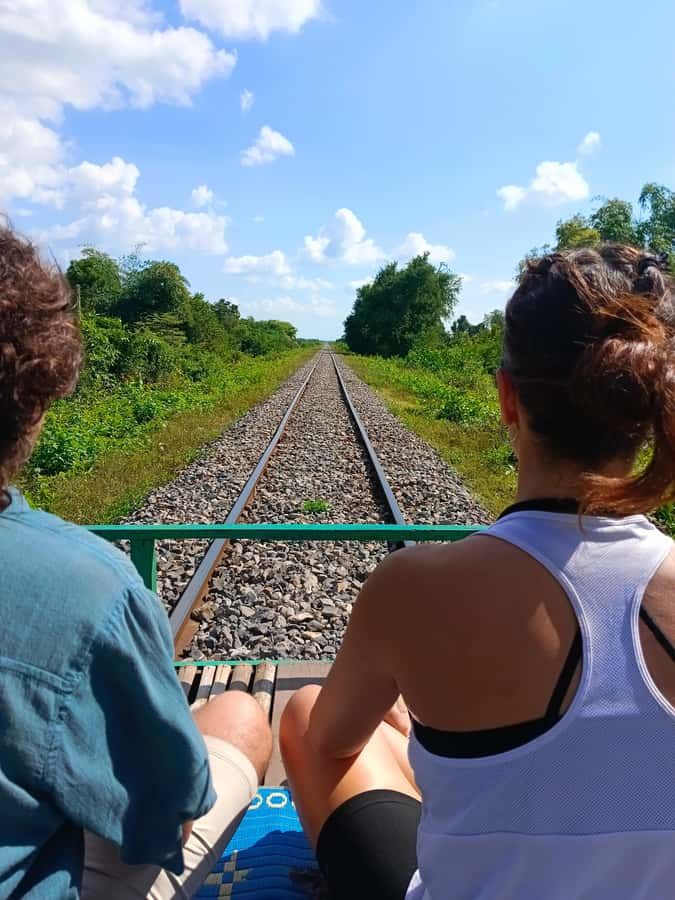
Next comes the bamboo train, one of Battambang’s most memorable quirks. The ride portion is listed as a one-hour countryside journey, and it’s based on a raft-like bamboo vehicle.
A few details are especially useful to know before you go:
- The device is described as 2.5 meters by 4 meters, bamboo-built and raft-like
- It’s used for local villagers to transport goods
- There’s only one track used for both directions
- When trains meet, the driver has to decide which one has the lighter load
That last point is the part people miss. This isn’t just a photo moment. It’s a working method. The way the ride runs can feel a little unpredictable—because it’s real logistics, not a staged attraction.
In the tour flow, this bamboo train stop also acts like a bridge between “river life” and “southern countryside.” You’ll pass through countryside scenes tied to local farming and fields, then continue on toward cultural and temple areas.
Budget reality check: bamboo train is not included in the base $11 price. The ticket is listed at $5 per adult, so factor that into your total.
Wa Kor Village and the Swing Bridge: Khmer houses plus river connections
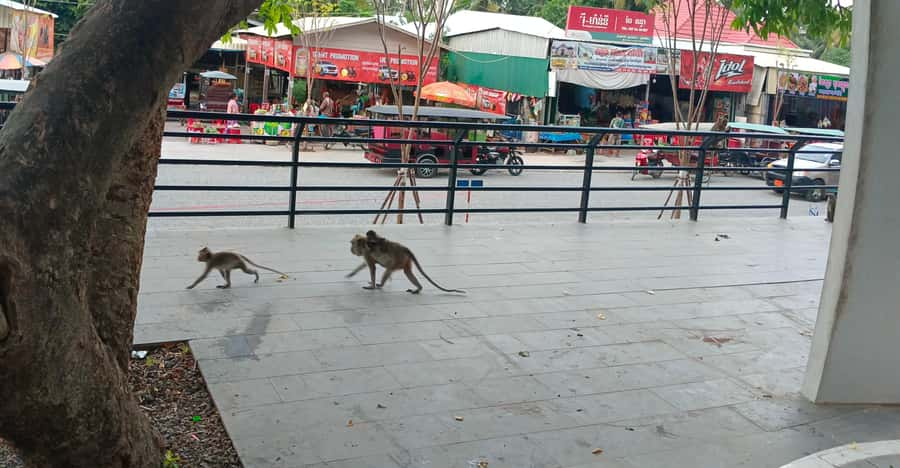
After the bamboo train, the route drives through southern Battambang areas toward a cultural village stop called Wa Kor Village (also described as “Cultural Village” and the homeland for many Khmer traditional houses).
This is a good moment to shift from “transport wow” to “living culture.” Instead of turning the day into a shop crawl, this part of the tour is positioned around traditional house life—things that usually get overlooked when you only do temple highlights in Cambodia.
Along the way, you’ll also pass by a Swing Bridge on the river. Even if you don’t walk onto it for long, the sight helps connect the earlier kayak time to how people cross and move through the same region.
One more small but interesting stop happens in this stretch: you may see fruit bats and a bat tree before you move toward the next temple area.
Wat Banan on the mountain path: views without committing to the full climb
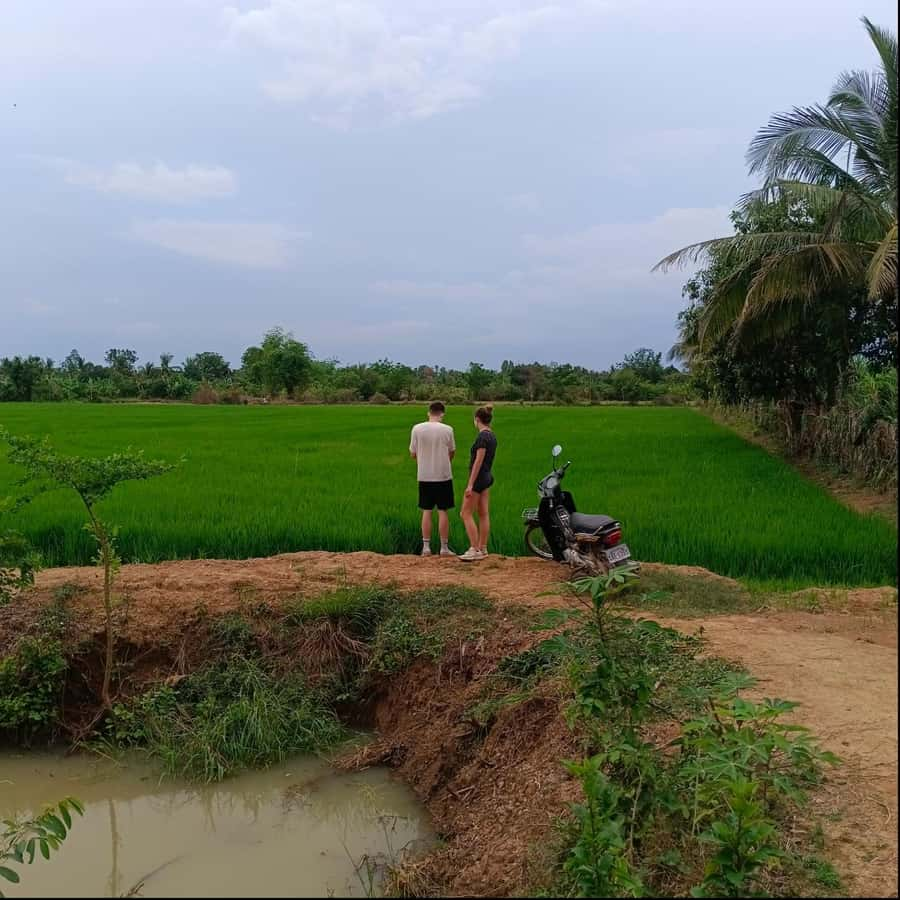
Wat Banan is reached as the path up the mountain reveals the temple in front of you, framed by surrounding scenery. The tour describes a “top of a mountain” feel here, and it’s paired with driving and short walking rather than a full trek.
This part of the day is also where you get a taste of why Battambang’s temples feel different from the usual “one hill, one temple” formula. The settings are close enough to combine viewpoints, caves, and evening bat life later on.
Good to know: the tour includes hiking and involves walking. Entrance fees for Wat Banan are listed separately at $2 per adult.
Phnom Sampeau Mountain: skipping the hardest steps on purpose
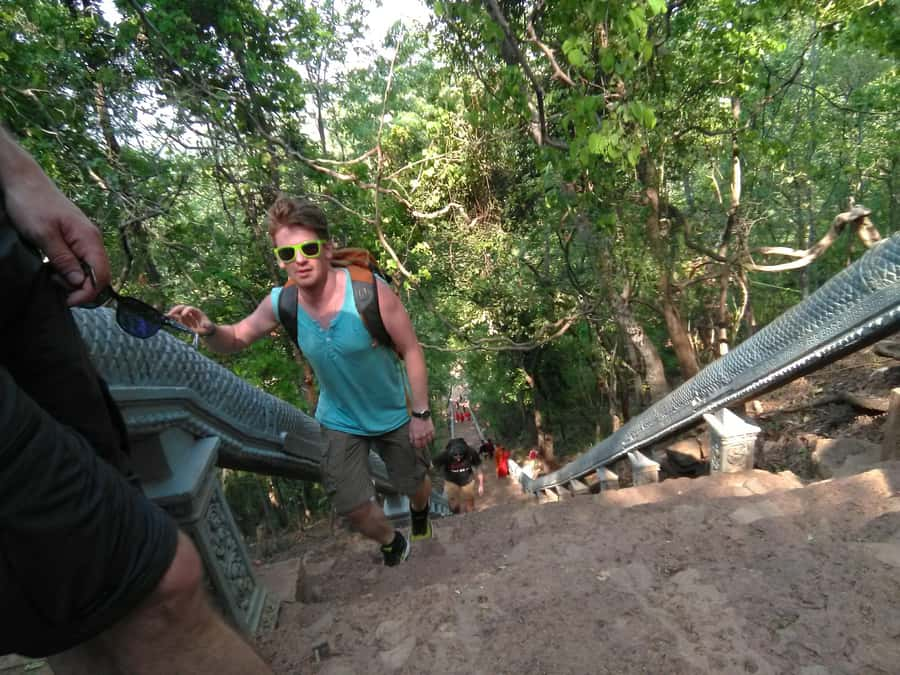
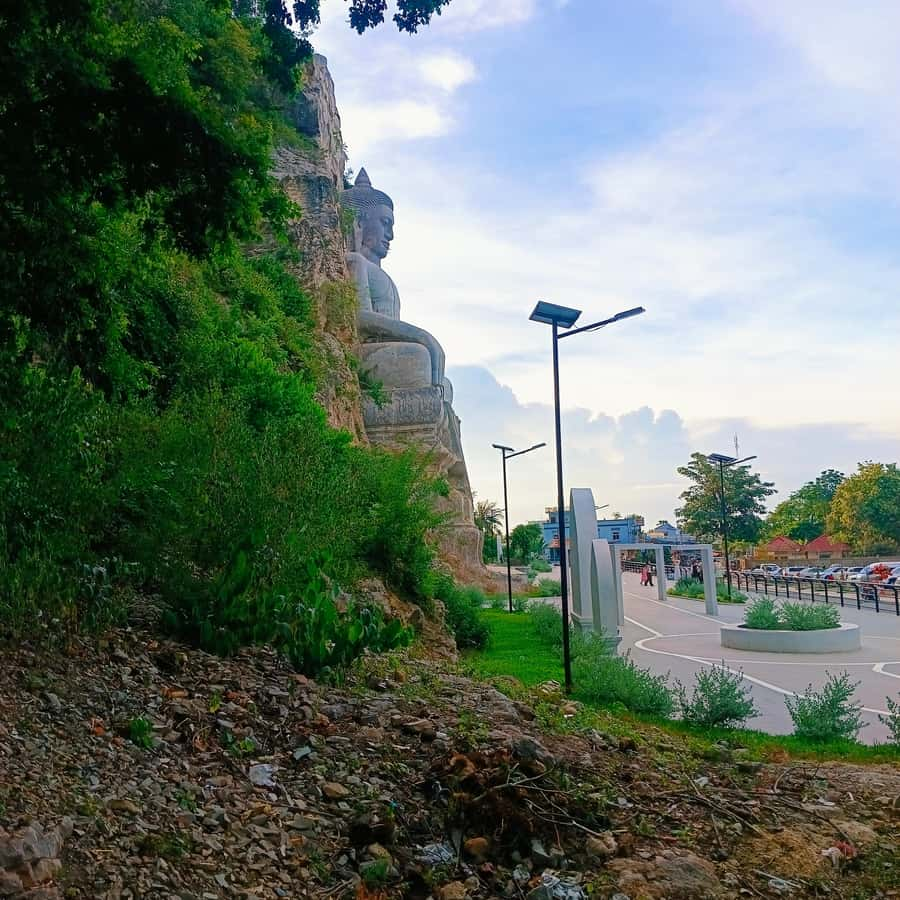
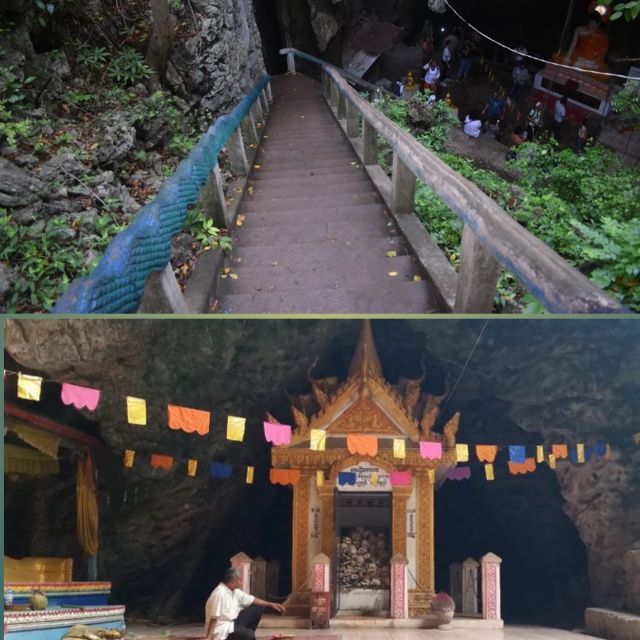
Battambang’s Phnom Sompov area is about a 140-meter-high mountain with 800 steps. That sounds intense—and it can be. The tour’s approach is practical: it avoids climbing the steps all the way up by taking a jeep or scooter up the first part of the mountain.
You’ll then visit Phnon Sampeau Temple, shrines, and the killing caves used during the Khmer Rouge period. This is heavier content, and you should treat it with respect and time. The tour doesn’t ask you to rush; it positions this as a stop where you can see the caves and the religious sites within the same mountain setting.
From there, you’ll also get the payoff: you’ll look over Battambang and take in the wider views.
Budget reality check: the jeep/scooter ride up is listed at $5 per adult, and the “killing cave & bat cave” entry is listed separately at $1 per adult.
Bat Cave at dusk: timing your day for the big moment
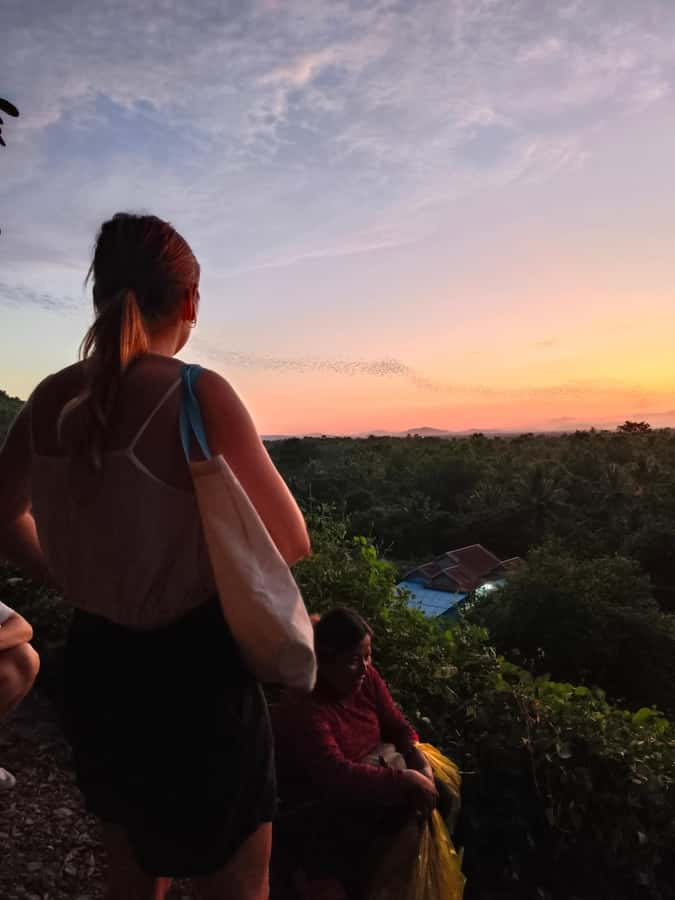
The day ends before sunset with the best timing of all: walking down the steps and visiting the Bat Cave at dusk.
The tour describes a dramatic scene: millions of bats flying out from the mountain-side caves around that time. This is why the day is structured as it is—river and bamboo in the earlier hours, then temples and mountain content, and finally the dusk event.
If you’ve ever been disappointed by late sunsets that don’t match the “when the bats fly” promise, you’ll appreciate that this tour explicitly builds the whole day around dusk. Still, dusk timing changes with season, so you’ll want to be flexible and listen to your guide as you head downhill.
What to wear: you’ll likely walk down steps after a full day. Comfortable shoes matter. If you want photos, you’ll also want to keep your camera ready without holding everything in a way that slows you down.
Price and value: what $11 really means once you add the key bits
The headline price is $11 per person, and that’s a real budget entry point. But here’s the honest picture of what’s included and what’s not.
What you get in the base price
The tour includes:
- Hotel pickup and drop-off in the Battambang area
- Live guide and tuk-tuk
- Cold bottle water
- Local fruit and vegetable tasting
- Countryside time
- Hiking mountain (walking components)
What you pay separately for the big ticket experiences
Not included:
- Bamboo train: $5 per adult
- Kayak/boat trip (1 hour): $8 per adult
- Wat Banan temple: $2
- Killing cave & bat cave: $1 per adult
- Jeep/scooter up the mountain: $5 per adult
- Entrance fees (general) and lunch
So if you do the full set, your out-of-pocket will go beyond the base $11. The upside is that you’re not paying for everything blindly at once—you’re paying for the specific experiences you want.
To judge value correctly, think in terms of the day’s range:
- You get river time (kayak)
- a unique bamboo train ride
- multiple temple and cave stops
- and the bat cave dusk payoff
For a countryside-heavy day that also includes guiding, pickup, and multiple paid attractions, it can still be good value—just don’t plan your budget on $11 alone. Bring a bit more cash than you think you’ll need.
Practical tips so your day runs smoothly
This tour has a few small rules that can save you stress later.
Bring: camera and cash (for paid items and entrance fees), plus comfortable shoes.
Wear: comfortable clothes you can walk in, and note that sleeveless shirts aren’t allowed.
Plan your pace: the day includes walking and steps, even if you use a scooter/jeep for the hardest climb.
You’ll also want to be ready for a long day outdoors. The order—river, bamboo train, villages and temples, then dusk—means you’ll be out for many hours. If you’re sensitive to heat or fatigue, start hydrating early (that cold water helps, but it won’t replace smart planning).
Finally, this tour is not suitable for wheelchairs and isn’t designed for people with mobility impairments. The mountain steps and walking downhill at dusk are part of the experience.
Should you book this Battambang countryside tour?
Book it if you want Battambang that feels lived-in. You’ll get a real mix of working farmland by river, a genuinely odd but fun transport experience on the bamboo train, and temples paired with caves and the bat cave at dusk. If you care about authenticity and not just checklist tourism, this tour’s pacing fits.
Skip it or choose a shorter option if you know you’ll struggle with walking and steps, or if you’d rather avoid paying several add-on fees for the main highlights. Also, if you prefer super formal guided history throughout, this is more of a story-and-scenery day than a classroom one.
If you’re staying in Battambang town and you want one well-packed day that actually changes how you see the countryside, this is a strong choice.
FAQ
What’s included in the $11 per person price?
The base price includes hotel pickup and drop-off in the Battambang area, a live guide and tuk-tuk, cold bottle water, local fruit and vegetable tasting, countryside time, and hiking on the mountain.
How much extra does the bamboo train cost?
The bamboo train ticket is listed at $5 per adult and is not included in the base price.
Is the kayak ride included?
No. The kayak/boat trip for 1 hour is listed at $8 per adult and is not included.
How much are Wat Banan and the caves?
Wat Banan temple is listed at $2 per adult. The killing caves and bat cave entry is listed at $1 per adult.
Do you climb all 800 steps on the mountain?
No. The tour says it avoids climbing the steps up and instead takes a jeep or scooter for the first part. You will still walk down the steps later in the day.
What time does the full tour run?
The described full day starts with pickup around 9:00 AM and ends around 7:30 PM in Battambang town.
What should I bring or wear?
Bring comfortable shoes, a camera, and cash. Sleeveless shirts are not allowed.