REVIEW · BRADENTON FLORIDA
Bradenton: Anna Maria Island Guided Kayaking Manatee Tour
Book on GetYourGuide →Operated by Florida Blue Adventures · Bookable on GetYourGuide
Manatees float by, right beside your kayak. This Bradenton and Anna Maria Island kayaking tour is built for an up-close look at wild manatees in their natural waters, guided by people who actually run manatee trips. You paddle in Florida’s coastal scenery while your guide explains behavior, ecology, and conservation, plus local area context as you go.
What I really like is how practical it feels on the water: you get sit-on-top kayaks plus coaching so you’re not just flailing for two hours. You also leave with photos and videos your guide captures during the trip, which is a nice perk when the best animal moments happen faster than your camera app can load. One consideration: manatee sightings are never guaranteed, especially in cooler months when they can be harder to spot—on those days you’ll want to be happy with other marine wildlife.
In This Review
- Key highlights I’d plan around
- Why Anna Maria Island and Bradenton works so well for a manatee kayak tour
- Tandem sit-on-top kayaks, fitting gear, and getting comfortable fast
- The first paddle: instruction that actually helps once you’re on the water
- Beaches and sandbars: where the tour turns from paddling into real exploring
- Manatees: the good news, the reality check, and how to spot them respectfully
- Wildlife bonuses beyond manatees (because Florida loves a surprise)
- Beer Can Island, Robinson Preserve, and other route flavors you can prepare for
- Photos and videos: why that’s more useful than you think
- How the 2-hour timing fits a real vacation day
- Price and value: is $55 fair for what you get?
- Who should book this tour, and who should skip it
- What to bring and how to set yourself up for a great paddle
- FAQ
- How long is the Bradenton: Anna Maria Island guided kayaking manatee tour?
- What’s included with the tour price?
- Do you provide tandem kayaks?
- Is it only for manatees, or can I see other animals too?
- Who is the tour not suitable for?
- Can I cancel and get a refund?
- Should you book this Anna Maria Island manatee kayaking tour?
Key highlights I’d plan around
- Eco-guide focus on manatees and conservation, with real-world behavior tips so you watch responsibly
- Sit-on-top kayaks that are easy to get in and out of, plus instruction before you push off
- Guide-captured photos/videos, so you can stay present instead of constantly filming
- Beaches, sandbars, and calm areas where you may spot manatees and lots of other sea life
- Tandem kayaks as the default, with solo riders accommodated when group math requires it
Why Anna Maria Island and Bradenton works so well for a manatee kayak tour
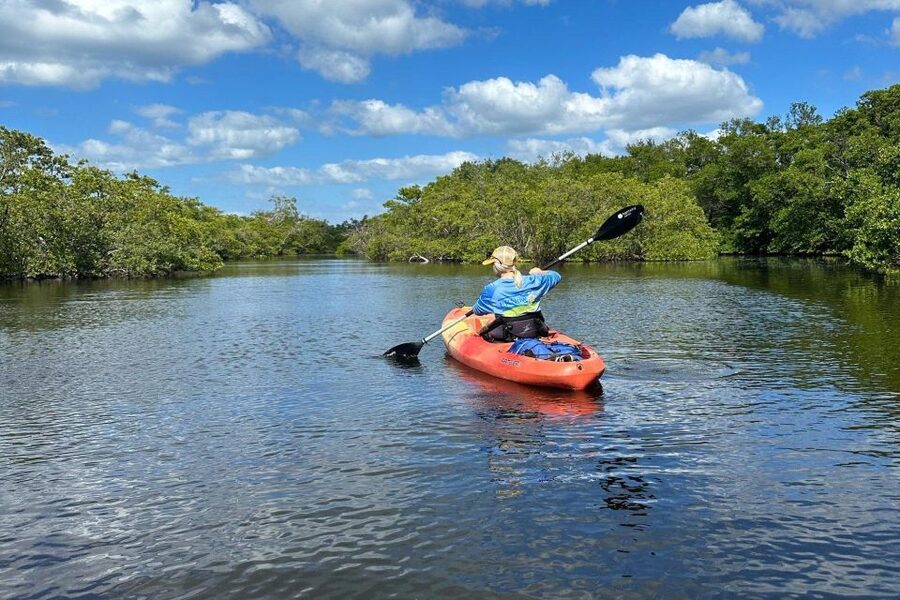
This area is a strong match for kayaking because it’s all about shallow coastal access and protected-feeling water routes. You’re not stuck staring at open ocean from the shore. Instead, you glide along the kind of bays and nearby beach zones where manatees may appear—plus where other animals show up when conditions are right.
The best part is how the tour treats spotting like a skill, not a lottery. Your guide will be watching for signs of wildlife and pacing the group so you’re not constantly rushing. You also get explanations along the way about what you’re seeing and why it matters, from how manatees behave to why conservation efforts protect them.
You can also read our reviews of more tours and experiences in Bradenton Florida.
Tandem sit-on-top kayaks, fitting gear, and getting comfortable fast
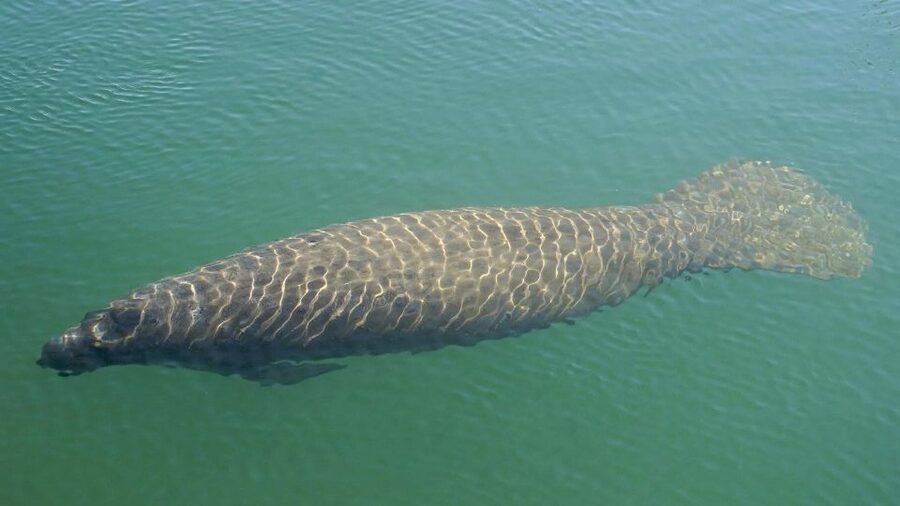
You’ll paddle in tandem kayaks for the tour (front and back seats). If you’re a solo customer or your group has an odd number of people, they’ll set up one single kayak to accommodate you. That matters because it affects your comfort level right away: tandem means you’ll coordinate with your partner, and that’s easier when the guide sets you up well at the start.
Sit-on-top kayaks are a big deal for first-timers. You’re not sealed in like a cockpit, so getting balanced, taking a quick look around, and handling small moments (like stepping out to check something) feels much less intimidating. Several guides mentioned in real trips—Ben, Tommy, Kinsey, Nick, Jonah, and others—also focused on helping people stay steady and paddling smoothly, especially when someone was new or needed a little extra time.
Also keep an eye out for the small “tour survival” details guides are known for: water-safe storage bags and bottled water came up in the experience stories. Those are the kinds of extras that keep a two-hour paddle from turning into a frantic scramble.
The first paddle: instruction that actually helps once you’re on the water
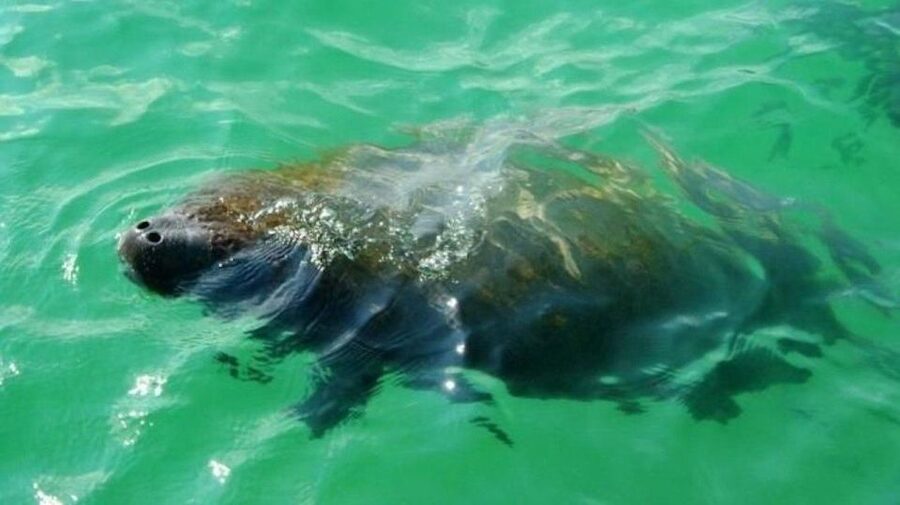
Before you go far, you’ll get kayaking instruction. I like that approach for this specific tour because you’re trying to watch animals. If you spend the first 30 minutes learning stroke timing and how to turn, you’ll miss the calmer, quieter moments when wildlife might be nearby.
Expect the guides to keep the group together and offer corrections when needed. In multiple cases, guides checked in on paddling progress and adjusted support as people settled in. That’s especially helpful when your route includes slow glides and occasional stops, where good control beats speed.
And yes, you should also plan for Florida weather. Even when the air feels fine on shore, you’re out on open water under direct sun. Shorts-and-sunscreen is the usual formula, but water time means you’ll feel heat fast. Bring what you need to stay comfortable for the full 2-hour window.
Beaches and sandbars: where the tour turns from paddling into real exploring
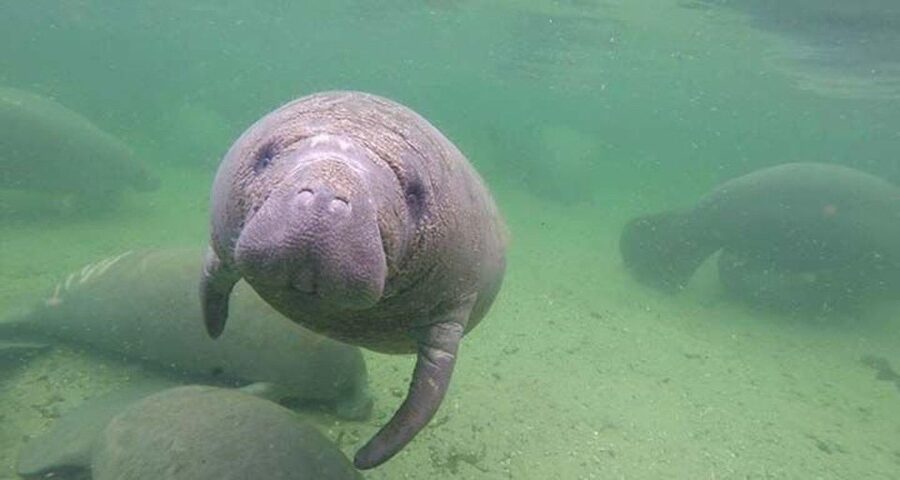
A core part of this experience is getting out at beach areas and sandbars. That’s where you get the pause that makes kayaking feel worth it beyond just exercise. When you step onto sandbars, your viewpoint changes instantly, and so does the way wildlife reveals itself.
In practice, this is also where guides make the trip feel personal. You’ll get info on wildlife and sometimes a quick scouting rhythm—watch, point, adjust, then move when it’s safe. Guides like Ben and Tommy have been noted for being patient and for helping everyone feel comfortable, which matters when you’re doing something new and sharing space with other kayakers.
One practical drawback: sandbar and beach time depends on conditions. If wind or weather pushes things around, the launch area and route may shift. Some tours have moved to places like Robinson Preserve when conditions demanded it. You don’t need to worry about this as a visitor—just go with the flow and let the guide run the plan.
Manatees: the good news, the reality check, and how to spot them respectfully
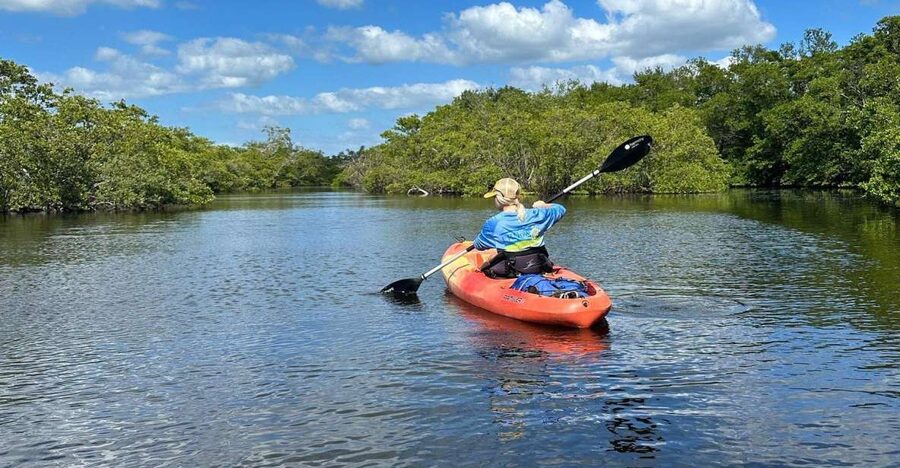
This is a manatee tour, but it’s not a guarantee machine. Manatees can be hiding, and seasonal water temperature can affect how likely you are to spot them. In cooler times, you may see fewer or no manatees, even if the guides do everything right. When that happens, the trip still stays worth it because your guide will pivot to wildlife and keep you exploring the water and shoreline areas.
I also like that the guides emphasize respecting privacy. That means you don’t crowd animals or treat them like a theme park display. Instead, you watch from a distance that lets manatees behave naturally. Guides have specifically taught groups how to watch without interfering, which is the right mindset—both for ethics and for your own viewing chances.
Sometimes, the guides take extra steps to maximize your experience. Several accounts describe staying with sightings longer when animals are active, including time additions to watch manatees when conditions were good. And in at least some cases, an owner or guide arranged an additional meet-up at a nearby spot to increase the chance of seeing manatees when the original outing didn’t produce them. That kind of flexibility is a real value add.
Wildlife bonuses beyond manatees (because Florida loves a surprise)
Even when manatees don’t show up right away, this tour can still deliver big wildlife moments. People have reported seeing dolphins, horseshoe crabs, hermit crabs, seabirds, and other sea life. A shark sighting came up too, showing that you may get more than just the “main character.”
You also might notice how guides spot animals differently than most people would. They’ll show you what to look for, then help you adjust position without panicking the group. Some guides even got into the water to point out creatures and help show what’s happening underwater. That’s not something you should expect every time, but it’s evidence of a guide team that’s willing to do real work to help you see.
And the bonus isn’t only animals. One guide was described picking up debris in a mangrove canal area—small conservation actions that remind you this is an ecosystem tour, not just an animal-watching trip.
Beer Can Island, Robinson Preserve, and other route flavors you can prepare for
The tour’s core setting is the waters around Anna Maria Island and Bradenton, but the exact route feel can change based on conditions. Some experiences have included stops tied to spots like Beer Can Island, and others have shifted to areas such as Robinson Preserve when wind affected the plan.
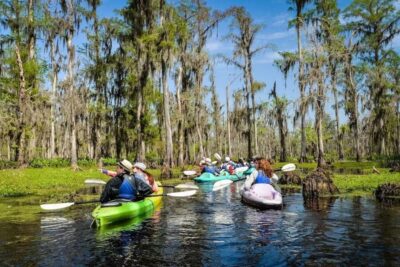
What you should take from that: this tour is designed to stay on the water as long as it’s safe and fun. That’s good. It also means you’ll enjoy it more if you think like a kayaker instead of a checklist tourist. You’re going out to move through coastal habitats—mangroves, sandbars, and shallow zones—while the guide manages the route.
Photos and videos: why that’s more useful than you think
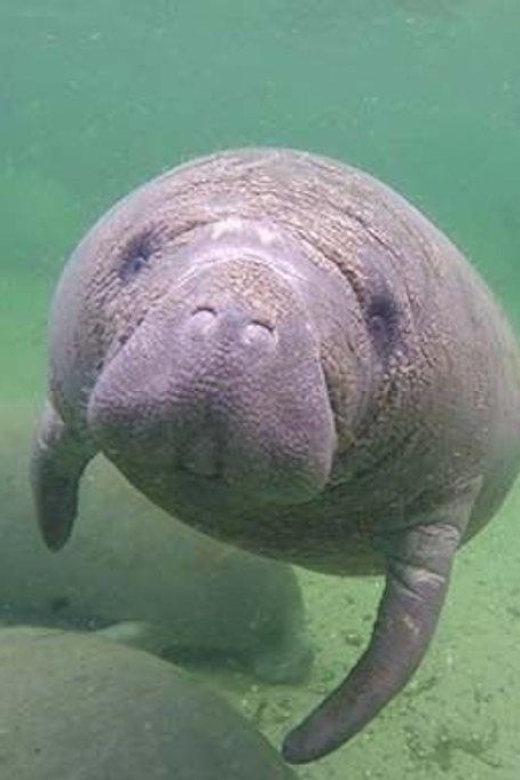
A guide taking photos and videos might sound like a gimmick, but on the water it’s practical. Animals don’t wait for you to line up a shot. Meanwhile, if you’re paddling and balancing, your phone is often the wrong tool at the wrong time.
The tour includes guide-captured photos and videos. That means you can focus on listening and paddling while still getting keepsakes. It also helps when manatees do show up briefly—something you’ll be happy to have documented when you’re back on land.
How the 2-hour timing fits a real vacation day
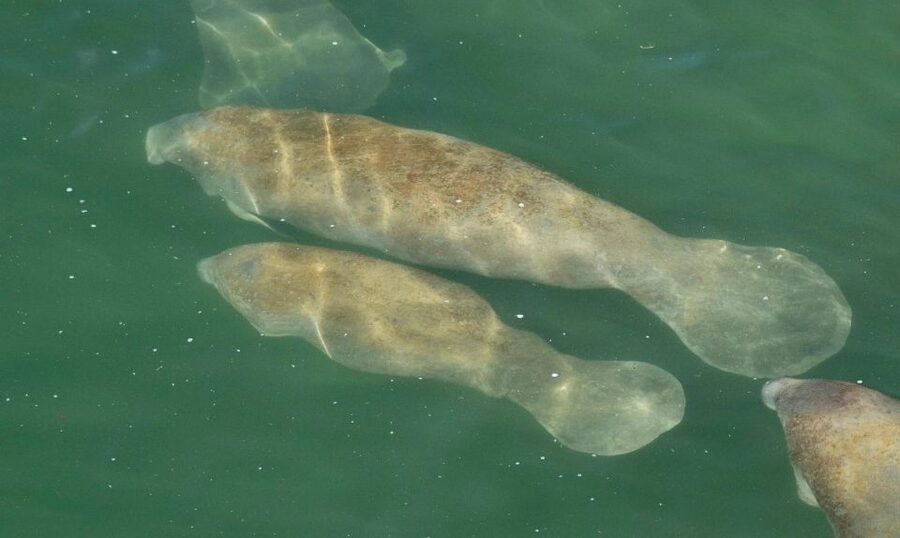
Two hours is the sweet spot for a kayaking tour with wildlife focus. It’s long enough to feel like you went somewhere, but short enough that you won’t drain your whole day planning recovery naps and laundry.
You’ll spend time gearing up, getting instruction, paddling to your viewing areas, and enjoying shoreline moments like sandbars. If you’re the type who hates long tours that run late and stretch your energy thin, this duration is a big plus.
You also get a clearer decision point afterward. If you’ve got energy, you can keep exploring Bradenton or Anna Maria Island on your own. If you’re sun-kissed and tired, you’ll still feel like you did something memorable without losing the rest of the afternoon.
Price and value: is $55 fair for what you get?
At $55 per person for a 2-hour guided tour, the value comes from what’s included. You’re not just buying access to a kayak. You’re paying for:
- An eco-tour guide focused on manatees and local wildlife
- Instruction so you can actually paddle and handle the kayak safely
- Sit-on-top kayaking gear
- Wildlife and area information
- Photos/videos taken during the tour
If you compare that to the typical cost of kayak rental plus a guide (and then factor in the instruction time), $55 starts to look like a deal. You’re also paying for a guide team that stays engaged—people described guides as friendly, patient, and proactive about helping the group see as much as possible.
One more subtle value point: the tour helps you watch better. When you know what behaviors to look for, you enjoy the water more even if the manatees are off-screen.
Who should book this tour, and who should skip it
This tour fits best if you’re comfortable with moderate effort and you want a nature-and-animals experience that still feels beginner-friendly.
It is not suitable for:
- Children under 5
- People with back problems
- People with heart problems
If you’re new to kayaking, you’ll likely appreciate the coaching and the sit-on-top style. If you’re prone to anxiety in open water, you’ll probably find the guide support reassuring because groups are helped with paddling adjustments and comfort.
Also consider season. In cooler months, manatees may be less likely to show. That doesn’t make the tour bad—it just changes what you’re hoping to see. If your mindset is flexible and you genuinely like wildlife, you’ll still have a strong time.
What to bring and how to set yourself up for a great paddle
For a smooth day on the water, aim for comfort and easy movement. I’d bring sunscreen and wear light clothing you don’t mind getting damp. Sunglasses with a strap can help if you’re prone to shifting your gaze a lot while scanning the water.
You’ll also want to protect your phone, since you’ll be paddling and looking around. Since the tour includes gear and guides often use water-safe storage options, you’re not on your own—but it’s still smart to assume everything can get splashed.
Finally, bring a calm attention span. When wildlife appears, it’s quick. The best view often comes from slowing down, listening to the guide, and letting your kayak settle.
FAQ
How long is the Bradenton: Anna Maria Island guided kayaking manatee tour?
The tour lasts 2 hours.
What’s included with the tour price?
You get an eco-tour guide, kayaking instruction, sit-on-top kayaks and gear, area wildlife and history information, and photos/videos taken by your guide.
Do you provide tandem kayaks?
Yes. Tandem kayaks are used, but if there is a solo customer or an odd-numbered group, they will set up one single kayak to accommodate.
Is it only for manatees, or can I see other animals too?
The tour is focused on manatees, but you may also spot other sea life and wildlife depending on conditions.
Who is the tour not suitable for?
It is not suitable for children under 5, people with back problems, or people with heart problems.
Can I cancel and get a refund?
Yes. You can cancel up to 24 hours in advance for a full refund.
Should you book this Anna Maria Island manatee kayaking tour?
If you want a guided way to explore the coastal waters near Anna Maria Island and Bradenton while learning how to watch manatees responsibly, this is a great choice. I’d especially recommend it if you like the idea of photos/videos included and you want instruction that helps you enjoy paddling right away.
The only real reason to hesitate is if you absolutely need manatees in every scenario. In cooler or less cooperative conditions, you might not see them, and the day becomes about other wildlife and the overall kayaking experience. If you can roll with that (and you enjoy sea life as a whole), you’ll likely come back happy—and with proof you were out there.