REVIEW · DIANI BEACH
Diani Beach: Kongo River Sunset Experience in a canoe
Book on GetYourGuide →Operated by Kaaribu Experiences · Bookable on GetYourGuide
Watch the sun drop as you glide. This is a non-motorized canoe sunset trip from Diani’s north end, where you pass mangroves and palm trees while heading toward the Kongo Mosque area, with the captain rowing and sharing what you’re seeing. On my favorite part, I really liked how quiet it feels once you’re on the water, and how the guide and captain make the trip feel personal rather than just sightseeing.
I also love the bird angle here. The river is a feeding route for 30+ bird species, so even if you’re not a hardcore birder, you’ll get plenty of chances to spot movement, listen closely, and ask questions. One consideration: it’s only 65 minutes, so you’ll want to arrive ready to enjoy the full arc of sunset fast—this isn’t the long, slow “hangout all evening” kind of outing.
In This Review
- Quick hits
- Why this Diani-to-Kongo sunset works so well
- Finding the meeting point at Mashariki Breeze (and getting to the river)
- The Kongo Mosque stop: why a short visit matters
- Boarding the traditional canoe: what human power feels like
- Mangroves and palms: the calm part you’ll remember
- Bird watching on the Kongo River: more than spotting something
- Sunset photography: how to get good shots without turning it into a chore
- Guided experience and small-group feel: hearing matters
- Price and value: is $32 per person worth it?
- What to bring, what to expect, and who should go
- Should you book the Diani Beach Kongo River sunset canoe?
- FAQ
- How long is the canoe sunset experience?
- Where does the tour start?
- How much does it cost?
- Is pickup and drop-off included?
- Is the canoe motorized?
- Is there a guide, and what language is used?
- What’s not included in the price?
- Is it wheelchair accessible or suitable for babies?
Quick hits
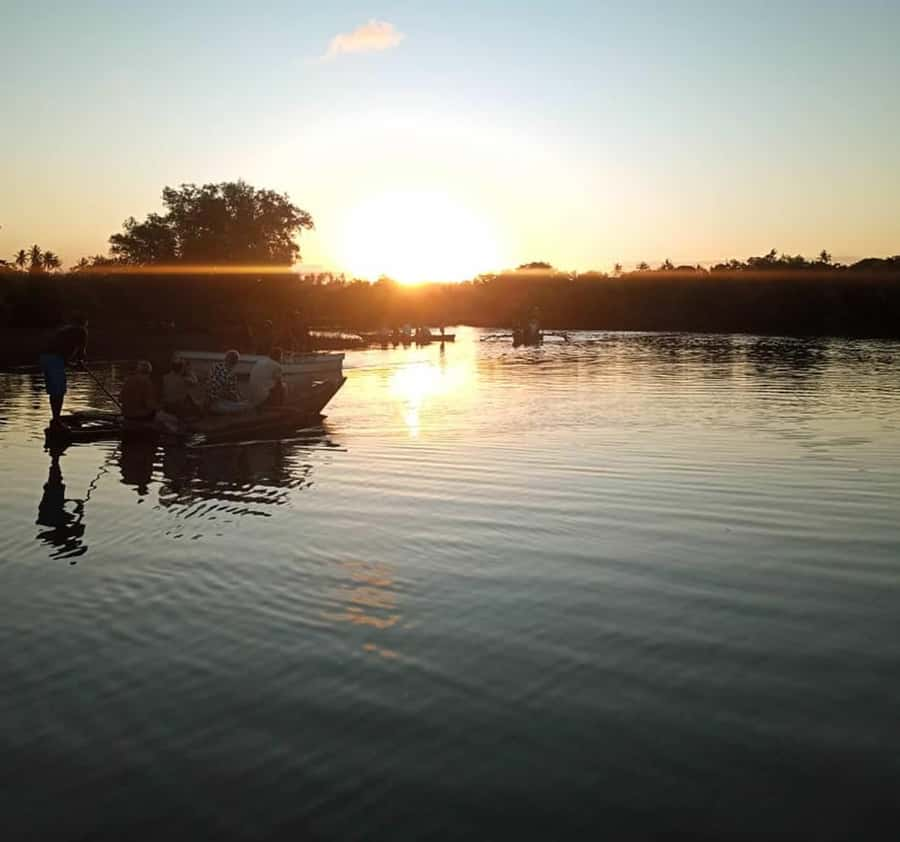
- Human-powered canoe: no engine noise or fumes, just the captain’s steady rowing
- Kongo Mosque stop: you start with a visit tied to local place and meaning
- Mangroves and palms: shaded water edges that make the light feel softer
- Bird watching built in: over 30 species use this estuary corridor
- Small group (max 10): easier to hear the guide and move around on pickup
Why this Diani-to-Kongo sunset works so well
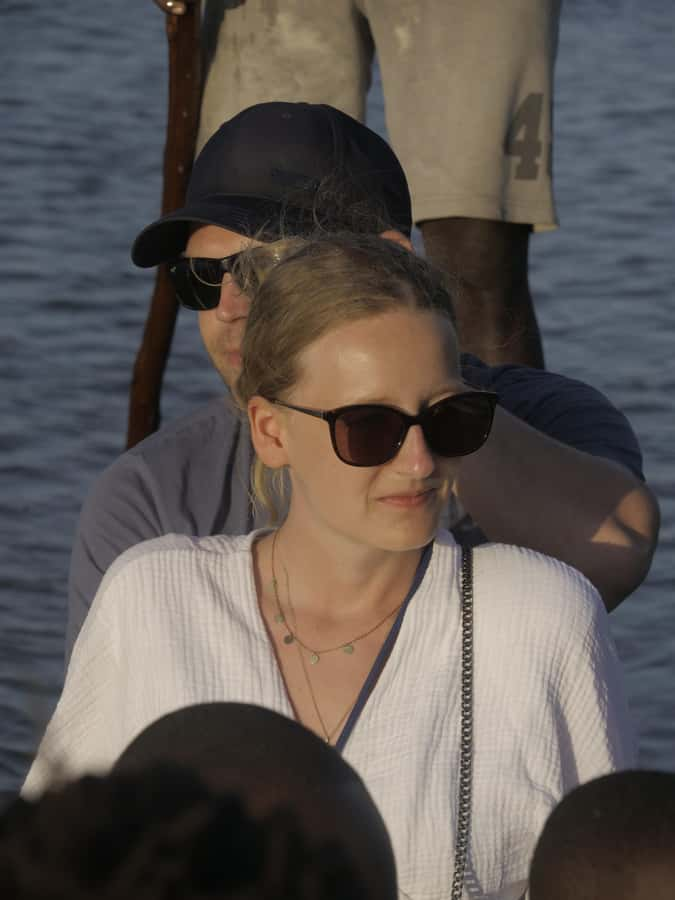
Diani’s beaches can be gorgeous, but this experience gives you a different Kenya feeling. Instead of staying on sand and looking out at waves, you’re pushed into a quieter world: shallow estuary edges, mangrove roots, and that moment when sunset light turns everything a shade calmer.
The trip’s best trick is how it slows your brain down. The canoe is non-motorized, so there’s no sudden roar, no fuel smell, and no constant engine vibration. When you’re floating under palms and between mangroves, the world gets smaller in the good way. Even with other boats on the river at times, the ride still feels like a pocket of peace because you’re not fighting speed—you’re watching.
And yes, it’s scenic. But for me, the real value is the way the guide links scenery to living nature and local context—like the captain’s explanations of the area’s wildlife and what you might be seeing along the waterline.
Finding the meeting point at Mashariki Breeze (and getting to the river)
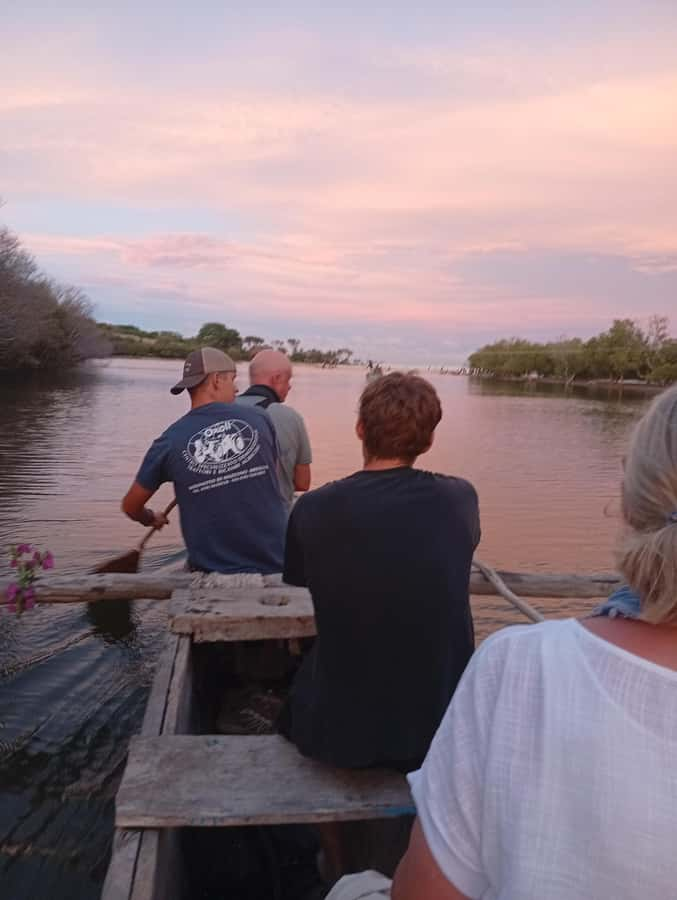
Your day begins with a simple pickup plan. If you’re staying in Diani, you’ll get hotel pickup and drop-off in a tuk-tuk (limited to Diani). If you prefer a more direct start, there’s also an office option at Mashariki Breeze Centre, 1st floor, office number 6 (the map location is provided by the operator).
Either way, the goal is the same: get you to the Kongo Mosque area without stress. On arrival, you typically meet your guide, exchange pleasantries, and get a short introduction to how the canoe ride will run. You’ll then connect with the captain and head toward the estuary stretch.
Practical note: wear comfortable shoes. Even though it’s a boat trip, you’ll do a short walk to reach the water, and you’ll be happier if your feet feel steady for the whole 65 minutes.
The Kongo Mosque stop: why a short visit matters
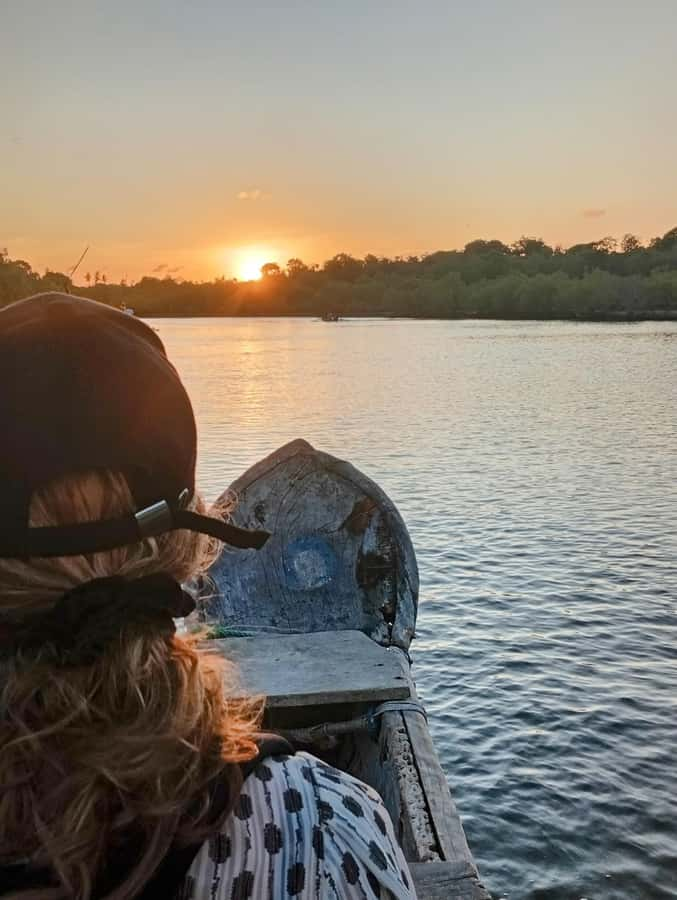
This experience includes an entry/admission to Kongo Mosque. That small stop changes the whole tone of the trip. It gives you a place anchor before you move into the water world, and it helps explain why this specific estuary area matters locally.
You’ll walk from the mosque meeting point to the estuary area, then meet the canoe captain. That pacing matters because it prevents the trip from feeling like “just jump in, then rush for photos.” You get context first, then the sunset becomes more meaningful.
Also, if you’re someone who likes asking questions, this is a good moment to start. Your guide is there, and the captain will be too—so you can ask about mangroves, birds, local history, or what to look for when you’re on the river.
Boarding the traditional canoe: what human power feels like
Once you’re on the water, the key detail is the one you’ll feel immediately: the canoe is powered by human energy, meaning the captain rows. There are no engines, so you don’t get that heavy motor smell or constant noise.
That matters for three reasons:
- You hear more. Bird calls, wing flaps, and the small sounds in the mangrove edge become easier to notice.
- The ride stays gentle. You won’t get jerked by engine thrust. Instead, the canoe glides and adjusts, which feels natural in narrow water channels.
- The water feels protected. The trip is designed with less impact in mind since there’s no dirty fumes entering the water.
In the best examples from the captains, you may also get extra care in how the canoe is positioned for photos or videos. One captain, Suleman, has been praised for attentiveness and for turning the canoe around to capture different angles. Another guide, Halifa, has been praised for sharing lots of nature and wildlife detail around the mangroves.
Mangroves and palms: the calm part you’ll remember
This is where you’ll likely feel the main “wow” of the trip. You sail through mangroves and palm trees, and you start leaving the ocean behind, sliding into the Kongo River estuary environment.
The mangroves aren’t just scenery here—they’re a working habitat. With roots and shaded water edges, they create a feeding and shelter zone. As the captain rows, you’re moving at a pace that lets you look upward at tree shapes and also downward along the waterline.
Light changes fast around sunset, and estuary waters can look different every minute—sandy edges, changing reflections, and waves where the river meets the coastal influence. You also may notice the estuary’s ever-changing sandy beach and some great waves in the coastal sections, which helps the ride feel like it’s connecting two worlds: river calm and ocean energy.
If you’re a photo person, you’ll like the combination of soft light and quiet movement. Try to look both ways: many of the best shots happen when you capture the canoe silhouette against the sky, not only when the sunset is centered.
Bird watching on the Kongo River: more than spotting something
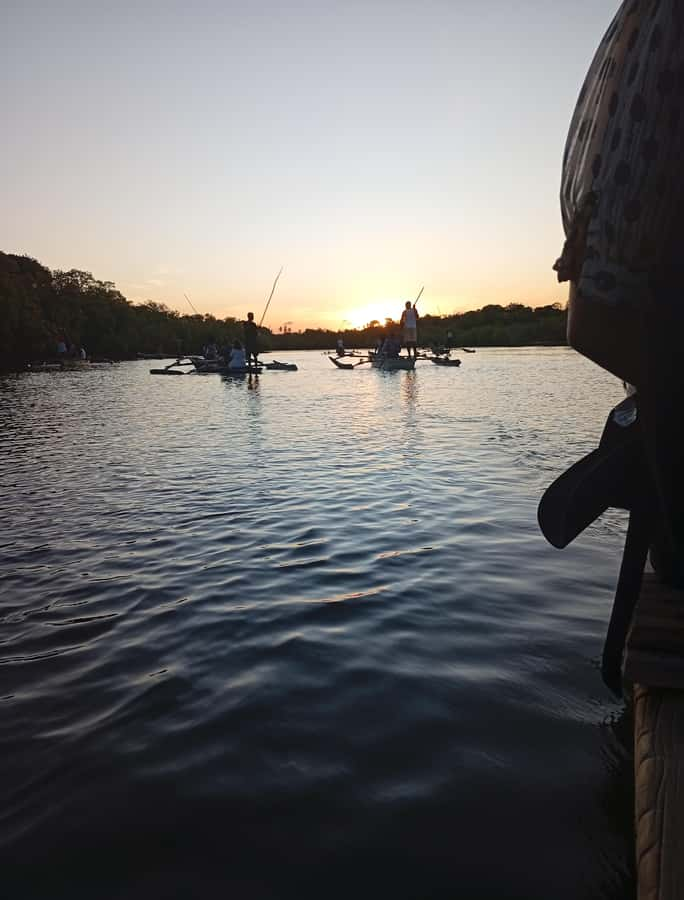
If you like birds, this trip is built for you. The river invites over 30 species of birds, and your guide is there to help you notice what’s worth focusing on—like where birds pause to feed and how mangroves influence their routes.
You don’t need binoculars listed in the plan, but if you have them, they’ll help. Even without them, you can still watch behavior: birds tend to show up as small movements along branches, water edges, or quiet pockets where food gets stirred up.
One reason the bird focus works is timing. During sunset hours, visibility can be more challenging, but the birds’ activity often stays steady enough that you can still pick out motion. Plus, the guide’s knowledge helps you avoid the frustrating trap of staring at tree lines wondering what you’re supposed to be seeing.
And if you’re not a bird person? That’s fine. Use the bird interest as a guide for watching the whole ecosystem—mangroves as shelter, water as a feeding corridor, and the shoreline changes that come with tides and estuary flow.
Sunset photography: how to get good shots without turning it into a chore
Sunset trips can turn stressful fast if you spend the whole ride fighting your gear. This one gives you a calmer approach because it’s only 65 minutes, and your canoe movement is steady.
Here’s what I’d do to get the best photos with less hassle:
- Bring the right gear in a way you can grab quickly. The operator specifically recommends photography equipment for sunset shots.
- Keep your camera strap shorter than you think. On a canoe, you want gear secured but not swinging.
- Take a few wider shots early, then slow down for close-ups and reflections once the sky starts changing.
You’ll also get more variety in your angles because your captain may reposition the canoe for different views. That’s especially useful for video clips and unique angles, not just the classic “sunset behind us” frame.
If you want the best balance of photos and enjoying the ride: set your “capture windows.” For example, shoot during the first big color shift, then put the camera away for a few minutes to actually watch birds and mangroves—then resume shooting when the sky deepens.
Guided experience and small-group feel: hearing matters
This trip is guided with a live tour guide in English and is limited to a small group of 10. That small number isn’t a luxury detail; it affects whether you can actually hear explanations while still moving around to look at the water.
In the better-run versions of this experience, the guide and captain don’t just rattle facts—they answer questions, point out what you’re seeing, and keep the trip flowing naturally. One guide, Halifa, has been praised for strong storytelling about nature and mangrove life, and for explaining what you can expect to spot.
Another captain, Suleman, has been praised for knowledge of history, fauna, and wildlife, plus being attentive to the group. That’s exactly what you want: someone who can adjust the pace based on what your group is focused on.
Price and value: is $32 per person worth it?
At $32 per person for a 65-minute experience, this isn’t the kind of activity you book because it’s cheap. You book it because it’s a specific slice of Diani that blends three things at once:
- A traditional canoe ride in a real estuary setting
- A guided learning layer focused on birds and mangroves
- A sunset moment tied to an actual local meeting point, including Kongo Mosque
What makes the value feel fair is that pickup and drop-off within Diani are included (via tuk-tuk), along with the boat ride, guided tour, and all fees and taxes, plus Kongo Mosque entry/admission.
What’s not included is also clear: foods and drinks and lunch. If you’re doing this after a beach day, you can just plan a snack or water on your own. For a short sunset outing, that’s normal—and it keeps the price focused on the canoe and guide work.
In short: if you want a nature-focused sunset that feels calm and local, the price matches the experience you’re getting.
What to bring, what to expect, and who should go
This is a relaxed trip, but it does have a few practical edges:
What to bring
- Comfortable shoes
- Photography equipment if you want strong sunset shots
What to expect
- A short walking segment around the mosque-to-estuary area
- Boarding a traditional canoe with the captain rowing
- Time spent sailing through mangroves and along the estuary for sunset viewing
- Bird watching with guidance, since the river attracts 30+ species
Who this suits best
- Bird lovers and people who like natural settings with clear guidance
- Anyone who wants a serene, low-impact sunset alternative to a busy beach scene
- Couples, solo travelers, and small groups who prefer a thoughtful guided outing
Not suitable
- Wheelchair users
- Babies under 1 year
If you’re traveling with limited mobility or small children, you’ll want to rethink. The trip isn’t described as stroller-friendly or wheelchair-accessible, and the walking-to-water element matters.
Should you book the Diani Beach Kongo River sunset canoe?
Book it if you want a sunset that feels calm and grounded in nature—not just a quick photo stop. I like that the canoe is non-motorized, because it changes the whole atmosphere. I also think the bird focus is a genuine bonus: you’ll have both a reason to look around and a guide who can help you find what matters.
I’d skip it (or at least adjust expectations) if you’re the type who needs a long evening outing. This is 65 minutes, so it’s a compact experience. You’ll get a good arc—from the mosque area to the estuary to sunset—but it won’t replace a full dinner-and-dancing night.
If you’re in Diani and you have one sunset slot to spare, this is one of the better ways to spend it: gentle water, mangroves, birds, and a captain who actually explains what you’re seeing.
FAQ
How long is the canoe sunset experience?
It lasts about 65 minutes.
Where does the tour start?
You meet at the Kongo Mosque area for the walk to the estuary, and pickup is available from Diani hotels. You can also start from the operator’s office at Mashariki Breeze Centre, 1st floor, office number 6.
How much does it cost?
The price is $32 per person.
Is pickup and drop-off included?
Yes. Hotels pickup and drop-off in a tuk-tuk are included, but only within Diani.
Is the canoe motorized?
No. The canoe is non-motorized and powered by human energy as the captain rows, so there are no engine fumes.
Is there a guide, and what language is used?
Yes. There is a live tour guide, and the trip is offered in English.
What’s not included in the price?
Foods and drinks and lunch are not included.
Is it wheelchair accessible or suitable for babies?
It is not suitable for wheelchair users and is not suitable for babies under 1 year.
If you want, tell me what month you’re going and whether you’re staying in central Diani or farther north—I can suggest the best time of day to aim for sunset light and comfortable temperatures.