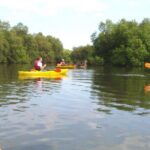
Goa’s waterways feel made for slow adventure. This off-the-beaten-track kayaking trip guides you through mangroves and narrow channels on flat, dammed-up waters where birds are close, nature is explainable, and the paddling rhythm stays surprisingly easy.
I love how wildlife watching is practical, not vague. You glide silently enough to spot kingfishers and other locals at handshake distance, and your guide helps you notice plants like cashew, bamboo, and mango as you pass.
One thing to consider: the trip depends on good weather, and cancellation can be strict if you change your mind. If you burn easily, plan for sun and wind too, because you’re out on open water for part of the route.
In This Review
- Key Things I Think You’ll Notice
- Why This Kayaking Route Works (And Why Local Knowledge Matters)
- The Meeting Point: Simple Start, Less Fuss
- What the Small-Group Guide Does Best
- The Paddling Experience: Flat Water With Real Turn-and-Tight Energy
- Stop: Goa Kayaking on Sal Backwaters (What You’ll See and Why It Matters)
- Mangroves and narrow channels
- Lotus ponds and migratory bird watching
- Taller grasses/scrub sections
- Otters and fish: possible, not guaranteed
- Ending at the bridge
- Comfort, Safety, and What’s Actually Included
- Price and Value: Is $65 Worth It?
- Who This Kayaking Trip Suits Best
- Practical Tips So Your Day Goes Smoothly
- Should You Book Sal Backwaters Kayaking?
- FAQ
- How long is the kayaking trip?
- Where do I meet the group?
- Is hotel pickup included?
- What’s included in the price?
- Is the tour suitable for children?
- Who shouldn’t join?
- What wildlife can I expect to see?
- What happens if weather is bad?
Key Things I Think You’ll Notice
- Small-group pace (max 14): you get attention and time to take in the mangrove turns
- More than 70 bird types in the area: your guide is built for spotting and naming what you’re seeing
- Real kayaking time on flat waters: winding narrow waterways plus a bit of action without big waves
- Lotus ponds plus mangrove scrub: you move through different habitat styles, not just one kind of channel
- Wildlife may include otters: you might catch them feeding or frolicking if conditions line up
- Safety kit is included: life vests, leashes, paddles, and the kayak are all part of the deal
Why This Kayaking Route Works (And Why Local Knowledge Matters)
Goa has plenty of beach energy, but the interesting part is often what you can reach only with the right local route. This tour focuses on Sal backwaters—flat dammed-up waters that let you paddle comfortably while still getting deep into mangroves and narrow channels.
The best value here is the combination of access and guidance. You’re not just handed a kayak and sent off. Your local guide helps you read the waterway—what birds use it, what plants are growing there, and how to move quietly so wildlife stays visible.
The timing matters too. You get about 1 hour 30 minutes on the water, which is long enough to feel like a real outing, but short enough that most people can handle it without turning it into a whole-day production.
You can also read our reviews of more tours and experiences in Goa.
The Meeting Point: Simple Start, Less Fuss
You’ll meet at Majorda Beach Road, Dongorim, Nuvem, Goa 403713. The activity ends back at the same starting point, so you don’t need to worry about a complicated return plan.
It’s also described as near public transportation, which is helpful if you’re staying somewhere that doesn’t make hotel pickup convenient. If you’re planning your day around other Goa sights, you’ll like that this doesn’t demand a massive schedule.
The route starts with introductions and a briefing before you push off. That first part is where you get your bearings fast—how to use the kayak, what to look out for, and how the waterway works.
What the Small-Group Guide Does Best
This is a wildlife-focused kayaking outing, so your guide’s job is more than logistics. You’ll be told what to watch for during the trip—birds, fish, otters if you’re lucky, and the plants that create the habitat in the first place.
That “what to look for” piece changes everything. Instead of just seeing greenery, you start noticing the clues—where birds perch, what movement suggests feeding, and which areas feel more active.
Group size is capped at 14 travelers, and that matters on narrow waterways. Fewer people means less crowding, fewer awkward paddling pauses, and more chances to stop and look without feeling like you’re holding up a train.
The Paddling Experience: Flat Water With Real Turn-and-Tight Energy
The tour takes place on flat dammed-up waters, so it’s not about battling waves. Still, the route is described as winding and narrow as it moves through mangroves, which creates that fun “action-packed” feeling without making it rough.
The paddling rhythm is part of the experience. As you glide slowly and quietly, you’re more likely to spot birds because you’re not banging around. The mangrove channel turns are also where the scenery shifts—one minute you’re in a corridor of roots and leaves, the next you’re approaching lotus ponds.
For many people, this is the sweet spot between relaxation and adventure. If you’ve never kayaked before, the briefing and included equipment help you get confident quickly.
Stop: Goa Kayaking on Sal Backwaters (What You’ll See and Why It Matters)
This entire experience is essentially the kayaking itself, and it’s built around different habitat moments.
Mangroves and narrow channels
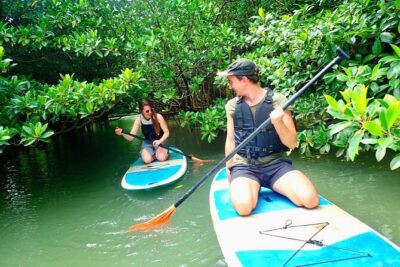
You start your journey into narrow waterways deep enough that you feel like you’ve stepped away from the usual Goa pace. This part is ideal for close bird sightings because mangroves act like structured habitat—perches, cover, and feeding areas all in one place.
Your guide is set up for identifying what you’re seeing. Expect mentions of kingfishers, cormorants, lapwings, pin-tailed ducks, pheasants, purple moorhens, and a long list of herons and egrets. The tour notes more than 70 types living in the area, which is why the bird list is so detailed.
Lotus ponds and migratory bird watching
Then you move into lotus ponds—described as part of the journey through watery spaces connected to local reverence. Whether you view it spiritually or just aesthetically, the effect is the same: calm surfaces, visual patterns, and a good chance to spot birds that use the pond edges.
Migratory behavior is part of why this route is so watchable. You’re visiting a spot where birds are moving through, so the guide’s “look here, pause there” approach becomes more valuable.
If you’re a birdwatcher, this is the kind of outing where you’ll feel the difference between random spotting and actually learning what you’re looking at.
Taller grasses/scrub sections
For part of the trip, you kayak through tall grasses or scrub. This adds a bit of texture and visual variety, and it can make the route feel more enclosed, which sometimes helps wildlife stay visible rather than spooking.
You may also notice that these sections influence the paddling feel. The water can look different and the channel can feel tighter, so you’ll rely on the earlier briefing about how to maneuver and maintain control.
Otters and fish: possible, not guaranteed
The tour includes otters in the possible sightings list, describing them as sometimes feeding or frolicking. That’s the kind of note you’ll appreciate because it manages expectations without ignoring the fun.
Even if you don’t see otters, the fish-and-bird ecosystem is still the point. The guide’s focus on wildlife means you’ll be watching the behavior around you, not just staring at distant birds.
Ending at the bridge
You keep kayaking until you reach the bridge, and then the excursion finishes back at the departure point. That structure keeps the outing focused and avoids the “wandering around until you’re tired” problem.
Comfort, Safety, and What’s Actually Included
This tour is equipment-supported, which makes it feel smoother than a DIY paddle.
Included:
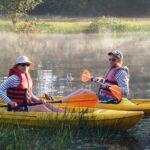
- Use of kayaks, paddles, life vests, and leashes
- Bottled water
- Fruit juice
- A local guide
- Any other necessary equipment used for the activity
Not included:
- Hotel pickup and drop-off
- Food and drinks unless specified
You’ll also want to bring your own basics for comfort. Sunscreen is a must—at least that’s the practical advice that sticks out from people who’ve taken the trip. The sun in Goa can be intense, and you’re exposed while paddling and waiting for wildlife sightings.
Price and Value: Is $65 Worth It?
At $65 per person, this isn’t a “cheap and cheerful” activity. But it also isn’t a vague nature tour. You’re paying for a guided route into mangroves and bird habitat where local knowledge matters.
Here’s where the value comes from:
- You get proper kayak safety gear included
- You get a local guide focused on wildlife spotting, not just escorting
- You get enough time (1.5 hours) to actually feel like you had a kayaking experience
- The small-group cap helps keep the experience enjoyable rather than crowded
If you’ve ever paid for a nature activity where the guide basically says “look around,” you’ll appreciate what this one is designed to do: teach you what to notice as you paddle.
Who This Kayaking Trip Suits Best
This is a good fit if you want Goa to feel more like a local waterway day than a tourist photo sprint.
You’ll probably love it if:
- You enjoy wildlife and birds and want help identifying what you see
- You like kayaking that’s more about calm movement and close observations
- You want a small-group outing with a clear route and a finish point
A few people should skip or consider alternatives:
- The tour is not recommended for pregnant women or participants with heart complaints or other serious medical conditions
- It has a minimum age of 7, and kids under 10 are to be towed by parents/guardians
- It requires good weather, so if you’re traveling during a rough forecast window, keep your plan flexible
Practical Tips So Your Day Goes Smoothly
Wear what makes paddling easy and helps with sun protection. Bring a hat, sunscreen, and something light that you’re comfortable getting a little damp.
Also plan for wind and sun while you’re waiting for bird sightings. Even when the water looks calm, your skin can still pay the price if you’re exposed for long enough.
If you’re traveling with kids, remember the under-10 guidance: they’re meant to be towed by a parent/guardian. That’s not a small detail. It affects how you’ll paddle and how comfortable the child will feel.
Should You Book Sal Backwaters Kayaking?
Book it if you want a Goa experience that trades beach crowds for close-up wildlife and a guided route through mangroves. I especially think it’s worth it if you care about birds and want someone on the water helping you notice real details like kingfishers, herons, egrets, and more.
Skip it if you’re looking for something that’s purely low-effort and indoors-friendly, or if you can’t plan around weather. Also skip if the medical restrictions apply to you.
If you do book, go in with the right mindset: paddle quietly, stay alert, and let the guide’s spotting cues lead you. That’s when the trip feels magical in the practical way that counts.
FAQ
How long is the kayaking trip?
It lasts about 1 hour 30 minutes (approx.).
Where do I meet the group?
You meet at Majorda Beach Road, Dongorim, Nuvem, Goa 403713, India.
Is hotel pickup included?
No. Hotel pickup and drop-off are not included.
What’s included in the price?
The tour includes bottled water, fruit juice, a local guide, and the use of kayaks, paddles, life vests, leashes, and other necessary equipment.
Is the tour suitable for children?
The minimum age is 7 years. Children below 10 are to be towed by parents or guardians.
Who shouldn’t join?
The tour is not recommended for pregnant women or participants with heart complaints or other serious medical conditions.
What wildlife can I expect to see?
You may see different birds such as kingfishers and herons, plus fish, and possibly otters. Lotus ponds and mangroves are part of the route and support migratory birds.
What happens if weather is bad?
This experience requires good weather. If it’s canceled due to poor weather, you’ll be offered a different date or a full refund.