REVIEW · NIAGARA FALLS
Guided Kayak Tour on Niagara River from the US Side
Book on Viator →Operated by Blue Water Marina · Bookable on Viator
That calm kayak feeling comes fast here. This 3-hour guided Niagara River paddle takes you past wetlands and islands on the U.S. side, with a guide who explains how the river works and why places like Strawberry Island matter. I especially love the guide-led history + ecology setup, and you’ll get a real sense of the border waterway that most people only see from land.
You’ll also like the practical way the trip is planned: you can choose a single or tandem kayak, the route stays on relatively easy water, and you’re paddling more than just drifting. One watch-out: this is still water time—expect effort in your arms/shoulders, and you’ll be more exposed than you might think if conditions get choppy.
In This Review
- Key things that make this Niagara kayak tour worth your morning
- Why kayak the Upper Niagara instead of just staring at the Falls
- Meeting at Grand Island: what to know before you paddle
- The 3-hour route: from Grand Island marsh edges to Strawberry Island
- Passing the River Lea Farmhouse area
- Motor Island for waterbirds
- Strawberry Island: the aquatic ecosystem stop
- Wildlife, marsh restoration, and why the guide’s role matters
- Kayak comfort and effort: what “easy water” really means
- Singles vs. tandem kayaks
- Expect a little current and maybe short rapids
- What’s included vs. what you’ll want to bring
- A “don’t forget” list that actually helps
- Weather, rescheduling, and the real risk: not the paddle, the forecast
- Is it worth it? Value beyond the kayak itself
- Who this Niagara River kayak tour fits best
- Should you book this guided kayak tour on the Niagara River?
- FAQ
- What’s the duration of the guided kayak tour?
- Where does the tour start on the U.S. side?
- Do I choose a single or a tandem kayak?
- What’s the minimum age for this tour?
- Is the tour dependent on weather?
- What’s included in the price?
- How big are the groups?
Key things that make this Niagara kayak tour worth your morning
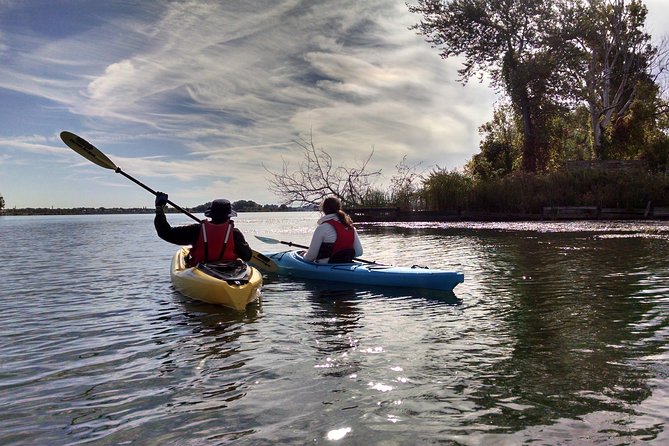
- Upper Niagara wetlands and islands: you’ll explore over five miles of marshes and island areas, not just a short loop
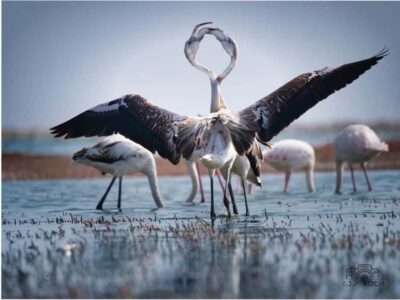
- Bird-spotting with real names: look for egrets, great blue herons, and Caspian terns around spots like Motor Island
- History tied to what you see: the paddle passes areas like the River Lea Farmhouse in Beaver Island State Park, linked to Grover Cleveland’s early work
- Snack and water included: a light snack and bottled water keep you comfortable during the session
- Small group size (max 9): you’re less likely to feel rushed or shuffled around
Why kayak the Upper Niagara instead of just staring at the Falls
Niagara Falls is the headline, but the Niagara River is the story—and this tour lets you experience the river as a living system. Once you’re out on the Upper Niagara, the mood changes quickly. You trade loud crowds for quiet marsh edges, tall grasses, and the steady rhythm of paddles while your guide points out what’s going on right under your line of sight.
What I like most is how the tour connects three things that usually feel separate: wildlife, water habitat, and local history. You’re not just taking pretty pictures. You’re learning why a marsh matters for birds, why islands form the way they do, and how people have worked to protect this river edge over time.
The setting is also a smart alternative to being stuck in only “look-at-it” mode. Kayaking puts you at a human scale with the environment. Reeds and lily pads feel close. Bird behavior makes more sense when you’re watching it from the water rather than scanning from a bridge.
Meeting at Grand Island: what to know before you paddle
This tour starts at 340 E River Rd, Grand Island, NY 14072, about 20 minutes from Niagara Falls, NY. The listed start time is 10:00 am, and the activity ends back at the same meeting point—so you don’t have to worry about transportation during the tour.
A couple details help you plan your timing:
- You’ll want your gear ready early, since you’re getting onto the water for a multi-stop paddle.
- The tour runs with a mobile ticket, so have that on your phone before you arrive.
- The tour keeps a maximum of 9 travelers, which usually means a calmer launch and fewer “wait your turn” moments.
If you’re hungry before you go, one practical tip: there’s a Casey’s nearby that people use for a quick snack beforehand (one review called it a short walk and mentioned an Italian hot dog). Even if you skip the specific item, the idea is solid: grab something light before you paddle, because once you’re on the water, you’ll be focused.
The 3-hour route: from Grand Island marsh edges to Strawberry Island
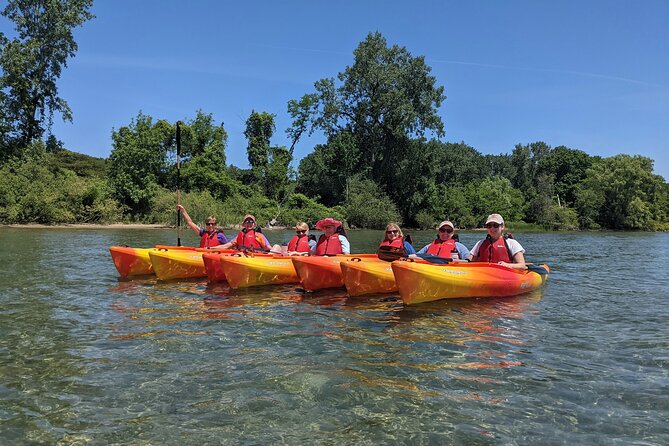
Your paddle route begins around Grand Island and follows an easy-to-moderate rhythm along the Upper Niagara River, including marshes and islands. The tour is designed for a shared experience, so you’ll have stops where the guide talks and where you can look around—especially at birdy points and ecological hotspots.
Passing the River Lea Farmhouse area
One of the early “wait, really?” moments comes when you pass the River Lea Farmhouse. It’s a Victorian farmhouse located in Beaver Island State Park, tied to President Grover Cleveland, who worked there in his first job for his uncle. Being on the water beside a place like that changes the feel of the history. It’s no longer a trivia fact. You’re watching the river landscape that surrounds the story.
Practical note: you won’t be getting out and exploring a building. You’re paddling and taking in the view. So if history floats your boat, keep your camera handy for the passing moments.
Motor Island for waterbirds
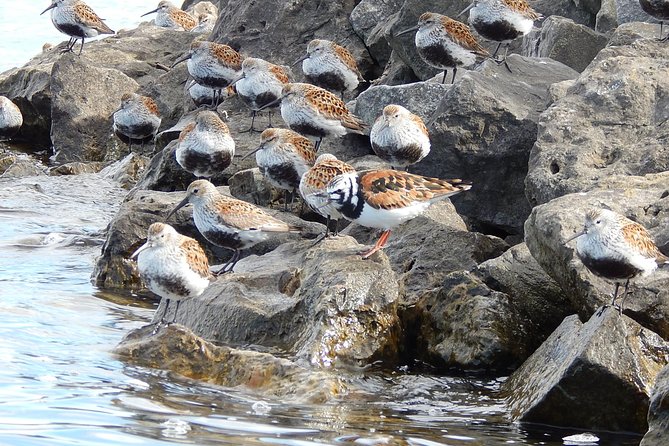
Next, your guide steers you toward Motor Island, a spot designed for bird-spotting. This is where you should watch for waterbirds like egrets, great blue herons, and Caspian terns, plus others your guide may call out based on what’s flying and feeding that day.
Why this stop matters: marsh birds don’t just show up because you want them to. Being on the water—and moving slowly—puts you in a better position to notice behavior: fishing patterns, resting spots, and how the birds react as your kayak glides by.
Strawberry Island: the aquatic ecosystem stop
A highlight in the route is Strawberry Island, known for its deep lagoon and as one of the more significant aquatic ecosystems in the Great Lakes region. This is the kind of place where your guide’s explanation helps you see the water like a habitat, not just scenery.
From a paddler’s perspective, this stop also tends to be a “pause and breathe” moment. You’re not rushing for a view—you’re settling into the ecosystem and taking it in.
And yes, there’s usually time for a light break. Many trips include a snack stop during the paddle, and some groups also get a chance to wade or swim briefly when conditions allow—ideal if you like your nature experiences with a little action, not just observation.
Wildlife, marsh restoration, and why the guide’s role matters
The best part of guided kayaking isn’t that someone drives the plan. It’s that someone translates what you’re seeing into a bigger picture.
On this route, you’ll hear about the history and ecology of the river area and often about wetlands and restoration projects that protect habitat. That’s not just for fun facts. It changes how you read the river edge while you paddle. When you understand what the marsh is doing—filtering, sheltering, feeding—you start noticing details like how plants grow, where animals linger, and why certain islands function as staging areas.
The guide experience also matters because guides develop different “threads” for the trip. Names that have shown up include Paul, Desi, Dan, Kevin, and Tommy (for one last-minute scenario). People consistently praise the way guides connect wildlife and conservation effort with what you’re seeing right then.
One review even mentioned a science-ish angle: learning and time spent collecting fossil pieces linked to extremely old history (with one party saying 350 million years). That kind of moment may not happen every day, but the broader point is useful: the guide can make this feel like a field lesson, not a casual float.
Kayak comfort and effort: what “easy water” really means
This is a relatively easy route, and it’s long enough to feel like a real paddle day. You’re on the Upper Niagara for about three hours, and the tour includes equipment, so you’re not renting and assembling anything on your own.
Still, don’t assume it’s zero effort. Multiple reviews describe real paddling work and muscle soreness as a possibility, especially for less efficient paddlers. If you have shoulder or neck sensitivity, go in with a plan: take breaks when the group stops, keep your paddle technique smooth, and treat the snack break as a reset.
Singles vs. tandem kayaks
You can choose:
- Single kayaks if you want full control and an upright, one-person rhythm
- Two-person tandems if you prefer shared effort (and it can be a good fit for families)
There’s also a minimum age rule: age 8+, and children must accompany a parent on a 2-person kayak. That’s important if you’re traveling with kids who want their own boat but don’t yet meet the minimum for solo paddling.
Expect a little current and maybe short rapids
One group mentioned a short class 1 rapids moment. That’s still beginner-friendly in most cases, but it’s worth knowing if you’re nervous about moving water. The tour isn’t “lake quiet” the whole time.
What’s included vs. what you’ll want to bring
This tour is set up so you can show up and paddle without a bunch of shopping. Included:
- The 3-hour guided kayaking tour
- A professional guide
- Your kayak choice (single or tandem)
- All necessary equipment
- A light snack and bottled water
Recommended clothing is practical: loose light clothing, plus hat, sunglasses, and SPF sunscreen. A bathing suit is listed as not required. Bring a camera because the bird and marsh scenes are exactly the kind you’ll want to keep.
A “don’t forget” list that actually helps
Pack or prep:
- SPF and a hat (the sun can hit you on open stretches)
- Sunglasses (marsh reflections happen fast)
- A camera/phone in a dry spot
- Comfortable shoes you can stand in if you wade during a break
And since the tour is weather-dependent, plan for the fact that you may get time on the water only if conditions cooperate.
Weather, rescheduling, and the real risk: not the paddle, the forecast
Like most river tours, this one depends on favorable weather conditions. If it gets canceled due to poor weather, you’ll be offered an alternative date or a full refund. In other words, they don’t pretend conditions are good when they’re not.
That matters because open water kayaking can be affected by wind and waves, even when the route is “easy.” One family described how a windy, rainy day led to rescheduling to a better afternoon. That’s a reminder: your enjoyment will track with water and wind more than your kayaking skill.
If you’re deciding between time slots, consider this: a calmer morning can feel like peaceful glass; a windy one can turn the same paddle into an arm workout.
Is it worth it? Value beyond the kayak itself
Even without a price tag in front of us, this tour’s value is easy to judge from what’s included. You’re paying for three things:
- A real guide who talks history, ecology, and conservation
- A guided route along marshes and islands (not just free roaming)
- Gear + snack + water, so you don’t have to build a half-day plan from scratch
That’s why many people end up calling this the best part of their Niagara trip, not because it replaces the Falls—but because it gives you the river perspective that most visits miss. It also gives you a safer “read” on the environment: you’re not just paddling; you’re learning what to look for while you paddle.
If you’re the type who likes your vacation to have one active chunk, one educational chunk, and one “wow, look at that bird” chunk, this hits the formula.
Who this Niagara River kayak tour fits best
This tour is a strong match if you:
- Want a nature outing that still feels like an activity
- Enjoy learning while you move (history, ecology, wetlands restoration)
- Like wildlife viewing with structure—watching Motor Island birds is easier with a guide pointing things out
- Travel as a couple, family, or small group and want a calmer pace than major Niagara attractions
It can also fit beginners because the route is described as relatively easy, and the tour uses provided equipment and a guide-led approach. One older participant (a 76-year-old with bad knees) made it, which suggests the seating and pacing can work for people who might not want a more strenuous hike—though your comfort will still depend on wind, water, and your own mobility.
If you’re going with kids, it’s a good option for ages 8+ with the tandem rule. Reviews specifically call out families with kids around 10 and 12 having a fun time.
If you hate any physical effort, or you’re very sensitive to being exposed to wind and sun, this may feel like too much. For those people, a more sheltered water activity could be a better match.
Should you book this guided kayak tour on the Niagara River?
I’d book it if you want the Upper Niagara experience, not just the Falls postcard. This tour gives you a rare mix: marsh wildlife, island ecology, and local history—all from a kayak seat.
Do book it if:
- You’re excited about birds and wetlands
- You like guided explanations and not just scenery
- You’re okay with some paddling effort for a half-morning of fun
- You can travel on a day when weather cooperates
Skip it (or swap plans) if:
- You’re expecting a mostly effortless float
- You’re likely to be uncomfortable in wind or open water conditions
- Your group needs a fully flexible, storm-proof schedule
If you’re on the fence, here’s the simple way to decide: if the idea of paddling past places like River Lea Farmhouse and Strawberry Island sounds more interesting than another “stand-and-stare” stop, this tour will feel like time well spent.
FAQ
What’s the duration of the guided kayak tour?
The tour is about 3 hours, and it ends back at the meeting point.
Where does the tour start on the U.S. side?
It starts at 340 E River Rd, Grand Island, NY 14072, USA.
Do I choose a single or a tandem kayak?
Yes. You can choose either an individual kayak or a two-person tandem kayak.
What’s the minimum age for this tour?
The minimum age is 8 years. Children must accompany a parent on a 2-person kayak.
Is the tour dependent on weather?
Yes. It runs only under favorable weather conditions. If it’s canceled due to poor weather, you’ll get an alternative date or a full refund.
What’s included in the price?
It includes the 3-hour guided kayaking tour, professional guide, all necessary equipment, plus a light snack and bottled water.
How big are the groups?
The tour has a maximum of 9 travelers, with a minimum of two travelers per tour.