REVIEW · RUHENGERI
Half-Day Mukungwa River Canoe Trip from Musanze
Book on Viator →Operated by Kingfisher Journeys · Bookable on Viator
Paddling the Mukungwa feels like time slows. This half-day trip lets you trade busy roads for river bends, working farms, and rural villages, with birdlife spotting and guide-led paddling that keeps the day feeling personal (max 8 people). I also like that you don’t need canoe experience; the guides coach you and manage the stops so you can focus on the views and the wildlife.
One thing to weigh: the river isn’t always crystal-clear. Depending on conditions, you may see brown water and river debris, so plan for a wet, active day and keep expectations realistic.
In This Review
- Key things to know before you go
- From Musanze pickup to river time: what your half-day includes
- The Mukungwa River paddle at Kingfisher Journeys: birds, villages, and easy coaching
- A note on guide communication
- Twin Lakes Recreational Island: a calmer second stretch over Burera and Ruhondo
- Wildlife odds: kingfishers, herons, and the otter factor
- Safety on the water: what’s calm, what’s not, and how to prepare
- Dress code and gear that actually works
- Price and value: what $75 really buys (and what costs extra)
- Best match: who should book this canoe trip
- How to make your day smoother (and more fun)
- Should you book the Half-Day Mukungwa River Canoe Trip from Musanze?
- FAQ
- How long is the Mukungwa River canoe trip from Musanze?
- Is hotel pickup and drop-off included?
- Where do we meet if we don’t use hotel pickup?
- What’s included in the tour price?
- Do I need canoe experience?
- What are the age limits and physical requirements?
Key things to know before you go
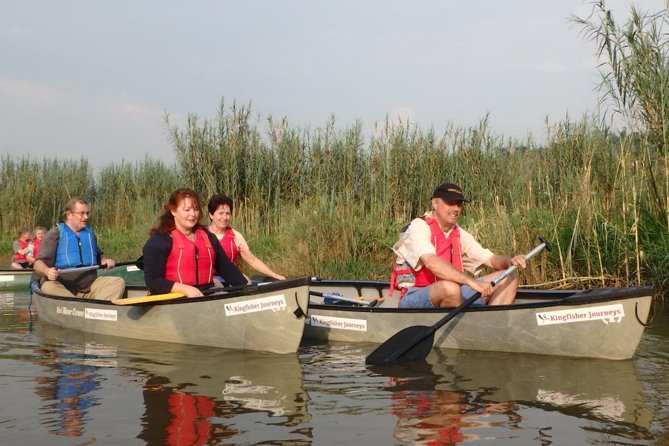
- Small group size (max 8) means more attention on paddling and safety
- Professional guide with wildlife focus helps you spot birds and other animals like otters
- About 3 hours on the Mukungwa River with gentle flow and occasional exciting bits
- Twin Lakes section in the Burera/Ruhondo area is calmer, but the admission there is not included
- Dress for getting wet (shorts and a T-shirt or anything you don’t mind soaking, sandals, raincoat in wet season)
- Family-friendly timing with a minimum age of 7 and a need for an adult for anyone under 16
From Musanze pickup to river time: what your half-day includes
This is one of those Northern Rwanda outings that feels like a reset button. You start in Musanze (Ruhengeri area) with pickup and drop-off, then you spend roughly 6 hours total on the water and around the launch, not a full all-day commitment like some wildlife days.
The value here is in how you move through the countryside. You’re not just watching from a vehicle. You glide past farms, green hills, and village life, and your guide adds context as you go. A lot of trips promise scenery; this one gives you motion, sound, and the chance to notice what locals are doing along the river corridor.
Also, this isn’t a one-canoe-for-a-crowd situation. The cap of 8 travelers per booking keeps the briefing tight and the experience less chaotic. If you’re traveling with kids or you simply don’t want your day to feel rushed, that matters.
The Mukungwa River paddle at Kingfisher Journeys: birds, villages, and easy coaching
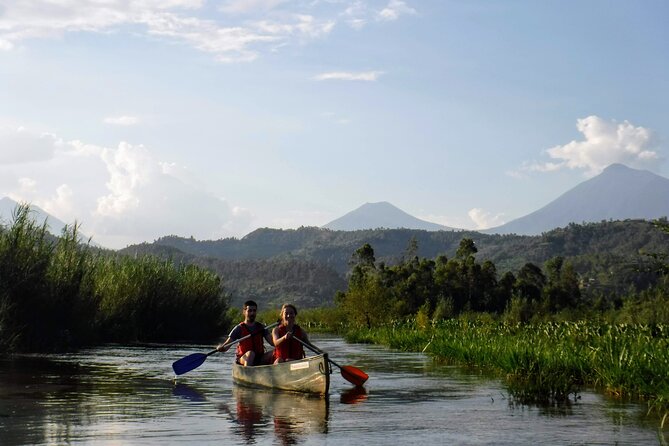
Your day starts at Kingfisher Journeys, where the focus is on a smooth introduction and a guided paddle rather than a hardcore paddling workout. The time on the Mukungwa is listed at about 3 hours, and the first admission ticket is included.
What you can expect is a mix of calm stretches and small moments that add energy. Many people describe the ride as gentle enough that it doesn’t feel like a whitewater challenge, but you still get the fun of steering and negotiating the river’s small surprises. A few reports mention excitement around the rapids near a road bridge, where you can get splashes without it turning into a danger zone.
This is also where the wildlife watching really starts to click. People frequently call out birdwatching—including kingfishers—and at least a few mention an otter sighting, which is the kind of moment that makes a simple paddle feel like a real memory.
Practical angle: bring a camera plan. Guides may handle photos for you at key moments (it’s built into how the trip is run), but you’ll still want to protect your phone and belongings because this is a get-wet activity.
A note on guide communication
The guide quality shows up in how people describe the experience: clear briefings, safety attention, and guides who can explain what you’re seeing. Names that come up in real trip stories include Benjamin, Eve, Yves, Sharon, Eloi, and Willy—so you’re not just getting someone who sits there. You’re getting a partner on the water.
Twin Lakes Recreational Island: a calmer second stretch over Burera and Ruhondo
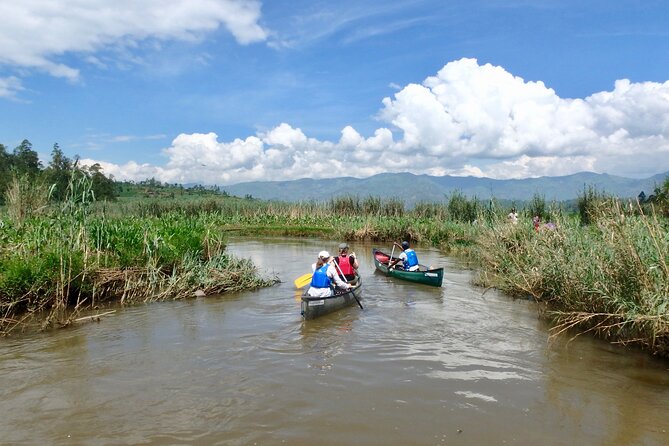
After the Mukungwa segment, the trip shifts to the Twin Lakes region, centered around Lake Burera and Lake Ruhondo. This portion is also listed at about 3 hours, but here’s an important value detail: the admission ticket for this part is not included.
Why you’ll probably like this second act: lakes change the feel. Instead of pushing through a moving river, you get more of that slow, watch-the-world pace that’s great for wildlife spotting and for simply absorbing rural life from a different angle. Even if you don’t see a lot of animals, the shift in water and the surrounding hills make the second half feel different—not repetitive.
Also, the experience is described as suitable for nature lovers and adventure seekers alike. That usually means you can take it easy when you want, and still stay engaged as you learn basic paddling and steering.
Wildlife odds: kingfishers, herons, and the otter factor
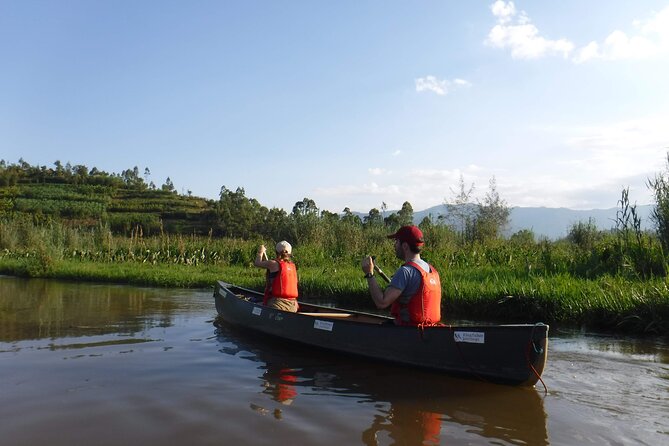
If your goal is animals, this is the right kind of Rwanda day. The river-and-lake combination creates more “edge habitat” than you’d get in one water type alone, and the guided format helps you notice what you might miss on your own.
Here’s what repeatedly shows up in trip feedback:
- Kingfishers (including mentions of Pied and Alcedo types)
- Herons
- Occasional otter sightings
My advice if you want better wildlife odds: keep your movements calm and your attention wide. When you’re paddling, don’t snap your head around every time you hear something—do quick scans, then settle. It helps you catch the small signals first.
If you’re the kind of traveler who usually focuses only on big-ticket attractions, this is a good day to practice a different mindset. The animals here often reward patience more than luck.
Safety on the water: what’s calm, what’s not, and how to prepare
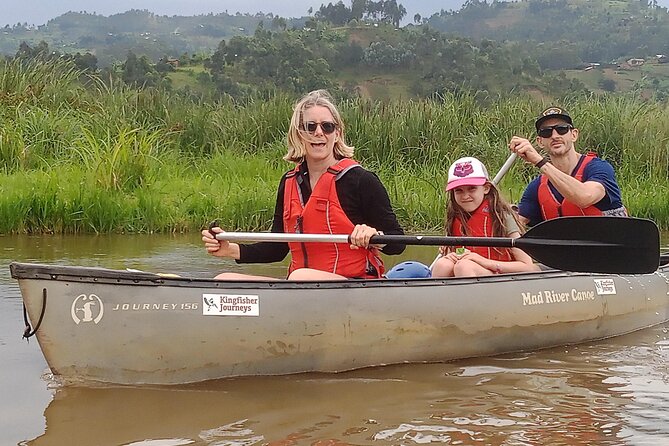
Safety is taken seriously on this trip, and you’ll get a briefing before you push off. That said, river trips have real variables: current, weather, and the presence of people along the water.
Most experiences describe the Mukungwa as not running fast, with only gentle challenges and splashes during the more exciting sections. A few reports also mention a waterproof-bag need for protecting belongings—so assume you’ll want your phone, wallet, and anything fragile in a dry place.
Two real-world considerations worth taking seriously:
1) Water conditions and debris
One report mentions a brown river experience with garbage. That doesn’t mean the whole trip is unpleasant, but it does mean you should dress and pack like you’re going to get splashed and possibly a little messy. Plan for a wet day, not a “clean and pristine” fantasy.
2) Kids along the river
A separate report mentions children following close by and throwing rocks at one point, creating an uncomfortable moment. The bigger lesson for you: stay close to your guide’s instructions, keep your distance from anyone not in your group, and don’t improvise if you feel uneasy. The guide is the person coordinating your safety and spacing.
Finally, the operator lists a moderate physical fitness level as the expectation, with a minimum age of 7. If that sounds like you, you’ll likely be comfortable. If you have mobility issues or you need long periods of totally stable seating, you might want to consider a different water activity.
Dress code and gear that actually works
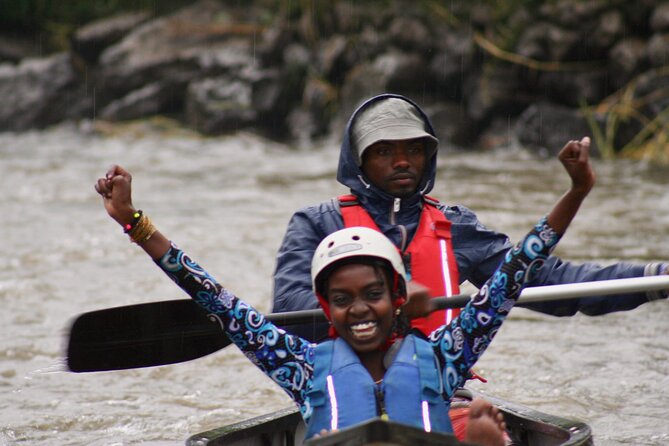
The trip is straightforward about clothing, which is great. You’ll want:
- Shorts and a T-shirt (or anything you don’t mind getting wet)
- Sandals
- Raincoat in the wet season
I’d add one “practical traveler” tip: pack with the assumption that water will get everywhere. Even if the rapids are small, splashes happen. Use something you trust for your phone and money, and keep the rest in a sealed bag or dry sack if you have one.
Bug reality: one report warns about heavy bug spray needs even when insects weren’t expected. So I’d rather you over-prepare than regret it. If you’re sensitive to bites, bring repellent you’re comfortable using.
Price and value: what $75 really buys (and what costs extra)
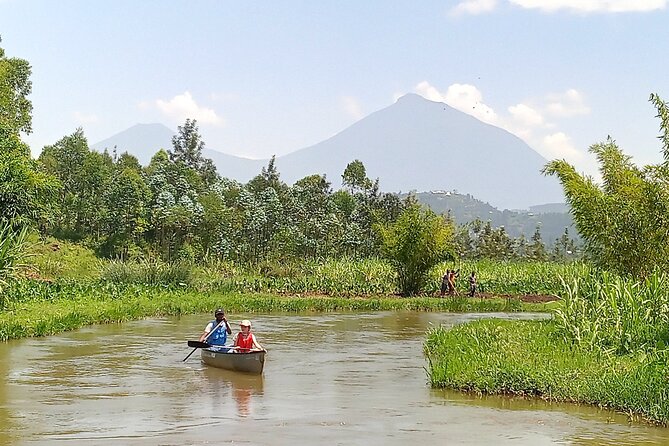
At $75 per person, this canoe trip often feels like good value because it covers the core experience: professional guide, bottled water, and pickup/drop-off from Musanze (with private Kigali transport available for extra cost).
Here’s the value breakdown that matters:
- You’re paying for guided time on two water environments (river + lakes), not just one.
- The experience is small-group limited, so you’re less likely to get lost in the shuffle.
- You don’t need prior canoe skills, which usually means the operator invests more in safety and instruction.
What might cost extra:
- Food is not included, so plan on snacks or a meal before or after.
- The Twin Lakes admission ticket is not included, so budget for that portion separately.
If you’re comparing it to a half-day with no transport and no guide, this price starts to make sense. You’re paying for a guided outdoor activity near Musanze, with the kind of wildlife focus that’s hard to replicate on your own.
Best match: who should book this canoe trip
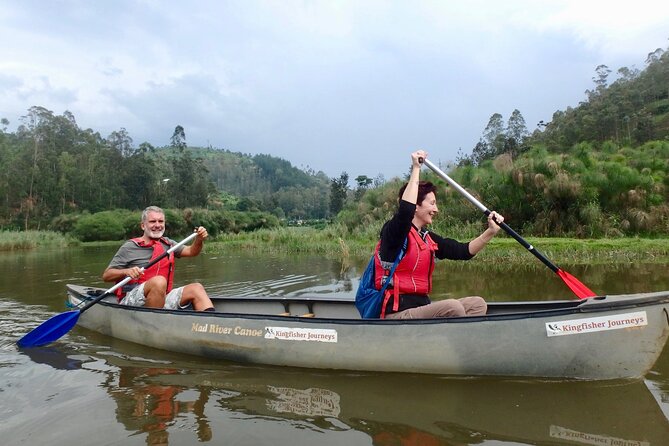
This is a smart pick if you want Northern Rwanda in an active, hands-on way without planning a full-day slog.
It’s especially good for:
- Families with kids age 7+, since groups can include children and the river is often described as manageable with guides watching closely
- Adults who want an alternative to gorillas, but still want wildlife and memorable nature moments
- Travelers who just finished hiking in the Virunga area and want something gentler the next day
- Anyone who likes photography, birds, and the feeling of seeing everyday life from the water
Based on trip stories, it works well for mixed ages too, including multi-generational groups. The small-group setup also helps when you’re traveling with colleagues and you want a shared activity that isn’t too technical.
How to make your day smoother (and more fun)
A canoe trip rewards preparation in small ways. Here are the moves I’d make based on how the trip is run and how people describe their experiences:
- Bring wet-season ready clothing if rain is possible. A raincoat matters.
- Plan for a waterproof solution for phone and keys. Even calm sections get splashed.
- If you’re sensitive to insects, don’t assume bug levels will be low. Bring repellent anyway.
- Listen closely at the start. Your guide’s briefing sets the tone for both comfort and safety.
- When you’re not paddling, keep your attention open for kingfishers and herons—they’re often easier to spot when you’re still.
Also, since your guide may handle photographs at key moments, you can relax your grip on the camera. That’s a small but real quality-of-life improvement on a moving craft.
Should you book the Half-Day Mukungwa River Canoe Trip from Musanze?
If you’re choosing between this and another activity in Musanze, I’d book it if you want a guided, small-group river-and-lakes day with strong odds of bird sightings and a real chance at the kind of wildlife moment you can’t plan.
I’d hesitate only if you’re very sensitive to water conditions or you need guaranteed clean water and zero mess. One report mentions garbage and brown water, and another describes an unsettling moment involving children along the river. Those aren’t deal-breakers for everyone, but they’re worth considering so you show up with the right expectations and pack accordingly.
FAQ
How long is the Mukungwa River canoe trip from Musanze?
It runs for about 6 hours in total.
Is hotel pickup and drop-off included?
Yes. Pickup and drop-off from Musanze (from designated meeting points) is included.
Where do we meet if we don’t use hotel pickup?
Unless you arrange otherwise, the meeting place is La Silene, a coffee shop on the Kigali road, at the bottom of the hill just outside Musanze.
What’s included in the tour price?
The price includes bottled water, a professional guide, and pickup/drop-off. The admission ticket for the Mukungwa River portion is included, while the Twin Lakes recreational island admission ticket is not included.
Do I need canoe experience?
No experience is necessary.
What are the age limits and physical requirements?
The minimum age is 7. Travelers should have a moderate physical fitness level. Anyone under 16 must be accompanied by a responsible adult, and the maximum group size is 8.
If you want, tell me your travel dates and whether you’ll be traveling as a couple or with kids, and I’ll help you decide how this fits with gorilla plans, hikes, and rest time in Musanze.