REVIEW · BIG ISLAND OF HAWAII
Historic Hilo Bay Waterfalls by Kayak
Book on Viator →Operated by Kapohokine Adventures · Bookable on Viator
Hilo looks different from a kayak. This guided paddle into Hilo Bay combines calm water time with Moku Ola-era local stories and the feeling that you’re seeing Hilo from the inside instead of from the sidewalks. With a small group (up to nine), you get real attention, not a cattle-herd vibe.
I also like that you do not need kayaking skills in advance—guides teach you, and they are lifeguard certified. You’ll get bottled water plus a light snack, and the trip is built for wildlife eyes too, including honu (sea turtles). One thing to consider: the experience depends on good weather, and heavy rain can change the route, so you might not reach every waterfall spot.
In This Review
- Key highlights to know before you go
- Why this Hilo Bay kayak tour is more than a pretty paddle
- The 2-hour format: pacing that works for beginners
- Route highlights: waterfalls, rivers, beaches, and a hydroelectric plant
- Rivers and tranquil paddling
- Hidden waterfall areas
- Beaches and shoreline viewing
- The hydroelectric plant stop
- Turtle spotting (honu) and why slow matters
- Guides and the small-group advantage: the difference you’ll notice
- Price and value: what $160.10 really buys you
- What to pack and how to handle motion and weather
- If you get motion sickness
- Dress for wet conditions
- Weather can change the trip
- Who should book this kayak-and-waterfalls experience
- Should you book Historic Hilo Bay Waterfalls by Kayak?
- FAQ
- How long is the Historic Hilo Bay Waterfalls by Kayak tour?
- Where does the tour start?
- What time does the tour begin?
- Do I need kayaking experience?
- What’s included with the tour price?
- How many people are in the group?
- What happens if weather is poor?
Key highlights to know before you go
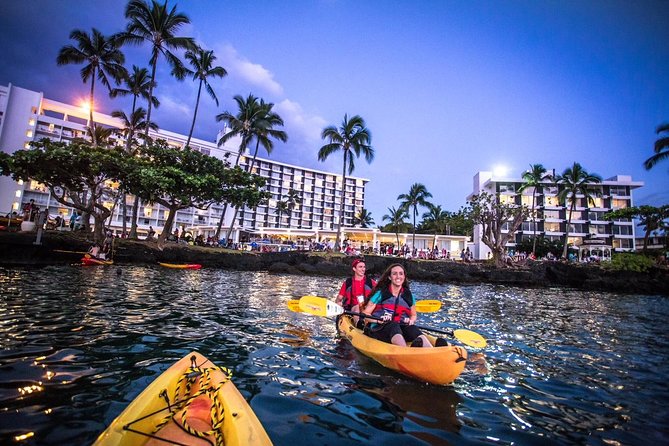
- Small-group feel (max 9 people): more time with the guide and less waiting around on shore
- Instruction included: you can join without prior kayaking experience
- Narrated history on the water: learn about Moku Ola (coconut island) and changes around Hilo
- A real mix of scenery: rivers, beaches, hidden waterfalls, and a hydroelectric plant
- Wildlife possibility: keep an eye out for friendly honu
- Weather can shift what you see: flooding or rough conditions may alter the plan
Why this Hilo Bay kayak tour is more than a pretty paddle
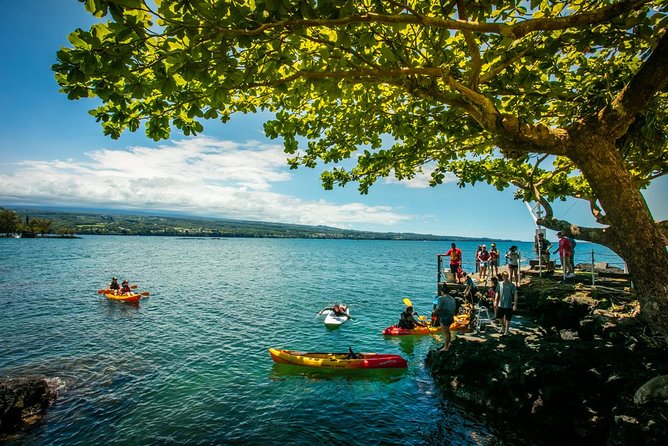
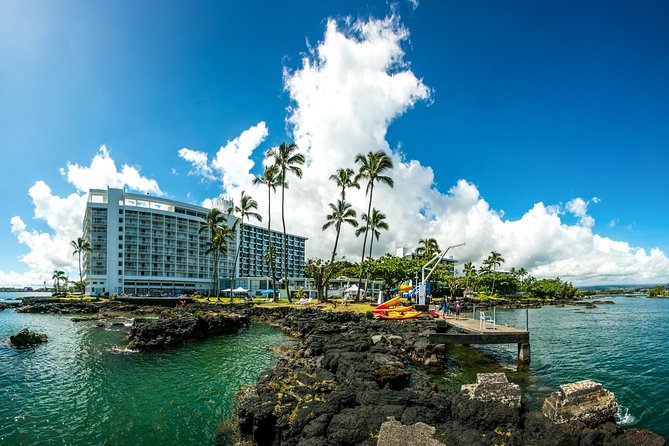
A kayak tour works when you want two things at once: a break from crowds and a new way to read a place. That’s what I like about this one. You start from the pier behind the Kapohokine Adventures store and work your way along calm sections that let you actually notice details—turtle shapes, shoreline changes, and the way water connects Hilo town to the coast.
The big value is that it’s not just kayaking with a headset. You get guided narration about the bay’s story, including Moku Ola (coconut island), plus how the area has changed over time. On foot, it’s easy to miss the cause-and-effect between river flow, coastal access, and what the shoreline looks like today. From the water, those connections click fast.
You can also read our reviews of more tours and experiences in Big Island of Hawaii.



The 2-hour format: pacing that works for beginners
This is a roughly 2-hour guided session, and the pace is built to keep it enjoyable. They provide instruction, so you’re not left figuring out technique while everyone else glides ahead. The tour also stays in a manageable time window. If you’ve got limited time on the Big Island, this gives you a satisfying “I did something different” box without eating your whole morning.
Group size matters here. With a maximum of nine people, you’re more likely to get help quickly if your stroke needs adjustment or if you’re unsure where to look. It also means you can hear the narration and ask questions without shouting over chaos.
One practical note: the tour requires a strong physical fitness level. That doesn’t automatically mean it’s hardcore, but you should expect paddling effort and some balance time. If you get winded easily on water or you’re not comfortable bracing in a kayak, you’ll want to think carefully.
Route highlights: waterfalls, rivers, beaches, and a hydroelectric plant
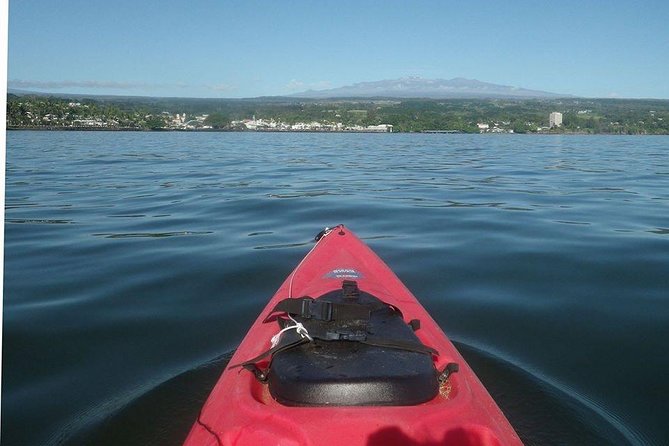
The route is designed like a sampler platter of Hilo Bay’s different moods. Expect a narrated tour that includes tranquil rivers, beach sections, hidden waterfalls, and a hydroelectric plant, with the guides keeping you oriented as conditions change.
Here’s what those pieces usually mean for your experience:
Rivers and tranquil paddling
These sections are where you get the payoff of being on the water without the stress of constant rough waves. This is the time you can slow down, look for honu, and really enjoy the quiet. Even people who think they’re only signing up for scenery tend to remember these calmer stretches most.
Hidden waterfall areas
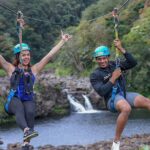
Waterfalls are part of the plan, but here’s the honest consideration: weather affects water levels. When rain and flooding change what’s safe, the guide may adjust the path. That’s not a failure on your part—it’s part of running a water activity responsibly. The upside is that you’re still out there doing a guided bay paddle with shoreline access and chances to cool off if conditions allow.





Beaches and shoreline viewing
The beach segments are how you break up the paddling rhythm and see Hilo from angles you can’t get from a walking route. You’ll also notice how water and land meet here—where it’s easy to access, where it’s not, and how the bay shape influences what you see.
The hydroelectric plant stop
A hydroelectric plant isn’t just a random detour. It ties the tour to how water moves through the region. On this kind of kayak trip, those “real world” structures land differently than they do on a bus tour. You’re literally close enough to feel the water’s importance.
Turtle spotting (honu) and why slow matters
Keeping an eye out for honu (sea turtles) is part of the tour’s focus. That means you’re not just being told there might be wildlife—you’re encouraged to watch. Turtle sightings are never guaranteed, but the setup helps. When you’re moving slowly in sheltered water, you’re more likely to spot shapes at the surface or near shoreline edges.
If wildlife is a priority for you, this is one of those tours where slowing down is the point. The “fast paddling” mindset from open ocean kayaking can work against turtle spotting. Let the guide set the rhythm and keep your eyes where they ask you to look. It’s more likely you’ll see something, and even if you don’t, you’ll still come back with a better feel for the bay.
Guides and the small-group advantage: the difference you’ll notice
This is the kind of tour where the guide quality can make or break the trip. You’ll be with lifeguard certified guides, and the narration is part of the experience, not an add-on.
Different guides bring different energy. In particular, names like Victor, Andre, and Montana show up in the feedback as standouts for making the experience fun and informative. That matters because you’re not just managing a kayak—you’re also learning what to pay attention to while you’re on the water.
In a group of up to nine, you’re more likely to get personalized support. And if you’re new to kayaking, that support is everything. It helps you get comfortable faster, so you can spend your attention where it belongs: on the bay, the water, and the story being told along the way.
Price and value: what $160.10 really buys you

At $160.10 per person for about two hours, this is not a cheap activity. But it also isn’t just a kayak rental. You’re paying for guided instruction, lifeguard certified supervision, and a structured route with narration and safety management.
Here’s the value logic you should use when deciding:
- If you want to paddle with minimal friction—especially if you’re new—this saves you the time and worry of figuring out where to go and how to manage your time.
- If you care about the bay’s specific stories (like Moku Ola) and the “why” behind what you’re seeing, guided context is a big part of what you’re buying.
- If you’re mainly after a low-cost paddle and you’re comfortable renting and exploring on your own, this may feel expensive compared with a do-it-yourself approach.
So I’d frame it like this: if you want structure, safety, and meaning, the price starts to make sense. If you’re purely cost-sensitive and confident kayaking solo, you may prefer another option.
What to pack and how to handle motion and weather
The tour includes bottled water and a light snack, so you don’t need to bring those. Beyond that, plan around the reality of being on the water in Hilo.
If you get motion sickness
This one matters more than you might expect. A few people found that kayaking can trigger motion sickness, especially when you’re seated and turning your head a lot to look around. If you’re prone to nausea, consider taking motion sickness medicine before you go, the way some folks recommend for these kinds of outings. Also, ask your guide what to do if you start feeling off.
Dress for wet conditions
Even when it’s calm, you’ll likely get some spray. Wear something you can tolerate getting damp, and bring a plan for staying comfortable after you’re back on shore.
Weather can change the trip
This activity needs good weather. If conditions aren’t right, the experience may be canceled and you can choose a new date or get a full refund. That’s a normal reality for Hawaii water tours—safety first. If you’re traveling with a tight schedule, try not to stack too many weather-dependent activities on the same day.
Who should book this kayak-and-waterfalls experience
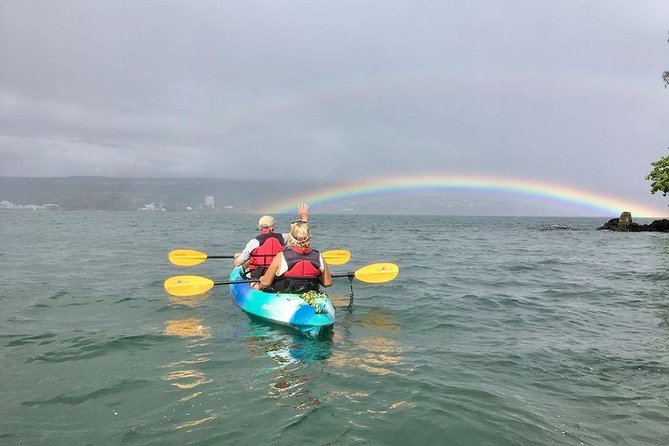
This is a strong fit if you want:
- a small-group paddle with narration
- instruction if you’ve never kayaked before
- a chance to see honu and get a different view of Hilo
- a morning activity that feels active but not all-day exhausting
You might want to skip it if:
- you have limited ability to paddle for the duration
- you’re highly sensitive to motion sickness and you don’t plan to manage it
- you absolutely need to see waterfalls no matter what. The route includes waterfalls, but conditions can affect how the day plays out.
Should you book Historic Hilo Bay Waterfalls by Kayak?
If you’re choosing between this and a simple kayak rental, pick based on what you want the day to be about. If you want context—Moku Ola stories, local history on the water, lifeguard certified guidance, plus water and snacks—this tour is a smart call. It’s also ideal when you want the bay experience without the stress of planning your route.
If your goal is pure DIY kayaking and you’re experienced enough to handle logistics, you may feel the guide isn’t necessary. But if you’re new, or you’d rather let someone else manage safety and route decisions, the guided format is exactly the point.
FAQ
How long is the Historic Hilo Bay Waterfalls by Kayak tour?
It runs for about 2 hours.
Where does the tour start?
You’ll meet at 93 Banyan Dr, Hilo, HI 96720, and the tour ends back at the meeting point.
What time does the tour begin?
The start time listed is 9:00 am.
Do I need kayaking experience?
No. Instructions are provided, and the guides help you get comfortable.
What’s included with the tour price?
Bottled water and a light snack are included.
How many people are in the group?
The tour has a maximum of 9 travelers, so it stays small.
What happens if weather is poor?
The activity requires good weather. If it’s canceled due to poor weather, you’ll be offered a different date or a full refund.