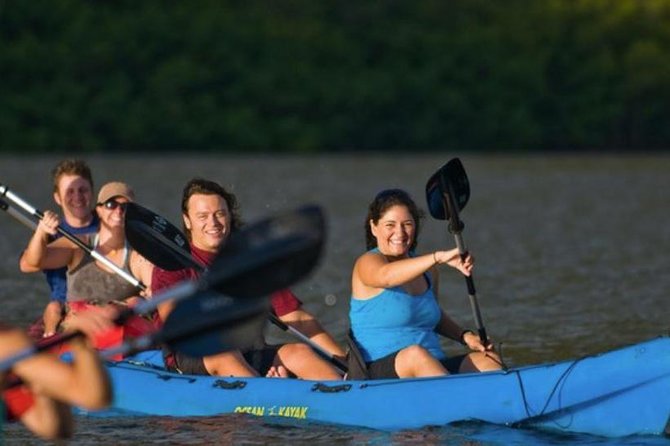
One quiet paddle turns into a jungle detour. This half-day trip mixes tandem kayaking on the Hule’ia River with a rainforest walk to Hidden Falls and a real chance to cool off in the water. I love the way the guides coach you step-by-step, even if you have never kayaked.
What I really like is the small-group vibe: you get safety gear, hands-on instruction, and a calm pace from river to trail. Guides like Theo and Zeck are the kind that explain both technique and local stories without making you feel rushed, and the whole plan stays doable for mixed ages and abilities.
One possible drawback: the waterfall portion can vary. If the island has been dry, Hidden Falls may look more like a trickle than a big show.
In This Review
- Key Things I’d Pin to My Map
- Setting Out on Kauai’s Hule’ia River: How the Morning Flows
- Hule’ia Wildlife Refuge to Menehune Fishpond: Two Stops With Real Meaning
- Hidden Falls: The Muddy Hike, the Swimming Hole, and the Rope Swing Factor
- Snacks, Cold Drinks, and a Real Rest Before the Fun Finish
- The Return Ride by Motorized Hawaiian Canoe: Why You’ll Feel Lucky
- What to Bring and Wear: The “Don’t Be Miserable” Checklist
- Skill Level and Fitness: Built for Beginners, Works for Families
- Price and Value at $162.28: What You’re Really Paying For
- Who Should Book This Kayak and Hike on Kauai?
- Final Call: Should You Book This Tour?
- FAQ
- How long is the Hule’ia River Hidden Valley Falls Kayak & Hike?
- What does the tour cost?
- Where do I meet for the tour?
- Is hotel pickup or drop-off included?
- What should I bring and wear?
- What if I’m a beginner at kayaking?
- Are there age limits or rules for minors?
- What happens if the weather is bad?
Key Things I’d Pin to My Map
- Tandem kayaking that shares the work so you can focus on steering and enjoying the ride
- Hule’ia National Wildlife Refuge with watery scenery and a bird-preservation mission
- Alekoko (Menehune) Fishpond as a living archaeological stop tied to ancient aquaculture
- Muddy rainforest hike plus pool-drop waterfalls at Hidden Falls, not a huge cascade wall
- Rope swing and lagoon time at the swimming-hole destination
- Return by motorized double-hulled canoe so your arms get a break
Setting Out on Kauai’s Hule’ia River: How the Morning Flows
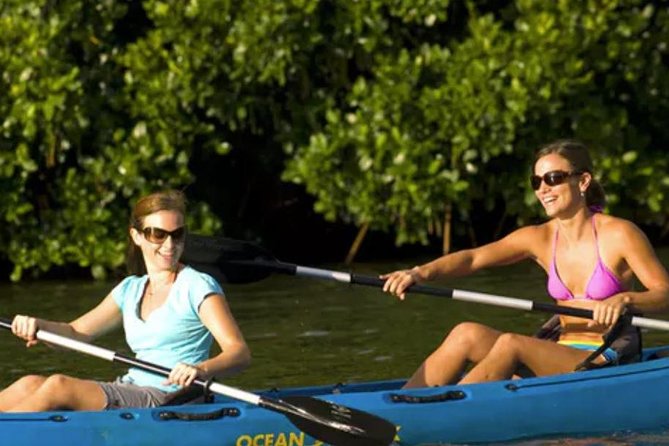
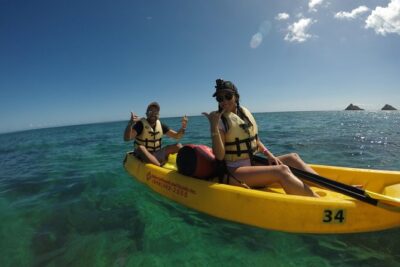
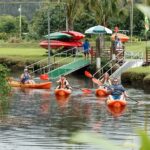
Your day starts at the Outfitters Kaua’i Kayak Shack in Lihue (2494 Niumalu Rd). No hotel pickup here, so you’ll want a clear plan for getting yourself to the meeting point on time. From there, you get outfitted and briefed, then the group heads out in tandem kayaks to begin the water part of the adventure.
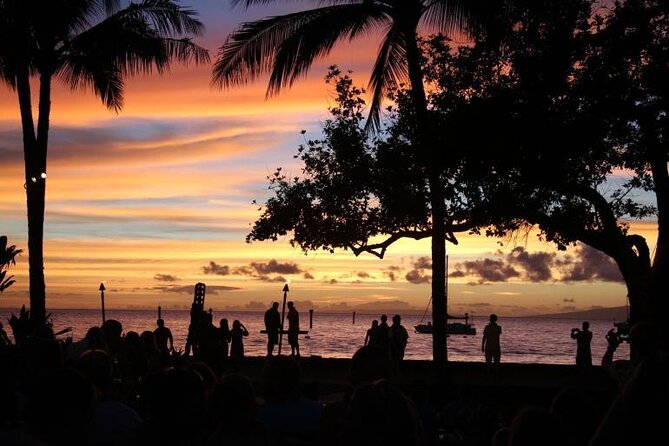
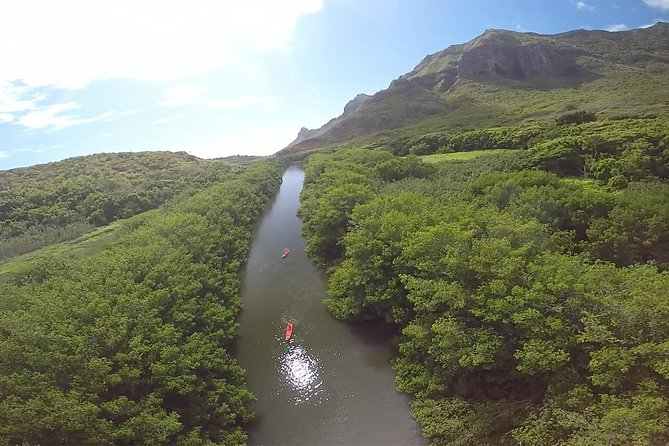
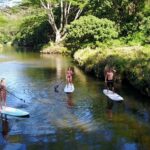
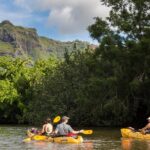
The first paddling stretch takes you through the Hule’ia National Wildlife Refuge. That matters because this is not just “pretty water.” The refuge is dedicated to preserving Hawaiian waterbirds, so the scenery is tied to a conservation purpose. As you float along, you’re also treated to river views framed by the Haupu Mountain Range, a 2,000-foot shield volcano that can loom over the water in a way that feels both close and dramatic.
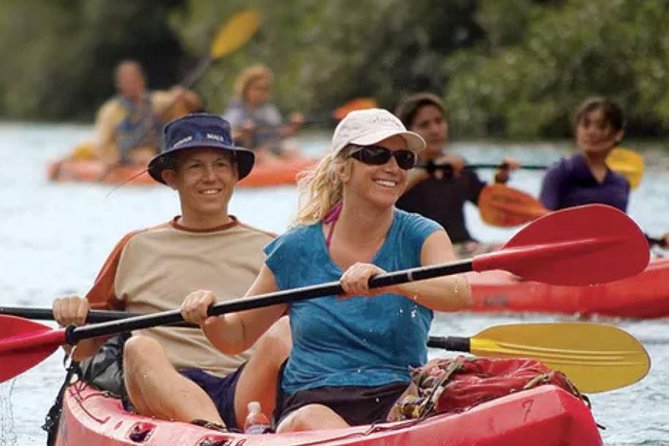
A lot of people worry they’ll slow the group down. You won’t. The trip is built for real beginners as well as stronger paddlers, and the guide-to-group ratio (about one guide per 8–12 people) supports that steady pace. In mixed groups, tandem seating does the heavy lifting: if one person’s arm strength is limited, the other can keep the kayak moving while the guide offers coaching.
You can also read our reviews of more tours and experiences in Kauai.
Hule’ia Wildlife Refuge to Menehune Fishpond: Two Stops With Real Meaning
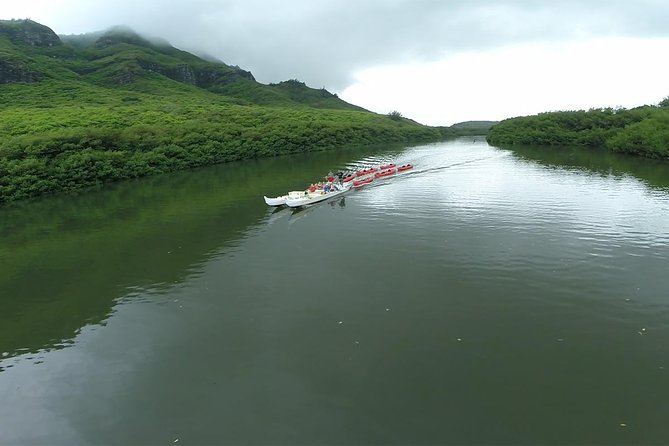
The river portion includes a few “pause and look” moments that make the trip feel more than just exercise. One highlight is floating past the Alekoko (Menehune) Fishpond, described as a living archaeological site. In plain terms: this is where you can see evidence of ancient fish-farming methods in action, and the story connects the river, water management, and everyday survival in earlier times.
Then there’s the movie-and-legend angle, which shows up later on the waterfall trail, but it starts to build the moment you start moving through the scenery. Kauai has a way of making you feel like you’re stepping into a real setting rather than a theme-park viewpoint. Here, the vibe is quiet. Even when the group is active, the river doesn’t turn loud or crowded.
If you care about nature but also want local context, you’ll likely appreciate the way the guide weaves the wildlife refuge and the fishpond story into the paddling route. It turns the trip into a guided walk-through of how people and animals have used this water.
Hidden Falls: The Muddy Hike, the Swimming Hole, and the Rope Swing Factor
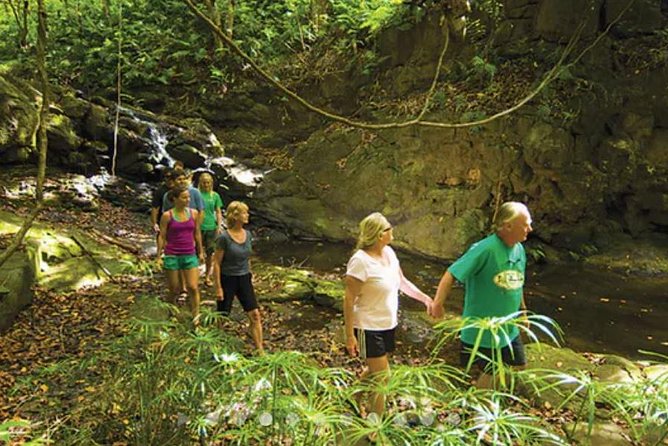
After paddling, you stash the kayaks and switch from water to foot. This is the rainforest hike segment, short by many hiking standards, but muddy by Kauai standards. I’d treat it as “moderate effort, wet ground.” You’ll be walking on trails that can be slippery and thick with plant growth, and the fun is tightly linked to being ready for damp conditions.
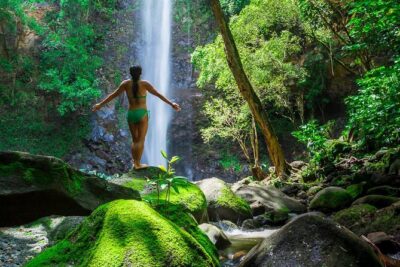
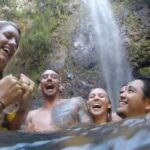
At the destination, Hidden Falls is described as a series of pool-drop waterfalls and a swimming hole. This is not the kind of waterfall that dominates the valley like a single giant curtain. The payoff is that you can actually play. Expect photo opportunities, pools where you can cool off, and the classic rope swing moment that’s been a hit with kids and adults alike.
There’s also the supernatural-being legend angle, plus references to movies filmed in this area. Whether you’re into folklore or just like a good story while you pause for a snack, the guide’s storytelling is part of what makes the stop feel memorable.
One practical note: waterfall intensity can be weather-dependent. One guide-led highlight of the experience is the pools staying full even when the recent rain has been light, but the cascades themselves may look smaller than you hoped if dry weeks have taken the volume down.
Snacks, Cold Drinks, and a Real Rest Before the Fun Finish
Once you reach the falls area, there’s time to slow down. You’ll enjoy snacks and cold drinks while you take in the pool-and-waterfall scenery. This is a helpful break in the schedule. Your legs are on wet ground now, and it’s smart to treat this stop like a reset rather than a rushed photo session.
Sun is also a factor even during a half-day. On the water, glare can be intense, and the heat can surprise you. Bring sunglasses and sunscreen, and consider a hat if you’re sun-sensitive. If you’re planning to bring a waterproof camera, this is the moment you’ll want it most, especially around the rope swing and swimming-hole water.
The Return Ride by Motorized Hawaiian Canoe: Why You’ll Feel Lucky
After the hike and swim time, you head back down the river on a motorized Hawaiian canoe. This part is a big deal for value and comfort. Your paddling “work” has already happened, and the powered return means you can relax, look around, and let the boat do the effort.
It’s also a fun change of pace. You’re not just retracing the same kayak strokes until your shoulders feel it. Instead, you shift from active work to scenic cruising, which makes the overall day feel balanced rather than exhausting.
If you tend to get tired easily on water, this is your payoff segment. People often say they appreciate the easy finish, and for good reason. It turns a trip that could feel like a workout into a half-day adventure you can still enjoy afterward.
What to Bring and Wear: The “Don’t Be Miserable” Checklist
This is a water-and-mud combo tour, so your gear matters more than you’d expect.
Pack swimwear. Even though you’re hiking and paddling, you’ll still want to be in swim-ready clothes from the start. One common heads-up from past participants: there isn’t a convenient place to change on-site, so wearing your swimwear when you arrive prevents awkward improvising.
Wear footwear with aggressive tread that can get wet. Teva-type sandals or aqua socks are a good match because you need grip on muddy sections and comfort in wet areas. Add a towel, sunscreen, and insect repellant. Kauai insects don’t care about your itinerary.
If you like photos, bring a waterproof camera and consider a small dry pack for essentials like sunglasses and a hat. On sunny water days, reflections can be strong enough to burn faster than you might guess.
Skill Level and Fitness: Built for Beginners, Works for Families
This trip is designed for “most travelers.” That doesn’t mean it’s zero-effort, but it does mean the guides teach the basics and keep the pace realistic.
Kayaking is done in deluxe two-person kayaks, which helps a lot if one person is weaker at paddling. You can also expect a pairing situation if your group doesn’t divide neatly into tandem seats; you may buddy up with a stranger or with a guide. If you have limited arm strength, it’s possible to get supported by the guide if needed, which keeps the trip from turning into a stress test.
The hike is also “manageable” rather than hardcore. Past experiences on this tour show it can work for a wide age range, including families with kids around 8 to 12 and grandparents in their 60s and 70s. The key is knowing that the trail can be muddy, so slow and steady wins.
If you want a Kauai activity that feels active but doesn’t require training, this is a strong fit. If you’re chasing a big, strenuous workout, you might find it too relaxed for your taste—but the tradeoff is that you’ll still have energy for swimming and a scenic canoe ride.
Price and Value at $162.28: What You’re Really Paying For
At $162.28 per person, this is not a bargain, but it’s also not priced like a private expedition. The value comes from what you’re getting bundled in.
You pay for:
- Guided instruction (not just “here’s a kayak, good luck”)
- A deluxe two-person kayak
- Cold bottled water
- Local taxes
- The full half-day experience, including the powered return canoe
The trip also runs about 3 hours 30 minutes, which is a good length for people who want something substantial without sacrificing the whole day. You’ll spend enough time on the water and at the falls that it feels like an outing, not a quick photo stop.
The main cost friction is that hotel pickup and drop-off are not included. If you don’t already have transportation, you’ll want to factor in how you’ll reach the Lihue meeting point. Once you’re there, the experience is set up to handle the rest: gear, guides, safety, and the flow from paddling to hiking to canoe.
Who Should Book This Kayak and Hike on Kauai?
Book this if you want:
- A beginner-friendly kayaking experience with real teaching
- A short rainforest hike that includes swimming-hole fun
- Local storytelling tied to places like the Menehune Fishpond and legends around the falls area
- A small-group feel (maximum 16 people)
- An easy return by motorized canoe
It’s also a good family option because the trip scales with mixed fitness levels. The tandem setup helps pair different strengths, and the guide support can keep everyone moving at a reasonable pace.
Skip it (or at least adjust your expectations) if you’re specifically hunting for a huge, roaring waterfall. Hidden Falls is more “play in pools and enjoy cascades” than “see a massive drop from far away.” And if Kauai has been dry recently, expect the falls volume to be lower than your perfect photo in your head.
Final Call: Should You Book This Tour?
Yes, if you’re planning a Kauai trip that mixes active time with relaxing payoff. I’d choose it when I want a guided day that teaches you how to paddle, gets me into a rainforest setting, and then lets me cool off without burning the whole afternoon.
I’d think twice if waterfall drama is your top priority or if you’ll be disappointed by a smaller trickle after a dry spell. If you’re flexible and you’ll enjoy the pools, rope swing moment, and river scenery regardless of waterfall volume, this tour is one of the more balanced half-day adventures on the island.
FAQ
How long is the Hule’ia River Hidden Valley Falls Kayak & Hike?
It runs about 3 hours 30 minutes.
What does the tour cost?
The price is $162.28 per person.
Where do I meet for the tour?
You meet at Outfitters Kaua’i Kayak Shack, 2494 Niumalu Rd, Lihue, HI 96766.
Is hotel pickup or drop-off included?
No. You’ll need to get to the meeting point yourself.
What should I bring and wear?
Bring swimwear, footwear with an aggressive tread pattern that can get wet (like Teva-type sandals or aqua socks), a towel, sunscreen, insect repellant, and a waterproof camera. Waterproofing matters because you’ll be in and around water and muddy sections.
What if I’m a beginner at kayaking?
The tour is designed for most travelers, with safety equipment provided and expert local guides giving one-to-one guidance as needed.
Are there age limits or rules for minors?
Minors must be accompanied by a parent or guardian. Most travelers can participate.
What happens if the weather is bad?
This experience requires good weather. If it’s canceled due to poor weather, you’ll be offered a different date or a full refund.