REVIEW · MIYARA RIVER
Ishigaki: Mangrove SUP or Canoe & Phantom Island Snorkeling
Book on GetYourGuide →Operated by ISHIGAKI ADVENTURE PiPi · Bookable on GetYourGuide
Tides turn Phantom Island into something else. This Ishigaki tour pairs Phantom Island snorkeling with a mangrove paddle so you get two very different water worlds in one day. It’s also built as an eco-friendly outing focused on protecting the island.
I especially like the chance to paddle through hirugi forest mangroves along the Miyara River, a national natural treasure. I also love the idea of swimming around sandy, tide-changing Phantom Island where the water feels like a natural aquarium.
The one thing to keep in mind is that weather can change the order and even the snorkeling field, since the boat may not be able to depart and plans get adjusted for safety.
In This Review
- Key things that make this tour worth your time
- Phantom Island and mangroves: two worlds in one Ishigaki day
- The 6-hour rhythm: speedboat hop, port break, and two water activities
- Hamahiga Island snorkeling hour: quick, focused, and close to the action
- The port break at Euglena Ishigaki Port Terminal: use it smart
- Miyara River canoeing or SUP: the hirugi forest experience
- Phantom Island snorkeling: swim where the shoreline changes with tide
- What you’ll actually get: gear, photo data, and how to pack
- Weather and tide changes: how this tour handles a rough day
- Guides, language, and pacing: what the experience feels like in practice
- Price and value: does $119 make sense for this 6-hour mix?
- Who should book this Ishigaki combo (and who shouldn’t)
- Should you book this tour for your Ishigaki days?
- FAQ
- FAQ
- What’s the duration of this Ishigaki tour?
- How much does the tour cost?
- Where does the tour start and end?
- What activities are included?
- What’s included in the price?
- Do I need to bring my own snorkeling gear or life jacket?
- Is transportation included?
- What should I bring and wear?
- What if the weather is bad?
- Who is the tour not suitable for?
Key things that make this tour worth your time
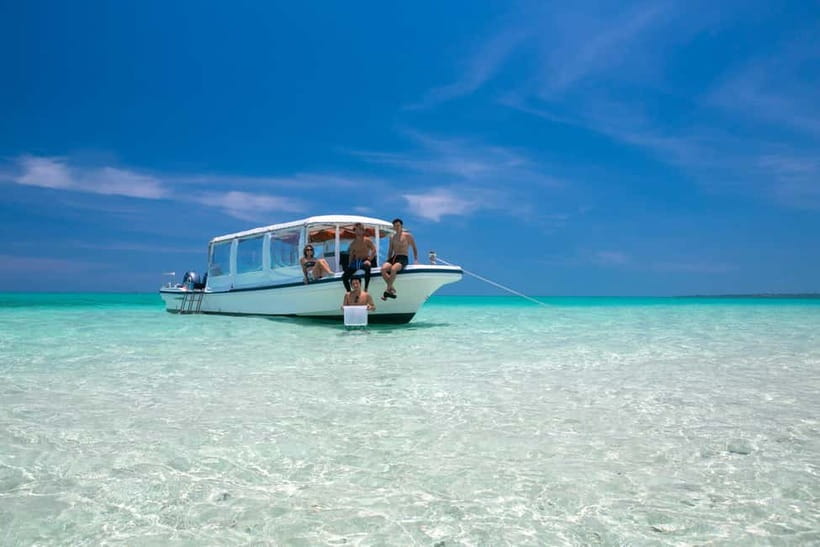
- Tide-changing Phantom Island sandbar snorkeling, with a real natural-aquarium feel
- Miyara River hirugi mangroves by canoe or SUP, in a national natural treasure setting
- A full hour on the water for snorkeling plus a separate hour paddle time, not just a quick stop
- Beginner-friendly coaching with clear instruction and guide flexibility, including strong English support
- All the gear you need included (SUP/canoe equipment, snorkeling kit, life jacket, special shoes, photo data)
- Eco-focused approach aimed at preserving Ishigaki’s coastal environment
Phantom Island and mangroves: two worlds in one Ishigaki day
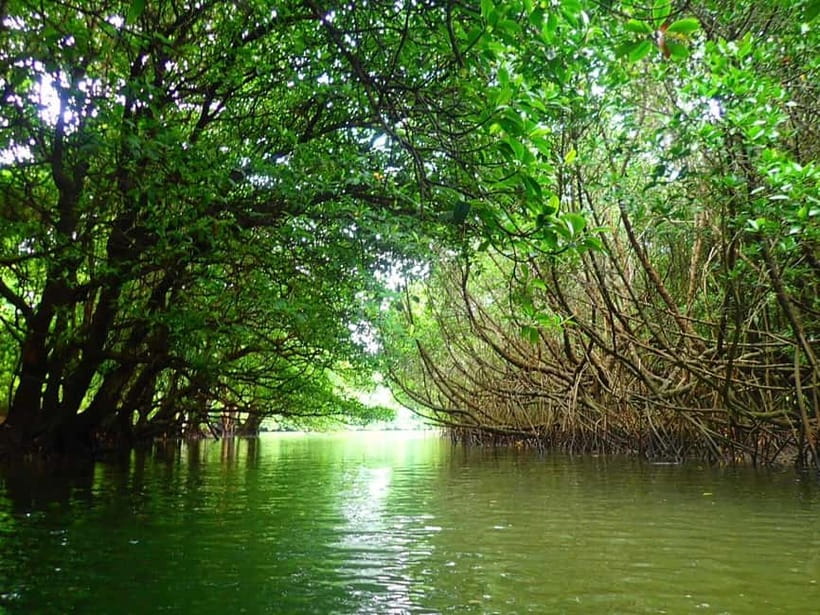
If you’re trying to understand why Ishigaki feels different from other Okinawa islands, this combo is a good clue. You start with water that’s calm and sheltered, then you shift to open-ocean shallows around a sandy formation that literally changes shape with the tide.
The tour is built around two main ideas: first, slow travel through the mangrove river (learning as you move). Second, swim time where the underwater life is close enough to feel personal. Even the schedule reflects that split personality: speedboat out, snorkeling time, then back for paddle time in the mangroves.
I also like that the experience includes both styles—SUP or canoe—so you can pick the one that matches your comfort level. Canoes tend to feel steady and “glide-y.” SUP feels more active, like you’re balancing while you explore.
The 6-hour rhythm: speedboat hop, port break, and two water activities
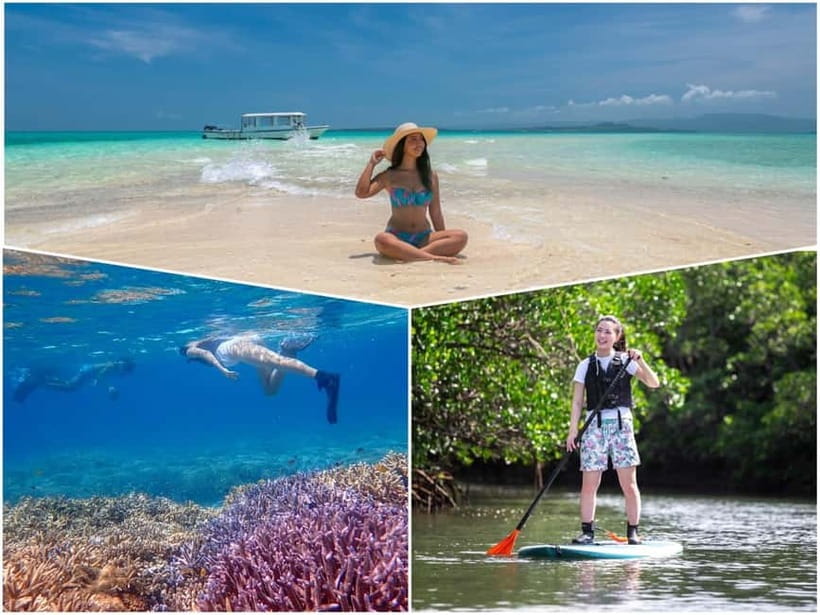
You’re looking at about 6 hours total, with the exact start time depending on availability. The plan is structured so you’re on the water twice: once for snorkeling and once for paddling.
Here’s how the day flows:
- You meet at one of the options at ユーグレナ石垣港離島ターミナル (the exact meeting point can vary by the option you book).
- Then there’s a 30-minute speedboat ride.
- You get a photo stop and about 1 hour of snorkeling at a set location.
- Next comes a 2-hour break at the port terminal.
- Finally, you head to Miyara River for 1 hour of canoeing or SUP through the mangroves.
- You finish back at the terminal.
That port break matters more than you might think. You’ll be in wet gear and you’ll likely work up a thirst. A long break gives you time to change, dry off a bit, and reset your focus for the paddling portion.
Hamahiga Island snorkeling hour: quick, focused, and close to the action
One part of the schedule sets aside an hour of snorkeling right after the speedboat. This time block is long enough to feel like you actually did snorkeling, not like you just dipped in for photos.
Even if you’re a first-timer, you’ll be set up for success with snorkeling equipment plus safety gear. You’ll also be in a wetsuit in cooler months (the tour lists wetsuits for winter), and you’ll wear special shoes designed for water use.
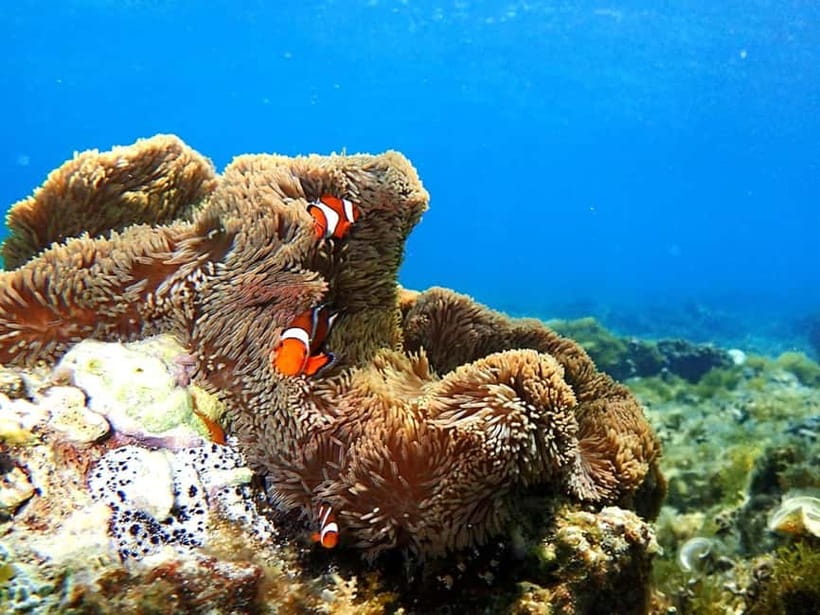
What to expect underwater: fish and corals in shallow, natural-aquarium-style conditions. The draw isn’t “deep technical snorkeling.” It’s more about calm visibility, manageable water, and having time to look around at fish behavior.
The port break at Euglena Ishigaki Port Terminal: use it smart
The itinerary includes about 2 hours back at the port terminal. Don’t treat that like wasted time. Treat it like a gear-management window.
Here’s what I’d do in your shoes:
- Change clothes and towel-dry so you’re not shivering for the paddle.
- Refill water and decide what you want for snacks, since drinks are something you should bring (the tour specifically asks you to bring drinks).
- Double-check what you’re carrying: the tour asks you to bring cash and clothes that can get dirty.
Also note: the tour uses the phone/email contact you give at booking to send important information. If you miss messages, you can end up scrambling during the break.
Miyara River canoeing or SUP: the hirugi forest experience
Now for the “slow down and pay attention” part. Miyara River’s mangroves are where the tour earns its reputation, because paddling here feels like you’re moving through a living corridor rather than just “being on a boat.”
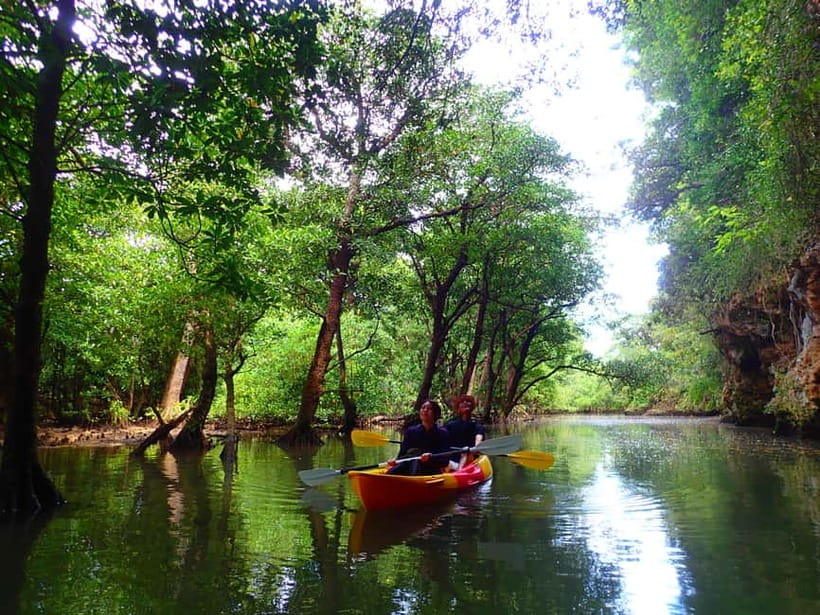
The focus is hirugi forest mangroves, described as a national natural treasure. Practically, that means you get water channels framed by mangrove roots, and you’ll spend time learning the space as you paddle.
You choose your style:
- Canoe: typically steadier and more relaxing if you want to focus on scenery and guide talk.
- SUP: more physical, with balance practice, but still guided so you’re not left guessing.
Either way, you’ll get SUP/canoe equipment and you’ll wear a life jacket. The included setup reduces the “what do I do with this?” stress, which makes the hour on the water feel productive rather than clumsy.
From the way guides are described in feedback, the coaching is a big part of the experience. In particular, guides like Ayaka and Arai are highlighted for clear instructions in English and for patiently answering questions. That matters on mangrove routes where you’re learning where to steer and what obstacles to avoid.
Phantom Island snorkeling: swim where the shoreline changes with tide
Phantom Island is one of those places that sounds like a travel-movie location until you understand the detail: it’s a sandy beach formation that sits in the ocean, and its shape shifts depending on the tide.
That changing shape is the reason the name Phantom Island sticks. At different water levels, the sandbar can look and feel different. For snorkeling, that means the “where should I look and swim?” question can shift during the day.
The tour is built around this idea of a natural aquarium—swim in surrounding waters with fish and corals that are close enough to enjoy without needing specialist gear beyond what’s provided.
A useful detail for your expectations: snorkeling conditions can change based on weather and strait conditions. If departure isn’t possible, or conditions are rough, the operator may switch you to another snorkeling field. In feedback, one alternative spot that comes up is the Blue Cave area, which shows how they try to keep the snorkeling element alive when the day doesn’t cooperate.
What you’ll actually get: gear, photo data, and how to pack
Included with the tour:
- SUP or canoe equipment
- Snorkeling equipment and safety gear (including a life jacket and special shoes)
- Wetsuits in winter
- Experience fee, liability insurance, and sales tax
- Photo data
That “photo data” inclusion is a nice touch because it lowers the pressure on your phone. You’re free to look at fish and corals instead of constantly trying to frame shots while staying balanced.
What to bring:
- Change of clothes
- Towel
- Drinks
- Cash
- Clothes that can get dirty
One more practical point: the tour does not include transportation. That means you’ll want to plan how you’ll reach ユーグレナ石垣港離島ターミナル on time. The meeting point can vary depending on what you book, so confirm the exact spot you’re assigned.
Weather and tide changes: how this tour handles a rough day
This is Ishigaki. Weather and water conditions can change fast, and the tour is upfront about it. If the boat can’t depart, snorkeling may be moved to another field. Also, the order of the canoe and snorkel portions can be rearranged depending on the tide level and strait conditions.
For you, that means two things:
- Build flexibility into your day. If you’re chaining other plans right after, leave buffer time.
- Don’t assume the schedule will run exactly like a clock. The operator will confirm plan changes by contacting you the day before the tour.
If you don’t receive any message by the day before, the tour points you to reach out on WhatsApp to +8180‐9508‐9146. That’s a clear workflow, and it’s worth using rather than guessing.
Guides, language, and pacing: what the experience feels like in practice
Paddling in mangroves and snorkeling near a sandbar both work best when you trust the guide. The tone in feedback is consistent: guides focus on making instructions clear and adjusting for individuals.
You’ll also run into language variation. The tour lists English and Japanese, but it also warns that on some days the guide may only speak Japanese depending on availability. So if you rely heavily on English, you’ll want to keep expectations open and be ready to follow along with simple guidance and gestures.
Guide names that show up in feedback include:
- Akari (mangrove paddle with clear communication)
- Ayaka (warm, knowledgeable mangrove guiding; named for fluent English instruction and calm explanations)
- Arai (patient, knowledgeable English communication)
- Misaki (mangrove paddling support)
- Sebastian (snorkeling coaching described as excellent and professional)
What I take from that pattern: the success of this day isn’t just the scenery. It’s the way you’re taught to move through it safely—especially if you’re new to snorkeling or new to SUP.
Price and value: does $119 make sense for this 6-hour mix?
At about $119 per person for a 6-hour outing, you’re paying for a full half-day of guided water time plus gear, safety equipment, and photo data.
The value comes from three “bundles” you’re getting:
- Two activities (snorkeling plus canoe/SUP) instead of one short stop
- Transport to the water areas via speedboat (transport is included as part of the experience, though general transportation to the meeting point isn’t)
- Gear + safety + wetsuits when needed, which saves you time and rental hassle
If you were doing snorkeling and a separate mangrove paddle as two independent tours, the pricing often ends up higher once you add gear, guide fees, and scheduling. Here, the “combo day” is the point, so it’s worth it when you want both experiences without spending your whole trip rearranging your calendar.
Who should book this Ishigaki combo (and who shouldn’t)
This tour is for people who want an active day but not an extreme one. You’ll be on the water for a total of about 2 hours (1 hour snorkeling + 1 hour paddle), and you’ll be moving through natural terrain at a guided pace.
It is not suitable for:
- Children under 5 years
- Pregnant women
- People with heart problems
- People over 60
Also avoid if you’re planning to bring anything that isn’t allowed: smoking and alcohol and drugs are not permitted, and baby carriages aren’t allowed.
If any of those categories apply to you, it’s smarter to look for a lower-impact alternative. If you fall within the suggested range, this is a great style of tour for first-time snorkeling or first-time paddlers, since the setup is equipment-heavy and the guiding is hands-on.
Should you book this tour for your Ishigaki days?
Book it if you want your Ishigaki visit to include both:
- a tide-changing sandbar snorkeling experience around Phantom Island, and
- a hands-on mangrove canoe/SUP in the Miyara River hirugi forest.
Don’t book it if you need a schedule that never changes. Weather and tides can shift the snorkeling location and the order of activities. If you can handle that flexibility, you’ll likely enjoy the day more than someone who treats the itinerary like a fixed script.
FAQ
FAQ
What’s the duration of this Ishigaki tour?
It’s listed as about 6 hours. Starting times can vary, so you’ll need to check availability for the exact time options.
How much does the tour cost?
The price is listed as $119 per person.
Where does the tour start and end?
The meeting point can vary depending on the option booked, but it’s associated with ユーグレナ石垣港離島ターミナル. The tour ends back at the meeting point.
What activities are included?
You’ll get snorkeling plus either SUP or canoeing. The plan includes cruising through the mangrove area and snorkeling around the Phantom Island concept.
What’s included in the price?
Included items are SUP/canoe equipment, snorkeling equipment and safety equipment (life jacket, special shoes), wetsuits in winter, experience fee, liability insurance, sales tax, and photo data.
Do I need to bring my own snorkeling gear or life jacket?
No. Snorkeling equipment, safety equipment, and life jacket are included. You should still bring a towel, change of clothes, and drinks.
Is transportation included?
Transportation is listed as not included. You’ll need to arrange how to get to the meeting point at the port terminal.
What should I bring and wear?
Bring a change of clothes, towel, drinks, cash, and clothes that can get dirty. You’ll be in water, so plan for wet gear and shifting temperatures.
What if the weather is bad?
The tour notes that the boat may not be able to depart depending on weather conditions. If that happens, snorkeling may be conducted at another field, and the order of activities may change based on tide and water conditions. The team confirms changes by contacting you the day before.
Who is the tour not suitable for?
It’s not suitable for children under 5, pregnant women, people with heart problems, and people over 60. Smoking, alcohol and drugs are also not allowed during the experience.