REVIEW · PAGE
Kayak Antelope Canyon and hike, at Lake Powell
Book on Viator →Operated by Paddle Express · Bookable on Viator
Antelope Canyon looks unreal from land. From a kayak on Lake Powell, it feels even closer and more personal. You paddle into the canyon from the water, then switch to a short canyon walk that keeps the whole day moving without dragging.
I especially love the small-group feel (max 11 people) and the way the guides teach while you move—geology, hydrology, geography, and how this water system shapes the canyon. I also like that the kayaks are stable sit-inside boats, so first-timers can focus on steering instead of wobbling.
One thing to plan for: this is a weather-dependent tour. Timing can shift up to about 90 minutes, and wind or waves can make the return paddle feel tougher, even if you were comfortable going in.
In This Review
- Key things I’d prioritize before you go
- Paddle Into Antelope Canyon, From Lake Powell
- Price and value: what $119 really covers
- The launch ramp reality: orientation matters more than you think
- Kayaking out: 2.5 miles to the Antelope water entrance
- The canyon walk: short hike, big visual payoff
- The paddle back: 2.5 miles with wind and boat traffic in mind
- Guides: when the person matters, it matters a lot
- Group size and pacing: why it feels manageable
- What to bring (and what to wear)
- Who should book this Antelope Canyon kayak and hike
- Should you book Paddle Express at Antelope Point?
Key things I’d prioritize before you go
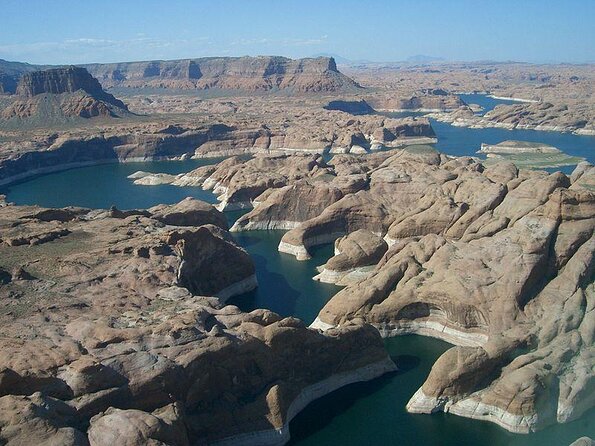
- 5-mile round-trip by kayak: 2.5 miles in and 2.5 miles back, plus a short canyon hike
- Mandatory orientation about 30 minutes before you launch (arrive early so you get geared up)
- Guides with real local depth: names you’ll hear like Sean, Jayce, Terry, and CJ come up for a reason
- Bring-your-own basics: you’ll want your own snacks and bottled water
- Sit-inside kayaks and PFDs included to keep the experience approachable
- Plan for timing flexibility: departures may move by weather
Paddle Into Antelope Canyon, From Lake Powell
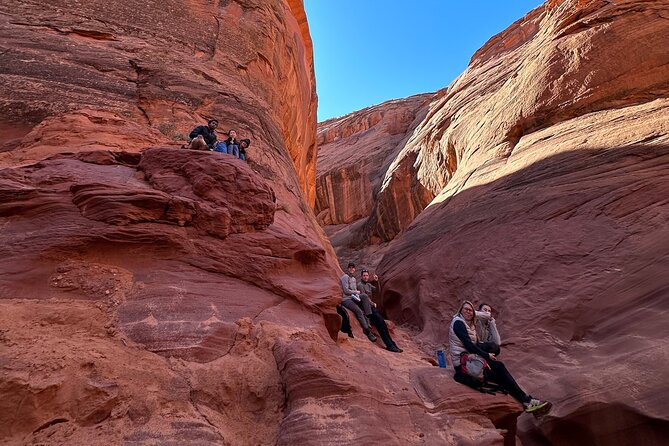
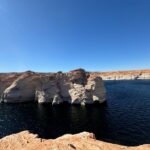
This is one of those trips where the setting does half the work for you. Lake Powell is wide and calm when conditions are right, so the first leg feels like floating into a viewpoint. Then you reach the water entrance area for Antelope Canyon, and the canyon walls start doing the wow-factor thing from a perspective most people never get.
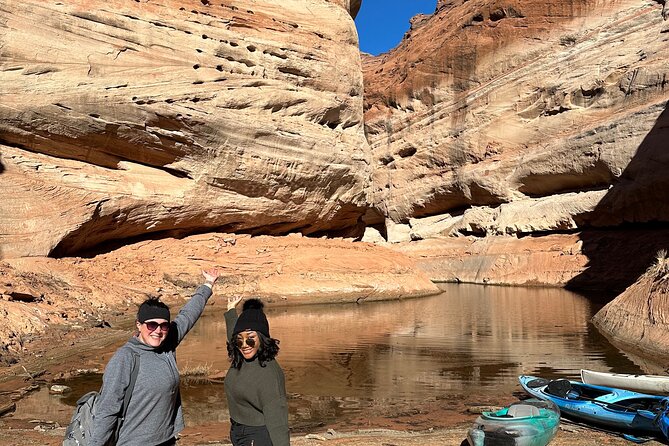
The magic is the switch. You start seated and paddling, looking outward across open water and watching the shoreline come alive. After that, you step into the canyon for a hike that’s short on distance but huge on visual impact—tight rock, changing light, and the canyon floor underfoot.
If you want a day that mixes movement with learning, this combo works. You’re not just sightseeing. You’re actively experiencing how water and rock connect here.
You can also read our reviews of more tours and experiences in Page.
Price and value: what $119 really covers
At $119 per person for about four hours, the value comes from what’s included and what it saves you from. You get premium sit-inside kayaks (single or tandem), life jackets (PFDs), a paddle, dry bags, and kayaking instruction plus a safety float plan. You also get on-the-ground interpretation—history, geology, and how the region’s geography and hydrology play into what you see.
What you’re not paying extra for:
- Equipment that’s hard to manage solo (kayaks, paddles, PFDs)
- Guided coaching so you don’t spend the day figuring out basic strokes
- A planned route that links the water entrance and the canyon walk at a sustainable pace
What you’ll still need to budget for (and bring):
- Snacks and bottled water (bring your own)
- Any personal items like sunscreen, a hat, and dry clothes for after
For many people, the biggest “value” is the time saved on logistics. You meet at the Antelope Point launch ramp area, get geared, and then the guide team handles the flow from kayak to hike and back.
The launch ramp reality: orientation matters more than you think
This tour is built around a mandatory orientation that happens about 30 minutes before the event. If you show up late, you don’t just risk missing a briefing—you risk missing the gear-up window too.
I’d treat that orientation slot like part of the tour, not a pre-trip formality. It’s where you get instructions, safety expectations, and the basic rhythm: how you’ll enter the water, how you’ll manage paddling together, and what to do once you switch to hiking.
A couple practical tips that can save your morning:
- Arrive early enough to park and walk to the ramp without rushing.
- Wear stuff that dries fast. Your feet will get wet, and you’ll hike on sandy or wet footing.
- If you’re a nervous first-timer, tell the guide during orientation. That’s the moment to ask for coaching before you’re already floating out.
Kayaking out: 2.5 miles to the Antelope water entrance
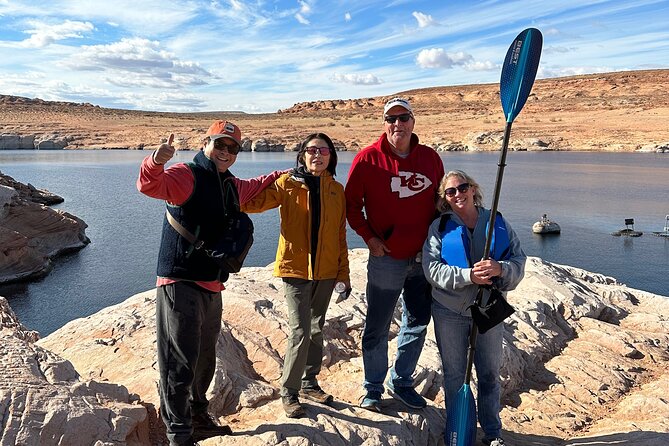
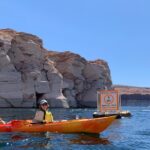
The first paddle leg is 2.5 miles in. This is the portion that sets your mood. When the lake is calm, it can feel smooth and almost effortless. You’ll be close enough to the canyon area to notice the shift from open-water views to the rock-lined water entrance.
A big reason this part feels worth it is the way guides layer information while you’re moving. Guides such as Sean and Jayce are repeatedly described as sharing history and geology so you’re not just staring at pretty walls. You’re learning what you’re seeing and why it looks the way it does.
Skill-wise, you don’t need advanced kayaking. The sit-inside kayaks are stable, and this is marketed as recommended for beginner to beginner-intermediate paddlers. Still, you should expect a workout. Even when you’re not fighting waves, you’re paddling long enough that you’ll feel it in your arms and core.
Also keep an eye on wind. One thing I’d watch for is that the return can be rougher later in the day when boat traffic and waves pick up. If you can, consider aiming for a timing window when conditions tend to be calmer.
The canyon walk: short hike, big visual payoff
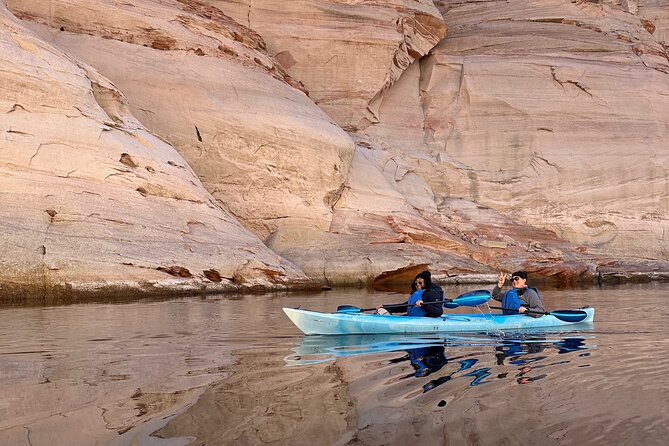
After the paddle, you switch to the canyon on foot for about 2/3 mile of scenic walking. You return the same path, so you don’t have to worry about turning around in the canyon without a clear route.
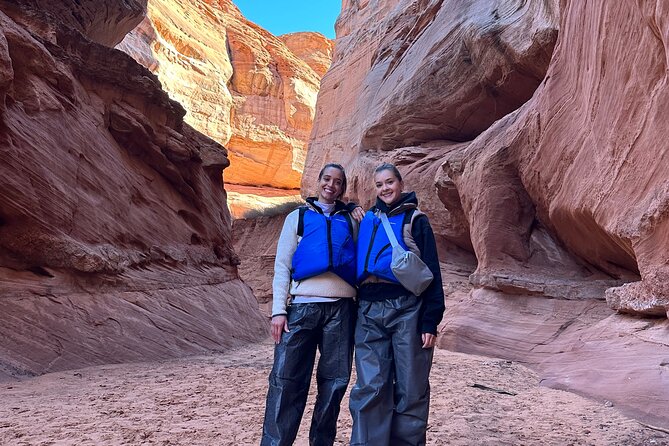
Even though the distance is modest, this is where Antelope Canyon earns its reputation. You’ll be walking inside slot canyon walls, and the light changes as you go—so photos tend to look better than you expect, even if you’re just using a phone.
Footwear matters here. Your shoes may get wet. Sand and slick spots can be real. Many people do better with sport sandals (or footwear you don’t mind getting soaked) because you can walk more securely without feeling like your shoes are waterlogged weights.
And because this is a guided experience, you’ll also hear canyon-related context while you walk. That turns the walk from a quick photo stop into something you can actually remember with details.
One consideration: if you’re expecting this to be easy and flat, manage expectations. It’s not a long hike, but it’s still a canyon walk on uneven, wet, sandy surfaces.
The paddle back: 2.5 miles with wind and boat traffic in mind
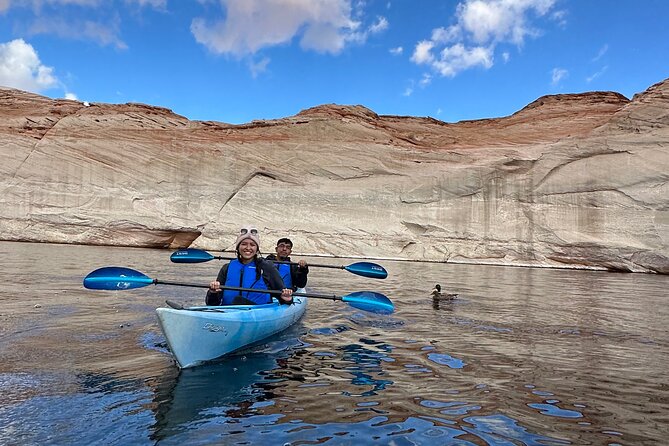
The last leg is another 2.5-mile paddle back to the launch point. This is where a lot of people’s comfort level depends on conditions. Early hours often feel smoother, while later on the lake can get choppier due to wind and motorized traffic.
One recurring theme is that the paddle back can be more demanding than the paddle in, especially for kids or first-timers. If you struggle with sea sickness, this may not be the best fit, because the open water portion can include rolling waves.
Here’s how to make the return feel easier:
- Pace yourself on the way in. Don’t burn all your energy in the first half.
- Use the coaching you get at orientation. Simple technique makes a surprising difference.
- If you need a break, ask early rather than waiting until you’re already exhausted.
It’s also just smart to remember this is a group activity. You’ll be coordinating with others, and that can limit how fast you personally want to go. Try to stay calm and go with the flow.
Guides: when the person matters, it matters a lot
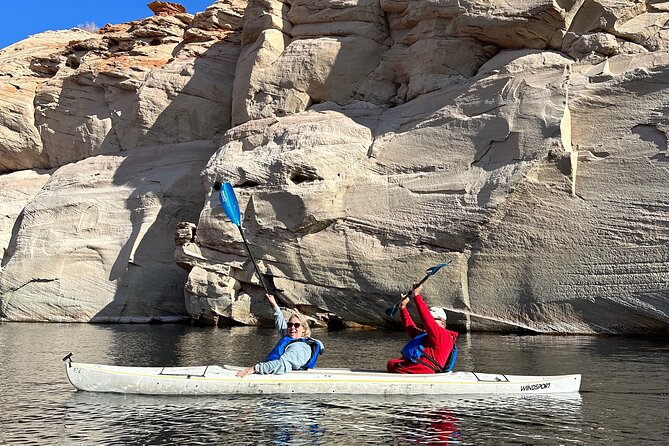
This is one area where the experience quality can hinge on who you get. Many people rave about guides by name—Sean for history and canyon storytelling, Jayce for local passion and geology, CJ for rock and canyon knowledge, and Terry for helpful, accommodating guidance.
On the flip side, a minority of experiences describe poor communication, harsh attitudes, or timing frustrations. The common thread in those negative stories isn’t the canyon itself—it’s the process: arriving late, misunderstanding meeting instructions, and how the guide manages the group when things don’t go smoothly.
My practical takeaway: if you want the best day, treat the schedule and orientation as non-negotiable, and keep communication simple. Ask questions, then follow directions. The guides who shine are the ones who can do their job without spending the day correcting avoidable planning issues.
Group size and pacing: why it feels manageable
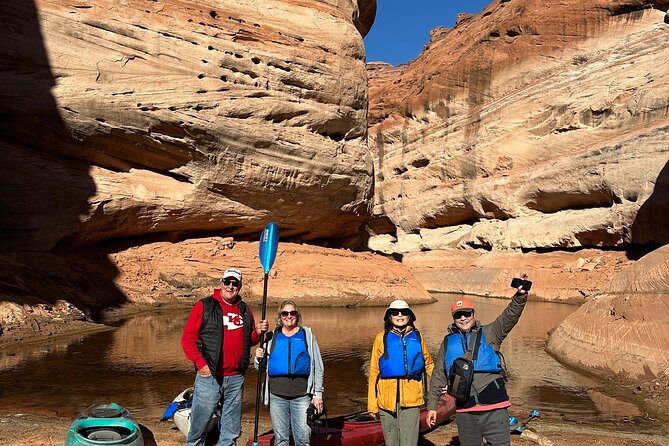
With a maximum of 11 travelers, you’re not being herded in a huge crowd. You can usually hear instructions and feel like the guide can see what’s happening.
The day is also paced to keep you from feeling stuck in transit. You paddle, you hike, you paddle again—one continuous outdoor flow. You’re not bouncing between long drives or waiting around for long stretches.
Expect the activity to run roughly four hours, but build in buffer time. The operator notes that schedules may shift (about ±90 minutes) due to weather.
What to bring (and what to wear)
Since snacks and bottled water are not included, pack your own. Bring something easy to eat after paddling, plus water you can sip without fuss.
For clothing and footwear, think quick-dry:
- A change of clothes for after (if you don’t want to drive home damp)
- Shoes or sandals that can handle getting wet
- Sun protection—this area gets hot, and you’ll be outside for several hours
Dry bags are included, but I’d still pack essentials so they’re not constantly getting handled with wet hands. Keep electronics wrapped and protected.
If you’re prone to motion sickness, be cautious. The tour is not recommended for those who have sea sickness.
Who should book this Antelope Canyon kayak and hike
I’d book this if you want:
- A guided way to experience Antelope Canyon from the water
- A realistic kayaking challenge without needing expert skills
- A mix of physical activity and learning about the region
This also fits families and mixed groups because the kayaks are designed for stability and the tour supports a wide age range (ages 5–62). Still, you should take physical fitness seriously. The tour requires moderate fitness, and it’s not recommended for out-of-shape individuals.
If you’re an experienced paddler already, you might find it a good sightseeing workout rather than a technical kayaking trip. If you’re very new, you’ll likely benefit most from someone who gives clear, calm coaching from the start—so plan for the orientation and don’t rush.
Should you book Paddle Express at Antelope Point?
I’d say yes, with two conditions.
Book it if you’re ready to arrive early for orientation, keep a steady pace, and accept that weather can change how the day feels. The payoff is real: the canyon in a kayak viewpoint plus a guided slot canyon walk is a unique combination that’s hard to replicate on your own without effort.
Skip it (or choose carefully) if you’re sensitive to scheduling disruptions, you’re prone to motion sickness, or you want a completely relaxed, no-work day. Wind and waves can turn the return paddle into a bigger effort than you expect.
If you match the right mindset—early start, flexible schedule, and willingness to follow safety instructions—you’ll likely leave with that rare kind of memory that mixes effort with awe.