REVIEW · YELLOWSTONE NATIONAL PARK
Kayak Day Paddle on Yellowstone Lake
Book on Viator →Operated by Geyser Kayak Tours · Bookable on Viator
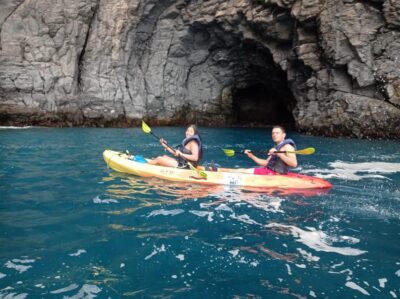
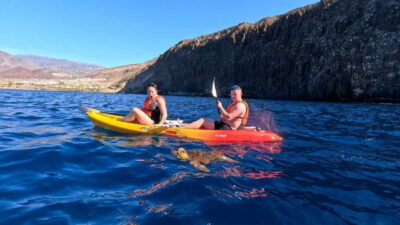
Yellowstone Lake by kayak feels like seeing the park with a new set of eyes. You’ll paddle with a trained guide along the shoreline and toward remote geothermal features near West Thumb, where most people never go. The small-group feel and the chance to watch geothermal activity from the water make it a standout way to experience Yellowstone National Park without crowds filling your view.
I especially like the hands-on kayak instruction you get before you push off. You don’t need prior experience, and the guides teach you how to paddle efficiently and stay safe in changing conditions. I also love the provided picnic lunch on a secluded beach, which turns the trip from just sightseeing into a full, relaxed half-day out on the lake.
One thing to plan for: the return leg can be tiring if wind picks up. You’ll be paddling against conditions for part of the route, so if you’re on the edge physically, bring your effort and dress smart for cold spray.
In This Review
- Why Yellowstone Lake Paddling Is Different Than Usual Sightseeing
- The Paddle Instruction Part You’ll Actually Use
- Stop 1: Grant Marina Launch and Yellowstone Lake Time
- What the guides add on the water
- Stop 2: West Thumb Geyser Country From the Water
- Seeing geysers from a place most people never reach
- A quick reality check: you may not paddle the whole time the same
- Small Group Size: Better Paddling, Better Questions
- The Picnic Lunch on a Secluded Beach
- Gear, Clothing, and the Wet Truth
- Fitness Level: What Moderate Really Means Here
- Guides Who Make the Day Work (and Feel Safe)
- Weather Planning: Why Rain or Shine Is Part of the Deal
- Value for Your Time: What You’re Getting for About 5 Hours
- Who Should Book This Yellowstone Lake Kayak Trip
- Quick Notes for Kids and Kayak Setup
- Should You Book Kayak Day on Yellowstone Lake?
- FAQ
- Do I need kayaking experience to join this tour?
- How long is the kayak day on Yellowstone Lake?
- Where do we meet, and where does it end?
- What kayak option is available for children?
- What about food if I have dietary needs?
- Does the tour go out in bad weather?
Why Yellowstone Lake Paddling Is Different Than Usual Sightseeing
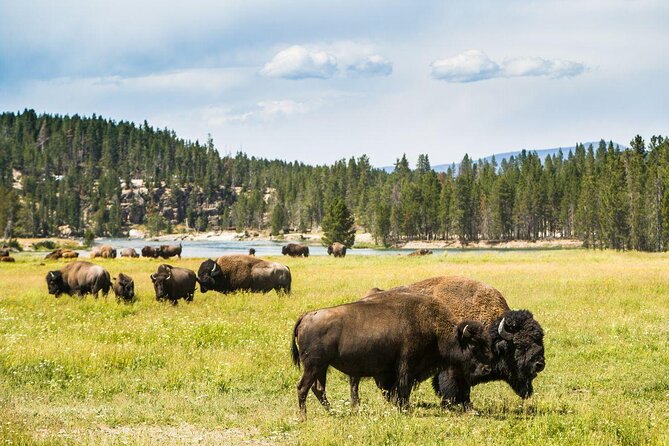
Kayaking on Yellowstone Lake isn’t just a scenic boat ride. You’re working the water under your own control, right at the edge of a massive landscape that can change fast. That matters because Yellowstone’s geothermal magic is not only on land. From the kayak, you get a close-up view of features you simply can’t reach by walking.
This trip is designed around that idea: a guide leads you along the shoreline, then the group heads toward the West Thumb area and the geothermal zones you can’t really access from boardwalks or signs. You’ll also hear about the geology and the local history as you go, so the scenery has context rather than feeling like random landmarks you can’t connect.
The small-group size helps here. With a maximum of 12 people, you get more direct attention when you need it, especially if you’re new to paddling or figuring out tandem vs. single seating.
The Paddle Instruction Part You’ll Actually Use
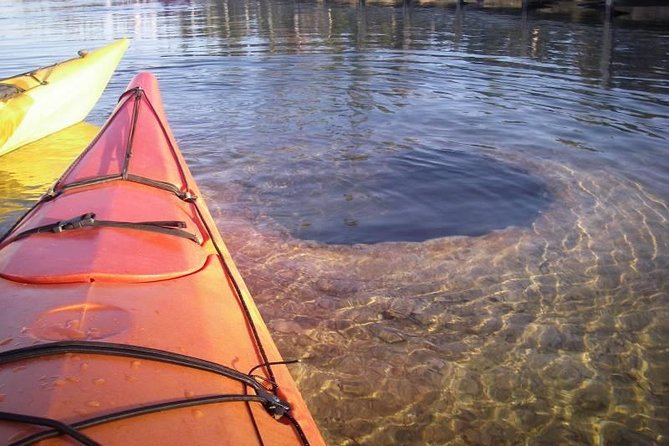
Before you glide too far, you get an introduction to kayaking techniques and local info. That setup is practical. It’s not just safety talk; it’s the stuff that makes your arms feel better later.
Here’s what that means for you:
- You’ll learn how to paddle efficiently as a group, so you’re not constantly drifting or overcorrecting.
- You’ll understand how to handle the kayak confidently without needing prior experience.
- You’ll get guidance on staying together with your guide and fellow paddlers, which matters when you’re moving around shoreline features.
In the same spirit, the guides also bring gear to keep you comfortable. Several people highlighted that waterproof layers and dry bags were key, and that the guides helped make sure everyone stayed safe and warm enough.
And if you’ve never kayaked, it’s worth noting: the trip is built for first-timers. You still need a moderate fitness level, but you’re not expected to be a paddling athlete on day one.
You can also read our reviews of more tours and experiences in Yellowstone National Park.
Stop 1: Grant Marina Launch and Yellowstone Lake Time
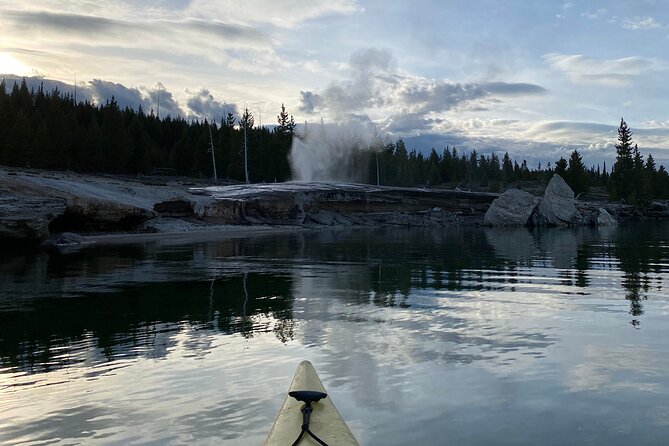
You start at Grant Marina Road at 9:00 am. From there, you head out on Yellowstone Lake with a guide, equipment, and instruction already handled for you. This start matters because Yellowstone mornings can be crisp, and the lake can feel colder than you expect.
Once you’re on the water, the trip focuses on the shoreline and the approach toward the geyser region. This is where you begin learning the rhythm of the kayak: paddle, glide, adjust, repeat. It’s also where you get your bearings fast because you’re close enough to the guide to keep sight of the group plan.
You’ll also be in the water long enough to feel the lake instead of just skimming it. That’s a big part of why this feels worth doing. When you’re moving your own kayak, you naturally slow down and notice details like shoreline shape, distant steam, and the way geothermal activity shows up as color, texture, and steam rather than just signage.
What the guides add on the water
The best moments tend to be when the guide connects what you’re seeing to what you’re learning. People mentioned guides like Brian and Thai for their strong grasp of geology and geysers, and that they were patient while helping people feel comfortable.
Stop 2: West Thumb Geyser Country From the Water
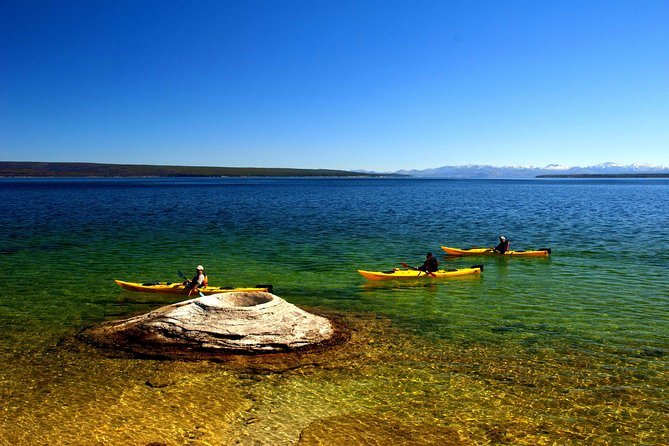
The highlight portion of the trip centers on the West Thumb Geyser Basin area and geothermal features both on land and out in the water. This is where the kayaking becomes more than a pretty paddle.
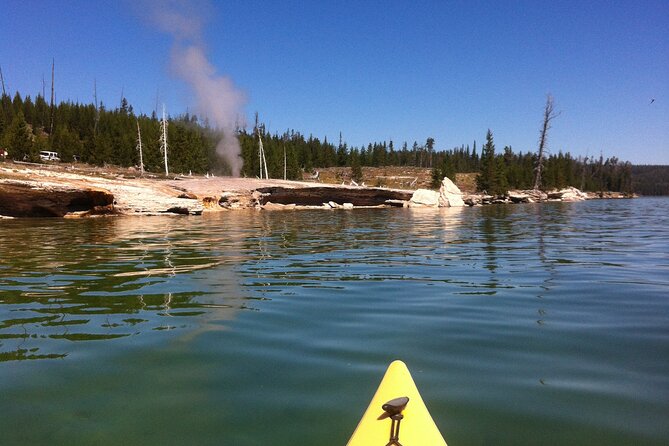
The key idea: you’ll pass the more remote geothermal features that are not accessible from land. That means fewer distractions and far fewer people around you. You’re not relying on crowded viewpoints or a boardwalk route. Instead, you’re close enough to feel the scale of Yellowstone’s geothermal system while the guide points out what’s happening and why it works the way it does.
Seeing geysers from a place most people never reach
Some paddlers specifically mentioned seeing a geyser erupt from the water in a way that land viewpoints can’t replicate. Another person described feeling how hot the water was. You shouldn’t assume that exact moment will happen every time, but it’s a real possibility because the trip route is designed for that kind of geothermal exposure.
This is also where a guide’s timing and positioning matter. You’re in small kayaks, so the best view can depend on wind, current, and how the team lines up. Having a professional lead reduces the guesswork.
A quick reality check: you may not paddle the whole time the same
Even with a planned route, expect some variation based on wind and conditions. That’s normal on a big lake. What you want is a guide who keeps the group safe and informed, and that’s a recurring theme in the experience.
Small Group Size: Better Paddling, Better Questions
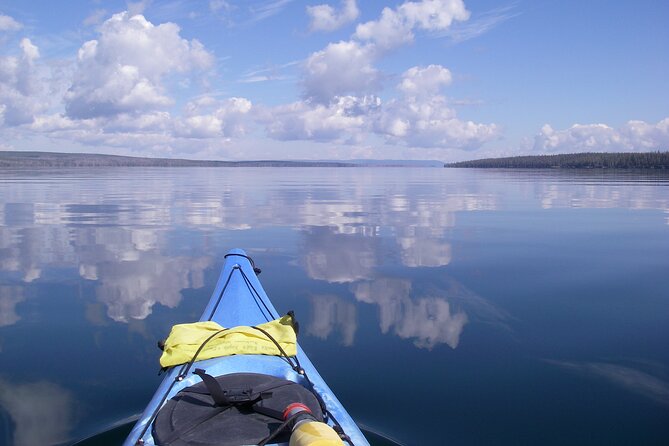
With a maximum of 12 travelers, this is one of those trips where you can actually ask something and get a full answer. If you’re trying to learn kayaking basics, that extra attention helps a lot.
You also get a more personal pace. Instead of constantly rushing to keep a big group moving, the guide can slow down and coach you through technique—especially when the shoreline is closer or conditions change.
And yes, smaller groups can reduce the noise problem. One person noted difficulty hearing the guide at times, even with a 7-person group. With a smaller cap like this, it’s usually manageable, but bring your own patience if you’re surrounded by wind and water sound.
The Picnic Lunch on a Secluded Beach
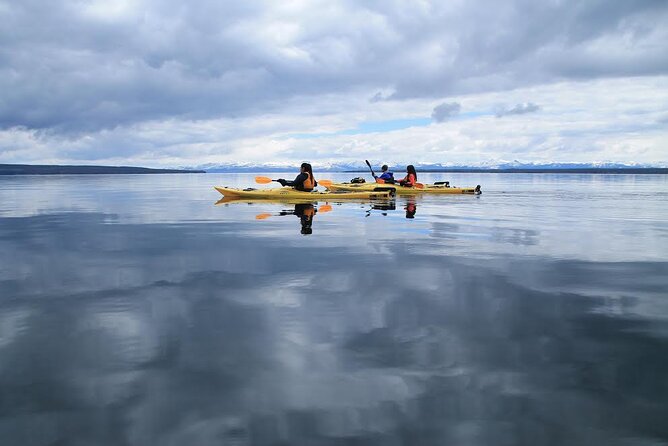
This is one of the easiest “yes” items in the whole day. You’ll get a provided lunch, and the setting is part of the appeal: a beach picnic on a secluded shore.
It’s not just food. The lunch stop gives you a break so you can reset before the next stretch of paddling. That matters because kayaking muscles tighten up quickly, and you’ll appreciate the chance to warm up a bit if the air is cool.
Dietary options are handled if you plan ahead. Vegetarian and gluten free lunches are available if you note it during checkout. If you have other restrictions, add them as dietary requirements so the team can advise what will work.
Gear, Clothing, and the Wet Truth
The tour includes the equipment and instruction you need. Guides provide necessary kayaking gear, including items that help keep you dry enough for comfort during the paddle.
But you still get wet. That’s not a vague warning; it’s just kayaking on a cold lake. You’re unlikely to be submerged, but spray and splashes happen.
Here’s what I recommend you wear for Yellowstone Lake kayaking:
- Layers so you can add or remove warmth as temps shift
- Quick-drying synthetic shorts or wind pants
- Shoes you don’t mind getting wet
- A rain or wind jacket if the day turns gray
- Extra warm dry clothes to change into after
Multiple people also pointed out that coming dressed for cold weather is essential. Yellowstone weather can change fast, and morning-to-afternoon differences can surprise you.
Fitness Level: What Moderate Really Means Here
The trip calls for a moderate physical fitness level. That’s fair. You’re paddling long enough to build effort, and on the return you may face wind.
Several comments mention the return being harder when winds increase. One person described the paddle back as slightly more difficult due to wind. Another noted how strenuous it can feel, especially with no long breaks.
So be honest with your own stamina. If you can handle steady physical work for a few hours outdoors, you’ll likely be fine. If not, consider whether you want a kayaking day or a more stop-and-rest style tour.
Guides Who Make the Day Work (and Feel Safe)
A tour like this lives or dies with the guide. The good news: the names that pop up repeatedly are consistently tied to safety, comfort, and strong explanations.
People mentioned guides such as Brian, Thai, Alex, Max and Tom, and Peter and Jason. Across those experiences, the common threads were:
- Clear instruction for beginners
- Constant attention to safety and group positioning
- Strong explanations about geysers, geology, and local conditions
- Friendly, patient coaching so you don’t feel lost
Even when someone said the return was tough, they also praised the guide for “having your backs.” That’s exactly what you want out on Yellowstone Lake, where wind and temperature can change quickly.
Weather Planning: Why Rain or Shine Is Part of the Deal
The trip plans to go in rain or sunshine. That means you should treat weather as something you dress for, not something you hope against.
Yellowstone days can be in the upper 60s to low 80s, but mornings and evenings get cold fast. Afternoon showers and even passing thunderstorms are possible. You won’t be underwater, but you will feel the day in your hands, shoulders, and clothing.
If weather is poor enough, the experience may be rescheduled or refunded. That decision is tied to good weather needs for safe paddling.
Value for Your Time: What You’re Getting for About 5 Hours
This is an approximately 5-hour day. That time adds up quickly when you’re actually kayaking and pausing for instruction and lunch.
Even without knowing the exact cost, you can judge value by what’s included:
- Professional guides who handle instruction, safety, and interpretive geology
- Single and double kayaks (with child rules)
- Lunch
- All necessary equipment and kayaking techniques
If you’re comparing options in Yellowstone, think about what you’d otherwise pay for separately: a guide, rental gear, and a proper meal setup. This experience packages those pieces into one day, plus it gives you a viewpoint of geysers that land routes can’t match.
Yes, one person called it pretty expensive. If budget is tight, you’ll want to weigh that against how much you’ll enjoy time on the water versus more general sightseeing options. But for people who love hands-on activities, the kayak-and-lunch combination usually feels like a fair trade.
Who Should Book This Yellowstone Lake Kayak Trip
This tour fits best if you want:
- A hands-on Yellowstone experience, not just photos from shore
- A guided route toward the West Thumb geyser area from the lake
- Small-group attention and beginner-friendly instruction
- A full half-day plan with lunch included
It’s also a good match for families that have kids old enough to paddle with the adult setup. But keep reading for the child rule, because it affects which kayak you’ll choose.
Quick Notes for Kids and Kayak Setup
All children 12 and under must paddle in a tandem kayak with an adult. If you’re booking with children, you’ll need to select the tandem kayak option for the right rate. Single kayaks aren’t available for children under 13.
If you’re traveling as a couple or solo, singles or doubles depend on the option you book. Either way, the guide and group format keep you lined up for safety and effective paddling.
Should You Book Kayak Day on Yellowstone Lake?
If you’re excited by the idea of seeing geothermal features from the water and you like active travel, I’d book it. The combination of instruction, remote geyser access from the lake, and a proper lunch stop makes the day feel full, not rushed.
I’d hesitate only if wind and exertion would stress you out. The return can be tough when conditions turn, and Yellowstone cold is real even on bright days. If you dress well, show up ready to paddle steadily, and keep an eye on comfort, it’s the kind of day that tends to stick with you.
Practical bottom line: bring layers, expect to get wet, and trust the guide. If that sounds like your kind of Yellowstone, you’ll likely love the day.
FAQ
Do I need kayaking experience to join this tour?
No. The guides provide an introduction to kayaking techniques and instruction, and you don’t need prior experience.
How long is the kayak day on Yellowstone Lake?
It runs about 5 hours, starting at 9:00 am.
Where do we meet, and where does it end?
You meet at Grant Marina Road in Yellowstone National Park and the tour ends back at the same meeting point.
What kayak option is available for children?
All children 12 and under must paddle in a tandem kayak with an adult. Single kayaks are not available for children under 13.
What about food if I have dietary needs?
Lunch is provided, and vegetarian and gluten free lunches are available if you add your dietary requirements during checkout.
Does the tour go out in bad weather?
The plan is to go in rain or sunshine. If it’s canceled due to poor weather, you’ll be offered another date or a full refund.