REVIEW · MAUI
Kayak Whale Watch and Snorkel Hawaiian Islands Whale Sanctuary
Book on Viator →Operated by Maui Adventure Tours M.A.T., L.L.C. · Bookable on Viator
Whales sing, and you paddle right there. In Maui, this kayak and snorkel outing links Turtle Reef snorkeling at Olowalu Beach Reserve with humpback whale watching (Dec to Apr) in the Hawaiian Islands National Humpback Whale Marine Sanctuary, plus live whale song through an underwater hydrophone.
I love the small-group feel and how much attention your guide can give while you’re getting in, paddling out, and snorkeling. I also like that life jackets, snorkel gear, bottled water, and light refreshments are part of the deal, so you’re not scrambling for the basics before you hit the water.
One drawback to keep in mind: whale sightings are seasonal and conditions matter. If whales are shy that day or winds are up, your experience may lean more toward turtle snorkeling than close-up humpbacks.
In This Review
- Key highlights worth knowing
- Whale Sanctuary Kayaking: Why Olowalu Is the Right Base
- Launch Morning: What You’ll Do Before You Hit Turtle Reef
- Off Maui: Whale Watching from the Kayak (Dec–Apr)
- Turtle Reef Snorkeling: Sea Turtles, Cleaning Stations, and Fish
- Live Whale Songs Through the Underwater Hydrophone
- Guide-Team Dynamics: Wesley, Lance, Red, and Wes Matter
- What’s Included, What’s Extra, and the Snack Reality
- Is It Worth $119? The Value Math for Maui
- Weather and Wind: How to Protect Your Day
- Who This Tour Fits Best (and Who Might Feel Frustrated)
- Should You Book This Kayak + Snorkel Whale Watch?
- FAQ
- Where does the tour start?
- What time does the tour run?
- How long is the experience?
- What months can I see humpback whales?
- Are sea turtles part of the tour year-round?
- Do I need kayaking experience?
- What ages can go?
- What’s the group size limit?
- Is hotel pickup included?
Key highlights worth knowing
- Engine-free, kayak-style whale watching: you’re out there quietly, listening as well as looking
- Turtle Reef snorkeling at Olowalu: sea turtles at a cleaning station plus lots of fish
- Live underwater hydrophone audio: humpback whale songs (Dec to Apr) while you’re on the water
- Tight group size: maximum 10 travelers (with a booking limit up to 16) for easier guidance
- Guide-led natural history: marine ecology, whale behavior, Hawaiian history, and practical tips while you paddle
- Photo option on board: HD underwater digital cameras are available for rent
Whale Sanctuary Kayaking: Why Olowalu Is the Right Base
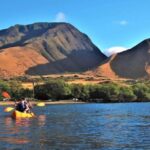
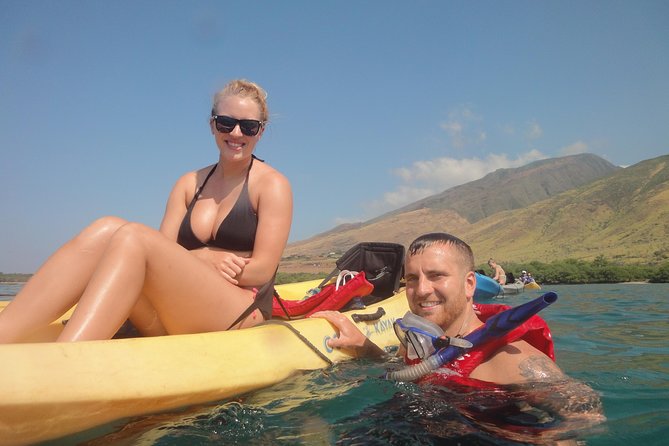
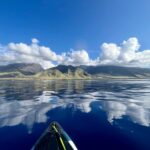
Olowalu sits on Maui’s west side, and it’s a strong launch point because you get to split your time between West Maui Mountain scenery, calm-looking coastal water, and the deeper offshore zone where humpbacks can show up. The big win here is that you’re not stuck staring from a boat deck—you’re working your way out in a kayak and then switching to snorkeling right where turtles feed and hang around.
You’re also in a protected area with strict wildlife rules. That matters because it shapes your whole day: how you approach, how close you can get, and what “responsible” wildlife viewing looks like. If you care about being respectful while still getting that once-in-a-lifetime payoff, this format makes sense.
You can also read our reviews of more tours and experiences in Maui.
Launch Morning: What You’ll Do Before You Hit Turtle Reef
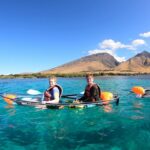
The tour runs Monday through Saturday from 8:00 am to about 11:30 am, ending back at the meeting point at Olowalu (R95V+Q8 Olowalu, HI, USA). There’s no hotel pickup, so you’ll want your own plan for getting to the beach early.
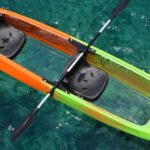
Before you launch, expect the practical stuff: life jackets and snorkeling equipment are provided, and you’ll get a safety and wildlife briefing from your guide. This is designed so that no prior kayaking experience is necessary, and ages 5 and up are welcome (children must be with an adult). There’s also a maximum weight limit of 250 lbs.
Two details that can affect comfort on day one:
- You’ll be paddling and then hopping into snorkel mode, so bring a calm attitude and plan for some physical effort, even if you’re fit enough.
- You might not be assigned a solo setup. One guest noted there was no single-kayak option and they had to go in pairs. If paddling alone is important to you, ask ahead of time how kayak assignments work for your group size.
Off Maui: Whale Watching from the Kayak (Dec–Apr)
If you’re booking specifically for humpbacks, the calendar is key. Whale watching is part of this experience from December through April. When you go, you’ll head into the offshore waters of the Hawaiian Islands National Humpback Whale Marine Sanctuary.
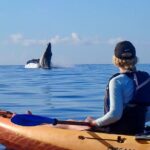
From the kayak, the experience is partly visual and partly auditory. You’ll keep an eye out for humpback behavior—breaches and tail slaps can happen, though distance varies day to day. Some guides have a knack for spotting what your eyes can miss at first, and guests have described seeing whales come surprisingly close to their kayak.
One more reality check: this isn’t a guarantee of humpbacks in every minute of the outing. Even in prime months, whales can be shy. The upside is that your tour also has a strong second act—turtles—so a whale-light day doesn’t automatically mean a wasted morning.
Turtle Reef Snorkeling: Sea Turtles, Cleaning Stations, and Fish
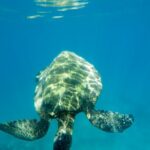
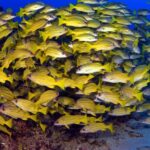
After the whale portion, the snorkeling is centered on Turtle Reef at the Olowalu Beach Reserve. Turtle sightings are described as year-round, which is a big deal for planning. If your trip is outside the humpback season, your day can still be meaningful because sea turtles and colorful tropical fish are the core snorkeling target.
In the water, you’re not just hoping for a turtle to appear. This snorkeling area includes a turtle cleaning-station vibe, where turtles gather and you can often see them interacting with the reef environment. Guests have reported lots of turtles, plus many fish close by, which is exactly what you want in a snorkel stop.
Practical consideration: snorkeling depth and how close you are to the reef can vary with conditions. One guest described being higher above the coral than expected. So if you’re new to snorkeling or worried about visibility, set your expectations as “guided reef time with a chance to see turtles,” not “guaranteed crystal-clear, coral-touching snorkeling.”
Live Whale Songs Through the Underwater Hydrophone
This tour adds a tech detail that makes the whales feel real, not just spotted. During the whale season, you’ll hear whales sing live through an underwater hydrophone while you’re on the water.
That changes the emotional tone of whale watching. Instead of only scanning for movement, you also get the audio cue that humpbacks are nearby. Guests specifically highlighted the coolness of the whale-sounds setup and noted that they could hear whales unusually well from the kayak.
If you care about learning while you watch, that hydrophone moment pairs nicely with what your guide shares about whale behavior and biology. It’s the kind of experience where you can actually tell the difference between a whale that’s passing at distance and one that’s hanging around.




Guide-Team Dynamics: Wesley, Lance, Red, and Wes Matter
On this kind of tour, the guide can make or break the day. The best moments are when the guide keeps the group moving smoothly, handles gear confidently, and turns the ocean into a classroom.
You’ll hear real names come up in guest stories: Wesley, Lance, Red, and Wes. In the positive accounts, they’re described as friendly, patient, and very hands-on—helping first-timers get comfortable with kayak entry and snorkel transitions, and giving clear explanations about what you might see. Some guides have also gone the extra mile with personal assistance, like helping retrieve a dropped phone during the return.
Balance matters, though. A few guests reported issues with timing, instruction clarity, or guide bickering. That doesn’t erase the fact that many days run well, but it does suggest a smart mindset for you: arrive early, confirm your exact meeting spot, and if something feels off, ask for a clear plan right away instead of hoping it improves.
What’s Included, What’s Extra, and the Snack Reality
Let’s talk value the way you’ll actually feel it on your morning.
Included:
- Professional guide
- Life jackets and snorkeling equipment
- Bottled water
- Light refreshments and snacks
Optional (not included, but available):
- HD underwater digital cameras for rent
If you’re expecting a full meal, adjust your expectations. One guest felt the snacks were minimal, describing it as something like a granola bar and fruit for the group. That’s still normal for a morning excursion, but it’s worth thinking about what you’ve eaten before you arrive. If you’re a bigger eater or traveling with kids, eat something steady before the tour and then treat the provided snacks as a bonus.
Bring your own creature comforts too: reef-safe sunscreen, a hat you’ll keep on during kayaking, and something to protect your phone or camera from splashes and sprays. Guests have had phones pop out of pockets during return transitions, and a guide helped recover one, but you don’t want to rely on luck.
Is It Worth $119? The Value Math for Maui
At $119 per person for about a 4-hour window, you’re paying for a package: guided kayaking, guided snorkeling, pro wildlife interpretation, and the whale-singing hydrophone experience during Dec–Apr. You’re also getting equipment and water covered, which can remove friction compared with setting everything up yourself.
Here’s the honest value breakdown:
- If humpback whales are your main goal, the hydrophone component plus a guided approach is hard to replicate on your own without a lot of local know-how.
- If sea turtles and reef snorkeling are your goal, this tour has a focused target area, guided timing, and help with transitions—things that matter when you’re doing kayak entry/exit and snorkel safety as part of one flow.
- If you mainly want snorkeling and you don’t care about whales, you might decide the guide premium isn’t worth it and beach-snorkel independently. But then you’re trading convenience and structure for control over your own schedule.
For many people, the best “value” is less about saving money and more about reducing stress. You show up, they fit you with gear, and you spend the morning chasing animals with a plan instead of improvising.
Weather and Wind: How to Protect Your Day
This is a weather-dependent tour. The operation requires good weather, and if it’s canceled due to poor conditions, you’ll be offered another date or a full refund.
On the water, wind is the variable that can change everything. One guest described rougher conditions when winds were around 30 mph and mentioned a kayak capsize. Your best defense is preparation:
- Dress for sun and spray. You’ll be exposed for several hours.
- Paddle smart: keep a steady pace and don’t fight harder than you need to.
- If you’re prone to motion sickness, consider bringing your own remedy.
Also note: the tour provider indicated they only go out when winds forecast are under 20 mph, but the ocean can change faster than forecasts. So assume conditions can be different once you’re out there, and keep a flexible mindset.
Who This Tour Fits Best (and Who Might Feel Frustrated)
This is a strong fit for:
- Families with kids age 5 and up who want a wildlife day that includes kayaking and snorkeling
- First-time kayakers who want instruction and support built into the trip
- People who love whales in winter and early spring, especially for the live audio component
- Anyone who wants a guided nature story, not just random time in the water
Be cautious if:
- You’re expecting a guaranteed close-up whale encounter every time. Whales are wild animals and distance can vary.
- You don’t want to paddle. This is not a float-and-watch tour. You’ll work.
- You’re very sensitive to changes in plan. Weather and wind can shift how much time feels focused on whales versus turtles.
Should You Book This Kayak + Snorkel Whale Watch?
I’d book this if you want a structured Maui wildlife morning: kayak out, whale listening during Dec–Apr, then snorkel turtles at Turtle Reef with a guide who helps you make the transition safely and quickly. The hydrophone whale-singing detail is the standout, and the year-round turtle component keeps your day from hinging entirely on humpback sightings.
Skip it or consider alternatives if you need guaranteed whales at close range, you hate paddling effort, or you’re traveling with a tight schedule that can’t absorb weather-related changes. And do yourself a favor: arrive early for parking, double-check your meeting spot, and eat a real breakfast so the light snacks don’t become a downside.
FAQ
Where does the tour start?
It meets at Olowalu (R95V+Q8 Olowalu, HI, USA). The activity ends back at the meeting point.
What time does the tour run?
Start time is 8:00 am, and the tour runs until about 11:30 am (Monday through Saturday). It’s closed Sundays and holidays.
How long is the experience?
The duration is listed as approximately 4 hours.
What months can I see humpback whales?
Whale watching is available from December to April.
Are sea turtles part of the tour year-round?
Yes. Turtle sightings are described as year-round.
Do I need kayaking experience?
No experience is necessary.
What ages can go?
Ages 5 and up are welcome, and children must be accompanied by an adult.
What’s the group size limit?
The maximum is stated as 10 travelers, with a maximum of 16 people per booking.
Is hotel pickup included?
No. Hotel pickup and drop-off are not included. Transportation to and from the meeting point is also not included.