REVIEW · KORCULA
Lumbarda – Sunset Kayak Tour with a Picnic – Wine and Sweets
Book on GetYourGuide →Operated by Spirit of Korkyra · Bookable on GetYourGuide
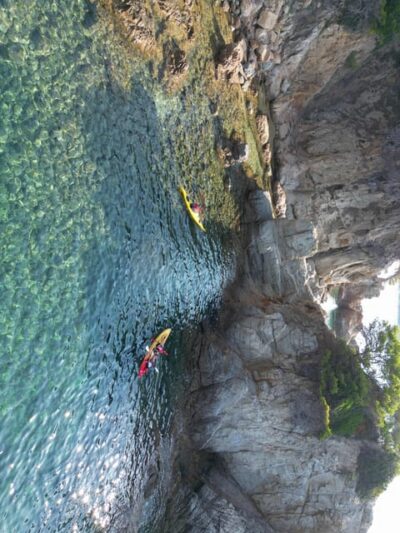
Paddling at sunset turns the whole bay quiet. This small-group tour from Tatinja Bay pairs sea kayaking over clear water with visits to islands tied to Korčula’s past, then finishes with a red-sun sunset plus homemade GRK wine and canapés. You get a guided route, not just a swim-and-snap photo stop.
What I like most is the way the experience mixes three things at once: easy-to-follow kayaking, island history you can actually walk through, and local food that feels personal. I also really value the small group size (max 8) and the practical sea training right at the start, so you’re not guessing once you’re on the water.
The main thing to weigh is physical comfort: it’s not suitable for kids under 6 or for people with mobility impairments, and it’s an evening paddle in open water conditions. If wind picks up, you’ll still move at a leisurely pace, but you should be ready for a real sea environment rather than a calm-lake vibe.
In This Review
- Key things to know before you go
- Why Lumbarda’s sunset paddling feels like a local day, not a tourist ride
- From meeting point to sea time: what to expect in Tatinja Bay
- Quarry island stop: an old town you can walk through
- The 14th-century monastery stop, plus deer in the open
- Timing the paddle to the red sun: why the sunset part is the point
- GRK wine, cheese and salted anchovies, plus homemade sweets
- Value check: what $81 buys you (and why it’s not just the wine)
- Who this tour suits best (and who should skip it)
- What to pack: the clothing that keeps kayaking enjoyable
- Should you book the Sunset Kayak Tour with Picnic and GRK?
- FAQ
- Where does the kayak tour start?
- How long is the tour?
- Do I need experience with kayaking?
- What equipment is included?
- What food and drinks are included?
- How big is the group?
- What should I bring with me?
- What ages or mobility needs is the tour not suitable for?
- What languages are the guides available in?
Key things to know before you go
- Tatinja Bay start, sunset finish: You’re set up for golden light without rushing the day.
- 20-minute safety briefing in the sea: You get real practice before the route begins.
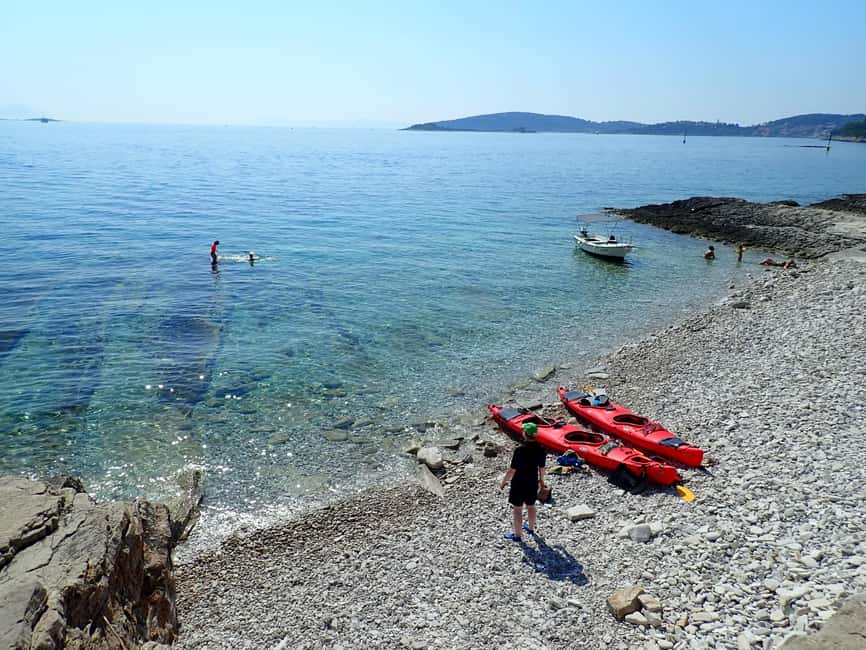
- Island stops with story on the ground: A quarrying island and a 14th-century monastery island.
- Wild-deer chances near the monastery: You may spot deer roaming the area around the stop.
- Homemade GRK wine and canapés: Local GRK from Korčula’s Lumbarda area, plus cheese and salted anchovies.
- Small group kayaking (up to 8): More attention, less crowding, better rhythm.
Why Lumbarda’s sunset paddling feels like a local day, not a tourist ride
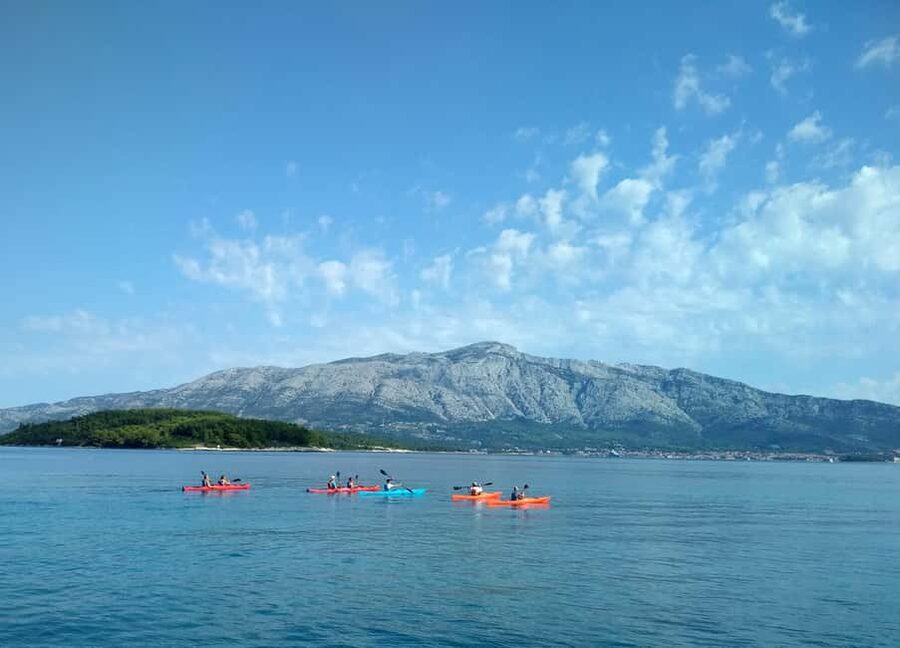
This is the kind of activity that makes sense in Dalmatia. You’re not stuck on a big boat where you wait for the next view. Instead, you’re controlling your own pace, gliding over the sea, then slowing down exactly when the light turns dramatic.
Lumbarda is also a smart base. It’s close to Korčula’s island life but feels calmer than some busier ports. From Tatinja Bay, you head out in the evening with clear water and a route that’s designed around the red sun sinking into the ocean. That timing matters. Sunset looks good from shore, sure. But from the water, you get a cleaner horizon line and the feeling that the sea is part of the show.
Two details that make it feel more “real” than a generic sunset event: the guide-led stops have you walking on land (not just hovering offshore), and the food/wine connection is local. The GRK white wine you try is described as something you can only find on Korčula Island—so it’s not an imported label you could get anywhere.
One more practical point: the tour uses sit-in sea kayaks with safety gear provided (personal floating device, dry bag, and spray skirt). That means you can focus on the paddling and the views rather than scrambling for basics.
You can also read our reviews of more tours and experiences in Korcula.
From meeting point to sea time: what to expect in Tatinja Bay
You’ll meet in Tatinja Bay in Lumbarda, near restaurant Feral. It’s a short walk from the Lumbarda center—about 3 minutes—so you’re not spending the day on transit. If you’re driving, you can park near kayak storage directly in Tatinja Bay, which is a nice convenience for a late-day activity.
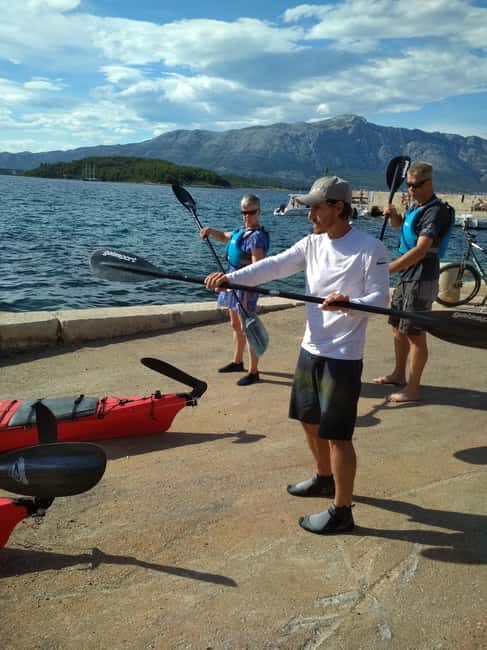
When the group meets, you’ll go through a 20-minute safety briefing and training session in the sea before the tour begins. That’s a big deal. Sea kayaking can feel intimidating if you’ve never used a paddle in open water. With this format, you get coached early—how to sit, how to hold the paddle, and how to move at an easy, controlled pace.
Your guide also brings the language support. Expect a live guide who can work in Bosnian, Croatian, English, or Serbo-Croatian. In the field, guides you might meet include Boris and Andrej, and both names show up as standout instructors who keep safety first and make sure everyone feels included.
Group size matters here too. With a maximum of 8 participants, you’re more likely to get personal attention if you need a quick adjustment. It also tends to keep the pace comfortable, which helps when the wind shifts later.
Quarry island stop: an old town you can walk through
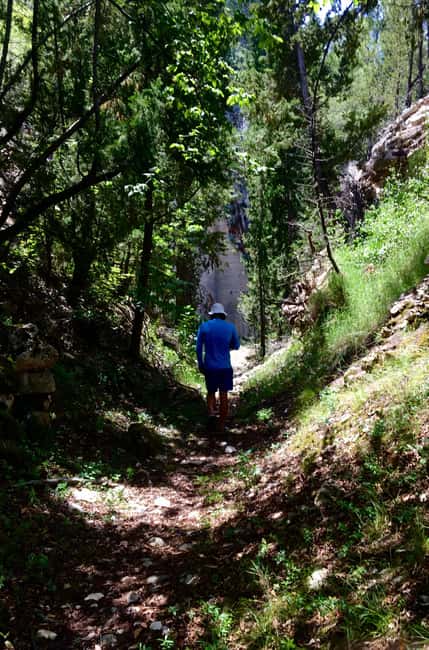
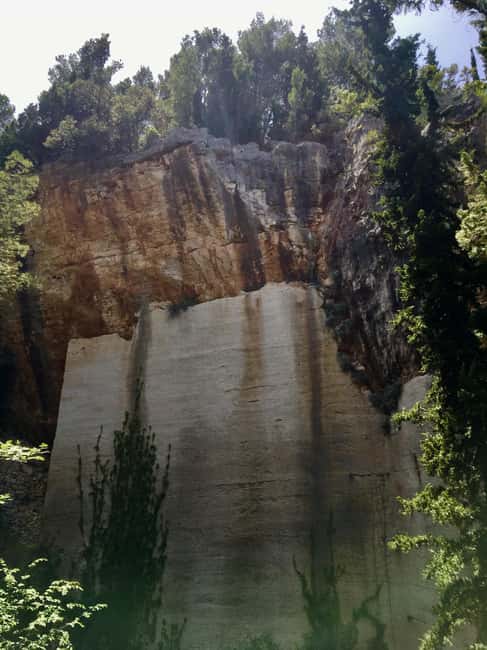
One of the stops is an island known for its quarrying history, with an old-town feel you can explore on foot. Even if you don’t consider yourself a history person, quarrying landscapes are easy to “read” when you’re physically there—stone work, the shape of the terrain, and how the place was built around materials.
This is where the kayaking turns into something more than scenery. You’re not just paddling from point to point; you’re landing, stretching your legs, and getting a guided explanation while you’re standing in the right spot. That pairing—water movement plus land context—makes it easier to remember what you saw.
A small consideration: island walking means you’ll be off the kayak for a bit, likely over uneven ground. The tour provides wet-ready shoes advice (you should plan to get your footwear wet), and you’ll want to be steady on your feet during short walks.
If you compare alternatives, this is also why a water taxi wouldn’t feel the same. A taxi can get you to islands. It doesn’t teach you why the islands matter or connect you to what you’re seeing. Here, the guide’s talk is part of the schedule, not something you have to “add” yourself later.
The 14th-century monastery stop, plus deer in the open
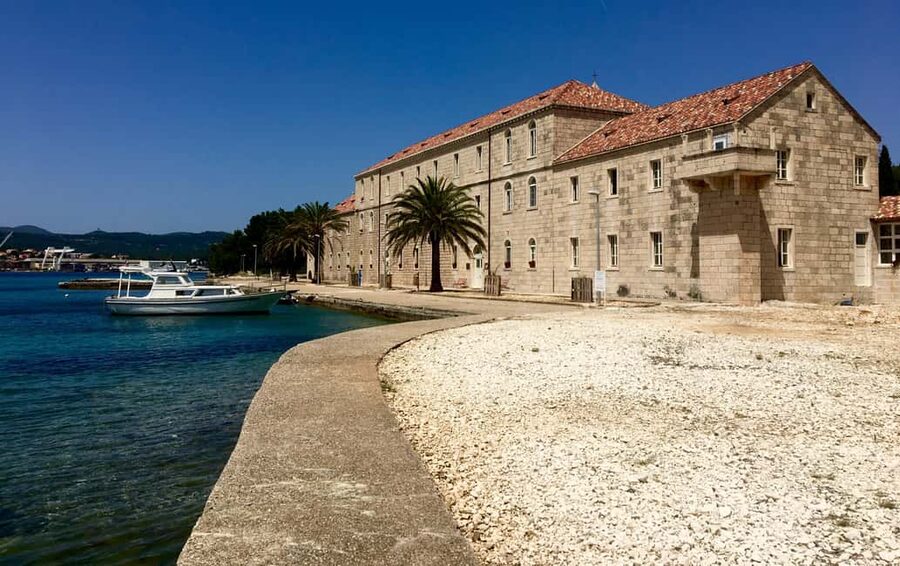
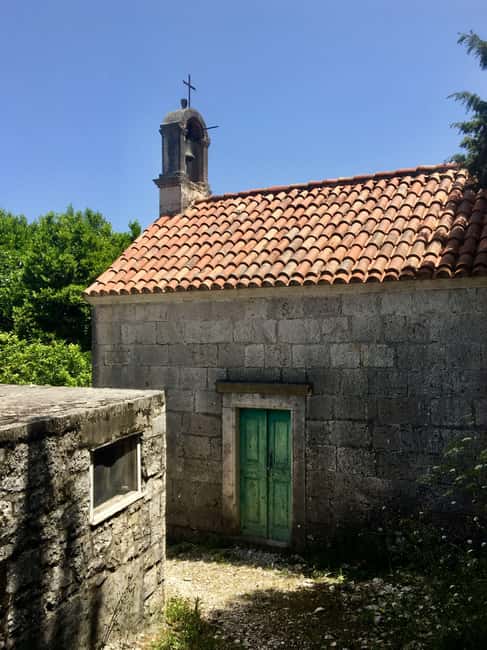
Another island stop is home to a monastery dating back to the 14th century. This is a very different vibe from the quarrying stop. Instead of focusing on stone extraction and human industry, you shift to religious history and a quieter, more timeless setting.
One of the most charming details is the chance to see wild deer roaming around near the monastery area. That’s not something you can guarantee, but it’s exactly the kind of moment that makes a small-group nature stop feel special. You’re out on the water, but you’re not stuck watching everything from a distance—you’re actually in the landscape.
What makes this stop work well for your group: it breaks up the paddling rhythm. After you’ve been moving across open sea, you get a land moment where you can slow down, take photos, and listen. And since the tour is guided, you’re not just looking at a monastery from the outside—you’re getting the context for why it’s there and what it represents.
Possible drawback to keep in mind: if it’s hot, the land portion can feel warmer than the shaded water. Bring your sun protection (hat, sunglasses, sunscreen), because you’ll want it when you’re out of the kayak.
Timing the paddle to the red sun: why the sunset part is the point
The highlight for most people is the sunset spot—designed so you can watch the red sun drop into the ocean. This is where being on the water changes everything. The horizon is cleaner, and the light doesn’t “bounce” off a boat hull or a crowded pier. You’re moving at a calmer pace, and the sea becomes the stage.
The tour is set up to keep you from feeling rushed. One review notes the pace stays leisurely even with wind, which matches what you want from a sunset activity: enough time to enjoy the moment without feeling like you’re doing a race to the finish line.
When you paddle toward the sunset, you’ll also appreciate the kayak setup. Sit-in sea kayaks and spray skirts help you manage small splashes, and the dry bag keeps key items safer than just using a normal tote.
If you’re a beginner, this is also a good first kayaking outing. You start with training in the sea, then you get guided stops before the final sunset portion. That sequence matters—confidence grows as you go.
GRK wine, cheese and salted anchovies, plus homemade sweets
Let’s talk food, because this is not a token cheese-and-crackers stop. The tour includes a wine tasting and canapés. You’ll enjoy homemade white wine called GRK, described as something found only on Korčula Island, plus homemade canape sandwiches with cheese and salted anchovies.
This is where the experience feels genuinely local. GRK isn’t just a random wine pour. You’re drinking something tied to the Korčula/Lumbarda region, and the guide-led framing helps you understand what you’re tasting. Even if you only drink a little, you’ll still get the flavor of the area.
And the treats don’t stop with savory. Multiple guides and team members are mentioned as contributing homemade pastry and sandwich-style snacks, including pastries and items sent by the host’s wife Ivka, plus sandwiches made with olive oil from their own garden. That detail matters because it adds a “family table” feeling rather than a boxed catering vibe.
A practical note: wine at sunset means you should pace yourself. You’re in a kayak environment, so don’t plan to be heavy-handed with alcohol. Instead, enjoy the taste while you’re parked at the sunset spot and you’re not actively paddling.
Value check: what $81 buys you (and why it’s not just the wine)
At $81 per person for a 210-minute tour, you’re paying for more than sunset scenery. You’re paying for:
- A live guide (with language options including English)
- Equipment: sit-in sea kayaks, lightweight fiberglass paddles, personal floating device, dry bag, and spray skirt
- A trained start: safety briefing plus sea practice before you move on
- Guided land stops on islands: quarrying history and a 14th-century monastery area
- Included tasting and food: GRK wine and canapés, plus homemade sweets mentioned through the experience details
This kind of activity can be expensive elsewhere because sea kayaking involves staff time, safety readiness, and specialized gear. Here, the bundle feels focused: fewer extras, more of what you actually need for a safe and enjoyable paddle.
Small group size helps value too. Up to 8 participants means the guide can keep an eye on technique and comfort. When you’re out on open water, that’s not a luxury—it’s part of the quality.
If you’re the type who likes to balance “fun” with “what am I seeing,” this is a strong match. The historical and local food pieces make the cost easier to justify than a pure sightseeing boat trip.
Who this tour suits best (and who should skip it)
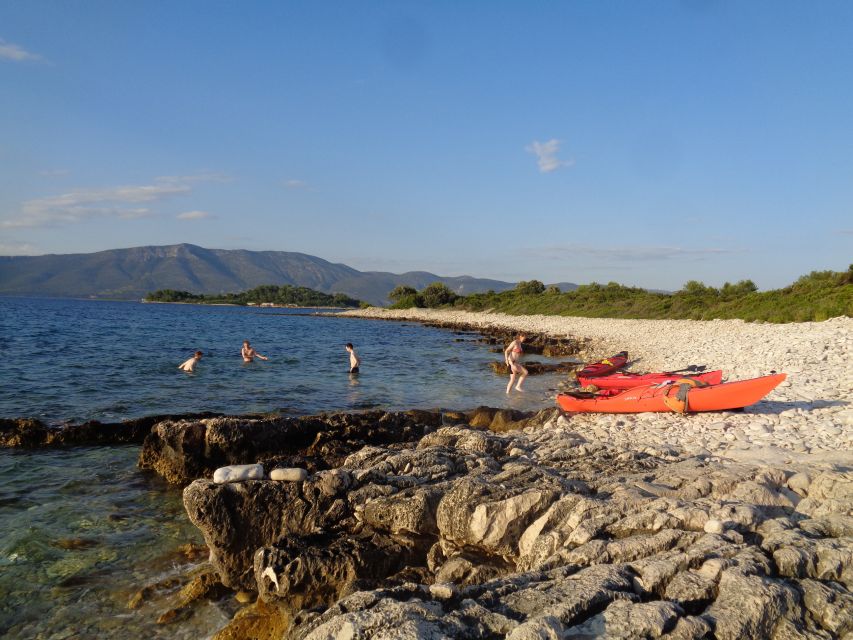
This works best if you want a gentle-to-moderate active evening with guidance and a local tasting.
You’ll likely enjoy it if:
- You’re comfortable in the sun and can handle a wet, sea-spray environment
- You’re curious about Korčula’s culture (quarries, monastery history, and GRK wine)
- You like small groups and prefer a guide who can answer questions in your language
You should consider skipping it if:
- You have mobility impairments (not suitable)
- You’re traveling with children under 6 (not suitable)
Also be honest about your comfort with open water. Even with a leisurely pace and training, it’s still a sea setting.
What to pack: the clothing that keeps kayaking enjoyable
The tour is very clear on what to bring, and you should follow it. Even if the forecast looks nice, the evening can feel cooler on the water.
Bring:
- Swimsuit and a UV-protection lycra shirt or t-shirt (helpful for sun)
- Light shorts
- Hat and sunglasses
- Sunscreen
- Shoes you don’t mind getting wet
- A towel
- Water (at least 1.5 liters)
- Some snacks
Why it matters: kayaking can make you feel cooler early on, then warmer once you’re moving. Sun protection helps you stay comfortable for the whole 210 minutes, including the land stops and the sunset wait time.
The good news is the tour provides kayak safety and water protection for your essentials (dry bag, personal floating device, and spray skirt). Still, your body comfort is up to you.
Should you book the Sunset Kayak Tour with Picnic and GRK?
If you want a sunset experience that’s more than a pretty view, I’d book it. This tour blends sea kayaking, guided island walks (quarry history and a 14th-century monastery), and a tasting payoff with GRK wine plus homemade canapés and sweets. The small group size and sea training reduce the usual beginner anxiety, and the included gear means you can travel lighter.
Skip it only if you don’t fit the physical needs or you dislike open water conditions. If you’re in the sweet spot—curious, sun-ready, and up for an evening adventure—this is one of the better ways to experience Lumbarda and Korčula after most day-trippers have wrapped up.
FAQ
Where does the kayak tour start?
The tour starts in Tatinja Bay in Lumbarda, near restaurant Feral. It’s about a 3-minute walk from the Lumbarda center.
How long is the tour?
The duration is 210 minutes (about 3.5 hours).
Do I need experience with kayaking?
You don’t need prior kayaking experience. You get a 20-minute safety briefing and training session in the sea before you begin the route.
What equipment is included?
You’ll be provided with a sit-in sea kayak, lightweight fiberglass paddle, personal floating device, dry bag, and spray skirt.
What food and drinks are included?
Wine tasting and canapés are included, including homemade GRK white wine, plus homemade canape sandwiches with cheese and salted anchovies.
How big is the group?
It’s a small group limited to 8 participants.
What should I bring with me?
Bring a swimsuit, UV-protection lycra shirt or t-shirt, light shorts, hat, sunglasses, sunscreen, wet-ready shoes, a towel, and at least 1.5 liters of water, plus some snacks.
What ages or mobility needs is the tour not suitable for?
It is not suitable for children under 6 or for people with mobility impairments.
What languages are the guides available in?
The live guide can speak Bosnian, Croatian, English, and Serbo-Croatian.