REVIEW · PATAGONIA
Marble Chapels Kayak Tour
Book on Viator →Operated by Cormorán Expediciones · Bookable on Viator
Marble caves feel unreal from a kayak. On the Marble Chapels Kayak Tour, I love the fact that you get a basic lesson and learn to row before you head into Bahía Mansa. Guides also break down what you’re seeing in plain language—especially the rock story—and they’re locals who’ve lived in Puerto Río Tranquilo for over 10 years.
I also like that the tour includes all the clothing and keeps your phone dry, plus they handle transport so your real clothes stay safe. The only real heads-up is administrative: you must fill out a form at least 24 hours before the tour so they can contact you and finalize your spot.
In This Review
- Key things to know before you paddle
- Puerto Río Tranquilo to Bahía Mansa: the 3-hour flow
- Small-group kayaking with real-safety vibes
- Learn to row: open vs sit-on-top kayaks
- The neoprene and dry-vehicle setup that makes it comfortable
- Marble Tunnel, Marble Chapel, and Marble Cathedral stops
- Marble Tunnel
- Marble Chapel
- Marble Cathedral
- The geology lesson you’ll remember after the photos fade
- Photos, timing, and logistics that keep the day smooth
- Price and value: what $60 covers (and why it’s not just cheap)
- Who this tour suits best (and who should plan carefully)
- Should you book the Marble Chapels Kayak Tour?
- FAQ
- How long is the Marble Chapels Kayak Tour?
- Where does the tour start and end?
- What kayak setup do you use?
- What should I bring if clothing is included?
- How many people are in each group?
- What do I need to do before the tour, and is weather a factor?
Key things to know before you paddle
- Small groups (1–6) mean a safer pace and more attention when you’re learning.
- All clothing included keeps you warm and reduces the stress of a wet outing.
- Phone dry bag + photos included so you leave with proof, not just blurry memories.
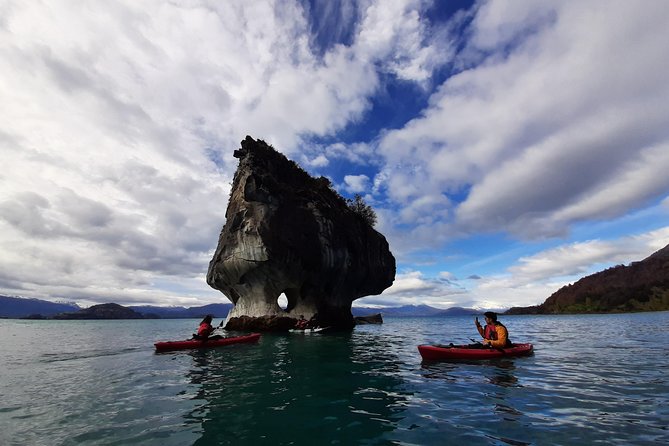
- Marble Tunnel, Chapel, and Cathedral give you variety instead of one long look-alike cave.
- A quiet, guided walking loop inside the sanctuary keeps the experience easy for most people.
Puerto Río Tranquilo to Bahía Mansa: the 3-hour flow
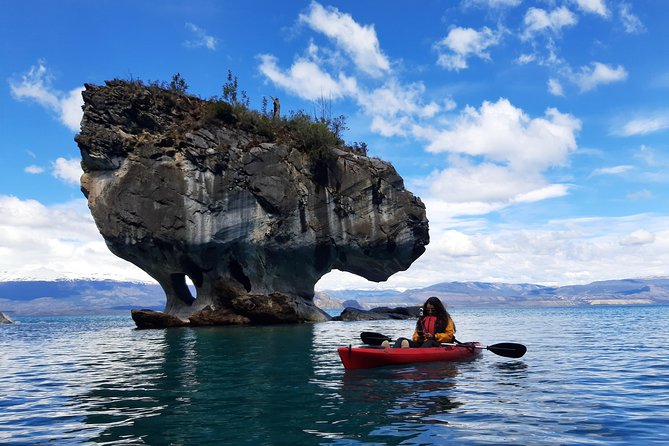
This is a tight, well-paced half-day. Total time is about 3 hours, with roughly 1.5 hours of kayaking and 1 hour touring the sanctuary on foot, plus the short start/gear-up windows.
You begin at the office in the plaza in Puerto Río Tranquilo, then ride about 6 kilometers to Bahía Mansa. Once you arrive, you’ll get equipped and a basic instructional talk—think practical “how to paddle and stay balanced” guidance, not a classroom lecture.
The kayaking schedule is set up in chunks: about 15 minutes from Bahía Mansa toward the sanctuary, then around 1 hour touring the sanctuary area, then 15 minutes returning to the next point. After that, you switch to a calm, group-walk inside the sanctuary and finish back at the meeting point.
If you’re worried about feeling rushed, don’t. The format is designed for people who are new to kayaking but also want real time in the caves.
Small-group kayaking with real-safety vibes
This tour keeps things small and controlled. The maximum group size is 6 travelers, and the minimum is 1, so you’re not stuck with a huge, chaotic crowd. That matters here because cave kayaking isn’t just about views—it’s about staying together, keeping your rhythm, and handling wind and water calmly.
The guides run it like an expedition group: you always go together rather than splitting into scattered pairs. That gives you an easier “always know where to look and where to go” feeling, especially when you’re learning rowing technique.
The caves also tend to be more protected than the open areas in town. That’s a big deal on windy days. Even if it feels breezy outside, the cave environment can be calmer, so you won’t constantly fight gusts while trying to enjoy the marble shapes.
It’s a very safe and entertaining experience, and the best part is how quickly you stop thinking about the gear and start thinking about the scenery and the geology.
Learn to row: open vs sit-on-top kayaks
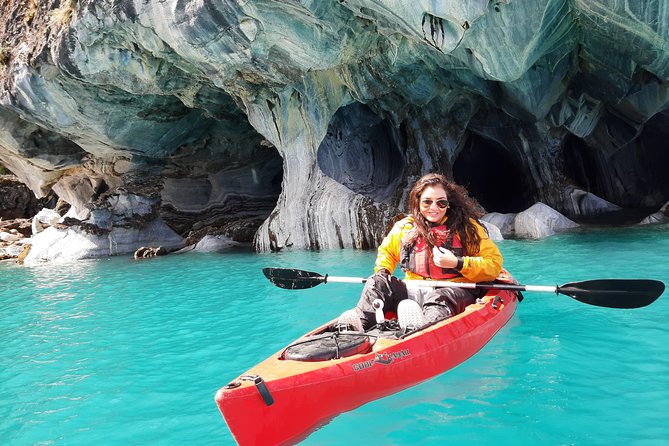
Your kayak is a fishing style, and you’ll be in one of two setups: open or sit on top. That difference can affect how you handle balance and how protected you feel, but either way you’re not in a tippy, ultra-narrow craft.
You should go in with a moderate physical fitness level. This isn’t a marathon, but it does involve paddling for a good chunk of time and then walking at a steady, calm pace.
Before you push off, you’ll get a basic instruction talk. In practice, that means you’re learning the basics early—how to hold position, how to paddle without tiring out too fast, and how to follow your guide’s lead. This is one of those tours where the learning part doesn’t slow you down. It helps you enjoy the cave time instead of “surviving it.”
The neoprene and dry-vehicle setup that makes it comfortable
Cold-weather kayaking in Patagonia can be intimidating. The smart move here is that the tour provides the clothing, including neoprene layers and outer wind protection, so you don’t have to cobble together your own system.
From the way the guides and gear are described, the setup is built to handle wind and splashes: neoprene clothing plus a wind jacket and booties, designed to keep you warm even when conditions feel colder than expected. On days with wind, the caves being more sheltered helps too, so the gear actually has a job it can do.
The other comfort win: your own clothes and shoes are kept safe because they travel in the vehicle while you’re out on the water. That means you don’t have to treat your day like a soggy bag situation.
What you should bring yourself is simple:
- Spare underwear
- Water
- Beanie
- Sunscreen (blocker) and sunglasses
- Optional but smart: gloves on cold days
- Snacks only if you think you need them (snacks aren’t included)
Also, they include a phone dry bag, so you can keep photos and maps handy without worrying about one accidental splash turning your phone into Patagonia’s newest paperweight.
Marble Tunnel, Marble Chapel, and Marble Cathedral stops
You’re not just doing one cave view—you’ll see three signature areas: Marble Tunnel, Marble Chapel, and Marble Cathedral. Even if you don’t know the names, you’ll feel the variety as you move from one formation to the next.
Marble Tunnel
This is your first big intro moment. The point isn’t just that it looks cool—it’s that the tunnel setting changes how light hits the rock and how you experience the curves and openings. Early in the trip, it also helps you lock in your kayak rhythm because you’re still getting comfortable with the rowing basics.
Marble Chapel
The chapel section is a bit more intimate, and it fits the idea of a quiet, close-up walk within the sanctuary. It’s a stop where the guide’s pacing matters. You’ll move together as a group, so it feels like a guided viewing rather than a scavenger hunt.
Marble Cathedral
By the time you reach the cathedral area, you’ve already learned how to look: where to aim your camera, how to notice rock shape, and how to follow the guide’s explanation without drifting away. This is where “big marble shapes” really land, especially once you’ve seen the tunnel and chapel first.
Across all three, the quiet walking is suitable for most people, and you’re never wandering alone. That keeps it relaxing even when you’re surrounded by dramatic formations.
The geology lesson you’ll remember after the photos fade
Here’s the thing I like most: the tour doesn’t treat geology like trivia. It ties what you see to why it looks the way it does.
During the sanctuary portion, you’ll get explanations about the formations and how the area develops. Guides also do it in an approachable way—no heavy jargon—and you can hear it most clearly when you’re standing still and looking up at the marble.
One guide example from the tour team: Mai is described as giving detailed explanations of how the formations formed, and Magdalena is praised for flexibility and keeping the full experience on track with the weather.
You don’t have to be a geology nerd to get value from this part. The explanation helps you see the marble as something “made,” not just something “happening.” After the tour, you’ll spot features—arches, channels, and smooth surfaces—and you’ll know to ask what process shaped them.
That’s the difference between seeing caves and understanding them.
Photos, timing, and logistics that keep the day smooth
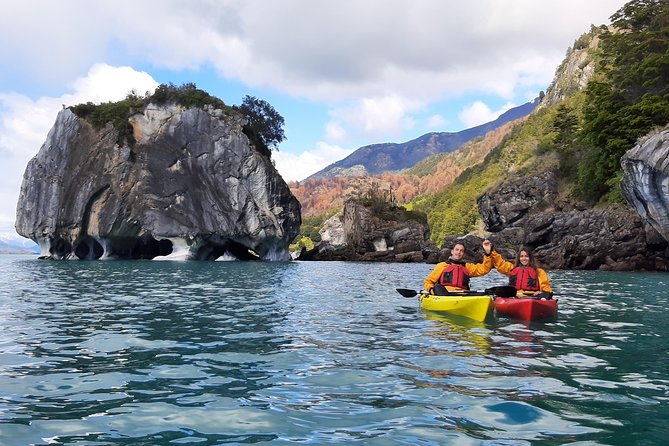
The tour includes photographs. That’s not just a nice add-on—it matters in places like this where you’d otherwise be juggling a phone and a paddle at the same time. If you want pictures that actually look like caves (instead of faces half-tilted in wind), this is a real value play.
It also helps with pacing. When the guide knows photos are part of the plan, they can set you up at good moments rather than rushing people through.
Timing is built around the structure:
- Start and gear up at the plaza office
- Drive to Bahía Mansa
- Instruction talk
- Kayak time with guided movement through the sanctuary
- Quiet walk touring the sanctuary
- Return to the meeting point
And yes, it’s designed for weather. If conditions aren’t right, the plan can change. That’s not a surprise in Patagonia. The good news is this operator builds around doing the experience safely rather than forcing it at all costs.
Price and value: what $60 covers (and why it’s not just cheap)
At $60 per person, this isn’t a budget-only excursion, but it also isn’t inflated. The real question is: what do you save compared to doing it piecemeal?
This price includes:
- Private transportation
- Clothing (plus keeping your phone dry)
- Entrance ticket to Bahía Mansa
- Photographs
Not included is just snacks.
If you’ve ever tried to kayak in Patagonia without the right gear, you know how fast “doing it yourself” turns into spending on neoprene, gloves, and wet-and-cold misery. Here, you’re paying for a package that removes most of the gear headache and adds guidance and cave time.
Also, the operator notes group discounts and that they use a mobile ticket, which typically makes check-in simpler.
And one more value point: tours like this often fill up. With an average booking window of about 28 days in advance, booking earlier usually gives you more date options—especially in a popular season.
Who this tour suits best (and who should plan carefully)
This one fits best if you want a mix of action and understanding: kayaking, a calm sanctuary walk, and a guided geology explanation that makes the marble feel meaningful.
You’ll likely enjoy it if:
- You’re comfortable trying kayaking even if you’ve never done it before
- You don’t want a huge group slowing everything down
- You care about staying warm without buying gear
- You want guided structure rather than wandering
It may be less ideal if you:
- Hate filling out forms and handling message confirmations on time (you need to complete the form at least 24 hours before)
- Get very anxious about water and paddling unless you’ve had instruction (you’ll learn the basics, but it still involves rowing and moving in open space)
Still, with the small group cap and the sheltered cave nature, it’s built to feel steady and safe.
Should you book the Marble Chapels Kayak Tour?
If you’re visiting Puerto Río Tranquilo and you want to see the marble caves without turning the day into a gear-management project, I’d book this. The big selling points are practical: small groups, all clothing included, and a guide who helps you understand the geology while you’re actually inside the caves.
The only real “don’t wait” item is the form you must complete at least 24 hours before. If you can handle that, you’re set for a fun, safe, and genuinely scenic outing.
It’s one of those rare tours where you get both the wow-factor and the reason-behind-the-wow—without needing expert kayaking skills first.
FAQ
How long is the Marble Chapels Kayak Tour?
The tour lasts about 3 hours total. Kayaking is around 1.5 hours, and you’ll spend about 1 hour touring the sanctuary on foot.
Where does the tour start and end?
The tour starts at the operator’s office in the plaza of Puerto Río Tranquilo. It ends back at the same meeting point.
What kayak setup do you use?
The tour uses fishing kayaks, either open or sit on top.
What should I bring if clothing is included?
You should bring spare underwear, water, a beanie, sunscreen, and sunglasses. Gloves are recommended on cold days, and snacks are recommended if you think you’ll need them. Clothing and a phone dry bag are provided.
How many people are in each group?
Groups are small, with a minimum of 1 and a maximum of 6 travelers.
What do I need to do before the tour, and is weather a factor?
At least 24 hours before the tour, you must fill out a form. The operator will contact you via WhatsApp or TripAdvisor messages, and the experience requires good weather; if it’s canceled due to poor weather, you’ll be offered a different date or a full refund.