REVIEW · MONTPELLIER
Montpellier : Birdwatching by kayak in the Camargue
Book on GetYourGuide →Operated by L'échappée verte · Bookable on GetYourGuide
A lagoon birdwatching trip by kayak sounds simple, but it puts you in the right place and at eye level. I like the feeling of low-profile access to the Petite Camargue’s Natura 2000 waters, and I also like that the guide pairs wildlife spotting with practical explanations about the lagoon. The one thing to consider is that you’ll be on the water for real, so you should be comfortable with swimming and handling a paddle for 2 hours.
If you’re looking for a quiet nature outing, this works well: open, stable kayaks, life jackets, and even binoculars and a landing net to help you see what matters. Still, it’s not a private outing, so if your group includes people who need extra help, you may wait a bit before moving on.
In This Review
- Key highlights worth showing up for
- Kayaking into the Petite Camargue near Montpellier
- Your kayak setup: stable boats, life jackets, and gear you’ll actually use
- The 2-hour rhythm on the water (and why breaks matter)
- What wildlife you’re actually here for: birds, fish life, and the lagoon system
- Sunset in pink-orange color: morning vs evening
- Price and what you’re really paying for (about $76 for 2 hours)
- Who should book, and who should skip
- Small-group pacing: the good part and the one potential snag
- Should you book L’échappée verte’s Camargue kayak birdwatching?
- FAQ
- Where does the tour start?
- How long is the kayaking birdwatching experience?
- What wildlife might I see?
- How deep is the lagoon?
- Are pets allowed?
- Is the tour suitable for kids and non-swimmers?
Key highlights worth showing up for
- Unknown lagoon access: you reach parts of the water that feel hard to reach any other way
- Natura 2000 biodiversity: you’re not just looking at birds—you’re learning the web of flora and fauna
- Wildlife variety: flamingos, herons, egrets, mullets, and kingfishers are all on the radar
- Sunset timing: pink or orange skies can color the whole experience
- Smart equipment: waterproof bag, binoculars, and a net are included, so you can focus on spotting
Kayaking into the Petite Camargue near Montpellier
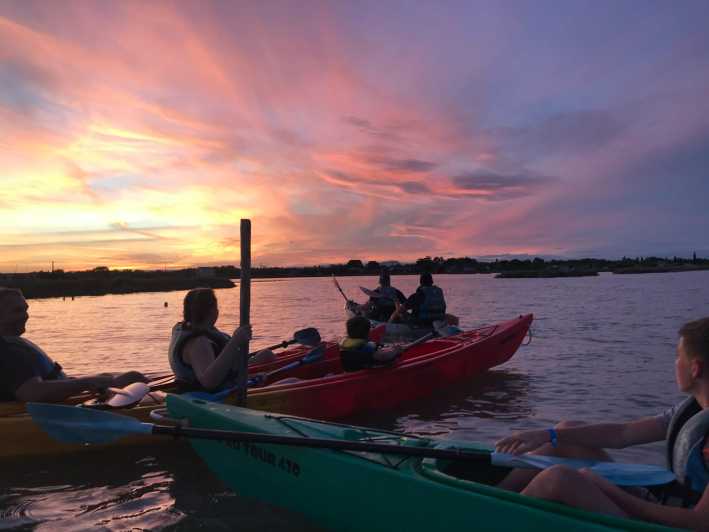
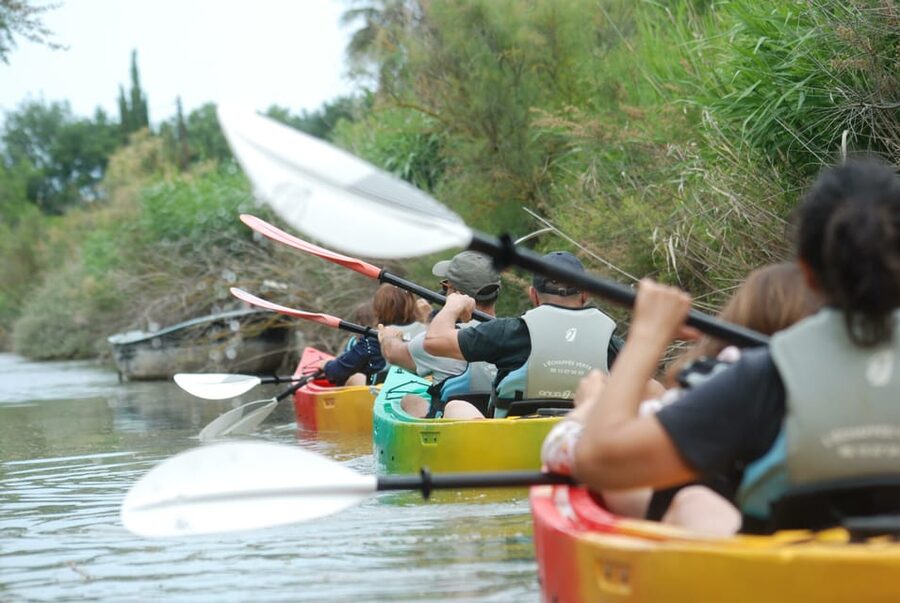
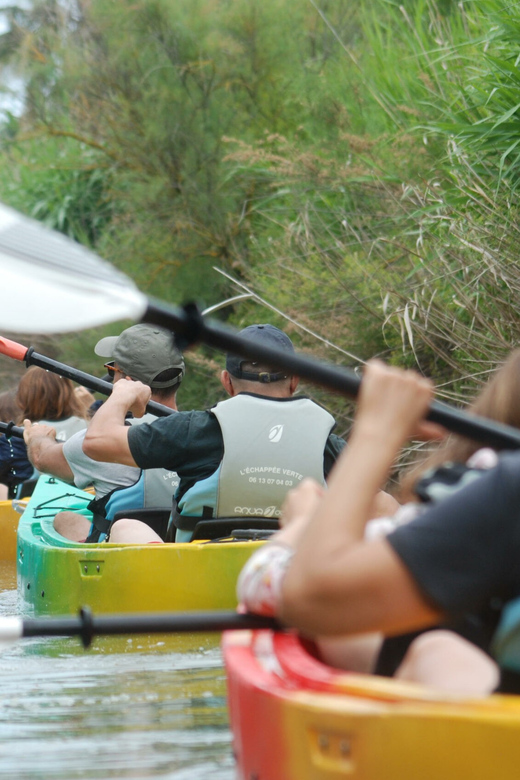
This is one of those “you only see it from here” activities. The Camargue lagoon system around Montpellier is protected and rich, and the experience is built around getting you onto the water in an area where the habitat is fragile and worth respecting. You’ll be in open, stable kayaks designed for eco-tours, which matters because it keeps the outing calm and controlled—less bouncing around, more time to watch.
What I like about this style of tour is the balance: you’re doing something active, but it stays grounded in nature learning. You also get explanations from a state-certified guide, so you’re not just collecting bird sightings. You’re understanding what you’re seeing and why it’s there—local flora, local fauna, and even fishing techniques tied to lagoon life.
If you come for photos, this is a good bet. If you come for a deeper nature connection, it’s also a good bet.
Your kayak setup: stable boats, life jackets, and gear you’ll actually use
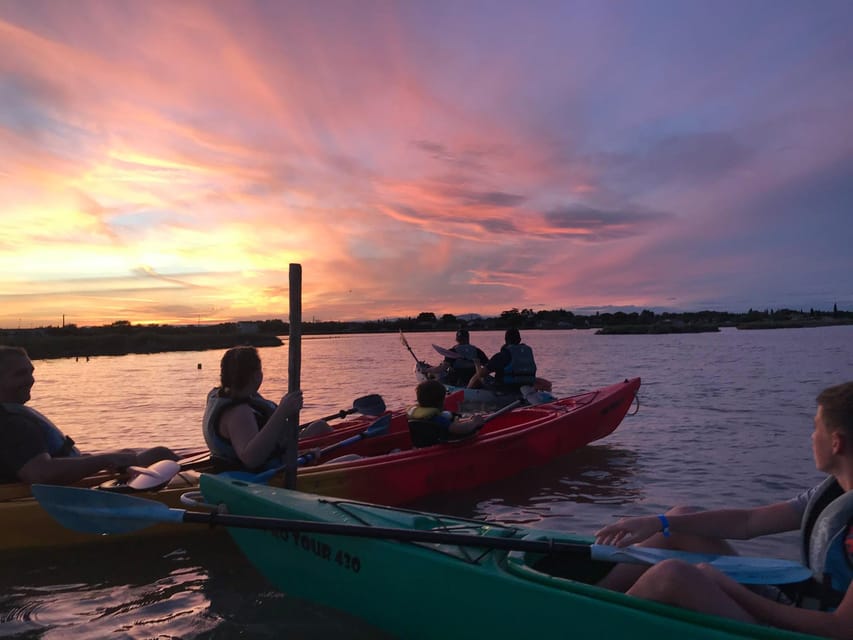
You don’t show up empty-handed. The tour includes kayak, paddle, and a life jacket, plus a waterproof bag for your belongings. That waterproof bag sounds like a small thing until you’re out on calm water and you realize you don’t have to baby your phone or keys.
Binoculars and a landing net are also provided. That changes how you experience the lagoon: instead of guessing at distant shapes, you can actually get close-up details. And the net isn’t there for chaos—it’s part of the guided learning you’ll do on the water.
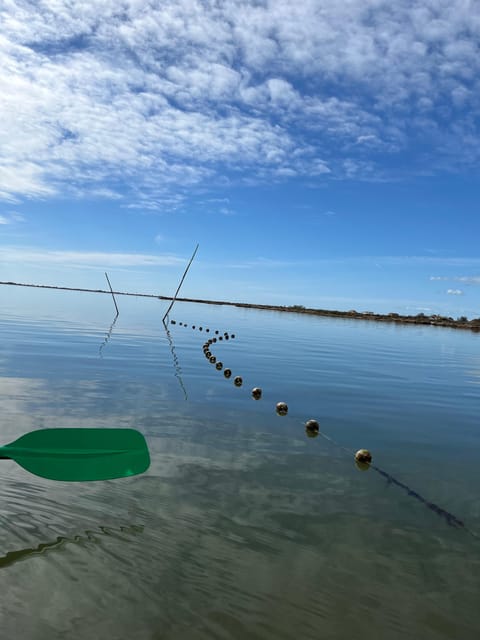
One more practical point: the lagoon is a maximum of one meter deep. You should be able to swim and immerse yourself (the tour expects that level of comfort). In real terms, that means if you end up in the water, it’s not a deep-water situation. But it’s still water, so don’t treat that requirement lightly.
The 2-hour rhythm on the water (and why breaks matter)
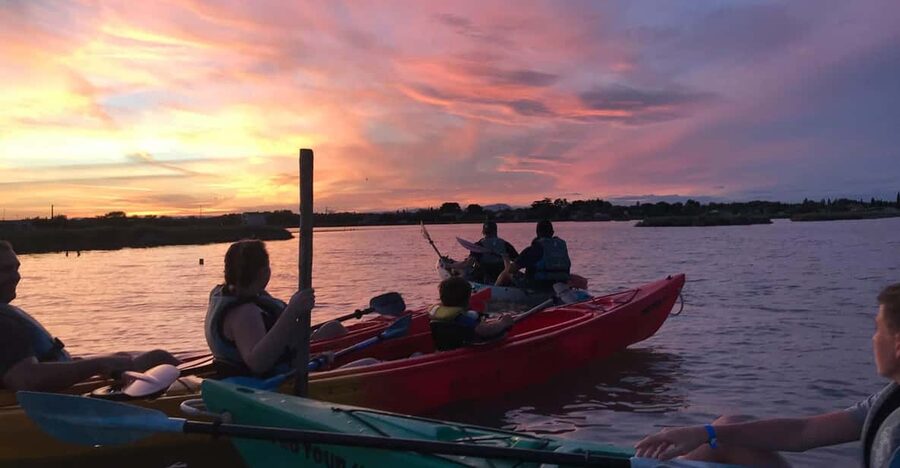
This trip runs about 2 hours. That’s long enough to get into a pattern—paddle, pause, look, learn—without turning into an all-day slog.
The pace is paced on purpose. There are regular breaks so the guide can explain what you’re seeing and what to look for next. Those stops are also where you’ll get better at birdwatching fast, because you’re learning how to scan reeds and shorelines instead of just spotting whatever happens to fly close.
Meeting starts at a simple, easy-to-find location: the paved part of the path at the wooden gate marked échappée verte. From there, you gear up and get into the rhythm of the tour.
Group size is kept small to keep a low profile and maximize time on-site. That said, not every group moves at the exact same speed. If someone in your group needs help getting comfortable in a kayak, you might spend a little time waiting before you go again. It’s usually part of the experience when a guide is balancing safety and learning.
What wildlife you’re actually here for: birds, fish life, and the lagoon system
The highlight list is serious. You’ll have a good chance to see pink flamingos, along with herons, egrets, and kingfishers. Even if you don’t spot every species, the goal isn’t just a checklist—it’s understanding how the lagoon supports the whole food chain.
Here’s what makes this tour feel different from a standard bird walk: you’ll combine bird watching with explanations about the lagoon’s biodiversity. That includes local flora and fauna, plus fishing techniques. In other words, the guide helps you connect birds to what’s happening under and around the water surface.
The lagoon environment also affects what you notice. Reed beds and shallow edges often tell you more than open water. So when the guide pauses for explanations, pay attention to what you’re scanning. You’ll get better at spotting the next bird without needing to chase it.
Sunset in pink-orange color: morning vs evening
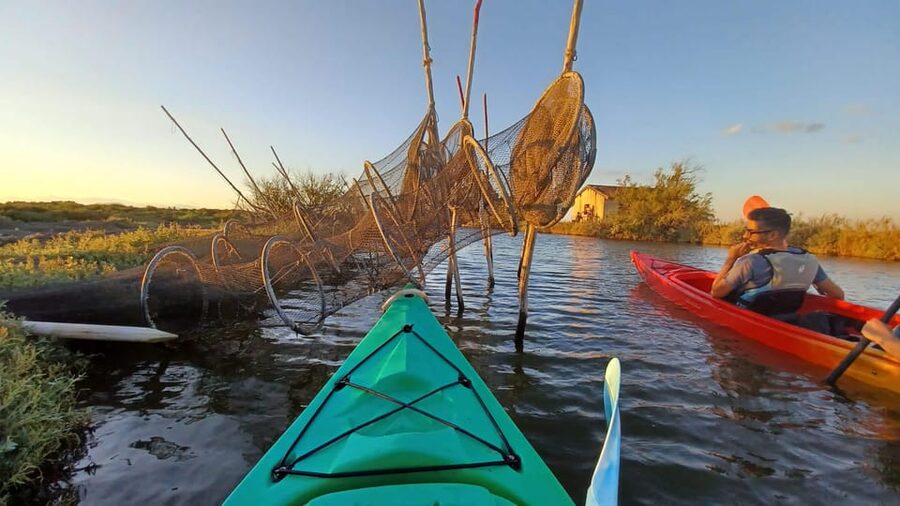
If you can, plan for the evening. The tour description promises views and a sunset with pink or orange tones, and that timing naturally changes how you perceive the lagoon. Light makes birds easier to pick out in motion, and it makes the water feel more alive.
There’s also a morning option, and it’s noted as a good choice for younger children. That’s useful if your priority is an easier start rather than powering through an evening outdoors session.
One extra detail to know: there may be an option to stay until dark and have a picnic. I’d treat that as a “ask at the beginning” kind of possibility, because you want to know early so you can plan your schedule.
Price and what you’re really paying for (about $76 for 2 hours)
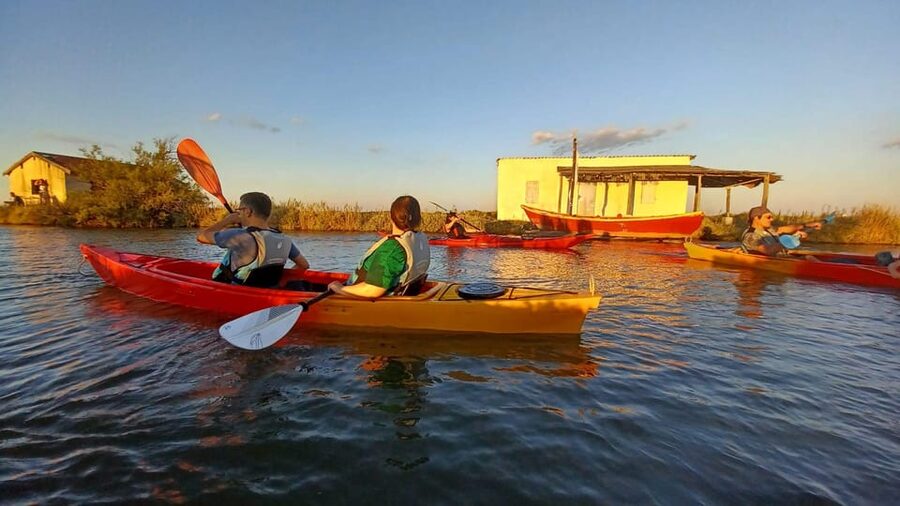
At around $76 per person for a 2-hour guided outing, you’re paying for more than the kayak. The value comes from four things you don’t have to source yourself:
- A state-certified guide who can explain the ecosystem while you’re on the water
- Included equipment: kayak, paddle, life jacket, waterproof bag
- Included wildlife tools: binoculars and a landing net
- A full on-site base setup: parking, toilets, and picnic tables
If you were to piece that together independently—guide time, binoculars, safe watercraft, and the right protected access—you’d likely spend more. Even then, the biggest “value” is access: the tour is built around reaching the lagoon areas that feel inaccessible by ordinary walking routes.
Is it for everyone? Not quite. If you’re only chasing a guaranteed wildlife show, a short kayak outing can feel variable. If you want a guided nature experience with real context, the price makes more sense.
Who should book, and who should skip
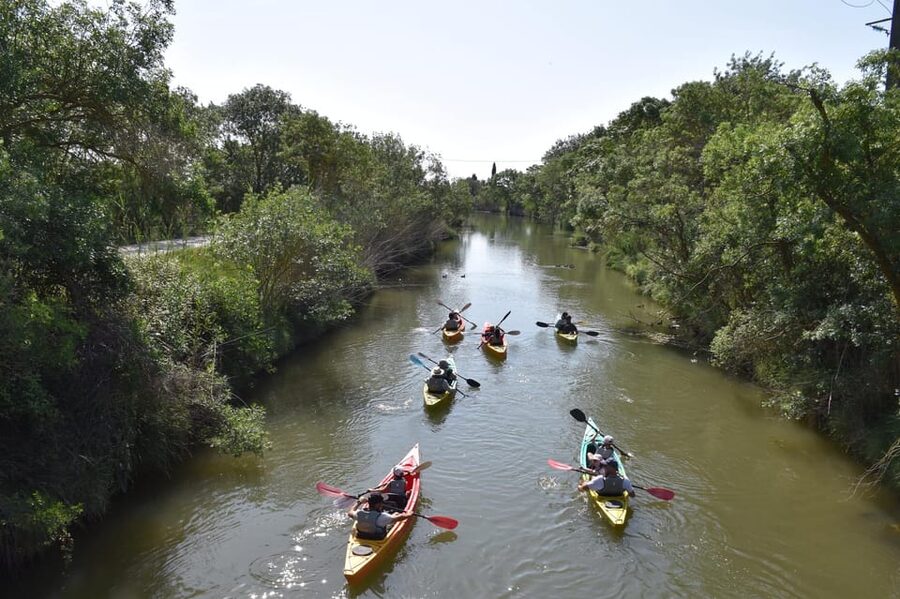
This is a nature activity, not a casual sit-and-watch boat ride.
You should consider it if you can:
- Paddle comfortably for a couple of hours
- Swim and be able to immerse yourself if needed
- Handle a correct physical condition for a water outing
You can bring children, but follow the age rules. The information says children are welcome since 6 years, while the “not suitable” guidance states under 7. If you’re traveling with a young child, confirm the exact age requirement when you book.
These rules also matter for comfort and safety:
- No pets
- No smoking
- No noise (the whole point is low-profile wildlife watching)
Non-swimmers should skip this one entirely. The water access and depth expectations mean the tour isn’t built for people who just want to stay dry.
Small-group pacing: the good part and the one potential snag
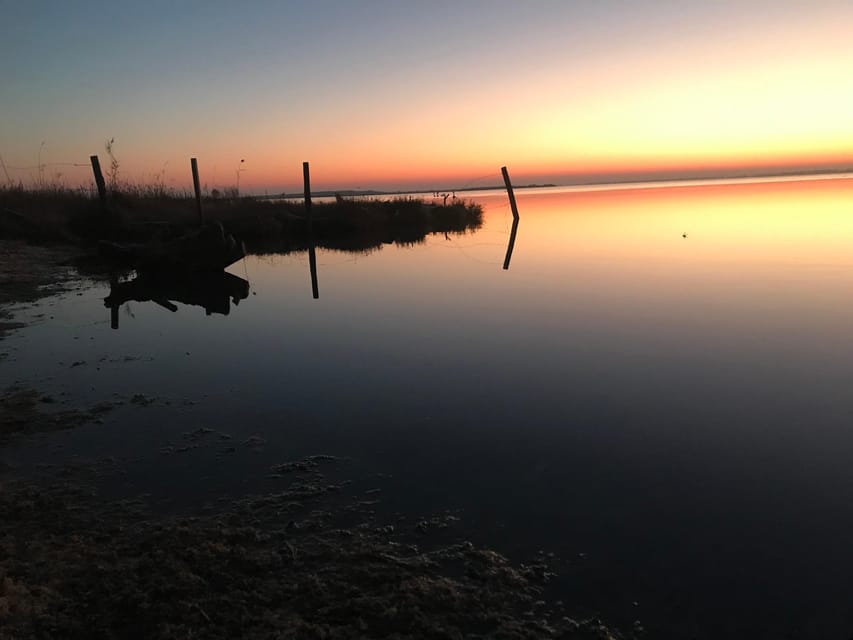
The intent is small-group kayaking so you don’t have constant crowd interruptions. That usually helps the guide keep attention on wildlife and keep the kayak experience smooth.
The potential drawback is tied to that “mixed comfort level” reality. If your group includes a few participants who can’t kayak as confidently, the tour can slow down in places. That’s when you may see more waiting between paddling sections or directions being repeated.
My advice: choose a time when you’ll be patient. And if you’re a beginner, be honest with the guide during the start briefing so they can plan where you’ll fit best in the group.
Should you book L’échappée verte’s Camargue kayak birdwatching?
Book it if you want:
- Guided birdwatching from a kayak in a protected Natura 2000 setting
- A chance at flamingos, herons, egrets, and kingfishers
- A 2-hour nature outing that includes explanation, not just sightings
- Included gear that makes spotting wildlife easier (binoculars and a net)
Skip it if you:
- Can’t swim or don’t want any chance of being in the water
- Need a completely quiet, effortless experience with no kayaking effort
- Are hoping for a private, perfectly timed trip with zero waiting
If you fit the right profile—comfortable on the water, curious about lagoon life—this is a high-value way to see a part of the Camargue most people never reach.
FAQ
Where does the tour start?
You meet at the paved part of the path by the wooden gate marked échappée verte.
How long is the kayaking birdwatching experience?
The tour lasts about 2 hours.
What wildlife might I see?
You may see pink flamingos, herons, egrets, mullets, and kingfishers, depending on conditions.
How deep is the lagoon?
The lagoon is stated to be a maximum of one meter deep.
Are pets allowed?
No, pets are not allowed.
Is the tour suitable for kids and non-swimmers?
Children are welcome since 6 years, but the tour rules also state it isn’t suitable for children under 7 years. It is also not suitable for non-swimmers, since adults and children should be able to swim and immerse themselves.