REVIEW · NEW HAMPSHIRE
Oyster Tasting and Kayak Tour
Book on Viator →Operated by PK Paddle Tours · Bookable on Viator
A kayak ride that ends with oysters is a rare combo. In Little Bay, you get a short on-water lesson, a scenic paddle past rocky shorelines and wildlife, then a hands-on stop at an oyster farm dock with fresh tasting. It’s a small-group outing run by PK Paddle Tours that works well for people who want something hands-on without signing up for a full day.
I especially like the mix of wildlife watching and oyster farming in the same 2-hour window. The guide, including Paul (one of the instructors noted in feedback), keeps things upbeat and practical, and the whole experience feels tailored rather than rushed. Second, I love the straightforward way the oyster stop is handled: you learn about sustainable farming right at the floating dock, and you still get a real snack moment even if oysters are not your thing.
One thing to think about: this outing depends on good weather, and you’ll have a moderate level of physical activity since you’re paddling for roughly a mile. If you’re more comfortable on land than in a kayak seat, it may feel like more work than you expect.
In This Review
- Key highlights you’ll actually care about
- Kayaking to oysters in Little Bay: why this tour feels different
- Adams Point Boat Launch: the start point that keeps things simple
- The 20-minute paddle intro: how you get comfortable fast
- Paddling about a mile along the rocky shore (Little Bay)
- Hidden Coast Shellfish floating dock: oysters, farming, and the how-it-works moment
- The return kayak: wildlife spotting plus local context
- Price and value: is $85 worth it for 2 hours?
- Weather, fitness, and small-group comfort notes
- The guides and what you’ll likely learn from them
- Who should book this kayak + oyster tasting tour
- Should you book PK Paddle Tours Oyster Tasting and Kayak?
- FAQ
- How long is the Oyster Tasting and Kayak Tour?
- Where does the tour start?
- Is the tour offered in English?
- Do I need to be very fit?
- What group size should I expect?
- What happens if weather is poor?
Key highlights you’ll actually care about
- Short 2-hour format that packs paddling, wildlife spotting, and oyster tasting into one run
- Small group size (max 10), which makes it easier to get help and ask questions
- Beginner-friendly paddle intro (20 minutes) before you head along the shore
- Hidden Coast Shellfish floating dock stop for fresh oysters and sustainable oyster farming talk
- Wildlife viewing focus with binoculars available on request
- $85 price point for a guided kayak + oyster tasting experience in New Hampshire
Kayaking to oysters in Little Bay: why this tour feels different
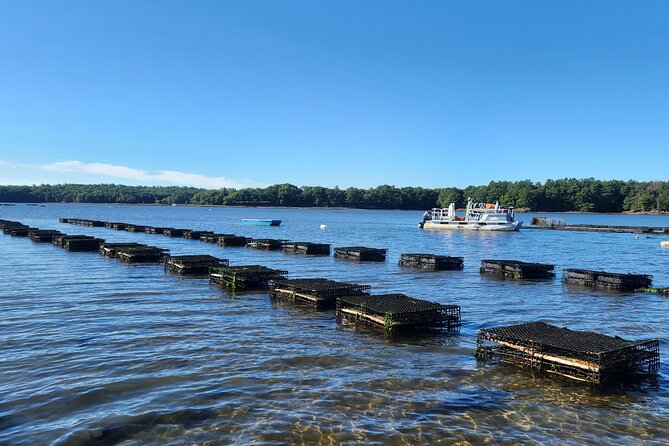
Most food tours start with a table. This one starts with a boat. You’re not just eating seafood in a restaurant-you’re paddling your way into the setting where it’s farmed. That changes the whole vibe. You see the bay from the water, you notice how the shoreline works, and you understand why oyster farming makes sense in this kind of coastal environment.
Little Bay also gives you a calmer kind of scenery. The route is designed to stay manageable: you’ll paddle about a mile along a rocky shore, which is long enough to feel like an outing but short enough that the timing still works for tasting and learning.
And the oyster part isn’t treated like a random add-on. At the floating dock, you get the farming lesson right where the product is grown. If you’ve ever wondered how oysters actually fit into coastal ecosystems, this structure makes the answers feel concrete.
Adams Point Boat Launch: the start point that keeps things simple
The tour meets at Adams Point Boat Launch, 64 Adams Point Rd, Durham, NH 03824. It’s nice when a tour’s logistics aren’t complicated, and this one keeps the “start and end back at the meeting point” promise.
After registration, you’ll receive the exact meeting details and any additional info. Since the confirmation happens at booking time, you won’t be guessing for long on day-of planning.
A practical tip: plan to arrive a little early so you can settle in and get ready for the paddle intro without feeling rushed. The first chunk of time is spent getting oriented, and you’ll want your head in gear for that.
The 20-minute paddle intro: how you get comfortable fast
Before you head out, you’ll get a group welcome and a paddle introduction for about 20 minutes. This matters because kayaking can feel awkward if you’re thrown into it immediately. The intro is the difference between spending the whole trip trying to stay balanced and actually enjoying what you’re looking at.
This is also where you’ll learn what to expect for the rest of the tour. The goal isn’t to turn you into a marathon paddler. It’s to help you move confidently along the shoreline so you can focus on wildlife and the dock stop later.
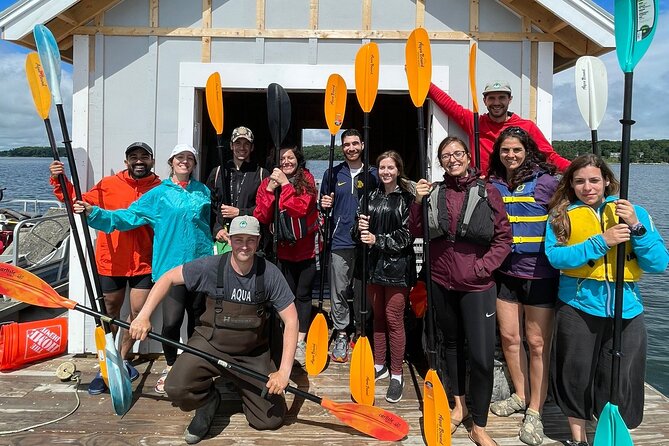
You’ll paddle as a group, and the tour caps at 10 travelers, which usually means there’s enough attention for people who need it. If you’re a first-timer, that small-group setup is a big part of the comfort.
Paddling about a mile along the rocky shore (Little Bay)
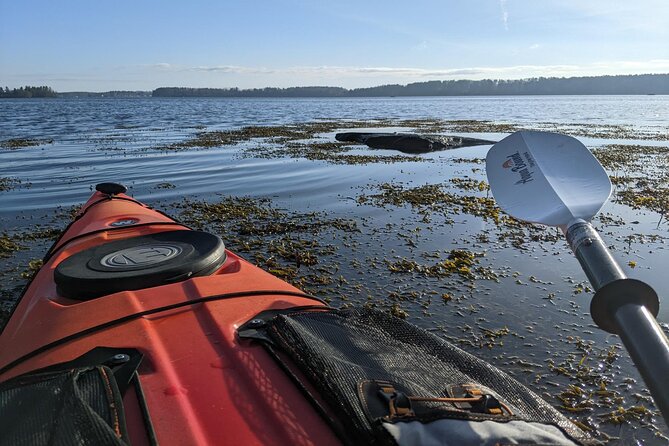
Once you head out, you’ll kayak roughly 1 mile along the rocky shore. The timing is around 30–40 minutes for this stretch, and it’s built around wildlife spotting. Binoculars are available on request, which is a smart detail. You don’t want to spend your whole time craning your neck when the water is doing the best job of showing you what’s there.
This section is a “watch and learn” kind of paddle. The shore can look plain from land, but from the water it reads differently. You start noticing small patterns in the coastline and how the bay holds the light, which helps your eyes track movement.
You’ll also get quick learning moments along the way. One of the things I like about this approach is that it keeps you from feeling like you’re just passing time in a kayak. You’re actively engaged, even during the return portion.
Hidden Coast Shellfish floating dock: oysters, farming, and the how-it-works moment
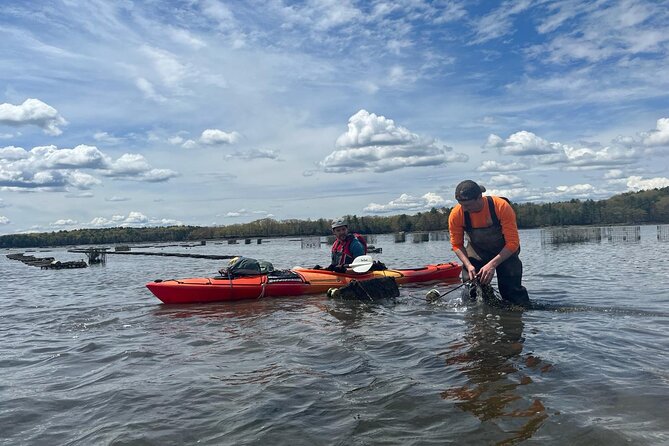
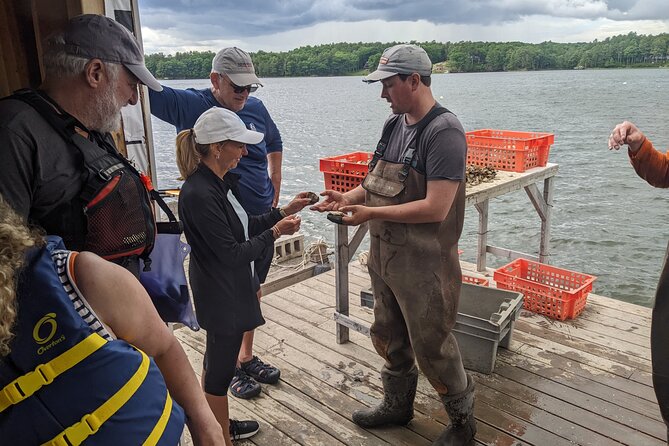
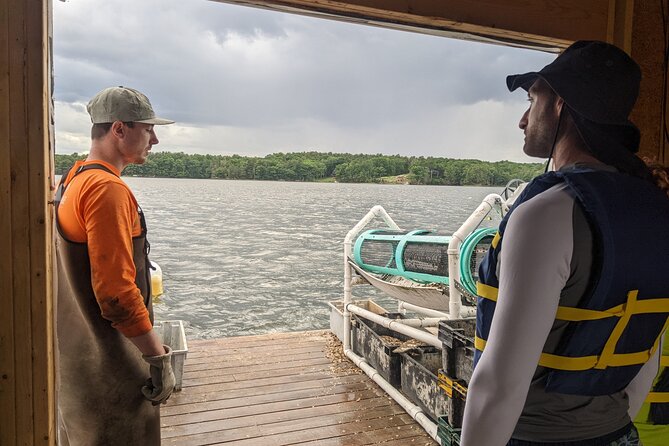
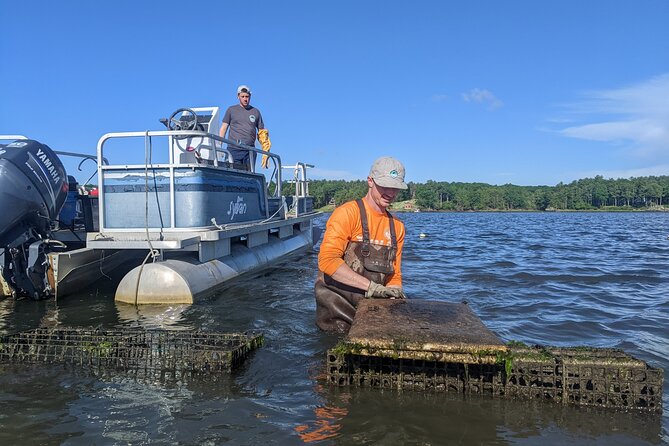
The best part of this itinerary is the stop at the Hidden Coast Shellfish floating dock. After paddling, you take about 30 minutes there to reset, learn, and eat.
This is where the sustainable oyster farming conversation happens. You’re not getting generic facts; you’re learning the practical idea of how oyster farming works in this setting, because you’re standing right where the oysters are grown.
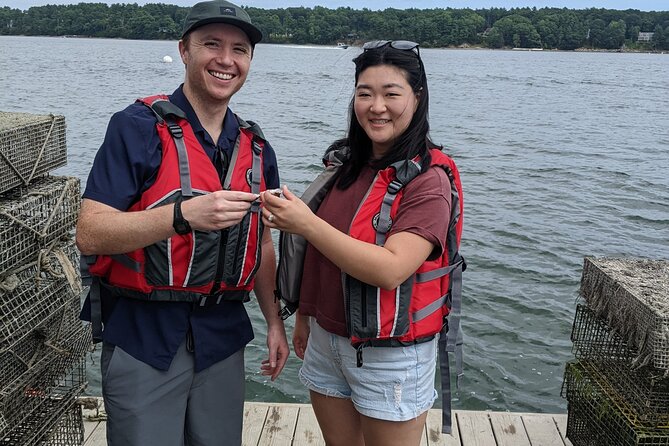
And yes, you get fresh oysters picked for you. That’s the point. Fresh can be a big word when it’s used loosely, but here the structure is direct: paddle there, learn there, taste there.
If you don’t like shellfish, don’t worry-you’re not forced into the oyster decision only. Other snacks are available for those who don’t want oysters. That makes the dock stop easier to enjoy as a group, especially if you’re traveling with someone who’s picky.
The return kayak: wildlife spotting plus local context
After the dock break, you kayak back to the meeting point. Expect another 30–40 minutes, and keep your eyes open for wildlife again. The tour also includes learning about the history of the area along the way, which gives the return paddle a purpose besides simply getting back.
This part is often where tours either fade out or lock in the final stretch. Here, the plan keeps you engaged. You’ve already had the on-water intro. You’ve had the tasting and dock explanation. Now you’re closing the loop by connecting what you saw on the water to where you are along the coast.
If you like a gentle pace, you’ll probably enjoy the whole rhythm: paddle intro, short shoreline cruise, dock reset + oysters, then the scenic return.
Price and value: is $85 worth it for 2 hours?
At $85 per person for about 2 hours, this isn’t a casual add-on you toss in at the last minute. You’re paying for three things at once: guided kayaking, a supervised dock stop focused on oyster farming, and fresh tasting.
What makes the value feel stronger than it looks on paper is the structure. This is not just “kayak then eat somewhere.” It’s a guided experience with a teaching component, and the tasting happens in the actual farm setting via the floating dock stop.
Also, the group cap of 10 travelers matters for value. Smaller groups mean more attention from the guide, and that makes the paddle intro more useful. If you’ve ever been in a big group tour where your questions get answered with a nod, you’ll appreciate this one’s tighter setup.
And with a 5/5 rating and 27 reviews, the demand seems real. This is one of those tours people plan ahead for rather than wing. On average, it’s booked 27 days in advance, which is often a sign that people find the timing and format convenient.
Weather, fitness, and small-group comfort notes
This is a weather-driven experience. The tour requires good weather, and if conditions aren’t right, you’ll be offered a different date or a full refund.
You’ll want a moderate physical fitness level. That doesn’t mean you need to be an athlete. It does mean you should be comfortable paddling through about 1 mile and staying steady for the full 2-hour session including the dock time. If you’re nursing an injury or you’re unsure you can handle sustained paddling, it’s smart to think twice before booking.
One more helpful point for planning: service animals are allowed. If you’re traveling with one, this is clearly an option.
And because there’s a mobile ticket and the tour is offered in English, it’s built for straightforward day-of use.
The guides and what you’ll likely learn from them
A big theme in the experience is teaching that stays practical. One guide mentioned by name is Paul, who’s described as enthusiastic and accommodating, including for a kayak mishap on a trip. That’s exactly the kind of detail that makes a difference. It suggests they’re ready to handle real-life chaos without turning the whole outing into a stress test.
You’ll also pick up information in two key locations: on the water (wildlife and bay observations) and at the dock (sustainable oyster farming). The combination keeps the tour from feeling like a single-note gimmick. Even if you show up mainly for the oysters, you leave with an understanding of why this coastline supports oyster cultivation and how the farm fits into the local ecosystem.
Who should book this kayak + oyster tasting tour
This tour suits you if:
- You’re an oyster lover and want fresh taste with real context, not just a snack stop
- You want an active outing that’s short and guided, not a full-day paddle commitment
- You like nature spotting and would enjoy wildlife viewing with binoculars
- You travel in a small group or even solo and prefer more attention than you’d get in larger tours
It may be less ideal if you:
- Don’t like being on the water or feel anxious in kayaks
- Are looking for a purely food-focused experience with zero physical activity
Should you book PK Paddle Tours Oyster Tasting and Kayak?
I’d book this if you want a “New Hampshire on the water” experience that ends with something you can’t fake. Kayaking gives you the setting. The dock stop gives you the story. The fresh oysters give you the payoff.
Choose it with confidence if you’re comfortable doing moderate paddling for about an hour of time on the water (split across the route) and you’re traveling at a time when conditions are likely to be good. The small group size (max 10) and the structured paddle intro are real comfort advantages, especially if you’re new to kayaking.
The one catch is weather. If you’re flexible on dates, that’s fine. If your schedule is locked, have a Plan B in mind so you’re not stuck waiting on forecasts.
If you’re ready for a short, guided paddle plus a meaningful oyster stop at Hidden Coast Shellfish, this is the kind of tour that makes sense to book ahead—and then feel glad you did.
FAQ
How long is the Oyster Tasting and Kayak Tour?
It runs for about 2 hours.
Where does the tour start?
The meeting point is Adams Point Boat Launch, 64 Adams Point Rd, Durham, NH 03824, USA.
Is the tour offered in English?
Yes, it is offered in English.
Do I need to be very fit?
The tour notes a moderate physical fitness level. You should feel comfortable with the kayaking portion.
What group size should I expect?
The maximum group size is 10 travelers.
What happens if weather is poor?
This experience requires good weather. If it’s canceled due to poor weather, you’ll be offered a different date or a full refund.