REVIEW · WEST PALM BEACH
Paddle Boarding Eco Adventure Tour Jupiter Florida – Singer Island
Book on Viator →Operated by South Florida Paddle · Bookable on Viator
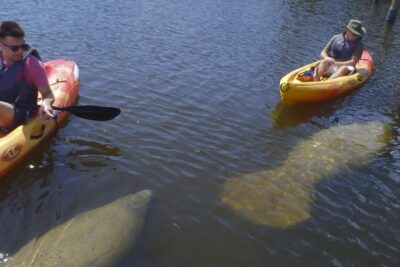
Manatees on a stand-up paddleboard. This 105-minute Jupiter SUP tour through the Lake Worth Creek Aquatic Preserve keeps the day practical and outdoorsy, with a naturalist guide helping you read the ecosystem as you go. I love the all-in gear (board, paddle, life jacket, whistle) and how the instruction feels pressure-free for first-timers; I also like the photo support, since pictures are included and sent after the tour. The one drawback to factor in is that wind and tides can affect how calm your paddle feels, even though the guide works to keep you sheltered when possible.
You’ll meet at Sawfish Bay Park off Alt A1A in Jupiter and paddle a route that typically stays in backwater—plus there’s sometimes a chance to head toward the Jupiter sandbar if conditions and timing allow. With a maximum of 8 travelers, it’s a small-group outing where you can actually get help when you need it, not just follow along and hope for the best. If you have moderate physical fitness and can handle being out on the water for about 1 hour 45 minutes, this is a very easy way to experience the aquatic preserve without getting lost in logistics.
In This Review
- Key things I’d plan around
- Paddle Boarding Eco Adventure in Jupiter: why this water feels special
- Finding Sawfish Bay Park on Alt A1A (and keeping your morning easy)
- What you’re really paying for at $77 per person
- The naturalist guide approach: how first-timers feel safe and in control
- The on-water route: backwater paddling, Fullerton/Sawfish Island, and a possible sandbar
- What “sheltered first” means for you
- Wildlife spotting you can plan your eyes for
- My practical advice for spotting
- The ride-by stops: what each named spot adds to the tour pace
- Singer Island
- Jupiter Inlet Lighthouse & Museum
- Dubois Park
- Jupiter (the broader area segment)
- Peanut Island Park
- North Palm Beach
- Sawfish Bay Park (the return anchor)
- Burt Reynolds Park
- Coral Cove Park
- Weather, wind, and tides: the reality check for SUP in Jupiter
- What you can control
- Photos included: when to expect them and why it matters
- Who should book this eco paddle—and who might hesitate
- Should you book this Paddle Boarding Eco Adventure Tour in Jupiter?
- FAQ
- How long is the paddle boarding eco adventure tour?
- Where do I meet for the tour?
- What is included in the price?
- How much does the tour cost?
- What wildlife will we look for?
- Is this tour beginner-friendly?
- How many people are in each tour group?
- What fitness level is required?
- Will I get photos, and when do I receive them?
- What if weather causes changes or cancellation?
Key things I’d plan around
- Small group (max 8 travelers): easier pacing and more individual coaching when conditions shift
- All equipment included: you show up and get geared up—life jacket, paddle, board, whistle
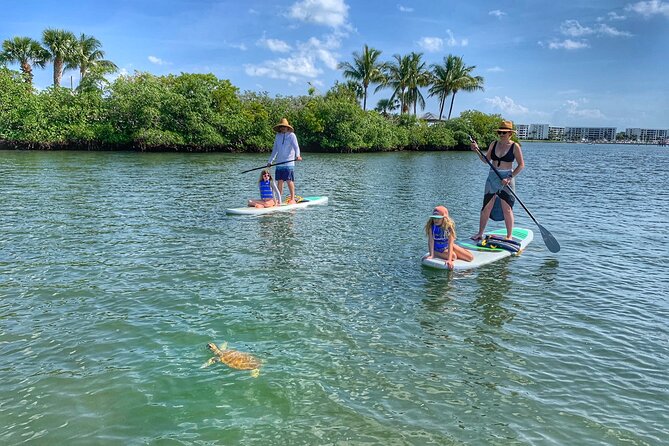
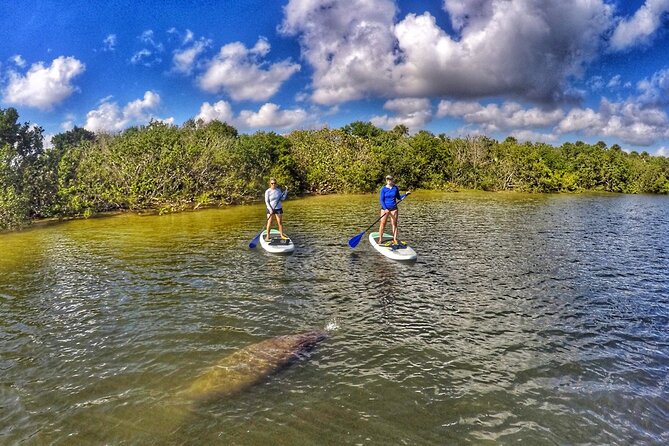
- Naturalist-style wildlife spotting: manatees, rays, juvenile sea turtles, dolphins, and birds are a focus
- Beginner-friendly route choices: backwater first, with a possible sandbar push if time allows
- Photos included: your guide helps capture the moments, and you’ll receive images a few days later
Paddle Boarding Eco Adventure in Jupiter: why this water feels special
Jupiter and the Palm Beach side sit right at the crossroads of calm inshore water and serious wildlife habitat. This tour is built around that sweet spot: you paddle in and around Lake Worth Creek Aquatic Preserve south of the Loxahatchee River, which is the kind of place where seeing nature isn’t just a bonus—it’s the point.
The other thing I like is how the tour stays focused. You’re not doing a long grind across open water for the sake of distance. Instead, you’re guided through sheltered backwater first, with plenty of built-in chances to regroup and reset.
And because it’s run as an eco-adventure with a naturalist guide, you’re not just scanning the shoreline randomly. You’re learning what to look for and why it’s there, then using that knowledge as you paddle.
You can also read our reviews of more tours and experiences in West Palm Beach.
Finding Sawfish Bay Park on Alt A1A (and keeping your morning easy)
Your start point is 1133 FL A1A Alt, Jupiter, FL 33458, at Sawfish Bay Park. The tour ends back at the same meeting point, so you’re not dealing with shuttle anxiety or figuring out where everyone else parked.
One practical note: some people find it confusing to navigate via map routes, so I’d treat the address as the truth and give yourself extra time to arrive and get settled. Once you’re on-site, you’ll get ready with the provided paddleboard setup and life jacket.
The tour is about 1 hour 45 minutes, so try not to schedule other tight plans right afterward. You’ll want a little buffer for getting comfortable in the gear and then catching your breath after.
What you’re really paying for at $77 per person
The price is $77 per person, and it’s easier to judge value when you see what’s included. Here you’re getting the full SUP kit—paddleboard, paddle, and life jacket—plus a whistle. That matters because the hidden cost of SUP days is often gear: rentals, correct sizing, and the hassle of finding a place to pick it up.
You’re also getting filtered drinking water available during the experience. That sounds small, but in Florida heat it changes how you feel at the halfway mark.
Then there are the photos included, with delivery taking about 3 days. Guides actively taking pictures for your group is one of the most “worth it” perks in outdoor activities, especially when you’re watching wildlife and can’t constantly be camera-ready.
If you’re the type who wants a guided plan and doesn’t want to manage equipment or route stress, this all-in approach is a strong match for the cost.
The naturalist guide approach: how first-timers feel safe and in control
This is a beginner-friendly paddle in the real sense, not the marketing sense. The route is described as perfect for beginners, and the guiding style shows up in a consistent way: you get patient teaching, and conditions are handled with adjustments.
You’ll be on the water with a guide who knows the ecosystem well, which is exactly what you want when wildlife is the target. If the guide can explain what you’re seeing—and help you stay balanced while you look—your attention stays on the fun part instead of the stress part.
I also like that the paddle is designed around breaks and regrouping. The water time is long enough to feel like an adventure, but not so long that you never settle into the rhythm.
And yes, you can expect flexibility. Even if someone in your group is new, the guide’s job is to match the pace to the people on the board, not just the calendar.
The on-water route: backwater paddling, Fullerton/Sawfish Island, and a possible sandbar
Your session is guided along a route that starts with sheltered paddling and then (if conditions and time allow) may expand toward clearer open-water scenery.
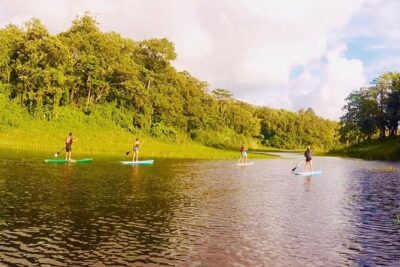
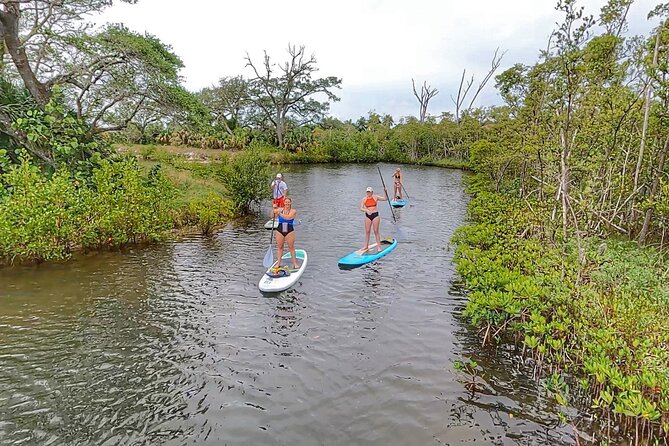
After meeting at Sawfish Bay Park off Alt A1A, you’ll paddle through sheltered backwater over to Fullerton and Sawfish Island. That stretch is important because sheltered water is where first-time paddlers learn quickly. Calm areas make it easier to stand, adjust stance, and get comfortable with turning.
During the paddle, you’ll also have a chance to look toward the Jupiter sandbar if conditions cooperate. Think of this as a bonus route, not a guaranteed promise. In South Florida, wind can change everything, and the guide’s skill shows when the plan adapts.
What “sheltered first” means for you
If you’re a beginner, sheltered water is where you can figure out your balance without fighting every gust. If you’re intermediate, it still keeps the experience enjoyable because your focus stays on wildlife spotting rather than battling rougher surfaces.
Wildlife spotting you can plan your eyes for
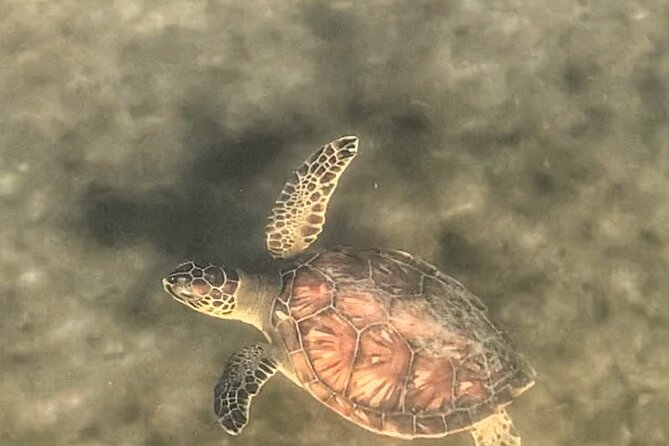
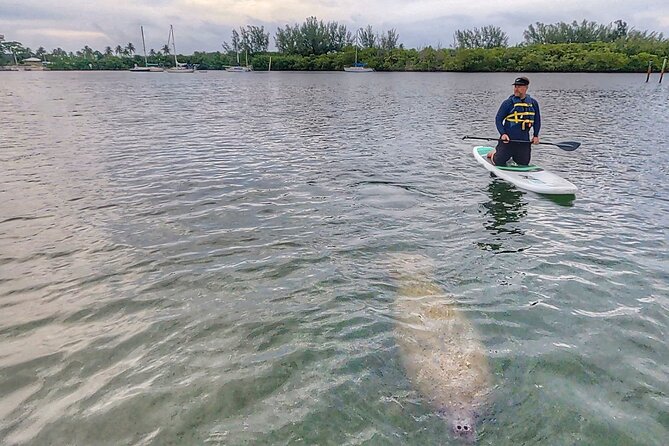
The wildlife focus is one of the biggest reasons people pick this tour. You’re specifically on the lookout for aquatic birds, and the guide helps you spot larger animals when they show up.
Based on the tour details and what’s been seen during these outings, here are the main targets to keep your attention on:
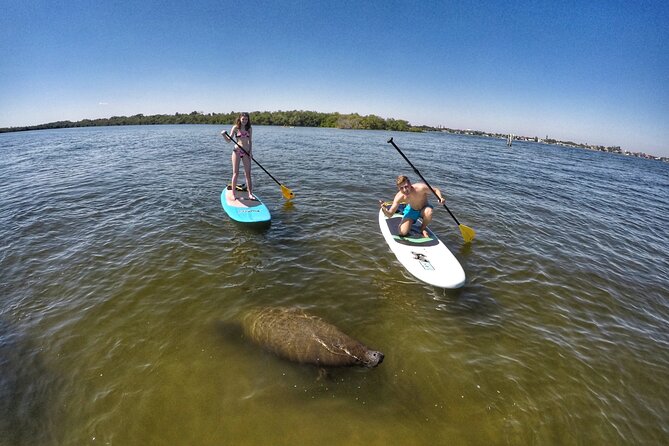
- Manatees (often the highlight when you’re lucky)
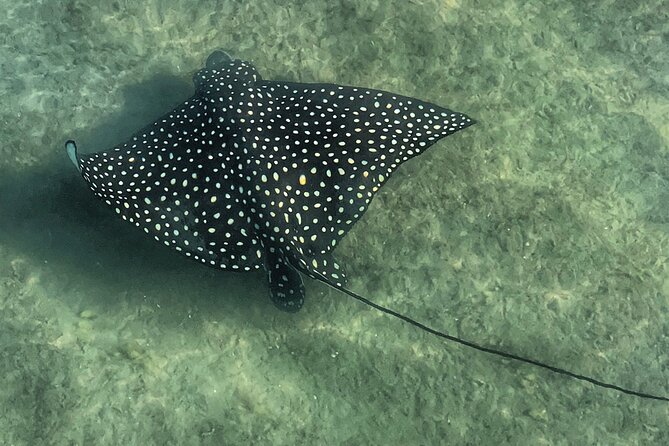
- Rays (including types you might see gliding over the bottom)
- Juvenile sea turtles
- Dolphins
- Various fish
- Aquatic birds (with pelicans and birds of prey mentioned in past sightings)
You might also catch smaller ocean-life moments when conditions line up—things like sea stars, sea urchins, and conch have come up in what guides point out during tours. That’s a reminder that “wildlife spotting” isn’t only about the big drama animals. Sometimes it’s the small creatures living close to shore that make the paddle feel real.
My practical advice for spotting
Bring your attention in layers. First scan for movement near the surface (birds, manatee blows), then lower your attention toward calmer shallows for rays and turtles. And don’t rush your scanning—keeping steady often makes it easier to notice slow-moving animals.
The ride-by stops: what each named spot adds to the tour pace
Even though you’re paddling continuously, this tour uses shoreline and landmark points to shape the flow. The named stops make the experience feel like a guided tour of the area instead of a single long stretch of water.
Here’s how you can think about the stops, based on how SUP tours like this typically operate and what the route is described to include:
Singer Island
This is a coastal introduction that helps you orient quickly. If you’re nervous at the start, having scenic context early usually helps—your brain shifts from survival mode to curiosity mode.
Jupiter Inlet Lighthouse & Museum
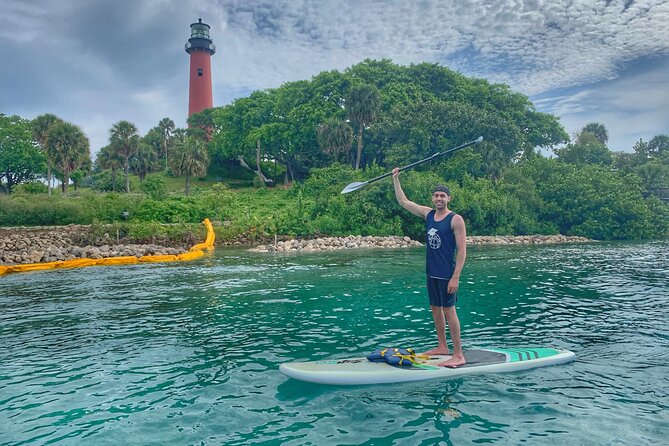
This is the kind of landmark stop that gives you a clear “we’re in Jupiter” feeling. As a viewpoint, it also helps break up the paddle so you can regroup without losing the tour’s momentum.
Dubois Park
A park stop works well on the water because it creates natural breaks. It’s also where the guide can reset the group and point you back toward the next area to paddle.
Jupiter (the broader area segment)
This part of the route keeps you in the mix of inlet-adjacent waterways. It’s useful when you want the experience to feel like more than just one tiny bay.
Peanut Island Park
This is another area where wildlife spotting can feel more likely, since islands and protected waters often attract animals. Even if you don’t see a specific highlight here, it helps keep the route visually interesting.
North Palm Beach
Crossing into North Palm Beach adds variety in scenery while still staying within the same overall water system. It also helps justify the longer guided paddle length.
Sawfish Bay Park (the return anchor)
Coming back to the meeting point matters because it gives your brain closure. It’s also where you’re likely to disembark without having to coordinate an end-of-tour walk or scramble.
Burt Reynolds Park
Another named shoreline area that adds pacing and structure. These stops keep the tour from feeling like one long effort and help you stay attentive.
Coral Cove Park
Coral Cove adds one more coastal flavor at the end of the paddle window. It’s a good finish for people who want a “last look” moment before they wrap up.
Weather, wind, and tides: the reality check for SUP in Jupiter
In South Florida, weather is not background noise. It’s part of the tour. Conditions can change what the guide can do, including how much shelter you get and whether you can go for the sandbar.
Wind came up as a real factor during past outings, but the guide approach helped: keeping paddlers behind islands for calmer water can make a noticeable difference. That’s why I’d treat the sandbar as a bonus, not the core of your plan.
What you can control
- Choose days when you can be flexible if the route shifts.
- Dress for sun and water, and plan for the fact that you’ll be on the water longer than a quick photo stop.
- If you’re prone to motion discomfort, start slow and let your body find its balance before focusing hard on wildlife.
Photos included: when to expect them and why it matters
You don’t just get a guided paddle. You also get pictures. The tour includes photos, and it says to allow up to 3 days to receive them.
I like this because it solves a common SUP problem: you can’t multitask well. Balancing on a board while holding a phone in a waterproof setup is hard. Having the guide take the shots means you’re free to look outward for manatees, rays, turtles, and birds while still leaving with memories.
It also means your photos are more likely to show the full experience: the group, the setting, and the wildlife moments you care about, not just shaky footage of your own arms.
Who should book this eco paddle—and who might hesitate
This is a great fit if you want a nature-focused SUP day without having to think about equipment or route planning. It’s also well-suited for mixed skill groups because the guiding style aims to support different paddle abilities.
You should book if:
- You’re a beginner or new to SUP and want instruction that feels patient and practical.
- You care about wildlife spotting more than speed or distance.
- You like tours where breaks are built into the flow.
- You want a small group experience (max 8 travelers).
You might hesitate if:
- You’re sensitive to wind and chop and need perfectly calm water.
- You’re expecting a guaranteed long sandbar route. The sandbar is only attempted when conditions and time allow.
- You’re not comfortable with being out for about 1 hour 45 minutes. The tour asks for moderate physical fitness level.
Also, if you’re traveling with family, this kind of guide-led paddle can work well because the pace can be adjusted and people can stand or sit based on what’s comfortable for them.
Should you book this Paddle Boarding Eco Adventure Tour in Jupiter?
If your goal is to experience Jupiter waterways with guidance, wildlife focus, and a true beginner-friendly setup, I think this is an easy yes.
The strongest reasons to book are simple: you get all the key gear, you’re guided by a naturalist who helps you understand what you’re seeing, and you’re in a small group where you’re not left behind. Add included photos and filtered water, and the value holds up even if you’re paying solo.
The main reason to think twice is weather dependency. If you pick a day with stronger wind, the guide may keep the route more sheltered, and that’s still fun, but it can change how the day feels.
If you want a calm, guided SUP experience in Jupiter with a real chance of manatees, rays, and sea turtles, book it—and give the guide room to adjust the plan as Mother Nature calls the shots.
FAQ
How long is the paddle boarding eco adventure tour?
The tour runs for about 1 hour 45 minutes (105 minutes).
Where do I meet for the tour?
You meet at Sawfish Bay Park, 1133 FL A1A Alt, Jupiter, FL 33458.
What is included in the price?
The tour includes paddle board, paddle, life jacket, whistle, and filtered drinking water. Photos are also included.
How much does the tour cost?
The price is $77.00 per person.
What wildlife will we look for?
You’ll look out for aquatic birds, manatees, dolphins, rays, juvenile sea turtles, and various fish.
Is this tour beginner-friendly?
Yes. The route is described as perfect for beginners, and you’ll be guided while on the water.
How many people are in each tour group?
The maximum group size is 8 travelers.
What fitness level is required?
A moderate physical fitness level is recommended.
Will I get photos, and when do I receive them?
Yes. Photos are included, and you should allow 3 days to receive them.
What if weather causes changes or cancellation?
This experience requires good weather. If it’s canceled due to poor weather, you’ll be offered a different date or a full refund.