REVIEW · NAOUSA
Paros: Sea Kayak Trip with Snorkeling and Snack or Picnic
Book on GetYourGuide →Operated by Sea Kayak Paros · Bookable on GetYourGuide
Paros looks bigger from a kayak. This 3.5 to 6 hour sea kayaking outing is one of the best ways to feel Paros up close, because you glide along rocky shoreline, then stop for swims and snorkeling in clear water, finishing with a simple snack or a full picnic made from local products.
What I like most is the way the guides keep the day both calm and fun. With Alex and Sophia leading, you get paddle coaching at the start, plus plenty of local stories as you move around the granite-and-limestone coast.
One thing to consider: this is an active ocean activity. You’re expected to know how to swim and be comfortable with deep water, and you’ll still be paddling when the wind shifts the plan—so you’ll want the right fitness level and to bring what’s required.
In This Review
- Key things to know before you paddle Paros
- Why sea kayaking on Paros feels special
- Meet your guides: Alex and Sophia run a safety-first day
- Gear and setup: what you’re actually using on the water
- The 3.5 to 6 hour day: how the pacing really works
- Launching from the beach: first paddling lessons and what to expect
- Stop one: rocky coast, remote beaches, and your first swim
- Snorkeling breaks: clear water, plus gear that actually helps
- The local touches: history and Parian marine environment facts
- Lighthouse, cliffs, and the optional adrenaline moment
- Kolimpithres and the Greek chapel island break
- Agia Kali stop: snorkeling plus the clay moment
- Snacks and picnic: what you get and why it works mid-trip
- Price and value: is $112 per person fair?
- What to bring (and what to skip)
- Logistics: meeting the beach and getting there from Parikia or Naoussa
- Who this sea kayak trip suits best
- Should you book Paros sea kayaking with snorkeling and picnic?
- FAQ
- How long is the sea kayak trip on Paros?
- Is snorkeling included?
- What kind of kayaks do you use?
- Do I need to know how to swim?
- Is the tour beginner-friendly?
- What food is provided?
- Who leads the tour?
- Where do we meet?
- Do I need to bring water?
- Is transportation to and from the meeting point included?
Key things to know before you paddle Paros
- Rudder-equipped tandem kayaks help you steer with less stress while you learn the basics fast
- Two planned breaks give you real swim and snorkeling time instead of just a quick photo stop
- Certified guides (British Canoeing) manage safety and adjust routes when conditions change
- Local food mid-trip means you’re fueling like you’re on the island, not eating a mystery box
- Guide-taken photos are included, so you don’t have to worry about your GoPro skills
- Optional wow moments can include a lighthouse visit, possible cliff jumping, or a trip toward Kolimpithres
Why sea kayaking on Paros feels special

On Paros, the water looks tempting from the beach. On a kayak, it also feels close. You’re moving under your own power, close enough to notice the way the coastline changes—rock texture, small coves, and those beaches that seem to exist only if you earn them. It’s quiet too. No engine noise. Just paddles and the occasional laugh when someone nails a technique they were struggling with 10 minutes earlier.
This trip also mixes movement and recovery in a smart way. You don’t just paddle for hours. You get set breaks where you can swim, snorkel, stretch your legs, and reset your energy. That balance is a big part of why it works for a range of visitors, including first-timers who want a real outdoors day without turning it into a suffering contest.
And the food matters. A snack or snack-and-picnic powered by local products turns the day into something you’ll actually remember when you’re done rinsing salt out of your ears.
Meet your guides: Alex and Sophia run a safety-first day
From start to finish, the tone is practical: learn the basics, follow the plan, and feel safe doing it. The trip is led by certified sea kayak guides (British Canoeing), and the gear is set up to match the reality of open water—life vests, spray decks, and masks and snorkels for the stops.
Alex and Sophia are repeatedly described as patient and supportive, especially for people who’ve never kayaked before. That matters because sea kayaking is part technique and part confidence. You’ll get a rundown at the beach: how to use the equipment, how your trip is planned, and the proper paddling techniques to keep you steady.
They also stay flexible. When the day gets windy, your route may shift so everyone stays comfortable and on track. That flexibility shows good leadership rather than chaos. It’s the difference between a tour that pretends weather doesn’t matter and one that handles it like professionals.
Gear and setup: what you’re actually using on the water
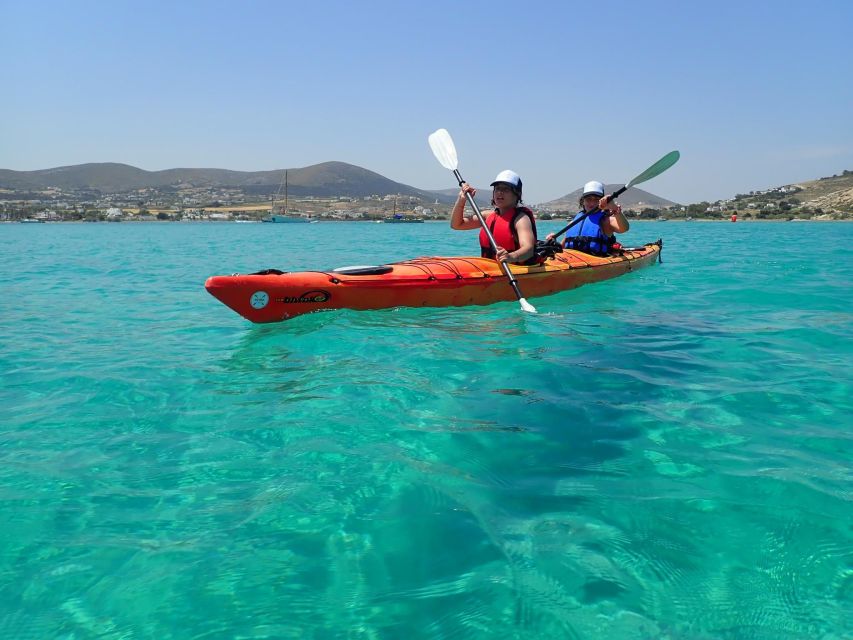
This isn’t a flimsy rental situation. You get tandem sit-inside kayaks with rudders, which is a big help when you’re learning. A rudder means steering is less frantic, and it lets your focus go toward paddle rhythm and keeping the kayak moving smoothly.
You’ll also have:
- Life vests and spray decks
- Paddles
- Dry bags to keep your personal items
- Masks and snorkels for the breaks
- Photos taken by your guide during the most interesting moments
That dry-bag detail sounds small until you’ve spent a day with salt spray and sandy hands. It’s one of those things you appreciate halfway through when you realize your phone is not currently swimming.
What’s not provided is water. You must bring it—more on that below.
The 3.5 to 6 hour day: how the pacing really works
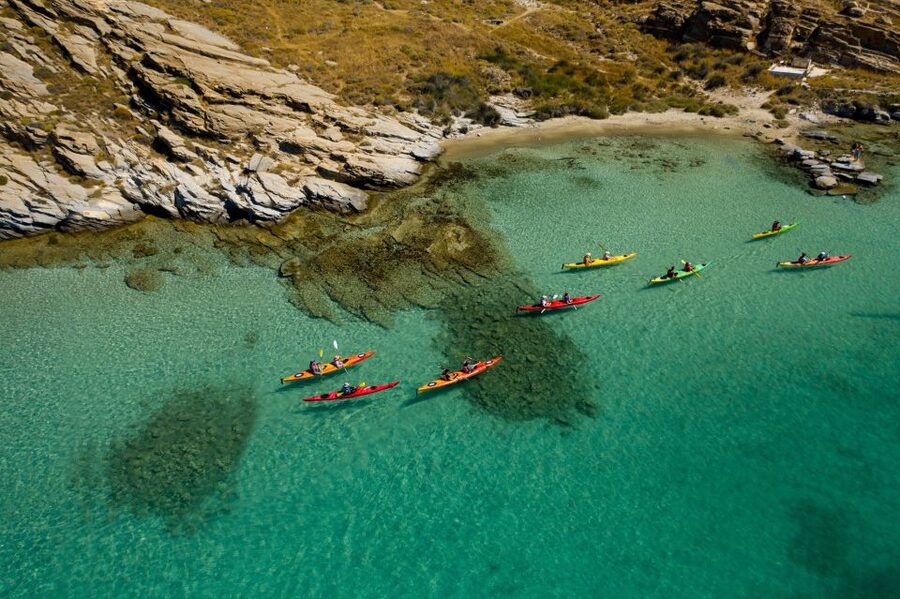
The day runs on a simple rhythm: paddle, stop, reset, paddle again, and finish back at the start feeling satisfied rather than wrecked.
You can choose between:
- A longer morning-style trip that includes a snack and a picnic, with more time on the water
- A shorter evening-style trip that includes a snack and the fading colors of the sky
Both versions include two breaks during the ride. Those breaks are where the trip becomes the snorkeling-and-swimming adventure you want, not just a scenic paddle.
Your timing can also shift based on wind conditions. If it gets breezy, the guides adapt the route. That’s why the full duration is listed as a range (3.5–6 hours). For planning, think of it as an active half-day that still feels like vacation, not a forced workout.
Launching from the beach: first paddling lessons and what to expect
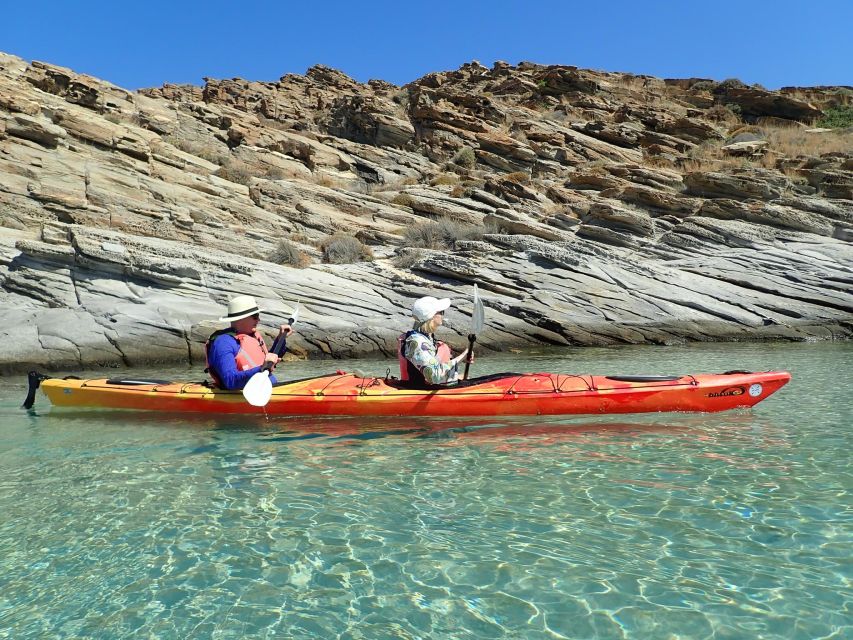
After you meet at the beach (the exact spot depends on the option booked), you’ll get briefed and fitted with your gear. Then you start paddling right away, and the learning sticks because you’re doing it in real water—not in a parking-lot demo.
Expect the guide to:
- Teach basic paddling techniques
- Set the trip plan and safety expectations
- Keep an eye on group spacing and balance
This is where first-timers often relax the most. The guides are described as patient, and the coaching is hands-on. If you can follow simple instructions and you’re not afraid of being in the ocean, the “beginner-friendly” feel is real.
Also, bring the right mindset. You’re not just touring. You’ll be using your arms and core. It’s not extreme, but it’s also not passive.
Stop one: rocky coast, remote beaches, and your first swim
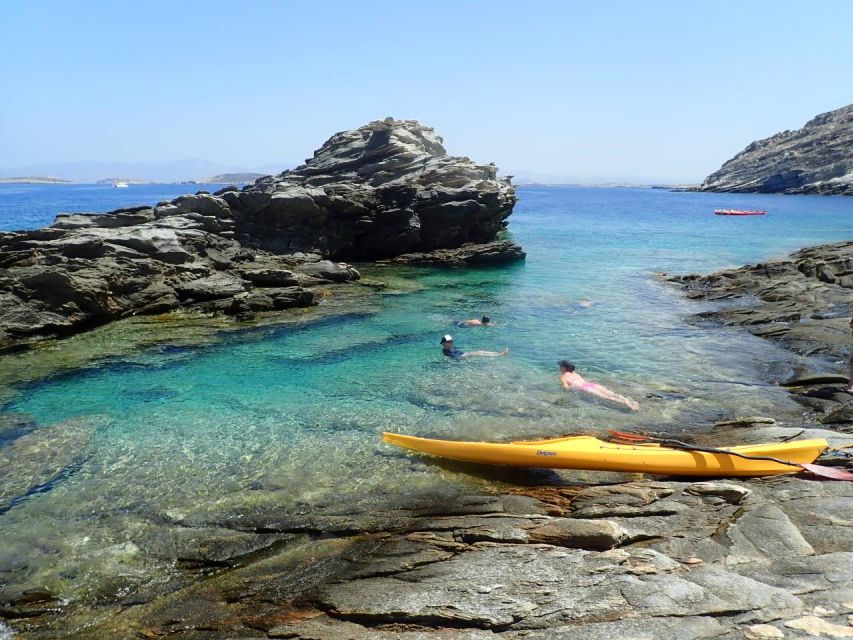
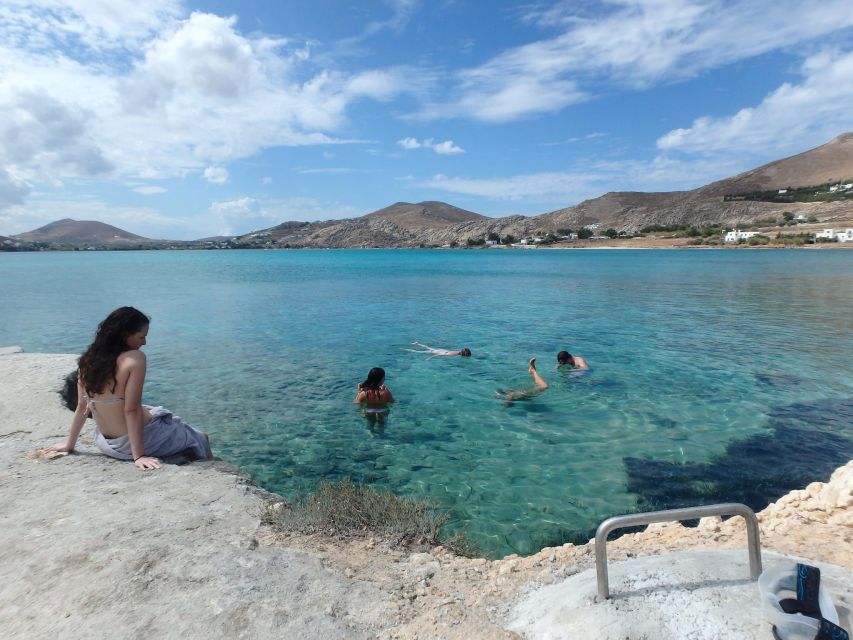
The first break is where the day becomes memorable fast. You’ll stop to rest and swim, and depending on conditions you may also snorkel. This is also when you might take a short walk to a view point.
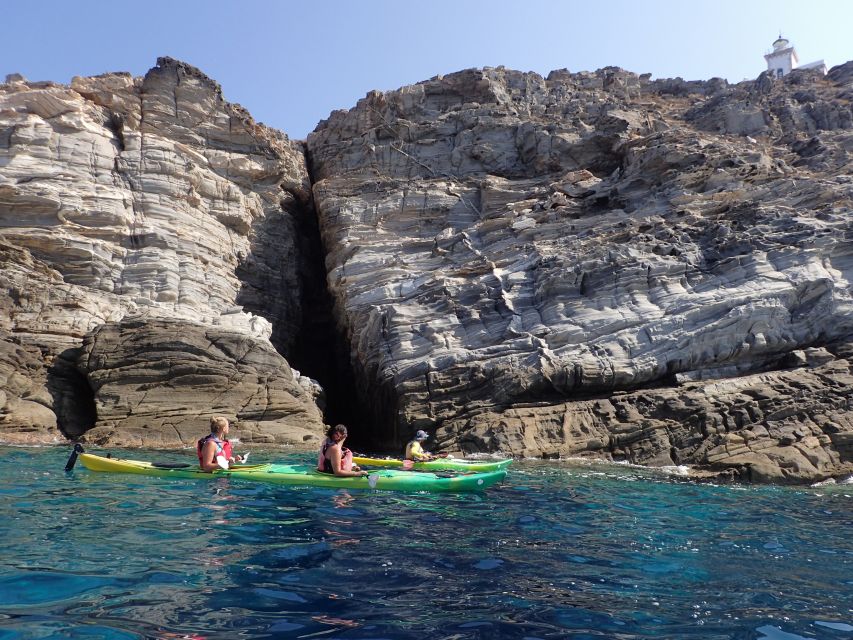
The coastline you paddle along is described as rocky, with granite and limestone formations. You’ll see small beaches that you can’t reach by road—only by hiking. From the kayak, you get a front-row view of why those beaches stay quiet.
Drawback to keep in mind: some walking at breaks involves rocky steps or uneven surfaces. People mention wishing they had water shoes rather than slick footwear. If you’re even slightly clumsy in the outdoors, plan for sturdy grip.
Snorkeling breaks: clear water, plus gear that actually helps
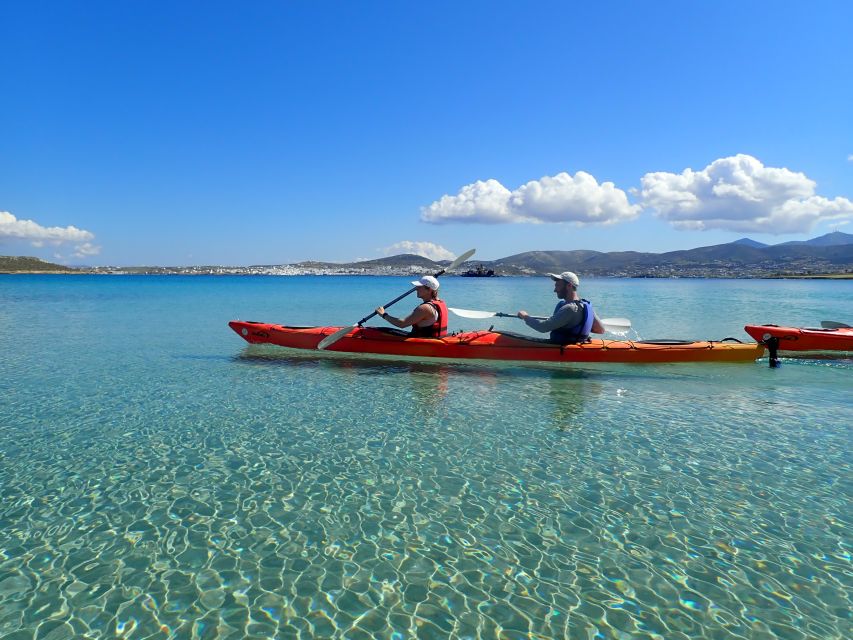
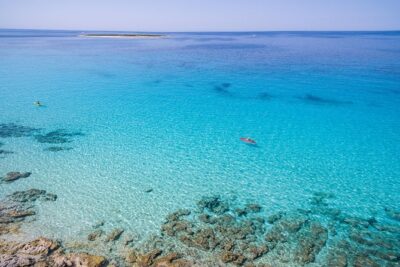
Snorkeling is built into the experience. Masks and snorkels are included, and you’ll have time to use them during breaks. The water gets described as incredibly clear, and the stops are chosen for the kind of underwater visibility that makes snorkeling worth it.
One small practical note: snorkeling works best when you’re comfortable floating and breathing steadily while wearing a mask. If you’ve never snorkeled before, it’s still a good chance to try, because the guide is right there and can help you set up and feel confident.
The local touches: history and Parian marine environment facts
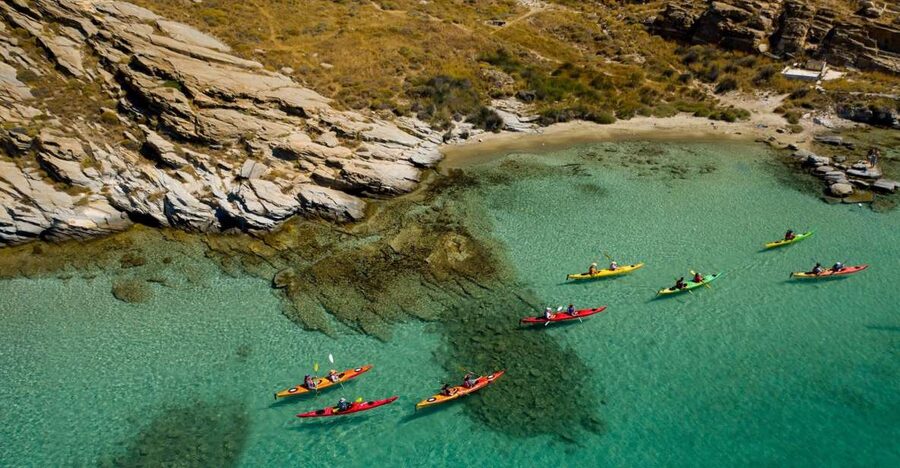
A big reason this trip feels more than just an activity is the way the guide connects what you see to the island around you. Along the route, you’ll get local cultural and historical information, plus facts about the Parian marine environment.
This matters because it gives context to the “why” behind the route. Instead of paddling past generic coastline, you learn what’s special about it—how the coastline is shaped, and how the area is managed as part of a locally managed environmental park.
It’s also a nice change of pace during the day. When you’re getting tired and sun-kissed, a short story about what you’re passing can reset your attention without slowing the day down too much.
Lighthouse, cliffs, and the optional adrenaline moment
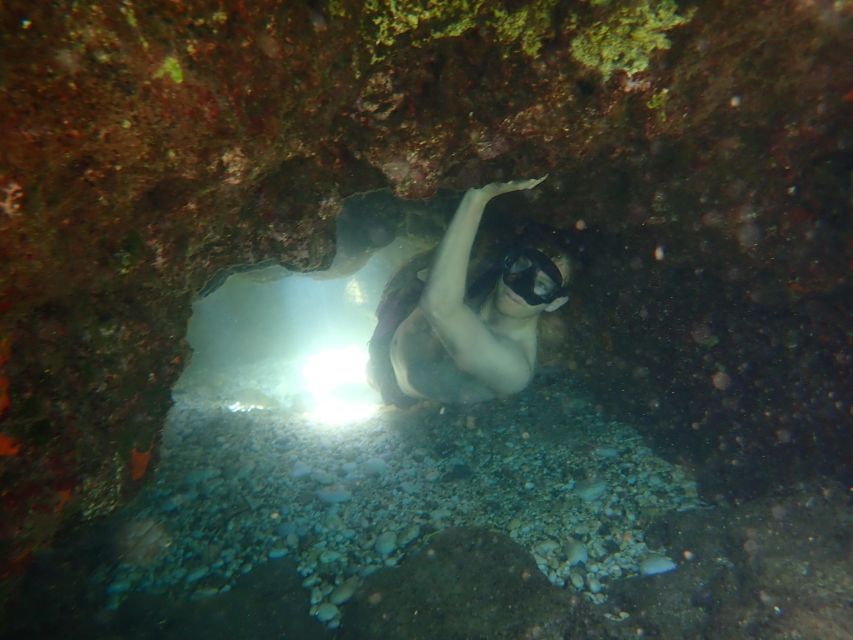
Depending on wind and the trip variation, you may continue along a more remote coastline with cliffs and dramatic rock formations. One described highlight is a lighthouse visit, with the possibility of cliff jumping for those who want it.
Even if you don’t jump, the setting is worth it. This is the part of the trip where the coastline looks the most sculpted, and your kayak feels like the only realistic way to reach those angles and viewpoints.
Keep your own limits in mind. The guides are there for safety, and you’ll never be pressured into anything. But if you’re the type who likes an option with a little thrill, this is where you might get it.
Kolimpithres and the Greek chapel island break
Another route option can take you downwind with wave help—surfing along to reach Kolimpithres beach, famous for its clarity and color in the water. The goal here is less about speed and more about making the journey efficient and fun when conditions allow.
Then you may end up on a small island with a Greek chapel for a break. You can take time to enjoy the sea view and catch your breath before the return paddle.
This is also where the “vacation feeling” peaks, because your break isn’t just a snack on a rock. It’s a mini intermission in a place that feels separate from the rest of the island.
Agia Kali stop: snorkeling plus the clay moment
One stop that pops up in experiences is Agia Kali. It’s described as a break where people snorkeled and also tried naturally occurring clay, rubbing it on their skin as a sort of exfoliating ritual.
Even if you skip the clay, the stop is remembered for combining water time with a relaxed meal atmosphere. It’s a good example of why this tour isn’t just about paddling—it’s about stopping in places that feel like a story, not a waypoint.
Snacks and picnic: what you get and why it works mid-trip
Food is included: either snack only or snack plus picnic, based on which trip version you select. The spread is repeatedly described as fresh, tasty, and filling. People mention healthy, local-style options and even specific favorites like cinnamon biscuits.
The picnic setup also matters. You don’t just eat standing up. Breaks are long enough for real al fresco time, including moments after swimming when you’re hungry in that good way.
Practical advice: after you snorkel, your face and neck get salty. Then you eat. Plan for it. A towel and a long-sleeved shirt help you feel more comfortable, especially in strong sun.
Price and value: is $112 per person fair?
At $112 per person, this isn’t the cheapest half-day activity in Paros. But it’s also not just “kayak rental + go.”
You’re paying for:
- Certified British Canoeing guides and safety coverage
- Proper sea kayaking gear (including rudders on tandem sit-inside kayaks)
- Masks and snorkels
- Dry bags and protective equipment
- Two scheduled breaks built around swimming and exploring
- Included snack or snack-and-picnic made with local products
- Guide-taken photos after the trip
That bundle is the value. A solo kayak rental would cost less on paper, but you’d still need to figure out route safety, weather decisions, and where to stop for snorkeling time. Here, the guides handle the decision-making and the pacing.
Also, consider how many “best beach moments” you get in one day. If you’ve spent your trip chasing viewpoints and then realizing swimming spots are farther than they look, this helps you stack those moments efficiently.
What to bring (and what to skip)
The trip is active, and the guidance is clear on sun protection and water. Bring:
- Sun hat
- Swimwear
- Towel
- Sunscreen
- Water (required: 1.5 liters per person)
- Long-sleeved shirt
I’d also strongly suggest water shoes. People specifically recommend them because there can be rocky walking at breaks, and slip-on choices can feel awkward.
What not to bring: alcoholic drinks in the vehicle. Keep it simple and follow the guide’s instructions.
Logistics: meeting the beach and getting there from Parikia or Naoussa
Your meeting point is on a beach, but it varies by the option booked. Transfer to and from the meeting point isn’t included, so you’ll want to plan your own ride—especially if you’re staying in Parikia or around Naoussa.
This is worth thinking about because it can affect how “easy” the day feels. If you’re staying somewhere with straightforward taxi pickup and short drive time, it’s smooth. If you’re farther out, build in extra buffer so you don’t start the kayak day stressed.
Who this sea kayak trip suits best
This experience is best for people who want an outdoors day without needing to be a pro paddler.
It’s suitable if:
- You’re comfortable in deep water and know how to swim
- You want a beginner-to-competent intro to sea kayaking
- You like short walks, snorkeling, and eating outdoors
It’s not suitable for:
- Children under 12
- People with mobility impairments
- Non-swimmers
- People over 243 lbs (110 kg)
If you’re nervous about ocean conditions, the winds and route changes might actually reassure you, because the guides adjust. Still, confidence in deep water is non-negotiable here.
Should you book Paros sea kayaking with snorkeling and picnic?
If you want a Paros day that feels both authentic and practical, I’d book this. The big reasons: the certified guidance, the beginner-friendly coaching, and the fact that the day includes real swim and snorkeling time plus a snack or full picnic rather than “light refreshments.”
I’d hesitate only if you’re not comfortable in deep water, or if you hate active days. Also, if you’re the type who wants zero walking on uneven rock, pack for it or rethink—some stops include short hikes.
If those boxes are good for you, this is one of the best ways to see Paros from the water and still have time to feel satisfied at the end, not just tired.
FAQ
How long is the sea kayak trip on Paros?
The duration is listed as 3.5 to 6 hours, depending on the option and conditions.
Is snorkeling included?
Yes. Masks and snorkels are included, and snorkeling time happens during the kayaking breaks.
What kind of kayaks do you use?
You use tandem sit-inside kayaks with rudders.
Do I need to know how to swim?
Yes. Knowing how to swim and being comfortable with deep water are essential.
Is the tour beginner-friendly?
Beginners are considered suitable, and you’ll get an equipment and paddling technique briefing at the start.
What food is provided?
Depending on your trip selection, you’ll get a snack or a snack plus a picnic made of local products.
Who leads the tour?
The tour is guided in English by certified sea kayak guides (British Canoeing).
Where do we meet?
The meeting point is on a beach and may vary depending on the option you book.
Do I need to bring water?
Yes. Sun protection and 1.5 liters of water per person are required.
Is transportation to and from the meeting point included?
No. Transfer to and from the meeting point is not included.