REVIEW · PICO ISLAND
Pico island: guided kayak and snorkel tour
Book on GetYourGuide →Operated by Hominis natura · Bookable on GetYourGuide
Pico looks different from a kayak. This 2.5-hour guided kayak and snorkel tour lets you see Lajes do Pico and Pico Mountain from the water, and I especially like how the route mixes scenery with local whaling stories as you paddle toward the old factory area. I also love the built-in break mid-tour, when you can wade or snorkel instead of spending the whole trip pushing your way through water.
The main thing to consider is that the snorkelling is in a sheltered lagoon/natural-pool style setting, so it’s not the kind of underwater experience built for huge sea-life surprises. Add in the fact that weather can change plans, and you’ll get the most from this tour by coming with flexibility (and solid water shoes).
In This Review
- Key points before you go
- Lajes do Pico start: where whaling history meets open water
- The kayak setup and safety rhythm (so you can actually enjoy it)
- Paddling past the coastline: Pico Mountain overhead, Lajes on your left
- Into the volcanic crater: rock formations you can actually reach
- Snorkel break in the lagoon: easy access, real chill time
- Price and value: what $70 buys you on Pico’s water
- What to pack (and what trips up most people)
- Who this tour suits best—and who should choose something else
- Should you book Pico’s guided kayak and snorkel?
- FAQ
- How long is the tour, and how much of it is paddling?
- What distance will we paddle?
- What’s included in the price?
- What languages are the guides available in?
- Where do I meet for the tour?
- What should I bring with me?
Key points before you go
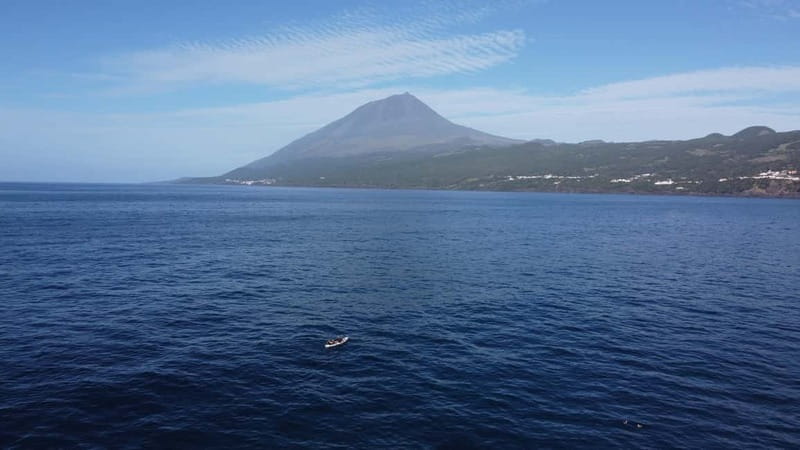
- Small group size (up to 6) keeps the pace relaxed and makes it easier to get help with paddling.
- Volcanic crater route means dramatic rock formations, not just a shoreline cruise.
- Two hours of paddling, not three gives you a real workout without turning the day into a grind.
- Snorkel gear plus a dry bag reduces what you need to carry and worry about.
- Guide-led history of whaling in Lajes do Pico gives the scenery context, especially near the old factory area.
- Weather-dependent operation can mean a different plan if conditions aren’t right.
Lajes do Pico start: where whaling history meets open water
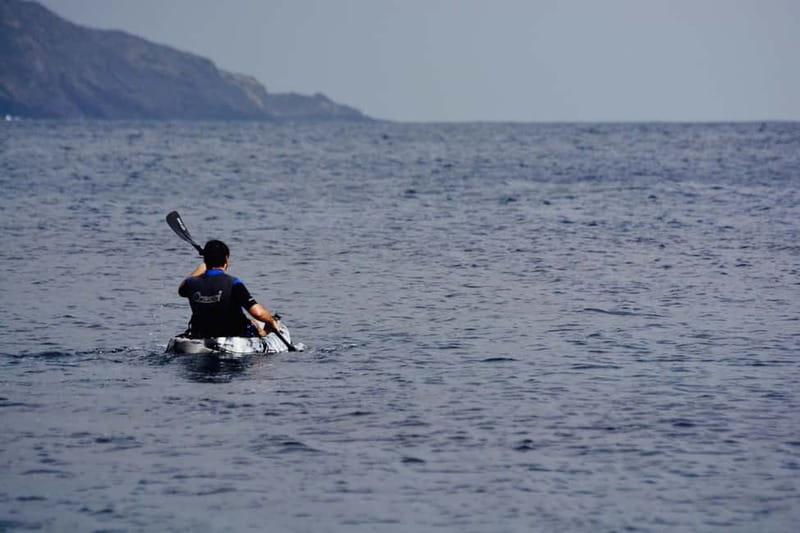
Your tour kicks off at the harbour in Lajes do Pico, where you meet the team at the Hominis natura office (at R. Manuel Vieira Soares 9930). You’ll get a short safety briefing first, then gear up and head straight into calm water with your guide close by. The practical value here is simple: you start confident instead of guessing, especially if you’ve never paddled a sea kayak before.
Lajes do Pico isn’t just a launch point. Pico’s whaling heritage is part of the story, and your guide (like João, from what I’ve heard firsthand) brings that history into the paddle so the coastline doesn’t feel like background. As you leave the harbour, you’ll get panoramic views with Pico Mountain dominating the scene, which is exactly why this works better than a drive-by viewpoint.
If you’re worried about being cold or uncomfortable early on, the tour timing and the short total duration help. You’re out long enough to feel you’ve gone somewhere, but not so long that you’re losing energy and focus before the best parts.
The kayak setup and safety rhythm (so you can actually enjoy it)
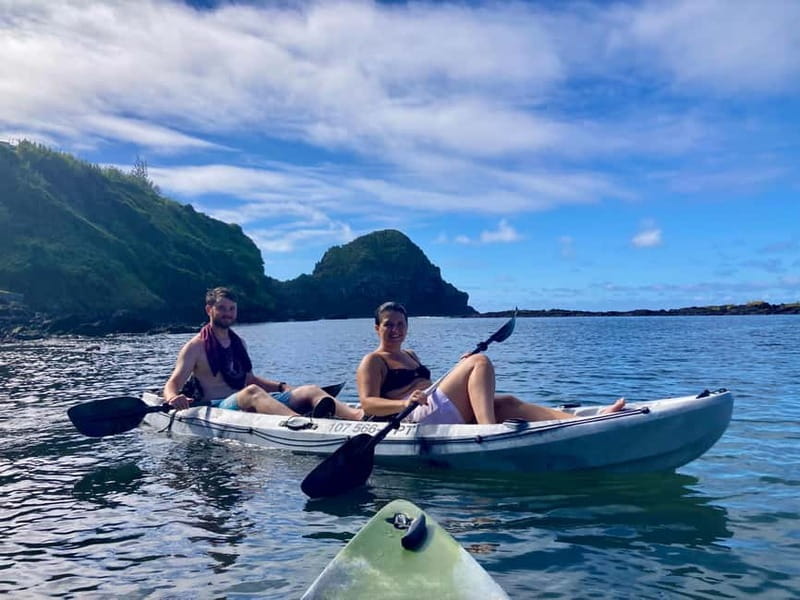
You’ll use a sea kayak with a seat, and you’ll be given the dry bag for your phone. That may sound like small stuff, but it matters. It lets you take a few photos without playing water-shy hero, and it keeps your essentials from turning into soggy souvenirs.
Difficulty is listed as medium overall, with physical effort level 2. You’ll paddle for about two hours, covering roughly 8 km. Translation: you need to be able to do a steady effort on water, but this is not built for elite athletes or hardcore sea conditions.
The small group size (maximum 6) also changes the experience. You’re not fighting for space, and your guide can adjust the pace so you’re not sprinting just to keep up. In the best moments, you feel like you’re gliding rather than working—until you hit a wind shift, and then your technique (and your guide’s tips) save you.
One more practical note: this is not suitable for non-swimmers, and it’s not for people prone to seasickness. If you’re even mildly unsure, take that seriously. “I’ll be fine” is how people end up miserable on the water.
Paddling past the coastline: Pico Mountain overhead, Lajes on your left
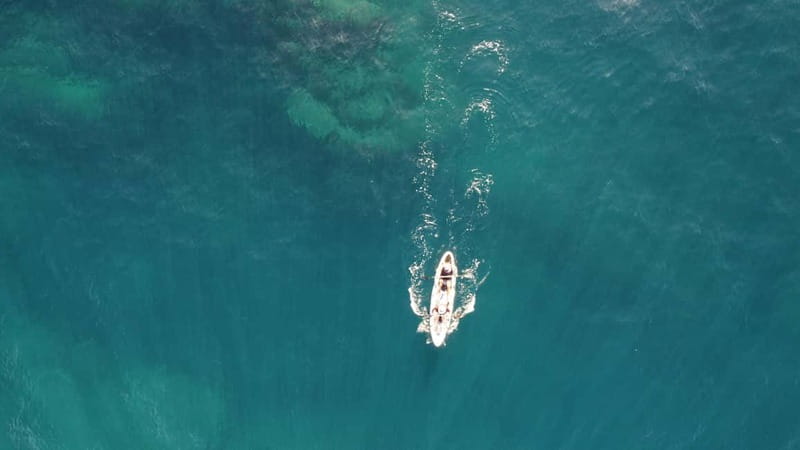
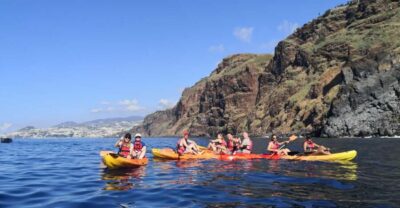
Once you’re moving, you’ll follow a route that keeps the coastline and Pico Mountain in view. That matters because the scenery isn’t random. You’re seeing Lajes do Pico from a working perspective, where the harbour shapes the bay and the island’s volcanic character shows up as dark rock and steep slopes.
The tour is designed with stops and a steady rhythm. Early on, you’re aiming toward the area connected to the old whaling factory. Even if you only catch parts of the history during the paddle, you’ll understand the logic: it’s about using the water the way the island did, for work, travel, and industry.
This section is also the easiest place to get your body into the right mode. If you over-paddle at the start, you’ll feel it later during the second hour. If you find a smooth cadence from the beginning, the halfway rest will feel like a reward instead of a rescue.
A quick tip if you’re planning this tour as part of a bigger Azores trip: keep the day flexible. A kayaking tour is weather-dependent, so having other plans that don’t rely on being exactly on schedule makes the whole itinerary less stressful.
Into the volcanic crater: rock formations you can actually reach
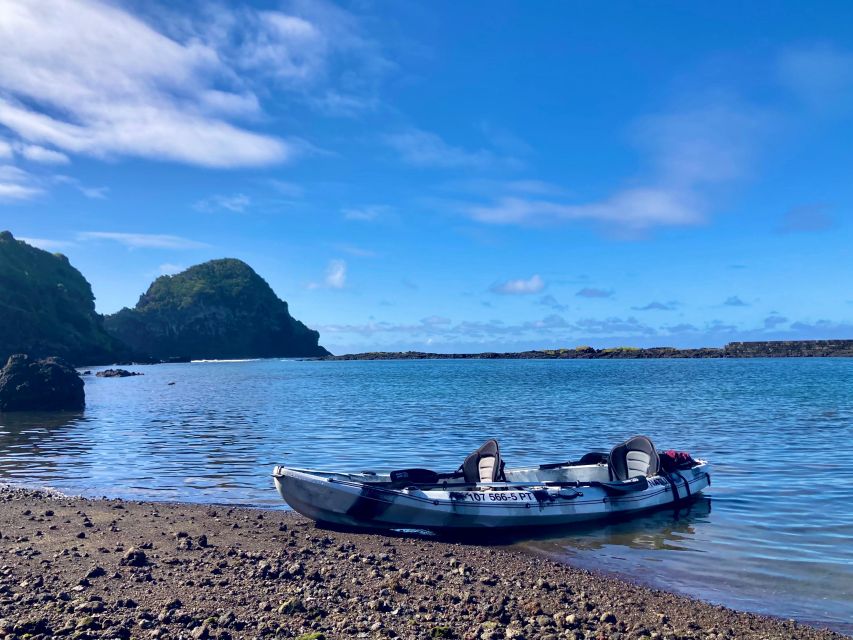
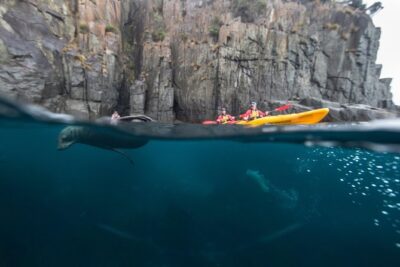
The most dramatic shift is when your guide leads you into a volcanic crater by kayak. This is where the water stops feeling like scenery and starts feeling like the route itself. You’ll notice striking rock formations, with the geology shaping how the kayak moves and where you can pause for a look.
Half the value here is visual, and the other half is how the tour physically gets you close. Standing on land can show you a crater outline. Kayaking shows you the texture—edges, shapes, and the way the rock meets the water. It’s one of those moments where you’ll stop talking for a second because your brain is catching up.
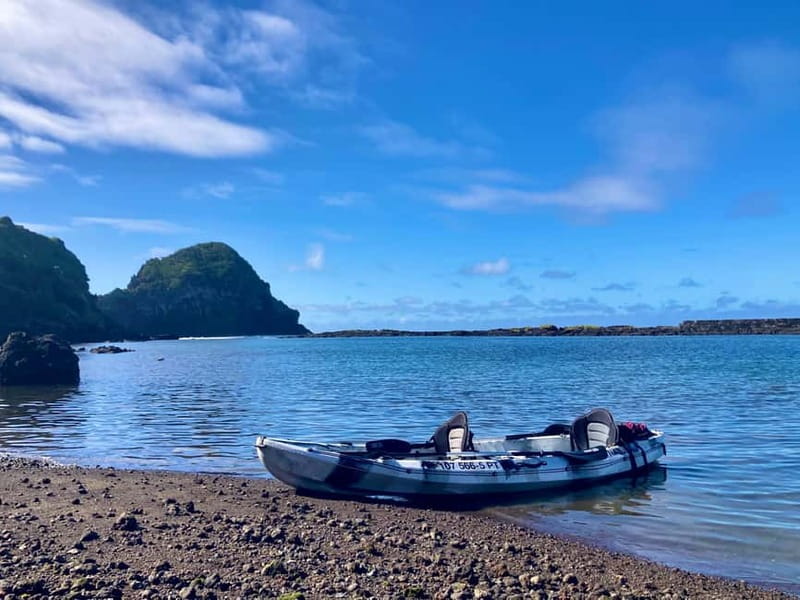
There’s also a rest built into the pacing. About halfway through your 2.5 hours, you’ll take a break on a sunny cobbled beach. That stop is not just comfort; it resets your energy so the second paddling hour feels manageable.
If you’re the type who wants constant action, the crater segment might feel like it has quiet stretches. But that’s also the point: you’re moving slowly enough to look, not racing through a checklist.
Snorkel break in the lagoon: easy access, real chill time
After the crater and beach break, the plan includes snorkelling in a lagoon with included gear (goggles and snorkel). The water is meant to be approachable, and the snorkel spot style tends to be accessible—think sheltered natural pools rather than open-ocean drama.
In plain terms, this is snorkelling that fits a range of comfort levels, as long as you can handle being in the water. You don’t need to be a hardcore snorkel athlete to enjoy it. You do need to respect comfort and currents, and you should wear water shoes for grip on rocky edges.
One practical consideration: since the snorkel area can be calmer and more public-pool like, some people may find it less “exciting” than they’d hoped. If your goal is maximum underwater intensity, consider this a bonus activity that upgrades the day, not the whole reason you should book.
Still, even with moderate conditions, snorkelling here is a smart way to break up the paddle. It turns “we went kayaking” into “we did kayaking plus a water-world moment,” which is a better use of your time on Pico.
Price and value: what $70 buys you on Pico’s water
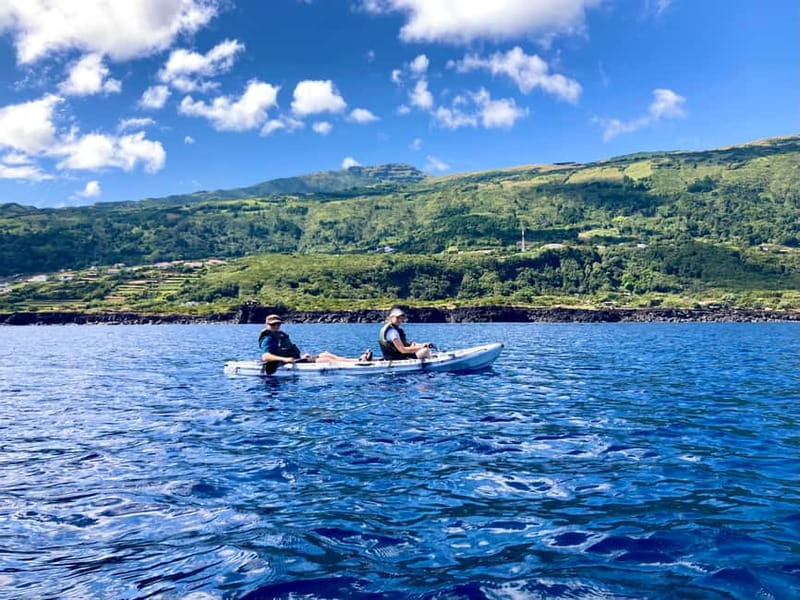
At about $70 per person for a 2.5-hour guided experience, the value mainly comes from what’s included. You get a sea kayak with a seat, snorkel equipment, a dry bag for your phone, and Allianz Personal Accident Insurance—plus the guide, who handles route decisions and safety.
The small group size (up to 6) is part of the pricing logic too. This isn’t mass tourism where you’re shuffled onto boats and sent away. It’s set up for a guided pace, with enough attention that paddling feels learnable instead of intimidating.
Also, you’re paying for the “someone else figured out the route” part. Pico’s volcanic coast isn’t something you should treat like a DIY paddle unless you really know what you’re doing. The guide makes the difference between exploring and just being out there.
If you’re deciding between multiple activities on Pico, this one often wins when you want variety: history + geology + water time in one package. It’s also a good fit if you want a workout level that’s serious enough to count, but not so hard that it ruins the rest of your day.
What to pack (and what trips up most people)
Bring swimwear, a towel, drinks, sunscreen, and water shoes. The water and cobbled beach setup make shoes with grip a smart call, especially when you’re stepping in and out.
If you’re tempted to bring a bulky bag, don’t. You’ll have a dry bag for your phone, so keep other items light and practical. It’s also worth planning for damp gear afterward. Even with a dry bag, you’ll end the day wet enough that a change of clothes feels like a gift.
Weather is key. Since the activity is weather-dependent, dress for quick changes. You don’t need to dress like you’re preparing for the North Atlantic, but you do want layers you can handle if the wind turns.
Not suitable for everyone: if you’re a non-swimmer, prone to seasickness, in low fitness, or using a wheelchair, this tour isn’t the right match.
Who this tour suits best—and who should choose something else
I’d recommend this kayak and snorkel tour if you want an active but not punishing outing, and you like learning while you move. The whaling heritage stories and crater geology make it feel more grounded than a generic coastal paddle.
It also suits you if you prefer smaller groups and direct guidance. With up to 6 participants and a live guide in Dutch, English, and Portuguese, you’re likely to understand what’s happening and why.
Choose another option if:
- you don’t swim comfortably or you’re worried about water confidence
- you get seasick easily
- you want snorkelling with guaranteed high drama and lots of marine action (this one is sheltered and approachable)
If weather threatens the original plan, there can be alternatives. I’ve seen examples of a switch to calmer options like mountain lakes and a grotto when conditions weren’t right. That’s a good sign you won’t be stuck twiddling your thumbs, but it’s also a reminder to keep your schedule loose.
Should you book Pico’s guided kayak and snorkel?
Book it if you want a high-value, guided water experience that mixes Pico Mountain views, volcanic geology, and a sensible snorkel stop—all in just 2.5 hours with a small group. The included gear and insurance help, but the real win is the guided route through a volcanic crater area, plus a history thread that gives the coastline meaning.
Skip it if snorkelling is your only priority and you’re expecting open-ocean spectacle. Also skip if you’re a non-swimmer or you know water conditions and motion make you feel sick.
If you’re deciding today, my advice is simple: if you can swim, can handle 2 hours of paddling, and you pack water shoes and sunscreen, this tour is a strong use of your time in Pico.
FAQ
How long is the tour, and how much of it is paddling?
The total duration is 2.5 hours, with about 2 hours of paddling.
What distance will we paddle?
The distance listed for the activity is 8 km.
What’s included in the price?
You get a sea kayak with a seat, snorkel equipment (goggles and snorkel), a dry bag for your mobile phone, and Allianz Personal Accident Insurance.
What languages are the guides available in?
The live tour guide operates in Dutch, English, and Portuguese.
Where do I meet for the tour?
Meet at the Hominis natura office. The starting address listed is R. Manuel Vieira Soares 9930, Lajes do Pico.
What should I bring with me?
Bring swimwear, a towel, drinks, sunscreen, and water shoes.