REVIEW · GRAN CANARIA
Puerto Mogán: Guided Adventure Kayak Tour in Caves & Snorkel
Book on GetYourGuide →Operated by RockNatour · Bookable on GetYourGuide
If you think kayaking in Gran Canaria is just scenery, think again. This trip turns the Mogán Caves coastline into an active route: two-seat kayaks, cave swimming when conditions cooperate, optional cliff jumps, and snorkeling over volcanic reefs.
What I like most is how hands-on the guidance feels. Guides like Pablo and Paul don’t just point; they coach your paddling, run safety for the ocean, and explain what you’re seeing in real time. The second big win: you get more than one highlight, not just one stop—caves, jumps, then a wild beach snorkeling session.
One drawback to factor in: this is not for hesitant swimmers or anyone who wants an easy cruise. You need confident swimming skills, a solid fitness level, and you should expect waves to change the difficulty.
In This Review
- Key points to know before you go
- Kayaking Mogán Caves: why it feels so different from the shore
- The RockNatour flow: gear, safety, and your kayak “starter pack”
- The 4 km paddle: caves, seabed watching, and optional cliff jumps
- Mogán Caves: when you can swim inside
- Cliff jumping: optional, but clearly part of the adrenaline
- A second learning phase on the way to the beach
- Wild beach snorkeling: reef time with a guide who explains what you see
- How hard is it really? Fitness, swimming, and seasickness reality
- You must be a confident swimmer
- Physical limits and age range
- Waves matter, and so does your stomach
- What to pack: the small stuff that changes your comfort
- Price and value: is $61 for 3–4 hours actually fair?
- Who this tour is best for (and who should skip it)
- Should you book RockNatour’s Puerto Mogán cave kayak and snorkeling tour?
- FAQ
- What’s the duration of the Puerto Mogán guided kayak and snorkeling tour?
- What does the tour price include?
- What languages are the guides available in?
- Do I need to know how to swim?
- Is cliff jumping mandatory?
- What should I bring with me?
- What age and body requirements apply?
- How do I know if I can handle the route?
Key points to know before you go
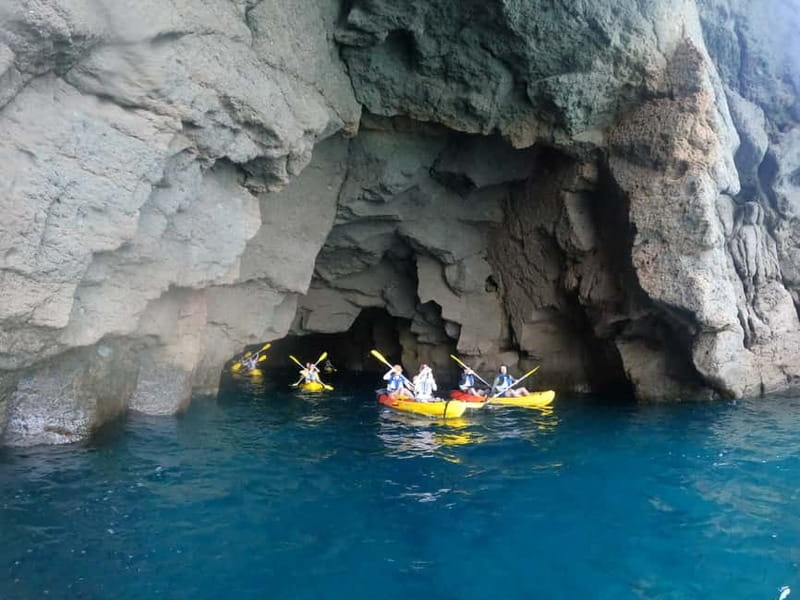
- Mogán Caves from the water: Kayaking lines up perfectly for cave openings and cliffside views.
- Coached kayaking for beginners: You get a real “master class” on technique and safety before launch.
- Optional cliff jumps: Epic if you want adrenaline; never framed as the whole point.
- Snorkeling with clear explanations: Your guide also teaches what species and reef features you’re seeing.
- GoPro photos and videos included: You don’t have to gamble with your phone in salt water.
- Small-group vibe: More attention, more chances to feel confident in the ocean.
Kayaking Mogán Caves: why it feels so different from the shore
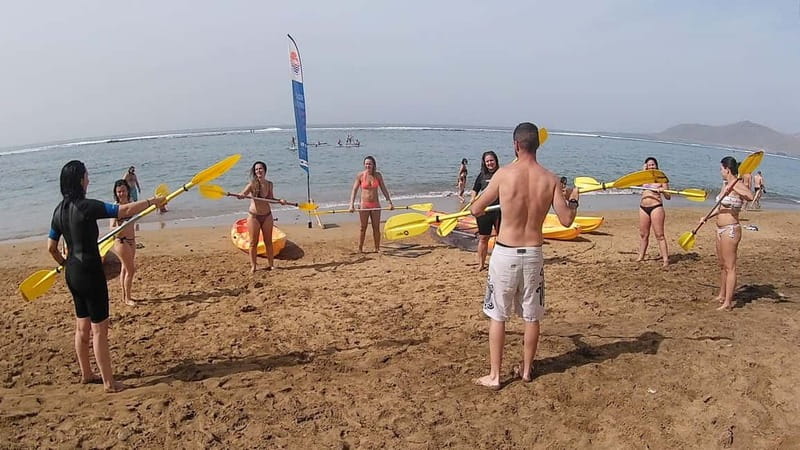
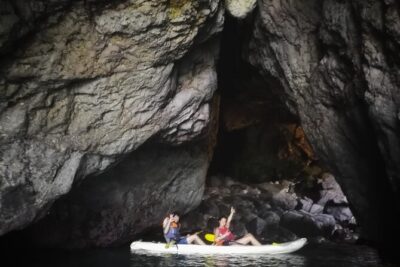
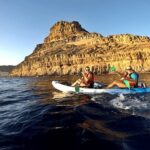
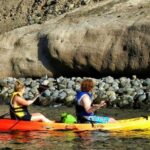
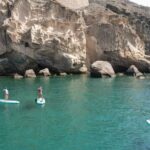
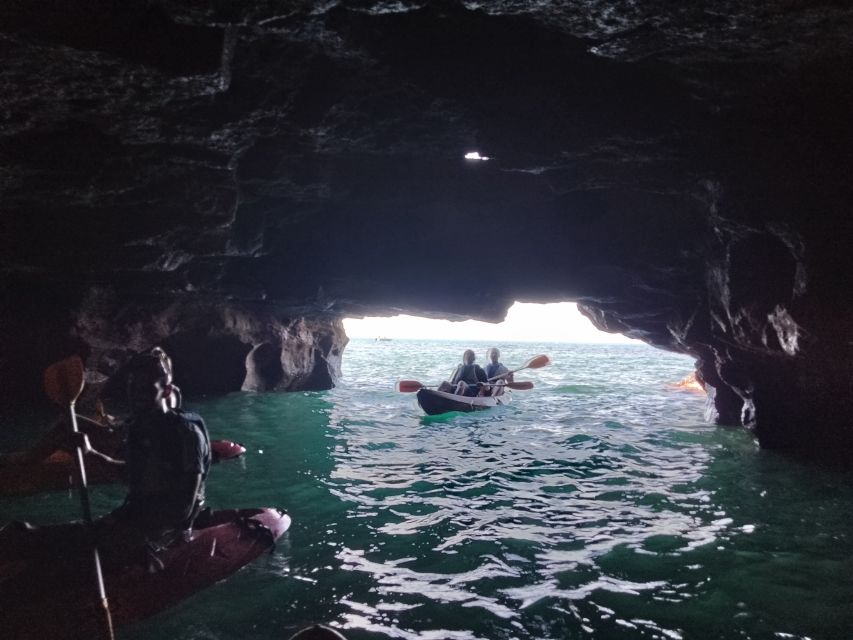
Mogán’s coastline is dramatic from land, but the magic kicks in when you’re low to the waterline. From your kayak you look up at volcanic rock walls, and caves stop being “formations” and start looking like doors you can actually reach. That shift matters.
The route focuses on the Mogán Caves System and the way ocean water has shaped the passageways over time. You’re not just gliding past the cliffs; you’re moving into the coastal rhythm—paddling, aligning your kayak, and making controlled choices as you approach openings.
And because the guides are local, the experience feels practical, not scripted. They’re constantly reading conditions and adjusting how close to go, whether cave swimming is possible, and where to position you for the best views and safest flow. In rougher weather, you’ll still get the adventure, but the ocean will set the pace.
You can also read our reviews of more tours and experiences in Gran Canaria.
The RockNatour flow: gear, safety, and your kayak “starter pack”
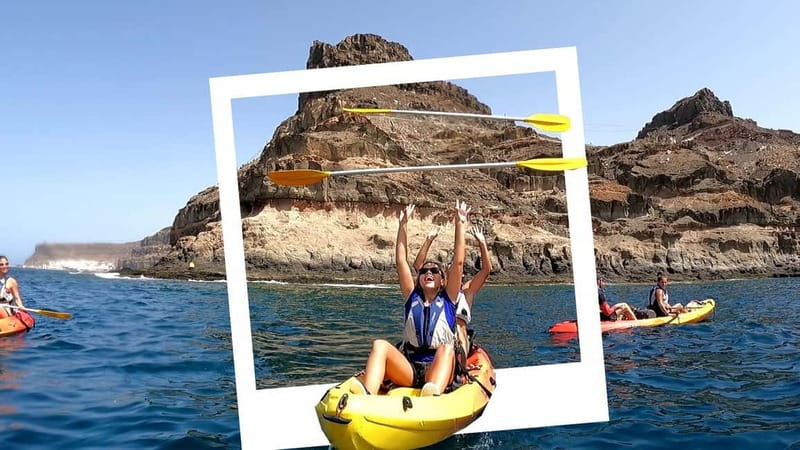
The tour starts with a straightforward setup, and it’s a big reason people rate this so highly. You meet, get the gear, and the staff prepares your kayak before you hit open water.
Here’s what you’ll count on before the action:
- Sit-on-top, 2-seat kayaks (more stable-feeling than you might expect)
- Life vest and waterproof jacket
- Snorkel kit (mask and tube)
- A quick snack during the route
Then comes the part that makes beginners feel less stressed: a guide-run instruction session that’s focused on how to handle the kayak and how to stay safe. Expect coaching on rowing techniques, what to do if something feels off, and the safety protocols that matter most in a cave-and-coast environment.
Guides like Pablo also bring a good mix of humor and confidence. Multiple people talk about feeling supported and never left alone, especially if they needed help adjusting to the ocean or technique. That kind of attention matters here because you’re not just “touring”—you’re active in real water conditions.
The 4 km paddle: caves, seabed watching, and optional cliff jumps
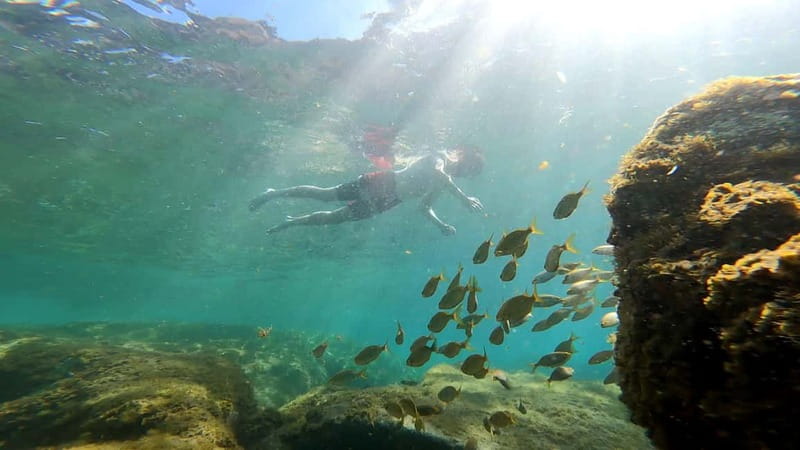
Once you launch, the tour becomes a progression: paddling skills first, then exploration, then the “wait, we’re doing this” moments.
You’ll follow a route along the cliffs and out into the coastal sections where the water looks clear enough to track what’s happening below. One of the most memorable pieces is learning to watch the seabed while you kayak. It changes how the whole coast feels. Instead of just seeing rock and water, you start noticing the marine world you’d miss from the beach.
Mogán Caves: when you can swim inside
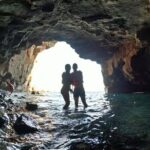
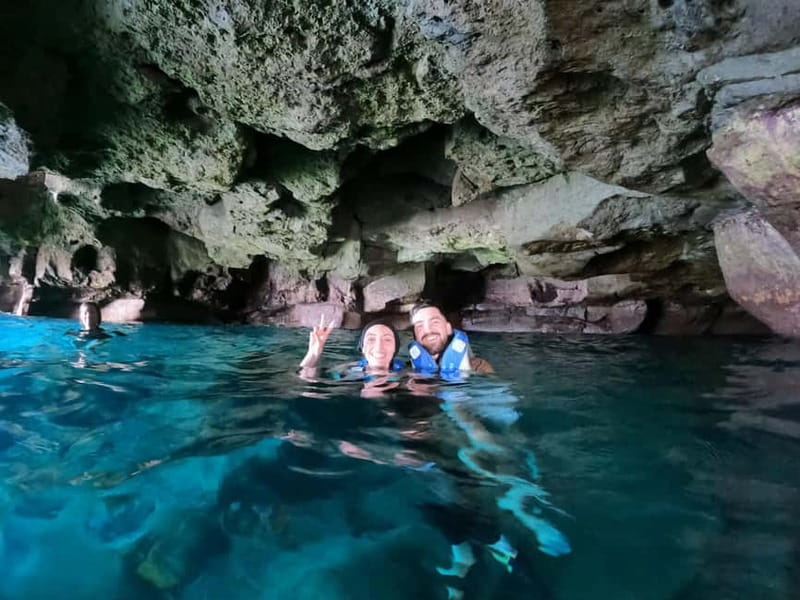
The centerpiece is the cave system. If conditions are good, the guides may allow you to swim inside the caves. This is the part that turns the scenery into something physical. The ocean gives you movement, but your guide controls safety and pacing—so you don’t feel rushed.
Cliff jumping: optional, but clearly part of the adrenaline
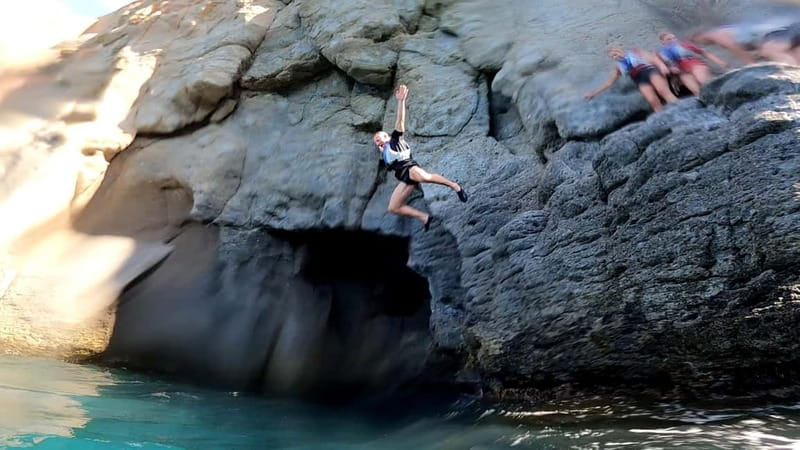
For thrill seekers, the tour includes cliff jumps. They’re not mandatory, but the guides set it up for people who want that moment. Reviews mention jumps up to 5 meters, so this is real, not a shallow toe-dip.
A good tip: don’t try to “muscle through” fear. Listen, watch the guide’s advice, and only jump if you feel ready. If you’re bringing the right shoes and staying calm, you’ll be better positioned to enjoy it instead of fighting it.
A second learning phase on the way to the beach
After the caves and adrenaline stops, the tour shifts back into skill-building. You improve your rowing while continuing along the cliffs, using the visibility to orient yourself and spot what’s under the surface.
Wild beach snorkeling: reef time with a guide who explains what you see
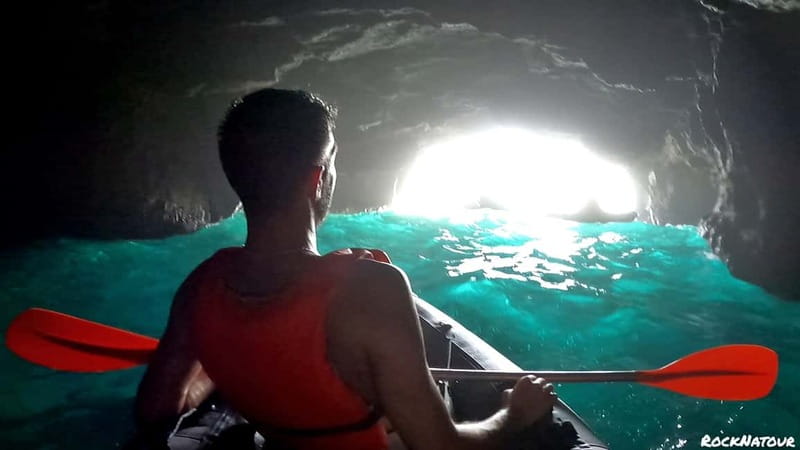
The tour includes a second stop at a wild beach. Before launching for this part, you’re told you’ll carry the kayaks about 80 meters to the snorkeling area. That sounds minor, but it also means the beach section feels more “reached,” less staged.
Then snorkeling takes over. You’ll go into the water with the snorkel kit provided, and your guide—who’s also described as a diving instructor—helps you understand what you’re seeing. This is one of the reasons the snorkeling here doesn’t feel generic.
From the reviews, snorkeling sessions often run around 30–40 minutes, and that timing makes sense for an active, ocean-based route. You get enough time to settle in, spot fish and reef features, and still come up before you’re cold, tired, or distracted.
Why this works so well: snorkeling is tied to the kayaking route. You’re not “dropping off” at random; you’re ending the day’s story with the underwater view that matches the volcanic cliffs you paddled past.
How hard is it really? Fitness, swimming, and seasickness reality
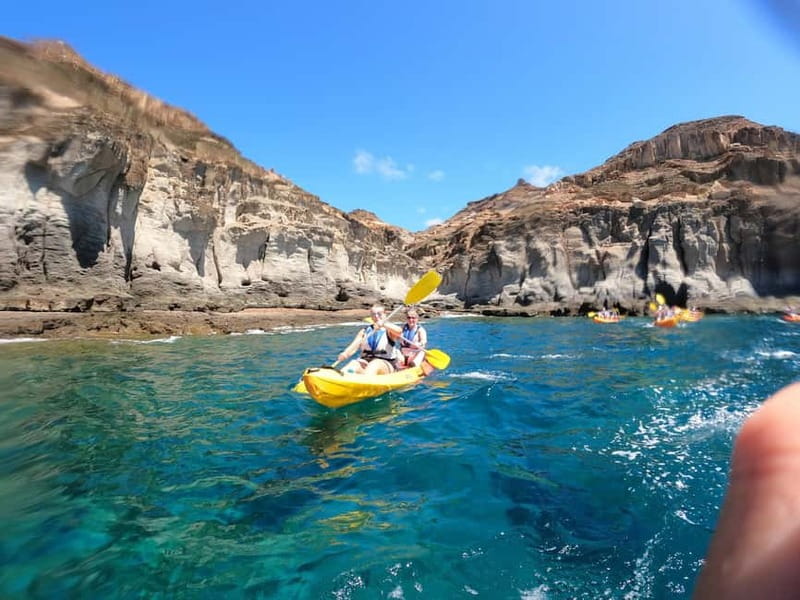
This is the section people should take seriously, because the tour is clear about it: this is a sportive, outdoor experience, not a calm tourist ride.
You must be a confident swimmer
Non-swimmers aren’t suitable, and you’ll be swimming in open water and possibly inside caves depending on conditions. The goal is for you to enjoy yourself, not panic.
If you’re nervous, the good news is that guides are attentive. People specifically mention support from Pablo when they were working through fear. Still, support can’t replace your ability to swim.
Physical limits and age range
The tour is listed for ages 16 to 55. It also includes requirements that help keep the kayak stable and the experience safe:
- BMI between 18 and 32
- Not suitable for people with back problems
- Up to 220 lbs (100 kg) max
Also, if you get tired quickly, take that seriously. One review notes that if you’re not used to gym-style activity or sports, it may feel challenging at first—but still worth it.
Waves matter, and so does your stomach
Kayaking in rougher weather can feel more challenging. A review mentions rough weather making kayaking harder but manageable. Another notes seasickness risk if you’re prone to it, and suggests taking medicine beforehand if you know you react.
My practical advice: if you’re sensitive to motion, plan for it. This is an ocean day, and you’ll be on moving water for hours.
What to pack: the small stuff that changes your comfort
You’ll be outside, in salt spray, and moving between water and land. Pack for that.
Bring:
- Swimwear
- Change of clothes
- Towel
- Sunscreen
- Water
- T-shirt
- Water shoes (important for slippery rocks)
Water shoes are repeatedly recommended. Some reviews also say you can ask about shoes if you don’t have them, but don’t assume that will solve it for you on the spot. Going prepared means you can focus on the fun parts.
Also, consider keeping your phone secured. The tour includes pictures and videos, so you don’t need to constantly handle your device in wet conditions.
Price and value: is $61 for 3–4 hours actually fair?
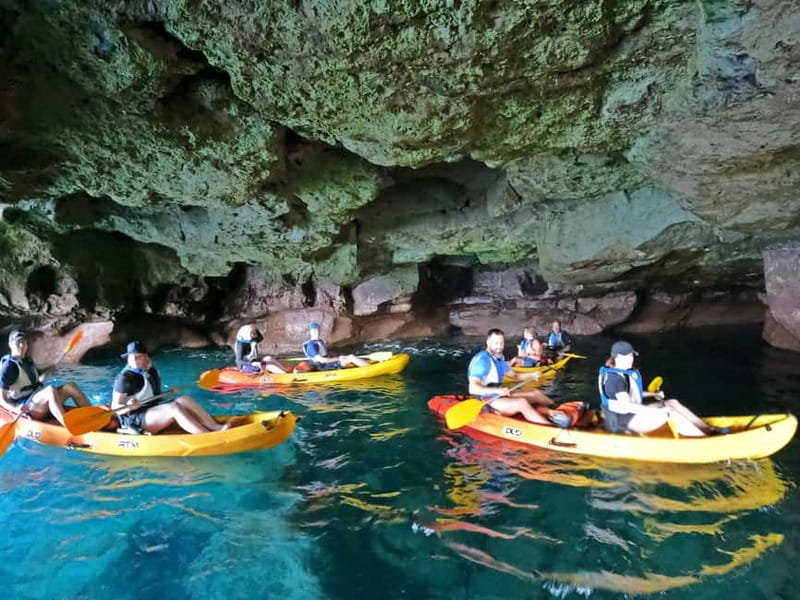
At $61 per person for 3 to 4 hours, this pricing makes sense if you look at what’s included.
You’re getting:
- Expert local guide(s) with safety protocols
- 2-seat sit-on-top kayaks
- Life vest and waterproof jacket
- Snorkel kit (mask and tube)
- Snack
- Pictures and videos taken for you
That combination is hard to replicate cheaply. If you tried to DIY it, you’d pay for kayak rental, safety gear, snorkeling equipment, and then you’d still need someone who knows the cave system and how to manage ocean conditions.
The other value angle is attention. The small-group format and the coaching at the start reduce the risk of you spending the whole trip struggling just to stay balanced. For an adventure-focused route like this, that coaching is part of the product.
Who this tour is best for (and who should skip it)
This is a great fit if you:
- Like active half-days and want something more than a photo stop
- Are comfortable in the ocean and can swim confidently
- Want caves + cliff jumping (optional) + snorkeling in one route
- Appreciate guides who teach and explain, not just lead
You should skip it if you:
- Don’t swim confidently
- Want a low-effort outing
- Have back problems
- Need kid-friendly options (minimum age is 16)
- Fall outside the listed weight/BMI limits
Should you book RockNatour’s Puerto Mogán cave kayak and snorkeling tour?
I’d book it if you want a Gran Canaria activity that feels physical and memorable, not just scenic. The strongest reasons to choose this one are the combination of coached kayaking, the cave-focused route, and the snorkeling stop with explanations from a guide who knows the underwater side. On top of that, the included photos/videos take away a lot of stress about gear and timing.
Don’t book it on a “maybe” if you’re unsure about swimming or you’re hoping for an easy day. This is the kind of tour where the ocean will test you. If you meet the requirements, you’ll likely come away with that rare mix of adrenaline and real connection to the coast.
FAQ
What’s the duration of the Puerto Mogán guided kayak and snorkeling tour?
The tour runs about 3 to 4 hours, depending on starting times and conditions.
What does the tour price include?
It includes a local guide, a sit-on-top 2-seat kayak, waterproof jackets, a life vest, a snorkel kit (mask and tube), a snack, and pictures/videos.
What languages are the guides available in?
Instruction is available in English and Spanish.
Do I need to know how to swim?
Yes. This experience requires you to swim confidently in the sea, and it is not suitable for non-swimmers.
Is cliff jumping mandatory?
No. Cliff jumping is described as optional, though it’s included for people who want the adrenaline moment.
What should I bring with me?
Bring swimwear, a change of clothes, a towel, sunscreen, water, a t-shirt, and water shoes.
What age and body requirements apply?
The tour is for ages 16 to 55 and lists a BMI range of 18 to 32. It also isn’t suitable for people over 220 lbs (100 kg) and people with back problems.
How do I know if I can handle the route?
You should have a solid fitness level and be ready for an active, outdoor day on the ocean. If waves are rough, kayaking can feel more challenging.