REVIEW · SAINT JOHN
River Relics Kayaking Adventure
Book on Viator →Operated by Go Fundy Events · Bookable on Viator
Fossils and eagles, from a kayak.
This River Relics outing on the Saint John River mixes wildlife spotting with quick stops at geology and coastal history sites, all wrapped into about two hours on the water. You’ll start on calm beach access at Dominion Park, then paddle through South Bay where salt water and fresh water meet near reversing rapids.
I also like that the trip is built for real people, not just hardcore paddlers: you get tandem sea kayak setup, flotation, and a professional guide keeping the pace steady for mixed abilities. The one catch is the weather: the tour runs only in good conditions, and if it is chilly or windy, you’ll feel it—so dress for spray and cold hands.
In This Review
- Key highlights worth planning around
- Dominion Park launch: safety, gear, and an easy start
- Paddling South Bay on the Saint John River: salt meets fresh
- Stonehammer Geopark stop: Precambrian fossils and glacier evidence
- Green Head Cove: quarry ruins, kiln foundations, and the best photos
- Swift Point Lighthouse: quick look, conditions permitting
- Wildlife spotting that actually works (and how not to miss it)
- What’s included on the water (and what that means for you)
- Duration, pacing, and group size: will you feel rushed?
- Price and site admission: a rare easy win
- Who this kayaking adventure suits best
- Should you book River Relics Kayaking Adventure?
- FAQ
- How long is the River Relics Kayaking Adventure?
- Where does the tour start?
- Do I need kayaking experience?
- What wildlife might I see on the water?
- What stops are included during the paddle?
- What’s included in the price?
- What language is the tour offered in?
- What if the weather is bad?
Key highlights worth planning around
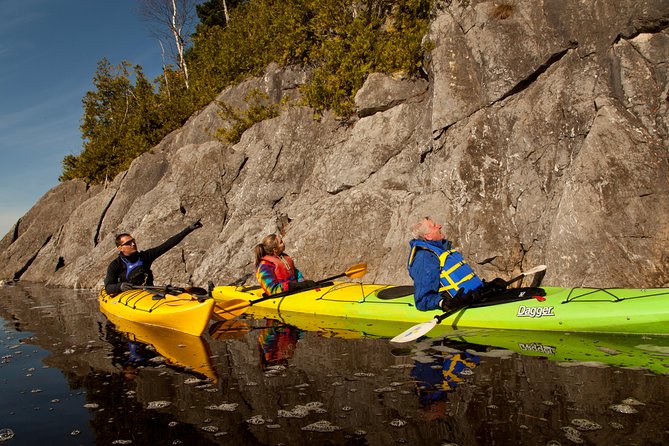
- Small group feel (max 12) with professional guidance and easier teamwork in a tandem kayak
- Wildlife chances near an active bald eagle nest, plus sturgeon and occasional seals
- Stonehammer UNESCO Global Geopark stop to connect the river to Precambrian fossils and glacier retreat
- Green Head Cove photo stop with visible quarry, kiln foundations, and wharf timbers from the water
- Swift Point Lighthouse view is quick and dependent on conditions
Dominion Park launch: safety, gear, and an easy start
The tour meets at 730 Dominion Park Rd, on Saint John’s west side, and this is more than just a parking lot. Dominion Park is a working year-round recreation area, so the launch makes sense: you meet, get briefed, and then you head out from the beach. It’s also a nice way to orient yourself—before you’re out on moving water, you know what the shoreline looks like and where you’ll return.
This is where the operator sets the tone. You’ll get geared up with a PFD and a spray skirt, plus the paddle and a tandem sea kayak (built for two people). You also get a professional guide, which matters more than people think. Even if you’ve kayaked before, safety habits and local water-reading can make the difference between a relaxing paddle and a tense one.
One practical tip: since the total time is about 1 hour 30 minutes to 2 hours, you do not want to arrive unprepared. If you’re wearing the wrong layers, you feel it fast once you’re out on the water.
Paddling South Bay on the Saint John River: salt meets fresh
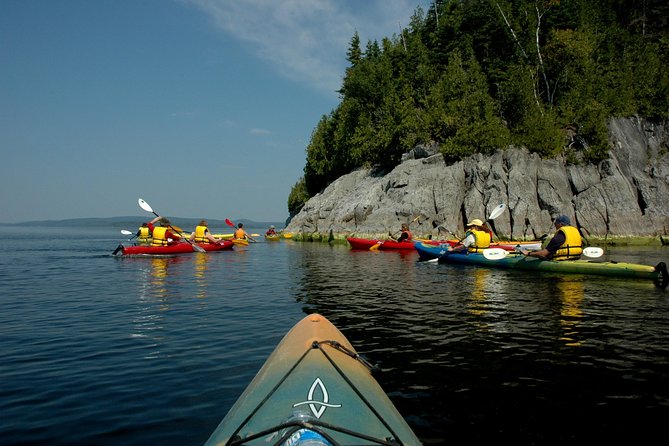
Once you’re on the water, the vibe shifts from shoreline calm to river spectacle. Your main paddle happens in South Bay, exploring natural and historic sites near the terminus of the Saint John River—often described as part of the Rhine of North America idea, and it’s easy to see why. This stretch is where salt water and fresh water meet, just upstream from reversing rapids. That mix helps create a vibrant ecosystem, and it also changes what you might notice along the banks.
What I’d focus on during the paddle is not just views—it’s pattern spotting. Look for where the water changes speed and where birds use perches. The guides help you read the river, but you can do your part by slowing your movement for a moment and letting your eyes catch up.
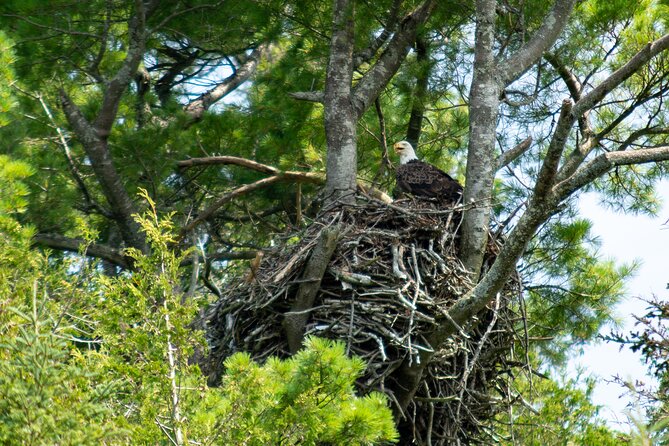
This stretch also gives you strong wildlife odds. You’re in the zone for an active bald eagle nest, and you may spot jumping sturgeon and a great blue heron. On some trips, you might even get lucky with a harbour seal. The wildlife watching is best when you are patient and not constantly repositioning. A few small pauses often beat big frantic paddling.
And yes, industrial history shows up too. One of the draws here is seeing industrial ruins and lighthouses from the water, which gives you a different sense of scale than photos from shore. From a kayak, you’re closer to the textures—rust, stone, and shoreline edges—that make the whole river feel lived-in.
Stonehammer Geopark stop: Precambrian fossils and glacier evidence
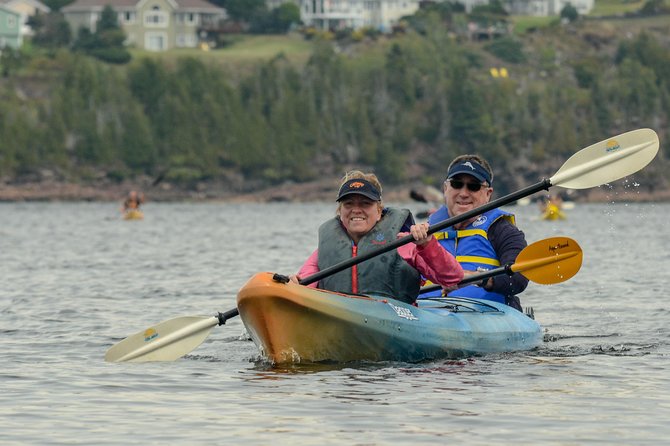
About ten minutes at Stonehammer UNESCO Global Geopark adds real depth without eating your day. This stop is tied to the first Precambrian fossils recorded in scientific literature, which is a wild thing to think about while you’re standing on a riverbank. The guide connects what you’re seeing to the long timeline behind the rocks—and the Saint John River valley becomes more than a scenic route.
You’ll also learn how glacier retreat shaped the Saint John River valley. That matters because it explains why the river looks the way it does now: the river’s channels, the exposed rock features, and the way the coastline and surrounding landforms evolved.
The best part of a geology stop like this is that it turns a boat trip into a story you can remember. You’re not just floating past pretty sights. You’re seeing how the water and the land got their act together over time. If you like learning that stays practical—what changed, what it caused, what you can still see today—this is a good match.
A small consideration: ten minutes is short. If you want to linger and read every sign, it might feel fast. Treat it like a highlight tour, then use the rest of your trip to look more closely from the water.
Green Head Cove: quarry ruins, kiln foundations, and the best photos
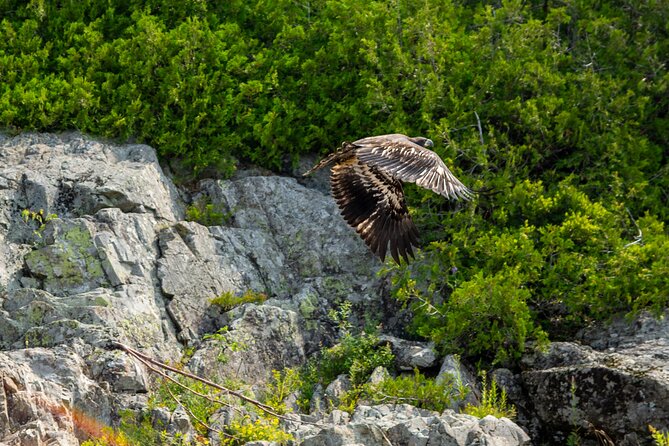
If there’s one stop built for camera time, it’s Green Head Cove. You get about fifteen minutes here, and that’s enough time to get the shots you want without turning it into a hike.
The site centers on a lime quarry likely dating back to the 17th century. From water level, you can see the remains of the quarry, kiln foundations, and wharf timbers. Seeing those structures from your kayak matters. From shore, you might miss the shape and purpose of the features. From the water, the scale clicks—these are not just ruins, they’re the working infrastructure that powered the local industry.
Green Head Cove is also often protected, which helps your experience. That means more stable views and easier photo angles, especially if conditions are a little choppy elsewhere. You can frame your photos with limestone cliffs, forested hills, and a small beach, or aim your camera toward Grand Bay—the roughly 16 square mile (20 sq km) confluence area where the Saint John and Kennebecasis Rivers meet.
Practical note: when you’re taking photos, do it during the stop, not during active paddling. In a tandem kayak, you want one person focused on steering and the other on photos to keep the boat balanced and safe.
Swift Point Lighthouse: quick look, conditions permitting
At Swift Point Lighthouse, you get a brief chance to view a lighthouse location that has been active since the mid 1800s. The key words here are quick and conditions permitting. So I treat this stop like a bonus rather than a guarantee.
When the water and weather cooperate, it’s a satisfying way to close the loop. Earlier you get those industrial ruins and lighthouse views from the water. Here you add one more historical marker—something anchored in time—before returning to where you launched.
Since the stop is only about five minutes, the guide focus stays on “see it, appreciate it, then move on.” It’s not a long photo safari, so if you care about getting a clean shot, position yourself for your best angle when the guide slows down.
Wildlife spotting that actually works (and how not to miss it)
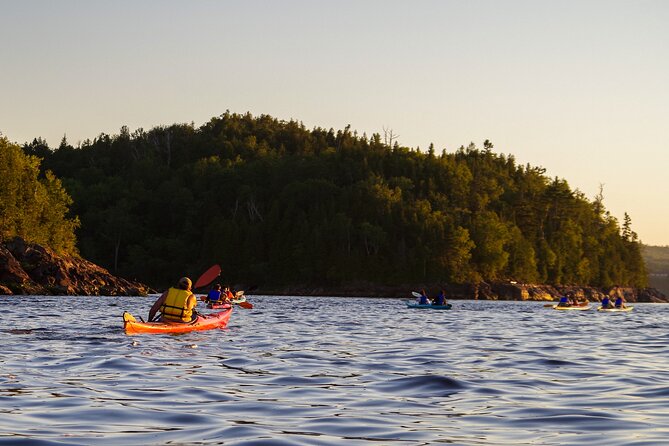
Wildlife is a big selling point here, and it’s not just generic bird talk. Your paddle is set up for specific species: the bald eagle nest you may see, jumping sturgeon, the great blue heron, and occasional harbour seals.
Here’s how I’d maximize your odds without making the trip stressful:
- Keep your strokes steady and avoid sudden spirals just to look.
- When you see one bird, watch what it’s doing—birds often reveal what’s nearby.
- If the guide points something out, pause and lock onto it visually before you start searching again.
Also, if you’re visiting in cooler months, wildlife spotting can get harder because you’ll be focused on staying warm. That’s where gear and preparation matter. The operator provides spray gear and a spray skirt, which helps with getting wet. A few groups also get extra help like waterproof phone cases and jackets when needed, based on past experiences with this operator.
One more thing: wildlife moments often come when you slow down. In a kayak, you are already close to the action; you just have to be willing to spend a few minutes being quiet.
What’s included on the water (and what that means for you)
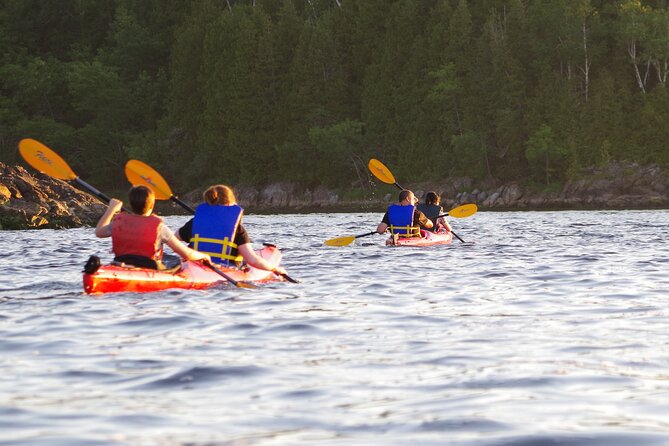
This tour keeps the focus on kayaking and learning, so the included items are practical: tandem sea kayak for two people, PFD, spray skirt, kayak paddle, bottled water, and a nutritional snack, plus a professional guide.
That list matters for value because it removes guesswork. You don’t need to rent gear or scramble for basics. You also get something simple but helpful—water and a snack—so you’re not done by the time the history stops roll around.
The guides are also a standout part of the experience. Past groups have praised guides such as Drew and Cal, as well as Dennis, Kevin, Darren, and Wanda for being patient and upbeat. More important than the personality is the way they handle mixed experience levels. If you have a first-time paddler in your group, this setup tends to help because tandem kayaks encourage teamwork and steady pacing.
Duration, pacing, and group size: will you feel rushed?
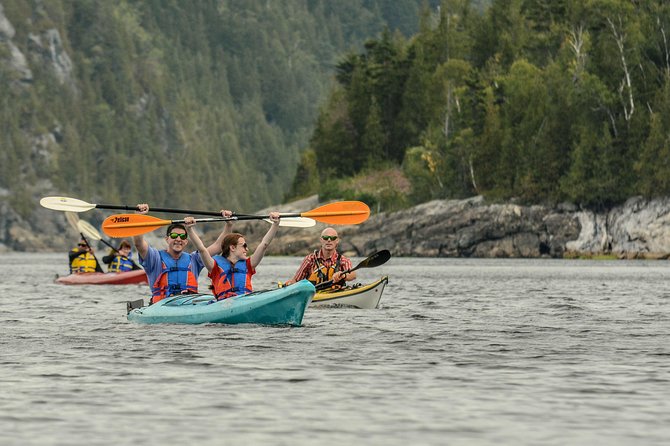
The entire adventure runs about 1 hour 30 minutes to 2 hours. That’s a sweet spot. It’s long enough for a meaningful paddle and multiple stops, but short enough that you’re not stuck for half a day if the weather turns.
The group limit is 12 travelers, which keeps things from turning into a chaotic conveyor belt. With a smaller group, a guide can correct your stroke, slow down when someone needs a hand, and still keep everyone moving. It also means more attention if you’re nervous at the start getting comfortable in the kayak.
Your first segment at Dominion Park is about twenty minutes, mostly gearing up and instruction. The middle paddle is the bulk of the time at about one hour 30 minutes. Then the stops—Stonehammer (ten minutes), Green Head Cove (fifteen minutes), and Swift Point Lighthouse (about five minutes)—stack as short, digestible chunks.
If you’re traveling with people across ages and abilities, this pacing helps. It’s not a long workout, but it’s also not a float in a fantasy world. You’ll paddle, and you should have a moderate physical fitness level.
Price and site admission: a rare easy win
The good news is that admission tickets for the listed stops are marked as free. That means you aren’t paying extra at each point for entry fees you didn’t plan for. You still pay for the guided kayaking experience itself, but the activities you stop for won’t quietly add another set of charges on the water.
So the value question becomes simple: does the experience fit your interests? If you want a two-hour Saint John River paddle with wildlife and geology, this is a strong match.
Who this kayaking adventure suits best
This is ideal if you want a guided Saint John River kayaking trip that blends nature and learning without requiring advanced paddling skills. Tandem kayaks are a smart choice for couples and friends because you’re paired up, and the guide’s job is easier when the group is small and organized.
You’ll also like it if you enjoy:
- wildlife watching with a realistic chance of eagles and other species
- geology themes like Precambrian fossils and glacier retreat
- industrial and coastal history viewed from water level
- short stops for photos rather than long hikes
If you’re the type who hates any wet gear, you need to know upfront: you’ll be on a river, and weather can make that feel colder. Wear layers you can manage when wet, and use the spray skirt correctly.
Should you book River Relics Kayaking Adventure?
Book it if you want a short, well-guided Saint John River kayaking experience with built-in stops that turn scenery into stories. The combination of wildlife chances, Stonehammer Geopark geology, and the Green Head Cove quarry ruins from the water is exactly the kind of itinerary that feels like more than just transportation.
Skip it only if you’re very weather-averse or you need a completely dry outing. The trip depends on good conditions, and your comfort will hinge on dressing for spray and cool air.
If that sounds like you can handle it, you’ll likely come away with photos you’ll actually remember—and a better sense of why this river is such a big deal in New Brunswick.
FAQ
How long is the River Relics Kayaking Adventure?
It runs about 1 hour 30 minutes to 2 hours total, including time for gearing up, paddling, and the scheduled stops.
Where does the tour start?
The meeting point is 730 Dominion Park Rd, Saint John, NB E2M 4Y8, Canada, and the tour ends back at the same location.
Do I need kayaking experience?
The tour requires a moderate physical fitness level, and the setup uses tandem sea kayaks with a professional guide. If you’re new, you should be able to manage with the instruction you receive at the start.
What wildlife might I see on the water?
The tour highlights possible sightings of bald eagles (including an active nest), jumping sturgeon, great blue herons, and occasionally a harbour seal.
What stops are included during the paddle?
You’ll make stops at Dominion Park (gear and safety), the Saint John River paddle area (South Bay), Stonehammer UNESCO Global Geopark, Green Head Cove, and (conditions permitting) Swift Point Lighthouse.
What’s included in the price?
Included items are a tandem sea kayak for two, a PFD, spray skirt, kayak paddle, a professional guide, bottled water, and a nutritional snack.
What language is the tour offered in?
The tour is offered in English.
What if the weather is bad?
The experience requires good weather. If it’s canceled due to poor weather, you’ll be offered a different date or a full refund.