REVIEW · BERGERAC
Sarlat la Canéda: The Dordogne valley by canoe
Book on Viator →Operated by CANOES LOISIRS · Bookable on Viator
Rowing past castles beats driving there. This Dordogne canoe descent from Vitrac lets you move slowly through cliffs, caves, villages, and châteaux, with time for swimming and picnics. If you want the valley’s views without traffic or tour-bus angles, this is a standout way to spend a few hours on the river.
I like that the trip stays self-paced and feels calm. You can pause for lunch, hop out on the shore, and enjoy the river from up close instead of from a roadside lookout.
One drawback to consider is that the route length can feel longer than you expect. The longer chateau options mean more straight paddling time, plus the river can get choppy when larger boats pass.
In This Review
- Key highlights to look for
- Dordogne by canoe: why it feels so different from the road
- Route basics: Vitrac start, shuttle timing, and how the day actually flows
- The scenery checklist: châteaux, cliffs, grottos, and wildlife from water level
- Swims, picnics, and lunch breaks: how to make your time count
- Paddling reality: what it feels like and how to stay comfortable
- Weather and water levels: what can change your plan
- Picking your paddling length: 2, 3, 4, or 6 châteaux options
- Price and logistics: is about $29 per person good value?
- Who this trip suits best (and who should rethink it)
- Should you book this Dordogne canoe descent?
- FAQ
- Is the canoe descent offered in English?
- Where does the canoe trip start?
- How long is the trip?
- What is included?
- Are service animals allowed?
- What is the cancellation policy?
Key highlights to look for
- Vitrac departure by canoe: You start right at the river and get that immediate “water level views” feeling.
- Time in your control: Stops for picnics, snacks, and swimming are part of the day, not an afterthought.
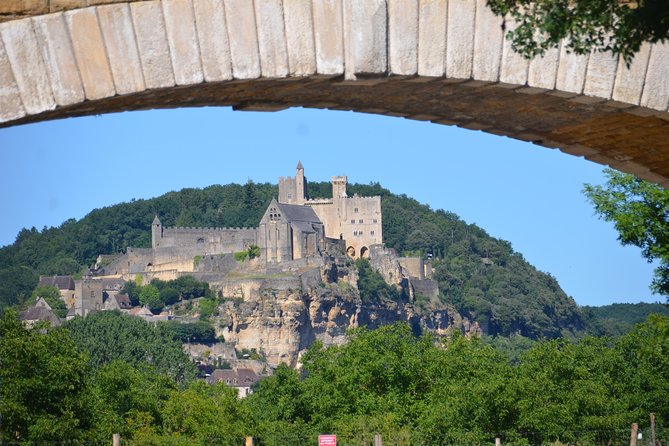
- Châteaux-focused scenery: The whole point is seeing medieval stone from below, with castles on cliff lines.
- Simple logistics: Canoe kit included, plus transport/shuttles to keep you from worrying about the return trip.
- Wildlife and birds: You may spot kingfishers, buzzards, kites, and dragonflies from the water.
- Good for beginners: The current is gentle, and most people can participate with basic instruction.
Dordogne by canoe: why it feels so different from the road
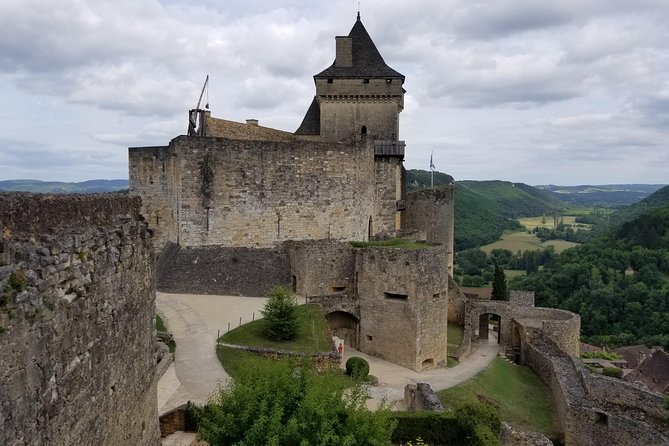
The Dordogne has a way of making you feel like the valley is putting on a show for you. From the car, you see pieces. From the canoe, you get the full sequence: riverbank, limestone, bridge, then suddenly a château appears above you like it was staged.
I love that the trip is ecological in feel, not just in marketing. You’re gliding downstream quietly, so you hear birds and water instead of engine noise, and you’re moving through the scenery rather than over it. The result is a more relaxed way to take in the Dordogne’s layers.
You’ll also notice how the river changes the timeline. Castles feel closer when you approach them from the waterline. Even grottos and cliff faces look different when you’re paddling alongside them instead of peeking at them from a viewpoint bus stop.
You can also read our reviews of more tours and experiences in Bergerac.
Route basics: Vitrac start, shuttle timing, and how the day actually flows
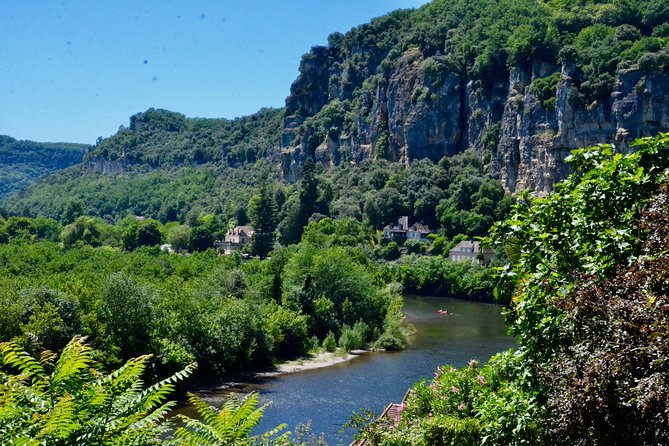
The route centers on Vitrac, specifically the riverside area in the Domme region (not the town up on top). Canoes go out downstream, and when you finish you’re brought back by shuttle/bus to the base area, with departures running on an hourly rhythm for that section.
Most trips are built as a simple formula: show up, get fitted with the canoe and safety kit, paddle at your own pace, then return. That structure matters. You’re not stuck waiting around for a strict schedule once you’re on the water, and you don’t have to figure out parking or transport in the middle of your day.
One practical thing I’d plan around: river time isn’t the same as “just cruising.” When the trip includes more châteaux, you may paddle for longer stretches with fewer chances to stop and regroup. So if you’re short on time, pick the route length that matches your stamina and attention span.
The scenery checklist: châteaux, cliffs, grottos, and wildlife from water level
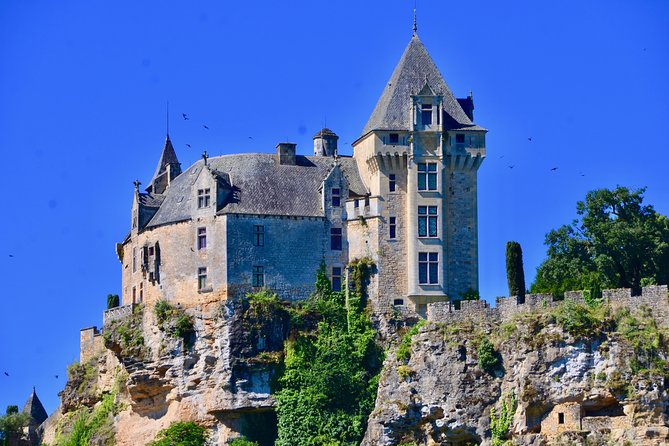
This is a scenery trip first, and the Dordogne delivers. You’ll glide past limestone cliffs, through stretches of forest, and by villages that look like they belong to a postcard. A lot of the charm comes from the fact that you’re seeing architecture in its natural setting, not as an isolated monument.
I also like that the river keeps surprising you. The route can include dramatic cliff sections and darker-looking grottos or cave areas, plus classic castle silhouettes perched above the water. One rider even mentioned seeing ledges used in prehistoric times from below, which is the kind of detail you normally miss when you’re viewing everything from land.
Wildlife pops up if you slow down and look. Expect to pay attention and you might spot kingfishers, buzzards, kites, and dragonflies. Even when wildlife is quiet, the small stuff stays interesting: birds calling from the banks, water birds skipping across the surface, and the constant change of light on limestone.
There’s also a fun pop-culture moment that some paddlers talk about: a bend in the river tied to a scene from the film Ever After. Whether or not you’re a movie fan, it’s a good reminder that this valley has been used as a backdrop for a reason.
Swims, picnics, and lunch breaks: how to make your time count
The Dordogne canoe descent is designed so you’re not trapped in a single long paddle with no breaks. You’ll have chances to dock along the way and stretch your legs, swim if the water feels good, and grab a bite when the route includes snack or lunch stops.
In practice, I’d plan meals around flexibility. If you want a relaxed day, keep your lunch picnic-simple and build time in for a swim. If you’re on a schedule later in the day, decide up front whether you’ll stop at towns for a quick break or just pass through.
One rider noted stopping at a small river beach for lunch and finding it easy to dock en route. Another described snack-area food like burgers, fries, and even a bottle of wine during a stop. Your exact options depend on the specific run that day, but the key idea is the same: you’re allowed to treat the river like a day out, not a timed contest.
Also remember shade can be limited depending on when you go. Pack for sunny paddling even if you expect a “cool river breeze” day.
Paddling reality: what it feels like and how to stay comfortable
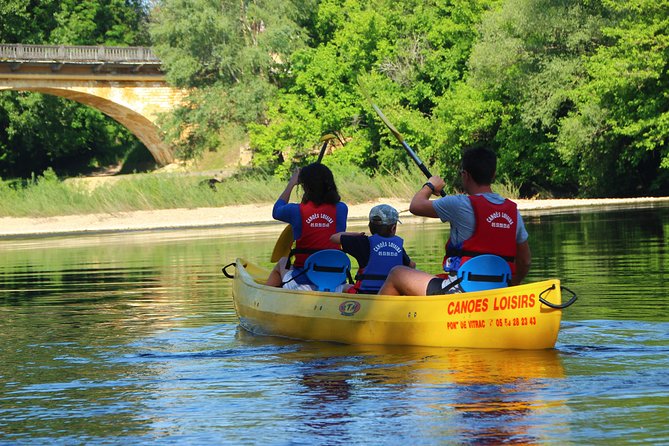
Canoeing here is generally easy-going. The river flow is described as gentle, and many people find it relaxing even if it’s their first time in a canoe. Still, you should expect a short learning curve for steering and paddling direction, especially at the start when you’re figuring out your rhythm.
Here’s what helps most on a hot day:
- Bring sunscreen, sunglasses, and a hat.
- Plan on not much shade, depending on the departure time.
- Water shoes help, but regular sandals or shoes that can handle wet ground can work too.
One practical tip from the canoe experience: get your shoe plan right before you hit the water. You’ll step on shore and possibly wade a bit during stops, so flip-flops only are a gamble.
As for the canoe itself, the operation provides the gear and you get clear instructions. Reviews also mention that staff are welcoming and professional, with good English support. If you’re nervous at the beginning, that’s normal. The hard part usually lasts about as long as your first minutes of coordination.
Weather and water levels: what can change your plan
This river trip depends on conditions. One disappointment shared by a guest was a full cancellation due to high water levels. That’s not a reason to avoid the trip, but it is a reason to build in calm flexibility.
If the forecast looks unsettled, I’d keep your day with the canoe as a priority but not as the only plan in your itinerary. Think of it as the highlight you’re hoping for, with a nearby backup idea in your pocket.
Also, the river can get choppier when larger boats pass between a couple of bridges. One review called it choppy in a fun way. Translation: expect some uneven water and paddle accordingly, but don’t treat that chop as an emergency. The main point is to stay alert and keep clear of bigger boats.
Picking your paddling length: 2, 3, 4, or 6 châteaux options
The duration runs roughly from 2 to 6 hours, which is a wide range for one activity. Use that range wisely based on how you like to spend a day.
Shorter runs (around 2 to 3 hours) work well if you want a taste of Dordogne without tiring out. One example described a two-hour downstream journey with slow-moving water and plenty of sightseeing. Another described a 2.5-hour trip that ended just past Beynac.
Longer runs are for people who love staying on the water. Some routes are framed around the number of châteaux, like 4-castle and 5-châteaux rides, and a longer 6-castles option. A good warning from experience: longer routes can mean more straight canoeing time, especially if you’re trying to cover the full length end to end.
One guest estimated that doing a longer full run of 4-castle paddling could feel like 5–6 hours of straight canoe time. If you want more breaks and less “work,” you may prefer a shorter option or a departure location that reduces bus time.
Price and logistics: is about $29 per person good value?
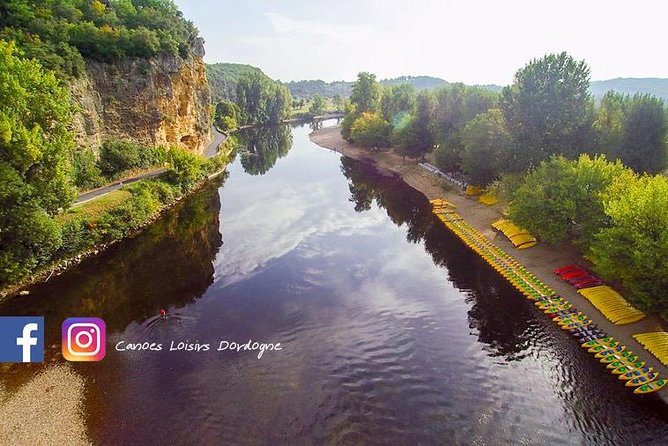
At around $29 per person, this canoe trip can be good value because so much is included in the day. You’re not just renting a boat. You’re getting the canoe and kit, plus the “how do I get back?” solution through shuttle/bus timing. On a self-paced activity, that matters. You keep your time and attention on the river instead of logistics.
You’re also paying for a specific kind of scenery: châteaux and cliff views from the waterline. That’s hard to recreate on your own unless you already know local launch points and you’re ready for planning headaches. With a guided operator structure, you can show up with a clear goal and leave with a full day’s memories.
That said, the value depends on your choice of paddling length. If you pick a route that’s too long for you, you’ll feel it in your shoulders and attention. If you pick a route that fits, you’ll feel like the price buys you exactly what you came for: views, calm motion, and time to stop.
Who this trip suits best (and who should rethink it)
This canoe descent is a strong match if you want:
- a relaxed outdoors day without intense hiking
- couples time that’s active but not stressful
- families with kids who can handle an hour or two on the water
- travelers who like history as a lived environment, not a museum label
Reviews also point out that it works well across ages, including kids who felt confident in the canoe. Another nice detail is service animals are allowed, which is helpful for some visitors who need that support.
You might rethink it if you:
- dislike sunny exposure with limited shade
- need a tightly controlled schedule with no flexibility
- want an activity with constant stops every few minutes
- have zero patience for learning basic paddling and steering for the first stretch
If you’re the type who gets impatient when things are slow, choose the shorter option. If you’re happy to float and look around, the longer châteaux routes can feel satisfying.
Should you book this Dordogne canoe descent?
I’d book it if you want a Dordogne day that feels personal. The river view changes everything, and you get to move through the valley at your own pace. This is the kind of experience where the scenery isn’t just scenery—it becomes part of how you spend your hours.
Book it especially if you’re aiming for a first canoe day in France. The current is described as gentle, the equipment is provided, and the process is straightforward from pickup to return. The staff’s English support and helpfulness also reduce the “what do we do now?” stress.
Skip or choose a shorter option if you’re heat-sensitive, tired easily, or you only have one shot at a very tight schedule. And check river conditions close to departure if you can, since high water can cancel the trip.
Bottom line: if castles, cliffs, birds, and a calm downstream paddle sound like your kind of day, this is a very practical way to experience the Dordogne.
FAQ
Is the canoe descent offered in English?
Yes. The experience is offered in English.
Where does the canoe trip start?
It departs from Vitrac on the Dordogne.
How long is the trip?
The duration is approximately 2 to 6 hours, depending on the specific run.
What is included?
You can expect the canoe and kit (equipment) to be provided, along with transport/shuttle to the right starting point and pickup at the end.
Are service animals allowed?
Yes, service animals are allowed.
What is the cancellation policy?
You can cancel for a full refund up to 24 hours before the experience starts. Free cancellation is available, and the cut-off is based on local time.