REVIEW · GRANDE TERRE ISLAND
Stand up paddle in paradise
Book on Viator →Operated by Get Up Stand Up · Bookable on Viator
If you like calm water and real nature learning, this paddle tour fits the bill. You start at Babin Beach and glide into the Grand-Cul-de-Sac Marin mangroves on a stand-up paddle, where the views and explanations work together. I especially like the hands-on start for beginners and the chance to move through tight mangrove spaces you simply can’t reach by boat.
The best part is the mix: you get smooth paddling plus a clear, friendly eco lesson about mangrove roles and the species they shelter. A small downside to plan for: you’ll need solid comfort in light balance work on the board, even though it’s designed to be approachable.
In This Review
- Key Highlights You’ll Feel on the Water
- Babin Beach: where the tour mood becomes easy
- Learning stand-up paddle without making it feel technical
- Gliding toward Islet Macou and Grand-Cul-de-Sac Marin
- Quick note on the “clear water” magic
- Why mangrove tunnels feel different from open-water paddling
- The eco lesson: what you’ll actually understand by the end
- The small cove stop and homemade lemonade payoff
- Price and what you’re really getting for $59.67
- Group size, instruction quality, and why it matters
- Who should book this stand-up paddle eco tour
- Should you book Stand Up Paddle in Paradise?
- FAQ
- Where does the tour start?
- How long is the stand-up paddle experience?
- What time does the tour start?
- How much does it cost?
- What’s included in the price?
- What should I bring or prepare since it’s not included?
- Is there an age limit for kids?
- How many people are in a group?
- What happens if the weather isn’t good?
- FAQ
- What’s the cancellation policy?
Key Highlights You’ll Feel on the Water
- Babin Beach starts you in a quiet, low-stress setting
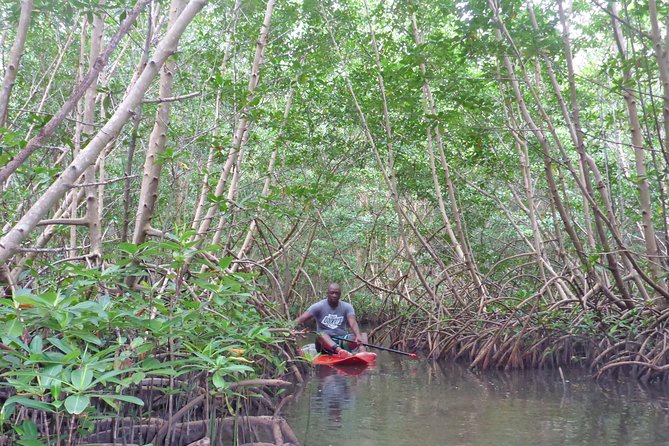
- Red mangrove “gallery” passages that feel intimate and different
- Eco-focused instruction about mangrove functions and local wildlife
- Small group size (max 10) for more coaching and a calmer pace
- Homemade lemonade in a small cove after the paddling
- Photo report included, so you’re not stuck juggling your phone
Babin Beach: where the tour mood becomes easy
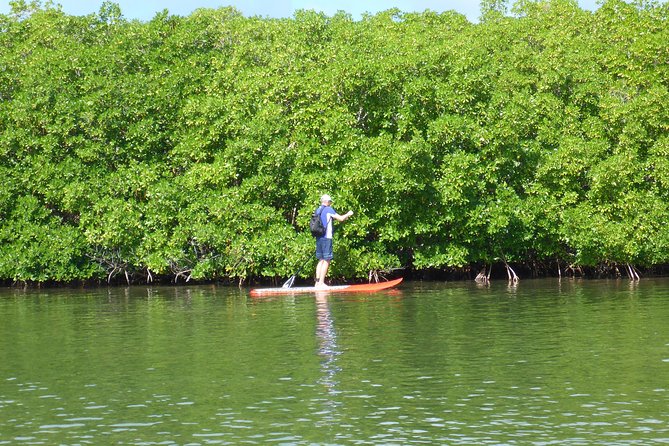
The day begins at Plage de Babin in Guadeloupe. It’s a good start for anyone who wants to skip the chaotic, fast-moving “tour by speedboat” feel. Instead, you get a real intro and a gentle path into the mangroves.
You’ll spend time on stand-up paddle basics before you head off. That matters because the route includes narrow mangrove sections where good control helps you glide smoothly and not fight the water. If you’ve never tried paddleboarding, this starter phase is the difference between wondering what to do and actually enjoying it.
The tour runs about 2 hours 30 minutes, and it returns you to the meeting point. Plan to arrive a few minutes early so you can get fitted and get comfortable before your first push away from shore.
Learning stand-up paddle without making it feel technical
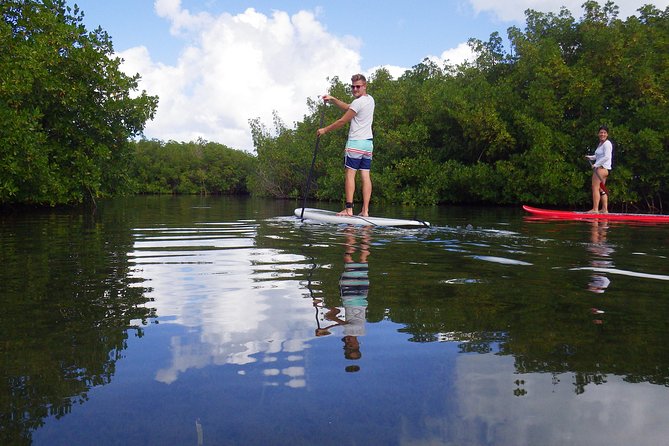
This isn’t a “just follow me” paddle. You’ll learn to stand up with a qualified instructor during an eco-tour style session. The goal is simple: get you confident enough to enjoy the mangroves rather than white-knuckle every minute.
Instructors also set expectations for what you’ll do once you’re moving. You’re not only balancing on open water here. You’ll slide on clear water while getting a close look at marine fauna and flora, then you’ll pass into tight mangrove areas that change how the water feels.
If you’ve brought along kids, this tour keeps things family-friendly: children under 12 can accompany parents or the instructor on their boards. That means the pacing tends to stay human, not “race to the next stop.”
Gliding toward Islet Macou and Grand-Cul-de-Sac Marin
Once you’re set, you head in the direction of Islet Macou along the mangrove. This part is where the scenery starts doing the talking. Standing on the board, you get that rare combo of moving slowly through water while still seeing enough detail to notice sea life.
You’ll also hear about the wider ecosystem of Grand-Cul-de-Sac Marin and why the mangroves matter. You’re not stuck with generic facts either. The tour focuses on mangrove roles, the species they shelter, and how the ecosystem works as a whole.
For me, that’s the real value: the biology lesson isn’t separate from the paddling. You learn what you’re seeing while you’re actively looking for it. That keeps attention up and makes the route feel purposeful.
Quick note on the “clear water” magic
The tour’s best moments tend to happen when the water is calm and visibility is good. On the water, you’ll likely notice more than just plants. You’re aiming to spot marine life and the way the coastline ecosystem functions around those mangrove roots.
Why mangrove tunnels feel different from open-water paddling
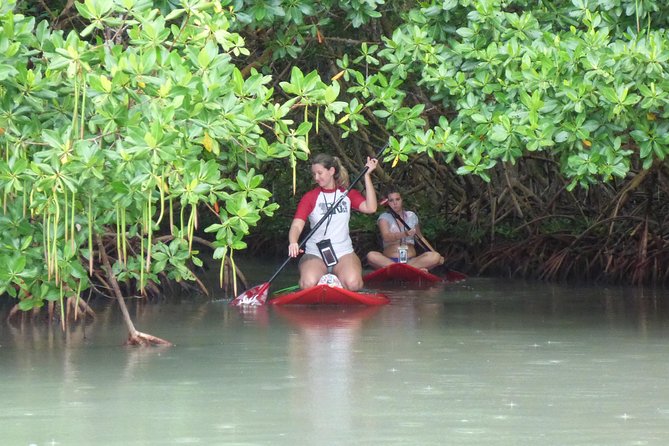
One of the standout ideas here is that stand-up paddle lets you enter places boats can’t. You can slip through narrow spaces and explore the very heart of the mangrove system. It’s not just scenic. It changes how you experience the coast.
As you move under plant tunnels formed by mangrove drifts, the space feels “made” by the ecosystem itself. Roots, branches, and water channels create a natural corridor effect. It’s the kind of setting that makes the tour feel more like a guided walk through a living structure than a typical beach paddle.
And because the mangroves line the way, your attention shifts naturally. Instead of staring at a horizon, you start tracking movement, textures, and the small patterns of life around you. That’s where the eco explanations land best.
You’ll also get a break between the more sheltered segments and the wider water moments. That rhythm helps you stay comfortable and keep enjoying the ride, even if you’re still getting the hang of balance.
The eco lesson: what you’ll actually understand by the end
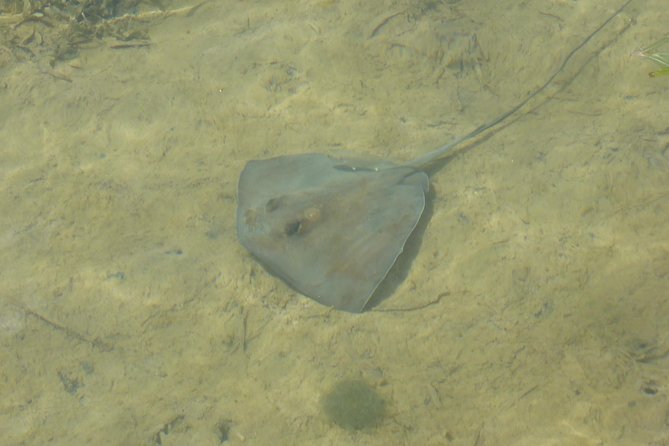
The mangrove talk on this tour has a practical angle. You’re guided through the main roles mangroves play in coastal ecosystems and which species rely on them. The tone stays friendly and engaging, which is exactly what you want when you’re standing in a moving sport setup.
The tour doesn’t just stop at “mangroves are important.” You’re shown how the ecosystem is connected—how sheltered areas support marine and coastal life, and how the mangrove structure shapes the environment around it.
This is also where guide energy matters. One guide, Lilian, is highlighted for being passionate and giving explanations that are easy to follow. Another guide, Matheiu, is praised for being friendly and helpful, especially for people new to paddleboarding.
I like this because it supports both kinds of travelers:
- If you’re here for the water, you still get a clear sense of what you’re seeing.
- If you’re here for nature knowledge, you won’t feel overloaded or talked at.
The small cove stop and homemade lemonade payoff
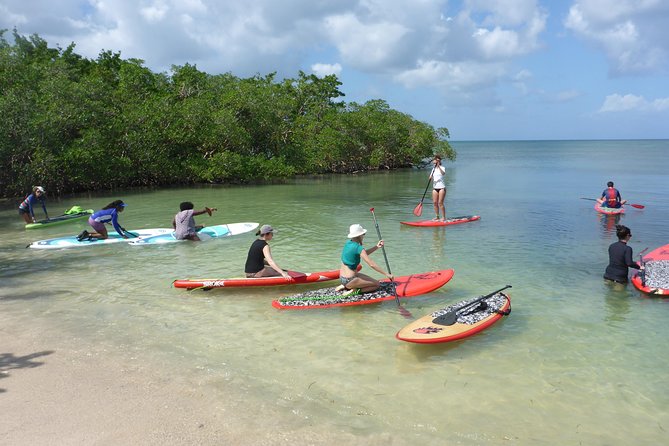
After you’ve spent time in the mangrove heart—sliding through tight passages and under those plant tunnels—you’ll stop in a small cove. This is the moment you can actually exhale.
You’ll enjoy homemade lemonade, included in the price. It’s a simple touch, but it fits the vibe: a reward that doesn’t feel like a marketing stop. You’re back in a calm spot where you can reset your body and look back on what you just paddled through.
This is also when the group energy tends to level out. Beginners often feel proud at this stage because they’ve made it through the “learning + exploring” stretch without turning the day stressful.
Price and what you’re really getting for $59.67
The listed price is $59.67 per person for about 2 hours 30 minutes. On paper, paddleboarding can sound like “just a fun activity.” In practice, this one carries extra value because you get:
- instruction to stand up and control the board
- an eco-focused tour of the mangrove ecosystem
- passage through narrow areas that feel like the point of the trip
- lemonade included
- a photo report included
The photo report is more useful than it sounds. When you’re learning, it’s tough to take good pictures. Having a set of photos taken for you means you can remember the route without stopping mid-paddle to play photographer.
What’s not included is also clear, which helps you plan: you’ll want your own sunscreen, water shoes, and a cord for glasses if you need one. Bring these and you’ll avoid the most common “oops” moments on sunny coast time.
Group size, instruction quality, and why it matters
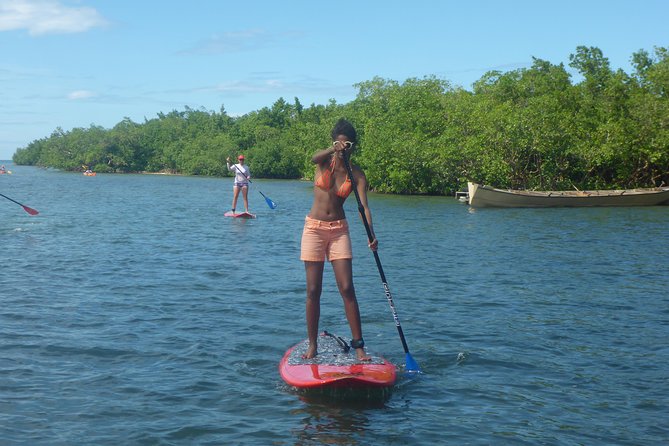
This tour caps at 10 travelers. Smaller groups matter for paddleboarding because balance skills and safety depend on good pacing and direct coaching. With fewer people, the instructor can adjust how they explain things and keep everyone from getting left behind.
You also tend to get a better learning conversation. When the group is tight, you can ask questions about mangroves, wildlife, and what you’re seeing without waiting for a big crowd moment.
The reviews reflect this comfort. The most praised aspect isn’t just the paddle. It’s the guide experience—friendly, helpful instruction and clear mangrove explanations. That combination makes the day feel like you learned something real, not just “took a tour.”
Who should book this stand-up paddle eco tour
I think this is a strong fit if you:
- want a beginner-friendly way to try paddleboarding
- enjoy nature learning that happens while you’re outside
- like calmer coastlines rather than chaotic “big circuit” tours
- want to experience mangrove passages and tunnels up close
It’s also a good family pick thanks to the way children under 12 can join with parents or the instructor on their boards. If you’re traveling with a mix of ages, this setup helps keep the group together.
If you’re someone who hates balancing games or you expect zero learning curve, plan for that one consideration. You’ll still likely find it manageable, but don’t assume it will feel effortless from the first minute.
Should you book Stand Up Paddle in Paradise?
Book it if you want the best kind of active nature time: clear water, mangrove tunnels, and an instructor-led eco lesson that makes the whole route click. The included lemonade and photo report make it feel more “complete” than a basic rental paddle.
I’d hesitate only if you know you’re not comfortable on a board at all, or if you’re going to struggle with outdoor water time in changeable weather. This experience requires good weather, so pick your date with that in mind.
If your goal is an authentic Guadeloupe morning that’s both fun and meaningful, this one is easy to recommend.
FAQ
Where does the tour start?
The meeting point is Plage de Babin, Guadeloupe. The activity ends back at the same meeting point.
How long is the stand-up paddle experience?
It lasts about 2 hours 30 minutes (approx.).
What time does the tour start?
The start time is 9:00 am.
How much does it cost?
The price is $59.67 per person.
What’s included in the price?
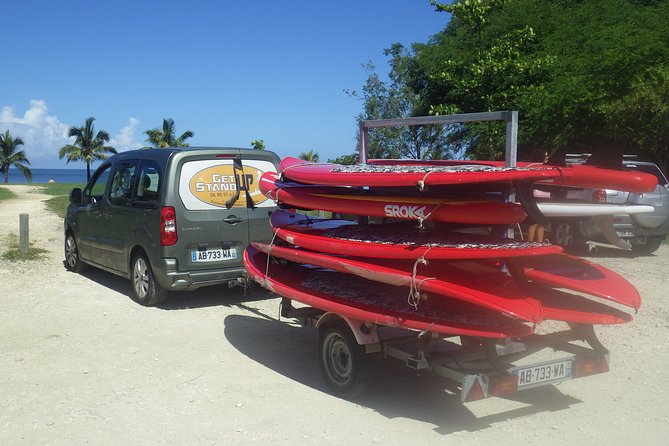
Included are the stand-up paddle board, paddle and leash, a photo report, and homemade lemonade.
What should I bring or prepare since it’s not included?
Sunscreen, water shoes, and a cord for glasses (if you wear glasses) are not included.
Is there an age limit for kids?
Children under 12 can accompany their parents or instructor on their boards.
How many people are in a group?
The tour has a maximum of 10 travelers.
What happens if the weather isn’t good?
This experience requires good weather. If it’s canceled due to poor weather, you’ll be offered a different date or a full refund.
FAQ
What’s the cancellation policy?
You can cancel for a full refund up to 24 hours before the experience starts. If you cancel less than 24 hours before, the amount you paid isn’t refunded.