REVIEW · TENBY
Tenby: Guided Kayaking Adventure
Book on GetYourGuide →Operated by Tenby Adventure · Bookable on GetYourGuide
Tenby’s coastline turns your sea view into a paddle route. This guided kayaking trip runs from Tenby Harbour and mixes practical instruction with chances to see sea caves, hidden beaches, and wildlife from the water. It’s a short outing that feels like you packed in a lot of coast.
I love that the guides (Tom, Sam, and Tim show up in recent experiences) teach you how to handle the kayak while also pointing out what you’re actually seeing. I also like the comfort of sit-on-top kayaks with storage for snacks and spare layers, plus helmets and buoyancy aids. The one drawback to plan for is the end-of-trip haul: you may need a bit of help dragging kayaks back up, especially over soft sand.
In This Review
- Key points worth knowing before you go
- Why Tenby’s coast is made for a 3-hour paddle
- Meeting at 11 Castle Hl: the easiest start you can hope for
- The safety briefing that actually prepares you
- North Beach and Waterwynch Bay: where the route starts to feel scenic
- Monkstone Beach and St Catherine’s Island: sea features you can’t reach from shore
- Kayaks, gear, and comfort details that make this tour feel easy
- What the guide’s naturalist side adds (and what it doesn’t)
- The itinerary rhythm: photo stops, wildlife breaks, and real paddle time
- Energy level and the one part you should prepare for
- Price and value: $81 for guide time, safety gear, and coastline access
- Who should book this Tenby kayaking adventure
- Should you book?
- FAQ
- Where do I meet for the kayaking trip?
- How long is the experience?
- What does the price include?
- Can I choose single or double kayaks?
- What’s the minimum age for children?
- What should I bring?
- Are there flexible booking options?
Key points worth knowing before you go
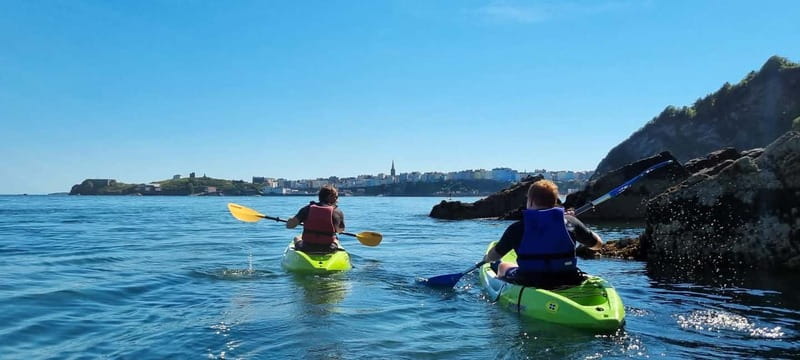
- Start right at Tenby Harbour so you skip long transfers and get on the water fast
- Sit-on-top kayaks keep things practical, with storage for snacks and spare clothing
- Sea caves, islands, and inaccessible beaches give variety in just a few hours
- A naturalist-style guide approach means you learn while you paddle (not a lecture, more like spotting and sharing)
- Photo-friendly route with guides taking action shots that you can get later
- Bring quick-dry layers because you’ll want to stay comfortable after wet hands, spray, and sea breezes
Why Tenby’s coast is made for a 3-hour paddle
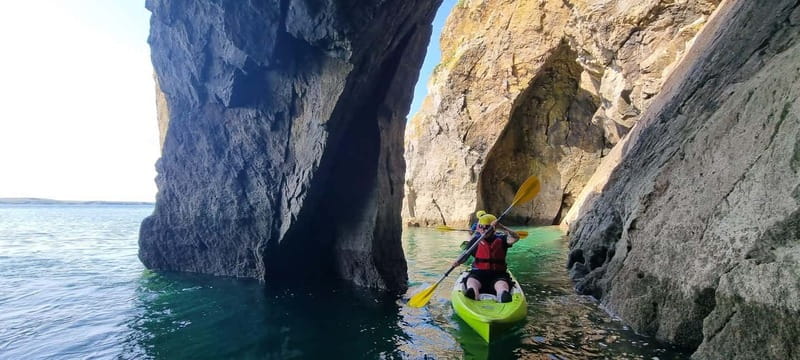
Tenby is one of those places where the views look postcard-perfect from shore, then you get on the water and realize the real story is the coastline itself. This trip is built for that switch. In about three hours, you move past the town and into stretches of Pembrokeshire where the beaches feel tucked away and the rock features create natural routes.
What makes this format work is the balance. You’re not just doing an out-and-back paddle. You stop for breaks, you aim at specific photo spots, and you get guided wildlife viewing from the sea. That matters because the difference between a good paddle and a great one is knowing what to look for besides your next stroke.
Also, the equipment choice helps. Sit-on-top kayaks are easier to get in and out of, and the storage space is useful for real things—snacks, spare layers, and camera safety. You’re not juggling everything in your hands.
You can also read our reviews of more tours and experiences in Tenby.
Meeting at 11 Castle Hl: the easiest start you can hope for
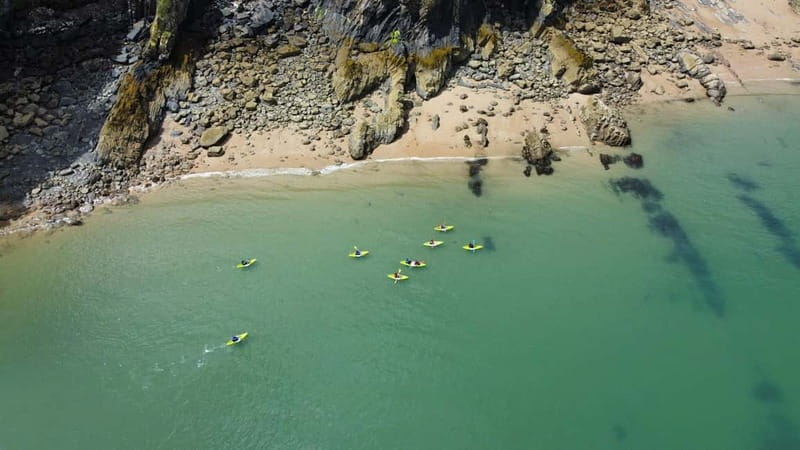
You meet at the Tenby Adventure building, on the slip that runs down to Castle Beach. The directions are straightforward: if you’re coming from the booking offices at the top of the harbour, go through the stone archway and walk about 50 meters down on the left.
Parking is the only real friction point. The harbour area doesn’t have nearby parking, so you’ll likely use a town carpark like Tenby Multi-Storey (SA70 7LT), which is only a few minutes’ walk away. If you hate walking with wet gear, this is something to account for.
Once you arrive, you’ll find the trip setup is geared for speed: there’s a place for your safety briefing, and you can leave change of clothes in a locked hut. That’s a small detail, but it changes the mood. You don’t have that scramble-and-stress feeling before you launch.
The safety briefing that actually prepares you
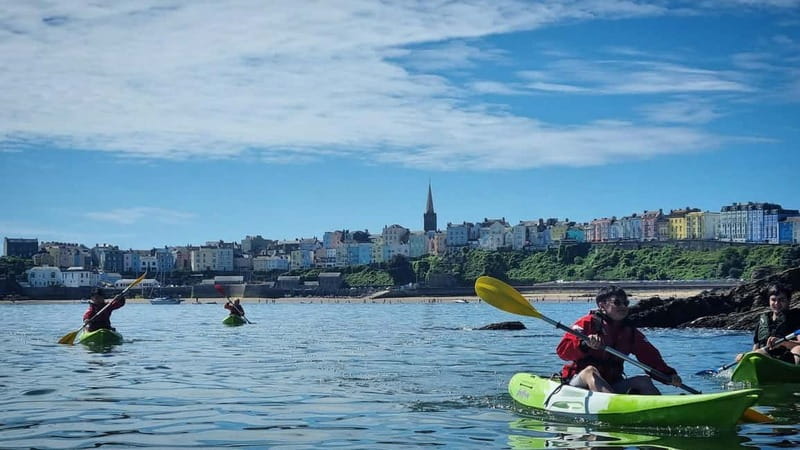
Before you head out along the coast, you’ll get a safety briefing at the visitor center area. The trip then layers in the practical side of kayaking: how to sit, how to paddle, and what the guide expects on the route.
Helmets and buoyancy aids are part of the gear from the start, so you’re protected during the rocky bits and confident while you focus on technique. Warm cags are also available, which helps on cooler sea days when wind does its usual job of turning your face into a weather report.
One thing I like about the way this trip is run is that safety doesn’t feel like a barrier. From guide accounts in recent experiences, the instructors keep it friendly and clear, then they still let you move, explore, and get that sense of adventure without feeling rushed.
North Beach and Waterwynch Bay: where the route starts to feel scenic
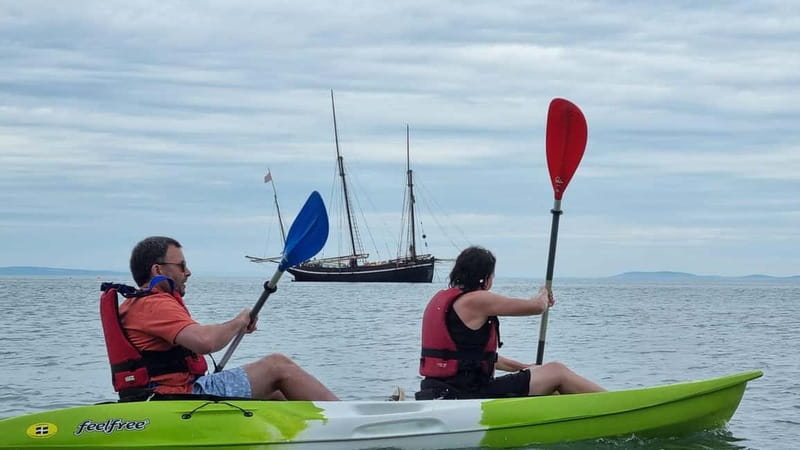
After launching, your first meaningful stretch includes Tenby North Beach. Expect a photo stop and scenic views on the way. This is where you get your bearings fast—literally. You’re learning the kayak, but you’re also learning the coastline’s shape: how the coastline curves, where rocks break the water, and how wind affects small movements.
Then comes Waterwynch Bay, with a break time plus more paddling and wildlife viewing. This stop is practical. You get a moment to catch your breath, adjust your comfort, and refocus before the route becomes more interesting. It also tends to be where you notice the water life best, since you’re close enough to see changes in the surface and movements around the rocks.
If the weather cooperates, this part of the trip can feel like the best kind of holiday snapshot: clear angles on the town and the coastline, plus the fun of being the one doing the moving.
Monkstone Beach and St Catherine’s Island: sea features you can’t reach from shore
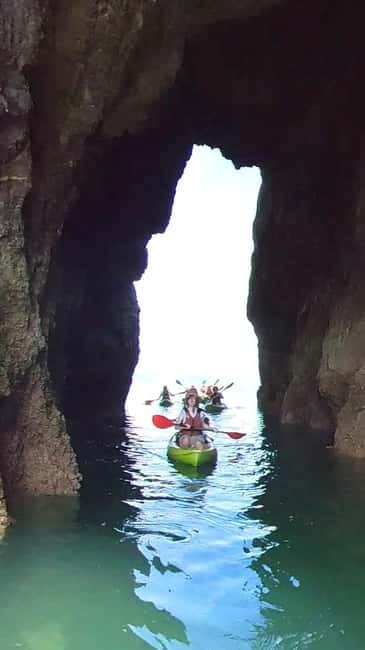
As you continue, you’ll reach Monkstone Beach for more kayaking. This segment keeps the pace active while still giving you clear stopping points to take it all in.
From there, the route builds toward the dramatic parts. You’ll paddle toward St Catherine’s Island, passing scenic views and getting wildlife viewing along the way. This is also where sea caves and rock tunnels come into play—those “you’re doing it from the inside” moments that feel special precisely because they’re hard to access any other way.
In real guide experiences, you may see how the route works through arches in the rock and cave or tunnel sections. That’s not just fun scenery; it’s also good kayaking practice because you’re steadying your kayak in more complex rock-and-water conditions.
One more thing I’d pay attention to: wildlife sightings aren’t guaranteed, but the trip structure is designed to make spotting opportunities. Recent experiences mention a huge jellyfish sighting, for example—exactly the sort of moment you’d rather see from a kayak than from a distant viewpoint.
Kayaks, gear, and comfort details that make this tour feel easy
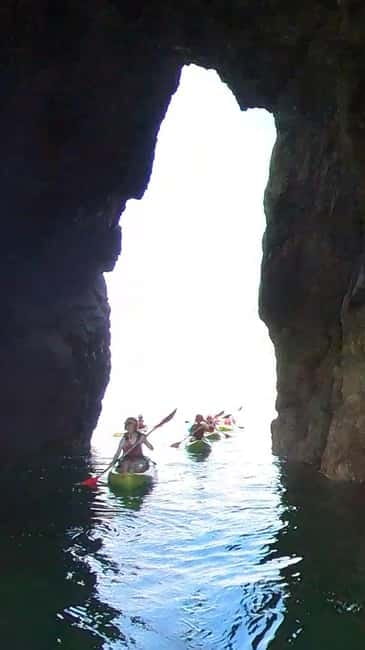
This trip uses sit-on-top kayaks, and that choice pays off. You sit above the water rather than inside a cockpit, so you don’t spend the whole time fighting awkward access or feeling trapped. It’s simply a more relaxed way to experience the coast.
You also get storage on the kayak for snacks and clothing. That’s huge for a half-day outing. You won’t need to carry everything in your pockets. You can bring snacks you actually like, plus spare layers if the sea breeze rises.
A few more pieces matter:
- Warm cags are provided to help keep you dry and comfortable
- Helmets and buoyancy aids keep you protected and supported
- Single or double boats are available
- There’s even a built-in wheel mentioned for easier transportation up a secret beach, which hints that you won’t be doing the heaviest hauling by hand the whole time
Quick note on what to wear: quick-dry clothing is your friend. Even with the best gear, you’ll get wet hands, spray, and ocean mist.
What the guide’s naturalist side adds (and what it doesn’t)
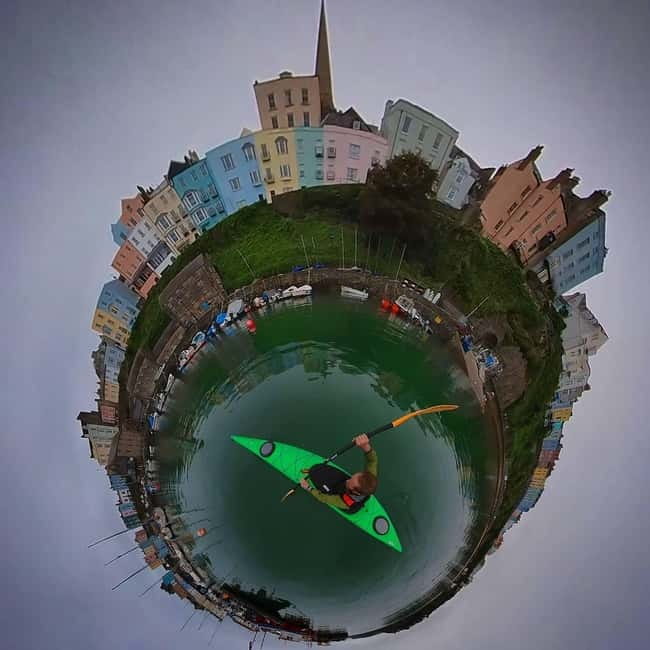
A guided paddle is only worth it if the guide helps you connect the dots. Here, you get an expert guide with a keen naturalist approach, meaning you’re not just being led from point A to point B.
The best part is that it usually stays human-sized: wildlife viewing stops, simple explanations, and context that makes what you see feel real. Recent experiences include very clear teaching—how to paddle properly, how to handle the route, and how to feel confident as conditions shift.
There’s also a practical side to the teaching. If you’re a beginner, you’ll get help building confidence and learning technique. Some recent experiences mention guides keeping everyone safe while still making it fun, even when people needed assistance with tired moments.
And yes, there’s often an added bonus: guides taking photos for the group. If you’re traveling with family or you just don’t want to manage a camera while steering, that’s a real service.
The itinerary rhythm: photo stops, wildlife breaks, and real paddle time
This tour is short enough that it stays lively, but structured enough that you don’t feel lost.
You’ll start around Tenby Harbour, then go through a clear flow:
- Safety briefing and setup
- Tenby North Beach photo and scenic viewing time
- Waterwynch Bay break plus wildlife viewing
- Monkstone Beach kayaking
- St Catherine’s Island route and scenic paddling
- Back to the starting point
The rhythm matters. It keeps energy from dropping too hard in the middle and it prevents the outing from turning into one long slog. It also gives you multiple moments to stop and absorb the coastline—something you can’t do if you’re just renting a kayak and wandering.
The only trade-off is concentration. Even with breaks, you’re responsible for your kayak and your balance. If you’re someone who hates physical tasks, this might feel more demanding than a walk. If you’re okay with moderate effort for a few hours, you’ll likely find it energizing.
Energy level and the one part you should prepare for
There’s a simple reason some people rate this trip so highly: it feels like adventure. But adventures have rough edges.
The most common consideration is the end-of-trip drag. Even with equipment designed to help, you may need to pull or carry your kayak back up the beach and over soft sand. One recent experience notes needing assistance with that part, which is exactly the kind of thing you should plan for if you’re traveling solo or if you have a limited tolerance for sand resistance.
Also consider the age guidance. The trip info says children under 8 are not suitable, and double kayaks are available for parents sharing with younger kids (minimum age 8). That said, one review mentions a family sharing with a 6-year-old and getting help from the guide, so if you’re traveling with kids near the minimum, confirm what’s possible for your specific situation before you go.
The good news: the gear and instruction are designed to make beginners succeed. You won’t be dropped into complete chaos and told to figure it out.
Price and value: $81 for guide time, safety gear, and coastline access
At $81 per person for a 3-hour guided trip, you’re paying for more than just a kayak rental. You’re paying for:
- A guide and instruction during the full outing
- Safety equipment rental (helmets and buoyancy aids)
- Access to parts of the coastline that are difficult to reach from shore
- A guided route that includes beaches, sea caves, islands, and waterfalls as part of the experience
That’s the real value equation. If you tried to do this on your own, you’d spend time figuring out where to launch, where to paddle, what conditions matter, and what you’d actually see. The guide compresses all that into a half-day plan.
Is it a budget option? Not really. But it’s also not a luxury-priced day trip. For the cost, you’re getting guided teaching, real scenery variety, and the chance to spot wildlife without needing to be an expert sailor or sea explorer.
And if your priorities are photos and learning, it gets even better. Multiple recent experiences mention action shots being shared later, which cuts down on your stress about documenting every moment.
Who should book this Tenby kayaking adventure
This is a great pick if you:
- Want a guided activity that helps you enjoy the coast instead of just looking at it
- Like learning while you do something active
- Are traveling with family and want the route to feel manageable
- Prefer sit-on-top kayaks for easier handling
It’s also a good match for groups who want a structured, safe-feeling adventure with breaks and photo moments.
If you hate carrying gear, or you want a completely low-effort outing, think twice. The kayaking itself is usually fun, but the beach haul at the end is real.
Should you book?
I think you should book this if you want a short, high-impact way to experience Pembrokeshire from the water—without having to plan a paddle route or figure out the wildlife stops yourself. The combination of clear instruction (Tom, Sam, and Tim appear in recent experiences), safety gear, and a route that includes caves, islands, and hidden-feeling beaches is exactly what makes this kind of trip worth the money.
If you’re concerned about the sand haul back up, plan to be patient with yourself and consider going with partners who can share the effort. And if your kids are near the minimum age, confirm ahead of time what’s allowed and how double kayaks are handled.
FAQ
Where do I meet for the kayaking trip?
Meet at the Tenby Adventure building on the slip that runs down to Castle Beach. If you’re coming from the top of the harbour booking offices, go through the stone archway and walk about 50 meters down on the left.
How long is the experience?
The kayaking adventure runs for about 3 hours.
What does the price include?
Your booking includes the kayaking excursion, guide services, kayak and safety equipment rental, and exploration of beaches, sea caves, islands, and waterfalls.
Can I choose single or double kayaks?
Yes, single or double kayaks are available.
What’s the minimum age for children?
The trip info says it’s not suitable for children under 8.
What should I bring?
Bring swimwear, a camera (or a waterproof camera/phone case), snacks, sunscreen, and water. Wear comfortable and quick-dry clothing.
Are there flexible booking options?
Yes. You can reserve now and pay later, and there’s free cancellation up to 24 hours in advance for a full refund.
If you tell me your travel month and whether you’re going as a couple or with kids, I can suggest what to prioritize (timing, what to pack extra, and how to plan your effort level).