REVIEW · TIHANY
Tihany: SUP Course and Tour at Lake Balaton
Book on GetYourGuide →Operated by SUP Center Balaton · Bookable on GetYourGuide
SUP training on Balaton feels doable fast. I love the way this course starts with hands-on practice on a simulator, so the first time you stand up doesn’t turn into a balancing act. I also like the built-in progression: after a focused lesson, you get to paddle on your own for a short tour near the Tihany National Park.
One consideration: you’ll need to be comfortable in the water and meet the age limits. This isn’t listed for non-swimmers, children under 10, pregnant women, or people over 70, so be honest with your comfort level before you book.
In This Review
- Key Things to Know Before You Go
- Lake Balaton From Tihany: Why This SUP Course Fits
- Finding the SUP Center at Club Tihany (and Getting Ready)
- The Equipment Lesson: Choosing the Right Board for Real Balance
- The Simulator Hour: Learning to Stand Up Without Panic
- On-Water Practice and Your Short National Park Tour
- Technique You’ll Actually Use While You Paddle
- Price and Value: Is $94 a Good Deal?
- What to Bring (So the Lesson Doesn’t Get Stuck)
- Who Should Book This SUP Course (and Who Should Skip It)
- Practical Tips for Your First SUP Day in Tihany
- Cancellation, Group Size, and Timing: Quick Reality Check
- Should You Book This Tihany SUP Course?
- FAQ
- How long is the SUP course?
- What’s included in the price?
- Where do I meet the instructor?
- Do I need to know how to swim?
- What languages are available?
- What should I bring with me?
- Who is this activity not suitable for?
Key Things to Know Before You Go
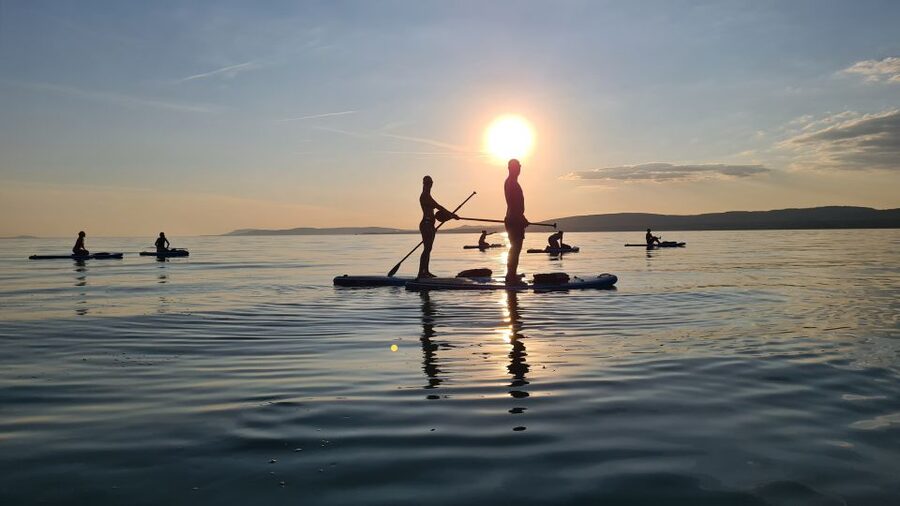
- Simulator-first training so you learn standing up and paddle handling in a controlled way
- Small group up to 10 participants, which makes it easier to get correct technique
- Tihany National Park area gives your short tour extra meaning beyond just cruising
- Equipment sizing help for choosing the right SUP board and paddle for you
- One instructor-led hour, one independent hour so you leave feeling capable, not dependent
Lake Balaton From Tihany: Why This SUP Course Fits
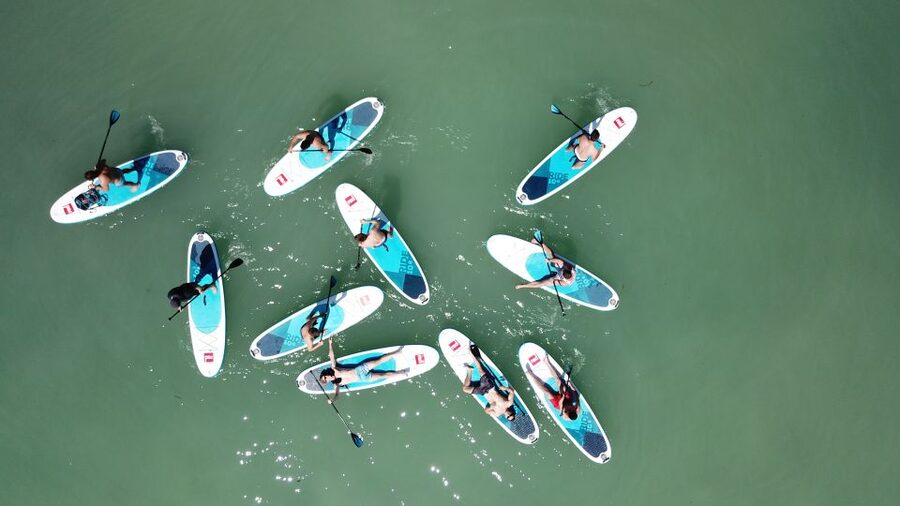
Lake Balaton is the biggest lake in Central Europe, and that scale changes how SUP feels. Even if you’re a total beginner, being on a real lake still makes the practice matter. The trick is how they teach it here, and that’s the main reason I think this works well for first-timers.
Tihany is also a smart base. The SUP center sits right by the Tihany peninsula and close to the ferry area, and the national park is next to the SUP area. That means your “little tour” has a sense of place, not just a loop back and forth in open water.
If you want an activity that’s part skill-building and part nature time, this format hits that balance.
You can also read our reviews of more tours and experiences in Tihany.
Finding the SUP Center at Club Tihany (and Getting Ready)
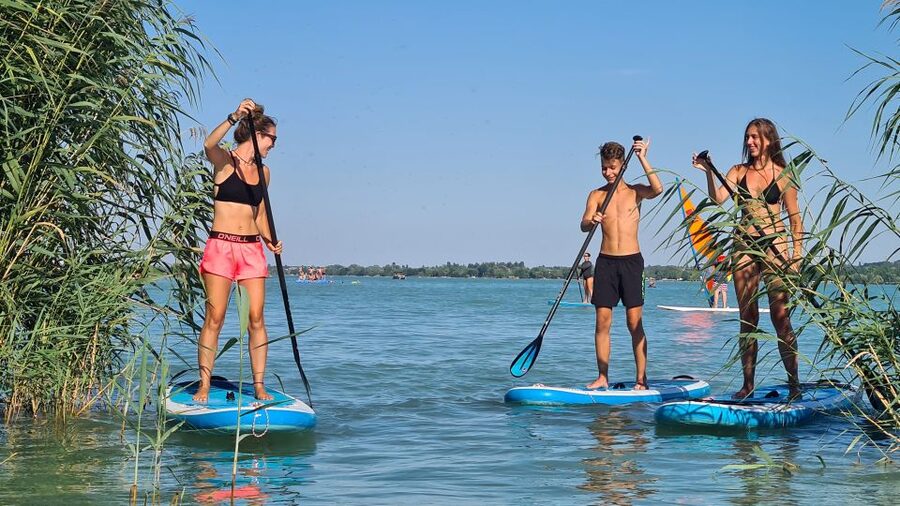
The meeting point is at the SUP Center inside the family resort Club Tihany. It’s about 350 meters from the ferry, at the tip of the peninsula. Plan to walk in calmly and expect a quick check-in, not a big chaotic office scene.
At the entrance of the holiday resort, you tell the guards you’re visiting the SUP Center. They hand you a temporary pass with a time stamp, which helps you move through the resort area without confusion. From there, you drive past the hotel and turn right. Right before the yacht club, look for the beach entrance marked with a SUP flag.
This matters because you’re showing up ready to get wet soon after. If you arrive slightly early, you’ll have time to locate the beach, get your towel and sunscreen on, and avoid that last-minute scramble.
Language support is practical too. You can expect instruction in German, Hungarian, and English, and the group stays small.
The Equipment Lesson: Choosing the Right Board for Real Balance
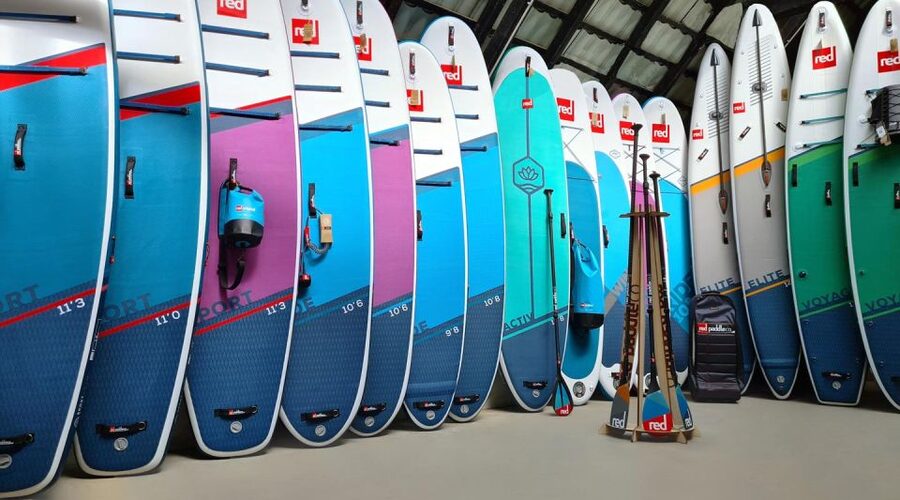
Before you hit the water, you get a quick overview of SUP equipment: boards and paddles, plus what tends to work best depending on you. This part isn’t just trivia. Wrong board size can make learning harder and make you fight the board instead of learning technique.
You’ll also learn what to look for when choosing board and paddle sizes. The course treats this as essential, because stable starts come from the right fit. If you’ve ever tried a piece of gear that’s slightly too small, you know how frustrating it is. Here, they’re trying to prevent that early.
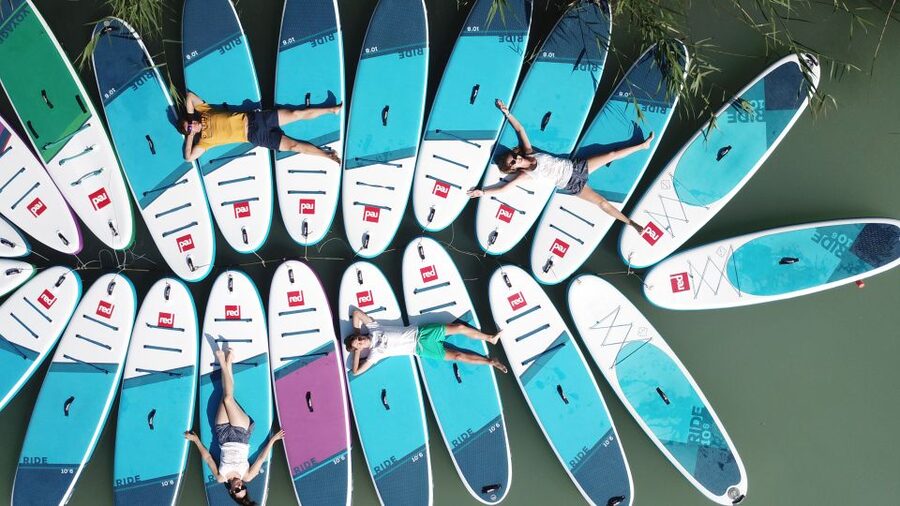
You’ll be provided the SUP equipment (board and paddle) and a live jacket. So you’re not juggling rental logistics. It’s a simple setup: they give you what you need, then they teach you how to use it properly.
And if you’re the kind of person who worries whether you’ll look clumsy, that’s a common beginner concern. The equipment explanation is a good buffer because it gives you something concrete to focus on besides feeling awkward.
The Simulator Hour: Learning to Stand Up Without Panic
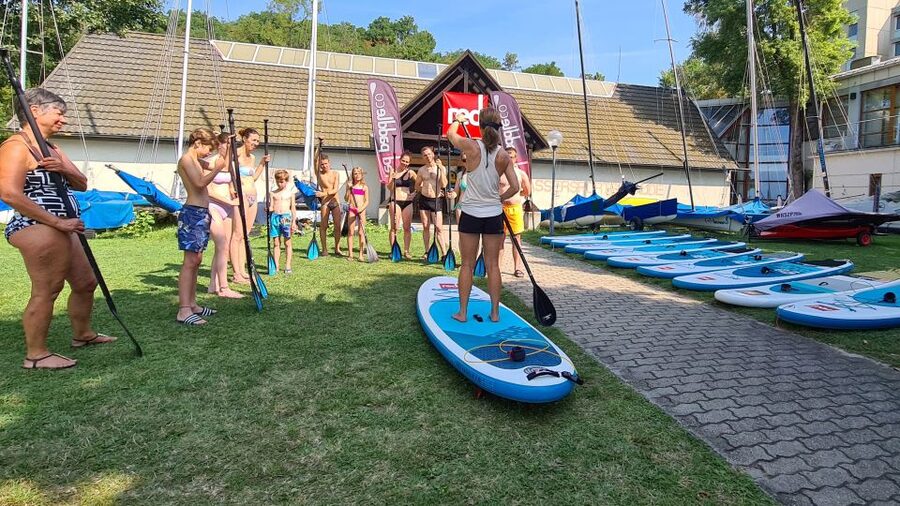
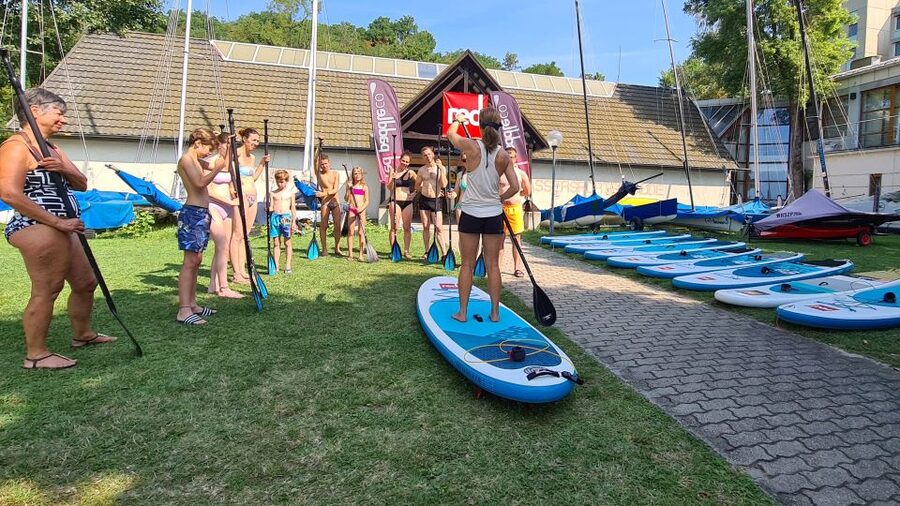
The first phase is training that happens before you do anything wild on open water. You start with steps on a simulator. This is where the course earns its beginner-friendly reputation.
You begin from a kneeling position. That’s deliberate. It helps your body learn the board’s basic behavior and lets you practice the right stance before you commit to standing. Then you work on getting up, finding a stable stance, and positioning yourself on the board.
Next comes paddle basics—how to hold the paddle and handle it correctly. Paddle technique matters because it affects direction, speed, and balance all at once. If you’re holding the paddle wrong, you’ll pull yourself off line and feel unsteady even if your feet are fine.
From the simulator, the lesson continues on the beach. You practice the skills you learned, including how to carry your SUP and how to launch it. Those tiny steps matter more than people think. If launching is sloppy, the first minute on the water can feel stressful.
Based on the feedback, the instruction is detailed and patient. One highlight from a guide named Andreas is how he offered helpful tips and stayed patient while correcting technique when things didn’t click right away.
On-Water Practice and Your Short National Park Tour
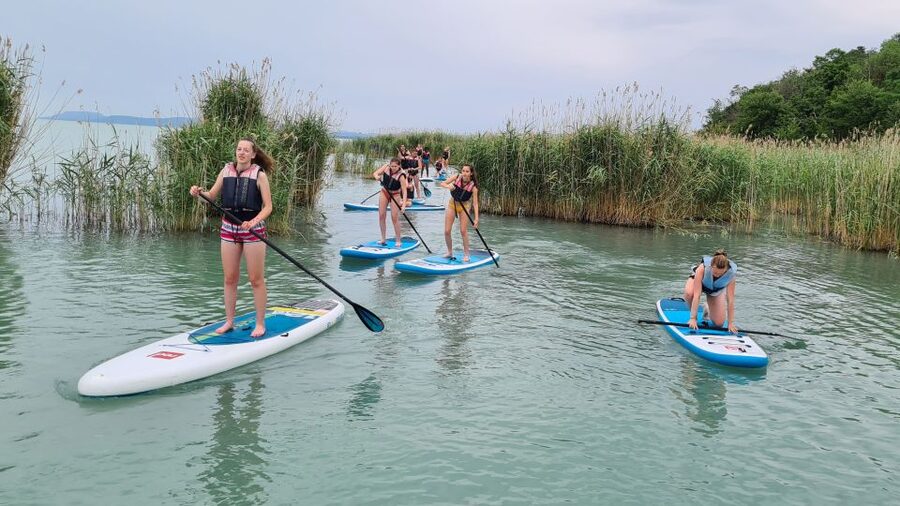
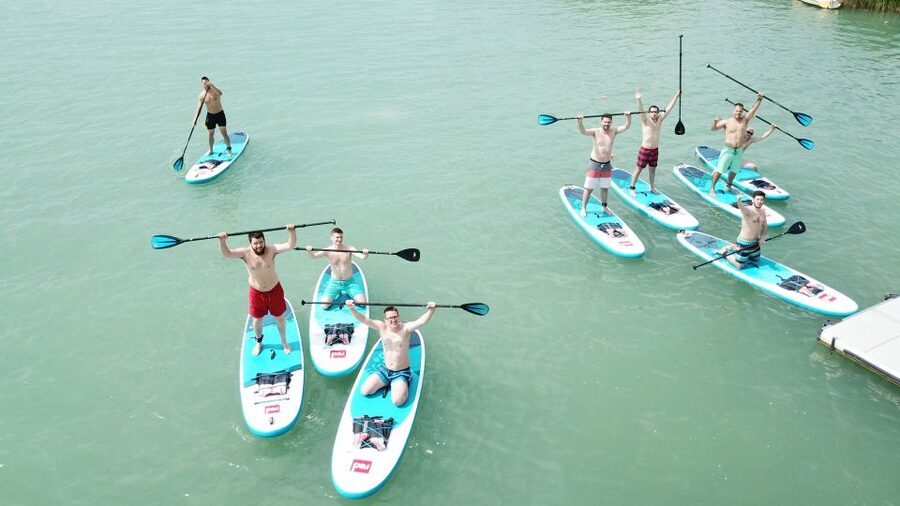
After the first hour of instruction, you shift from coached practice to independent paddling for about the next hour. That structure is the heart of this experience. You get enough guidance to learn, then enough freedom to enjoy.
While you’re being coached, you practice the things you just practiced on the simulator and beach. That’s the learning loop: see it, do it, then do it again in the real setting. The instructor’s role is hands-on assistance during this on-water portion, so you’re not guessing.
Then comes the part many people want: time to paddle by yourself. You head out for a little SUP tour into the national park area next to the SUP center. It’s not described as a long expedition, but it’s enough time to feel like you actually did something on your own, not just followed a class routine.
This is also where you’ll notice the course’s earlier equipment sizing guidance paying off. A board that fits you helps you keep your stance. A paddle that fits helps your strokes feel smoother, not chaotic.
Technique You’ll Actually Use While You Paddle
You won’t just leave with a vague sense of how SUP works. The course focuses on repeatable basics that you can use during your independent hour.
Here’s what you’re trained to think about:
- Your stance and position on the board, especially how it changes when you stand from kneeling
- How you handle the paddle so your strokes don’t throw you off balance
- How you launch and carry the board so you don’t waste energy wrestling gear
For a first timer, the goal isn’t perfection. It’s control. And that’s what the simulator-to-water approach supports: you learn the mechanics before the unpredictability of open water takes over.
If you’re hoping to make progress quickly, this is a good match. The program is short, but the structure is tight, and the instructor-led feedback reduces the time you’d otherwise spend trial-and-error.
Price and Value: Is $94 a Good Deal?
At $94 per person for about two hours, you’re paying for more than “time on a board.” The value comes from what’s bundled.
Included in the price:
- One hour instruction
- SUP equipment (board and paddle)
- Live jacket
- Free parking during your program
Also, small group size is capped at 10 participants. That matters because fewer people usually means more direct attention when you need correction.
What’s not included is food and drink. So you’ll want to bring water and plan a snack afterward, especially if you’re going out in the sun. The course lists drinks as something to bring, which is a good sign they expect you to stay fueled.
If you’re comparing this to piecing together rentals plus lessons on your own, the bundled approach is practical. You won’t spend your time figuring out equipment, fit, and first-technique troubleshooting. You show up, get equipped, learn, and then you paddle.
What to Bring (So the Lesson Doesn’t Get Stuck)
This activity is simple, but it’s still a water activity. Come prepared and you’ll enjoy it more.
Bring:
- Passport or ID card
- Swimwear
- Towel
- Drinks
- Sunscreen
- Water
The towel is your quiet hero. You don’t want to be drying off with wet hands while you’re trying to wrap gear and reset for the next phase.
Wear swimwear you’re comfortable in for practicing standing, and add sunscreen before you’re out on the water. Sun is part of Lake Balaton days, and the course runs during daylight hours.
Not allowed items include pets, and alcohol or drugs. That’s pretty standard for water sports safety and comfort.
Who Should Book This SUP Course (and Who Should Skip It)
This course has clear suitability guidance, and I’m glad it’s spelled out.
Not suitable for:
- Children under 10
- Non-swimmers
- Pregnant women
- People over 70
If you don’t meet these ranges, I’d take that as a genuine signal, not a suggestion. The program is designed to teach you quickly, but it still includes time on a large lake and an independent paddling segment.
Who it’s best for:
- First-timers who want a structured introduction
- People who want a short, confidence-building tour in a national park area
- Anyone who appreciates clear instruction and technique tips, like those provided by Andreas in the feedback
If you already SUP regularly, you might find the time short. But if you’re rusty or just getting started, the simulator warm-up can make a big difference.
Practical Tips for Your First SUP Day in Tihany
You’ll learn the basics during the course, but you can make the day easier for yourself with a few simple habits.
First, show up with your essentials ready. Swimwear on, towel packed, sunscreen done. When you’re waiting to get on the board, you want your mind focused on technique, not on searching for a missing bottle.
Second, stay open to correction. A patient instructor and detailed explanation helps, but only if you’re willing to adjust. The feedback highlights that if something doesn’t work, you’ll be motivated and guided back in.
Third, remember the course’s pacing. The first hour is instruction and skill practice, then the second hour is independence. Don’t treat the independent hour like a separate lesson. Treat it like the payoff phase, using what you learned on the simulator.
Cancellation, Group Size, and Timing: Quick Reality Check
If you like flexibility, the activity offers free cancellation up to 24 hours in advance for a full refund. You also can reserve now and pay later, which helps if your schedule in Hungary might shift.
Starting times depend on availability, so check your preferred slot before you finalize plans.
The group is small, limited to 10 participants. That’s a big deal for first-timers, because you don’t want to feel like you’re competing for attention.
Should You Book This Tihany SUP Course?
I’d book it if you want an efficient first taste of SUP that doesn’t leave you guessing. The simulator-to-stand progression is the standout, because it lowers the stress of learning balance. I also like that you don’t just do a supervised paddling loop. You get an hour of independent touring near the national park area, so you feel the freedom that makes SUP fun in the first place.
I’d skip it if you fall into the listed non-suitable categories. This course isn’t positioned as a gentle babysitting session. It’s skill training on a real lake, with an independent segment after instruction.
If you’re a beginner who wants clear instruction, correct gear sizing guidance, and a short nature-focused tour at Lake Balaton, this is a strong choice.
FAQ
How long is the SUP course?
The total duration is 2 hours, with 1 hour of instruction and 1 hour of independent paddling.
What’s included in the price?
You get 1 hour instruction, SUP equipment (board and paddle), a life jacket, and free parking during your program.
Where do I meet the instructor?
You meet at the SUP Center in Club Tihany, about 350 meters next to the ferry at the tip of the Tihany peninsula. You check in with the resort guards for a temporary pass, then follow directions to the beach entrance marked with a SUP flag.
Do I need to know how to swim?
Yes. The activity is not listed as suitable for non-swimmers.
What languages are available?
Instructors are available in German, Hungarian, and English.
What should I bring with me?
Bring your passport or ID card, swimwear, a towel, drinks, sunscreen, and water.
Who is this activity not suitable for?
It is not suitable for children under 10, non-swimmers, pregnant women, and people over 70.