REVIEW · TULUM
Tulum: Sian Ka’an Biosphere Reserve Kayak Tour
Book on GetYourGuide →Operated by Community Tours Sian Ka'an · Bookable on GetYourGuide
Morning paddling in Sian Ka’an is pure calm. This kayak trip from Tulum puts you in the UNESCO-listed wetlands early in the day, when the water is glassy and the birds are active. I love how the route follows the Sian Ka’an lagoon system and a canal tied to ancient Mayan trade, so the history feels real, not museum-speech.
My other favorite part is the human side: you get local guides who actually care about what you’re looking at. On the water, guides like Javi have helped people spot and identify wetlands birds, while biologist Manuel brings a clear, scientific way of explaining mangroves and wildlife—without turning it into a lecture.
One drawback to plan for: conditions can change. Wind and waves have forced the tour to turn back for some groups, and the morning includes time for breakfast and lunch that can make the day feel a bit more “meals + paddling” than nonstop kayaking.
In This Review
- Key things I’d circle before you go
- Calm lagoons and a route that feels ancient
- Getting there from Tulum: the van ride sets the day’s pace
- Breakfast first: what a Mayan palapa meal does for you
- Kayaking at Laguna de Muyil: ecosystems, birds, and the real pace
- What if the wind rises?
- The Mayan channel connection: why a kayak beats a boat
- Lunch at Chunyaxché: a real Mayan meal after the paddle
- The return ride: plan for heat, not traffic
- Price and added costs: is $109 a fair deal?
- What to bring (so you don’t suffer in the name of wildlife)
- Who should book, and who should skip this paddle
- Should you book this Sian Ka’an kayak tour?
- FAQ
- How long is the tour, and how much time is on the kayak?
- Where do you get picked up, and how long is the van ride?
- What meals are included during the experience?
- Do I need to pay an entry fee for Sian Ka’an Biosphere Reserve?
- What’s the best way to pack for the tour?
- Is this tour okay for kids?
Key things I’d circle before you go
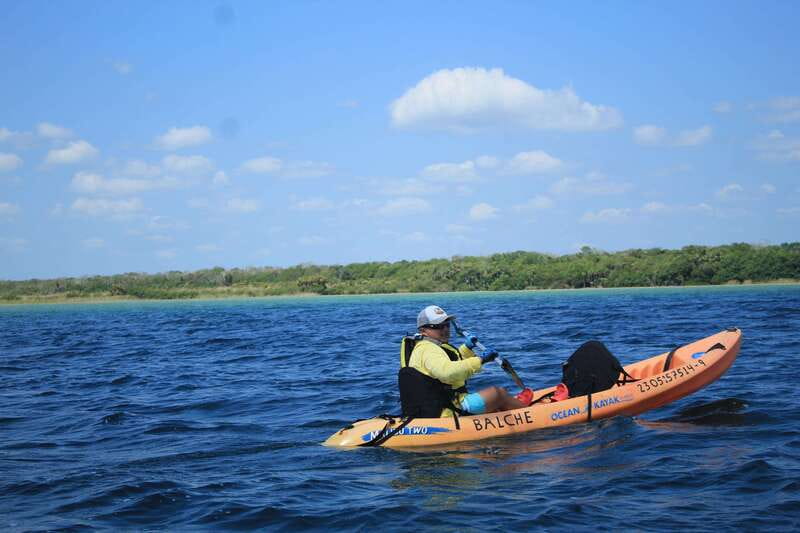
- Early-morning calm water makes kayaking feel easy, even if you’re not a strong paddler
- Mayan trade-route canals connect lagoons, giving the trip a story you can literally paddle through
- Bird spotting is a built-in goal, with chances for osprey and herons among others
- You’ll cover multiple ecosystems in one morning around mangroves and wetlands
- Food is part of the experience, with Mayan cooking served before and after the paddle
- You must budget the federal reserve fee (collected separately on site)
Calm lagoons and a route that feels ancient
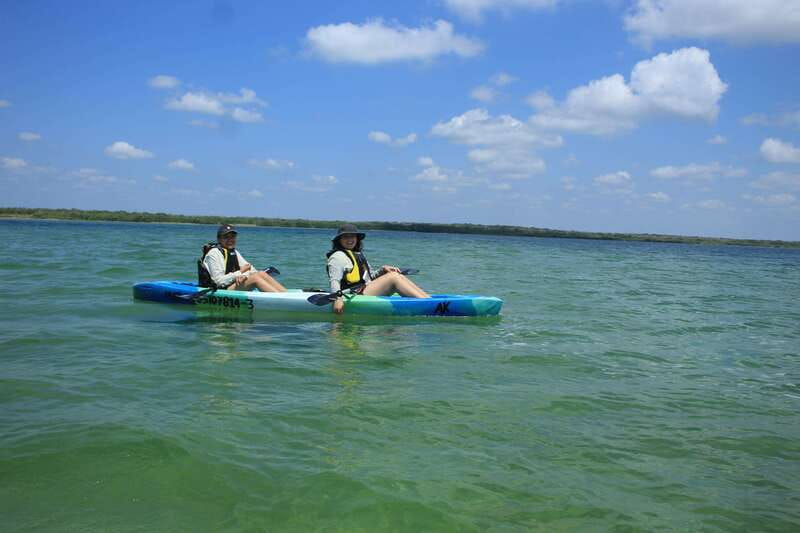
What makes this tour special is the feeling of moving slowly through a real working ecosystem. The water in Sian Ka’an’s lagoons can be calm enough that most people focus more on balance and watching than on “doing exercise.” And because you’re on a kayak, you glide close to the mangroves and water edges where birds hang out.
You also get something that many Tulum activities don’t: a sense of place that’s bigger than the coast strip. You’re in the Sian Ka’an Biosphere Reserve area, where wetlands, lagoons, and channel waterways shape everything—light, wind, wildlife, and even how the day flows.
The Mayan connection is not just a story on a sign. You paddle along waterways tied to ancient commerce and exchange, and you pass the kinds of places where a society that depended on water would build routes and manage them. From the kayak, it clicks fast.
You can also read our reviews of more tours and experiences in Tulum.
Getting there from Tulum: the van ride sets the day’s pace
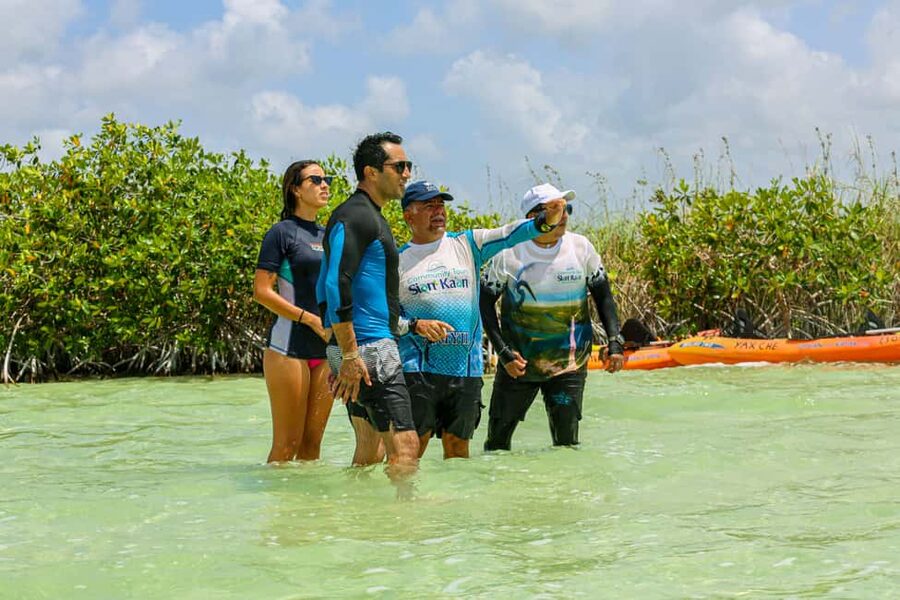
This is an early-morning plan. You’re picked up in Tulum (downtown or the Hotel Zone) and transferred by van, with the drive taking about 70 minutes. Your exact pickup time is confirmed when you book, and service runs daily with starting times between 7:00 a.m. and 1:00 p.m.
That long-ish ride matters for expectations. This tour is built around the reserve experience and the meals at the cooperative, not around a “grab-and-go” schedule. If you hate mornings, you’ll feel it—because you’re starting before the sun is fully awake. If you love getting out before the crowds, you’ll enjoy that early start a lot.
There’s also an express security check mentioned with the experience. It helps keep things from dragging too much before you reach the palapa area.
Breakfast first: what a Mayan palapa meal does for you
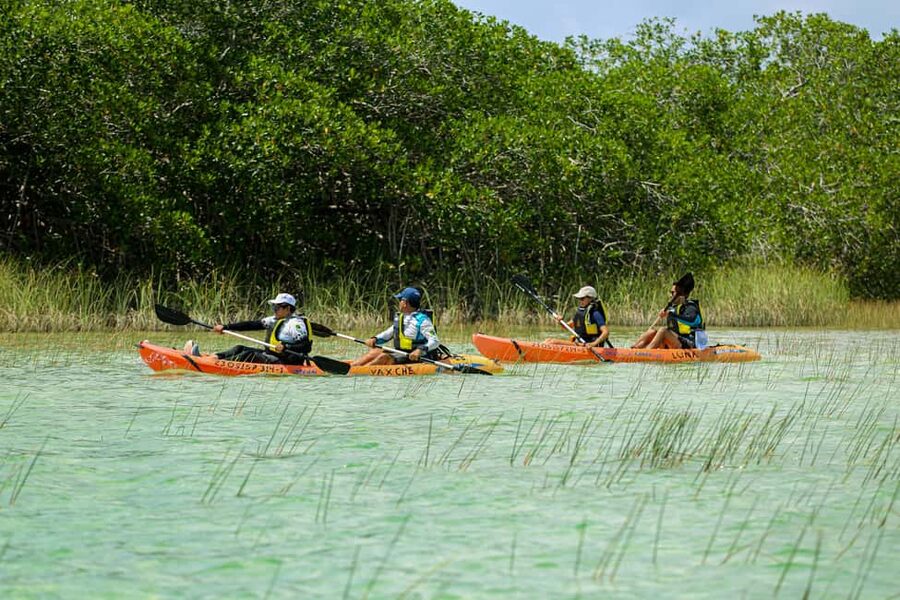
Before you paddle, you eat. Breakfast is about 30 minutes, served at the cooperative’s palapa at Sian Ka’an. This is traditional Mayan cuisine prepared by native Mayan people using fresh local ingredients.
I like this approach because it solves a real problem: kayaking plus wetlands heat plus sunlight can wear you down. Eating first means you’re not trying to paddle while your body is playing catch-up. Plus, you’re eating in the same place that represents the community side of the trip, not in some generic tourist cafeteria.
What you eat isn’t described in full detail here, but the main point is consistency: breakfast is included, it’s Mayan-style, and it’s timed so you can hit the water without feeling rushed.
Kayaking at Laguna de Muyil: ecosystems, birds, and the real pace
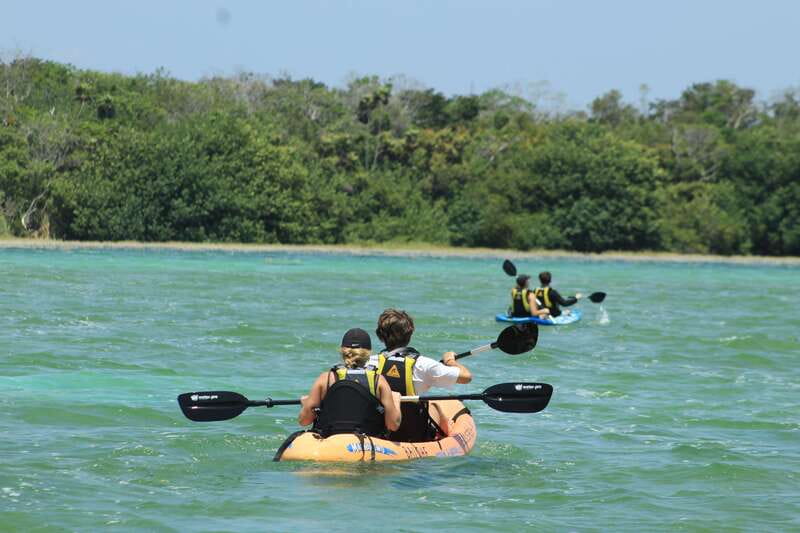
The kayaking time is about 3.83 hours during the morning segment, primarily around Laguna de Muyil. This is where your day becomes mostly about stillness, steering, and wildlife watching.
Expect wetlands scenery with mangroves and a calm-water rhythm. Your guide explains vegetation and fauna as you go, and you’ll learn how the ecosystems connect. This isn’t just “point and name a plant.” It’s more like: why this mangrove matters, how the lagoon supports birds, where animals feed, and what seasons can change.
Bird watching is a major part of the experience. You’ll be looking out for native and migratory water birds like osprey, herons, and egrets. In practice, bird-spotting changes with wind direction and time of day, so the early start can pay off.
And yes—sometimes there’s bigger wildlife. The experience description mentions the occasional crocodile basking in the sun, and you might see small signs of wildlife even when animals don’t show themselves clearly.
One practical note: kayaking isn’t always equal-to-fitness. The paddle can be relaxed for stretches, but you still have to steer and keep your rhythm. This is why the tour includes life jackets and why the operator stresses bringing proper sun protection and clothing.
What if the wind rises?
A potential snag is weather. Even in a “calm water” reserve, winds can stir up waves in certain areas. If wind is up, the route can change, and some groups have had parts of the kayaking adjusted or turned back. That’s not a “refund problem” type of situation—it’s a nature problem. So I’d mentally frame this as a wildlife-and-water day, not a guaranteed route-following day.
The Mayan channel connection: why a kayak beats a boat
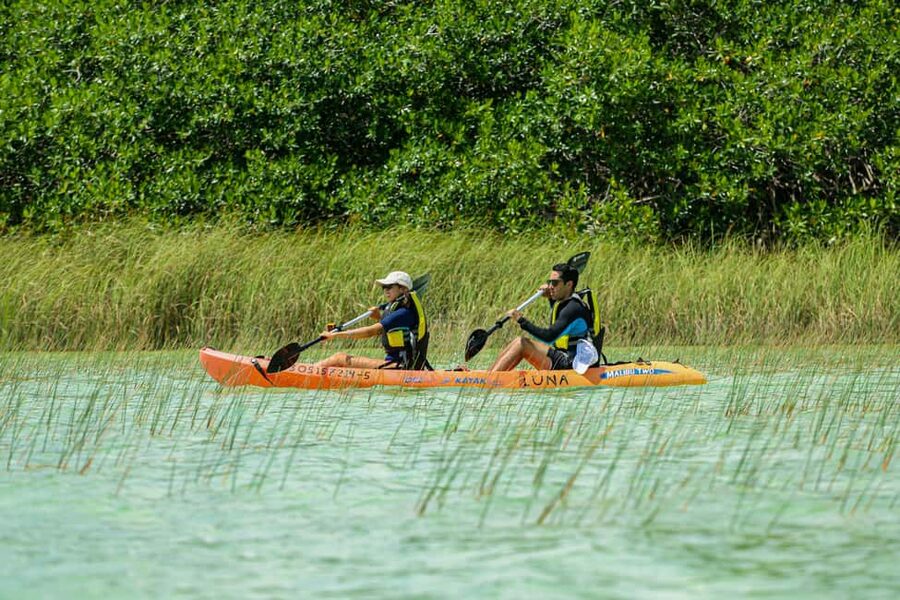
Here’s the quiet advantage of paddling: you can get close to the waterline. Mangroves and channel edges are where birds feed and where the wildlife tends to hang out. From a kayak, you’re lower to the water and slower in a way that makes animals less likely to bolt.
You’ll also get to experience the handcrafted Mayan canal connecting lagoons—the kind of water link that would have mattered for trade and movement. On land, it can be hard to understand how these routes work. From the kayak, you feel the “why” immediately: narrow channels, changing water depth, and how travel would follow natural pathways.
You’ll hear the history and context from your local guide while you’re moving through it, which makes the story stick. It turns “ancient Mayan trade routes” from a phrase into a map you can read with your paddle.
Lunch at Chunyaxché: a real Mayan meal after the paddle
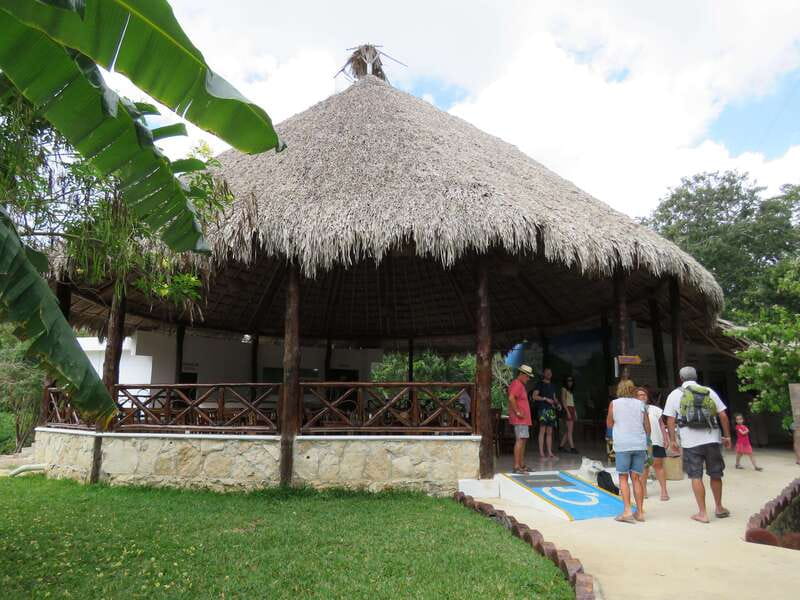
After the main paddling stretch, you head back toward land for lunch at Chunyaxché. Lunch is about 30 minutes, again Mayan cuisine prepared by native Mayan people.
The food is one of the standout value points of the day. People have highlighted fish dishes as a highlight, including fish served with strong flavor and even hints of banana-leaf style cooking. Even if you’re not a “food tourist,” this is one of those times where the included meal feels like part of the program, not filler.
This is also where you can cool down and reset before the return transfer. If you plan to buy souvenirs or small snacks later, don’t overdo it now—lunch is included and it tends to be satisfying.
The return ride: plan for heat, not traffic
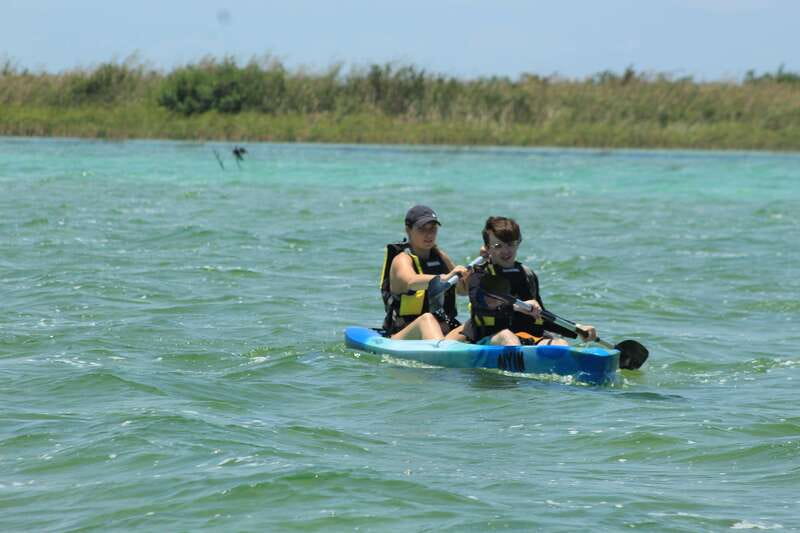
Once lunch ends, the van ride back to Tulum takes about 30 minutes. The whole experience runs around 4.5 hours total.
This timing is a plus because you’re not giving up your entire day. But don’t treat it like a quick excursion either. You’re in the sun for an extended portion of the morning, and the operator notes that you should expect about 3 hours in the sun on average.
So plan your post-tour time the same way you’d plan after a day at the beach: hydration, shade, and a slow walk back to your room.
Price and added costs: is $109 a fair deal?
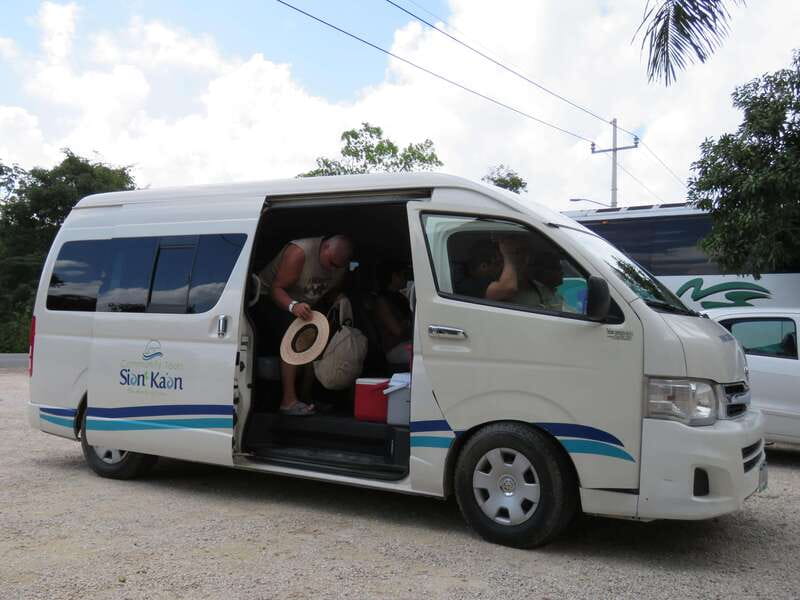
The listed price is $109 per person, and that’s where you should look closely at what you’re getting.
Included in that price:
- A local specialist guide
- Transportation from Tulum (downtown and/or Hotel Zone)
- Kayak equipment and life jacket
- Breakfast and lunch, both Mayan cuisine prepared by native Mayan people
- Bird-spotting focus and wildlife viewing time
On top of that, there’s a mandatory federal reserve entry fee: MX$218 per person (about US$12), collected by CONANP at the cooperative’s palapa by card or cash. It’s separate from the tour price, and it supports conservation.
When you add it up, the all-in cost lands closer to the low $120 range. For that, you’re paying for guide time, equipment, van transport, and two included meals in a reserve-area setting. Compared with “just paddle” tours elsewhere, this one stacks more value into the morning.
My take: it’s a good price if you want the full day package—water time plus interpretation plus meals. If you only care about a short paddle and could be happy with a quick boat ride, then you might feel the meal portions take time. But the meal and community component are also part of why this tour runs the way it does.
What to bring (so you don’t suffer in the name of wildlife)
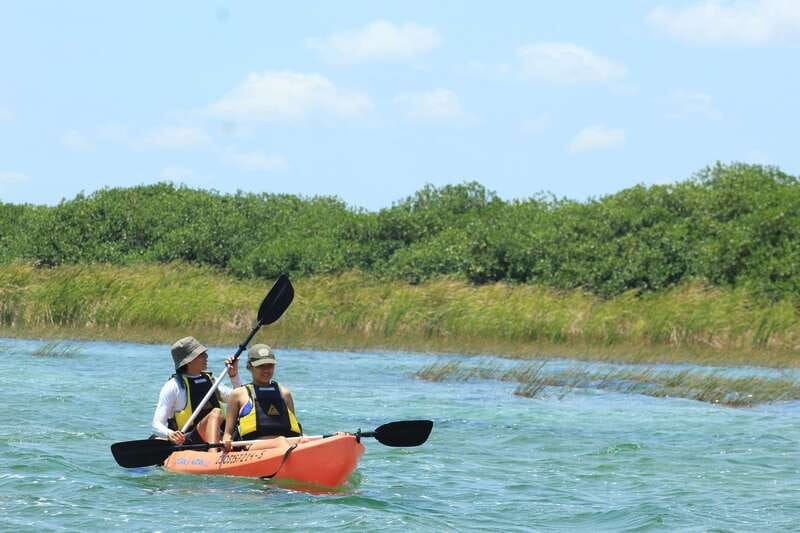
This is a sun-heavy, wet-on-the-edges type of outing. The operator is very clear about what helps.
Bring:
- A sun hat and sunglasses
- Long-sleeved shirt (light fabric) and comfortable clothes
- Sunscreen and prefer biodegradable sunscreen (the operator says to apply it about one hour before starting)
- Insect repellent, ideally biodegradable insect repellent
- Change of clothes, towel, and sandals/flip-flops
- A reusable water bottle and cash (useful for the federal fee if you don’t pay by card on site)
- Camera and a charged smartphone (you’ll likely want photos)
Also pack smart: you’ll want a daypack. You’re on and around water, so you don’t want gear floating around in your pockets.
Not allowed items include things like drones, weapons/sharp objects, and various kinds of bulky or restricted gear. The bigger theme is safety and low-impact rules. If you show up with a messy “beach everything” loadout, you’ll lose time.
Who should book, and who should skip this paddle
This isn’t for everyone. The operator lists it as not suitable for:
- Children under 10 (and it also lists children under 11 in the not suitable section)
- Pregnant women
- People with back problems, heart problems, epilepsy
- People with mobility impairments and wheelchair users
- People over certain weight limits and older ages (the info is specific)
- People over the stated age/weight thresholds
- Babies under 1 year
They also say the tour includes a little physical effort and you’ll be in the sun. That means you don’t need to be an athlete, but you do need to feel okay with paddling, warm weather, and getting on/off equipment.
If you’re an average adult who can handle an easy-to-moderate paddle and sun exposure, this is the right fit. If you’re seeking a mostly sedentary wildlife viewing day with no sun time, you may want another style of tour.
Should you book this Sian Ka’an kayak tour?
If you want calm water, birds, and a Mayan connection that feels practical instead of staged, I’d book it. The included breakfast + lunch and the focus on low-impact nature learning make the morning feel like it has a purpose.
I’d think twice if:
- You’re very sensitive to heat and long sun exposure
- Wind changes worry you and you need a perfectly predictable route
- You’re only in it for the paddling and don’t want the time spent on meals and transfers
If you fit the sweet spot—curious, okay with sun, and excited by mangroves and birdlife—this is a strong choice for a half-day out of Tulum.
FAQ
How long is the tour, and how much time is on the kayak?
The total experience is about 4.5 hours. The main kayaking segment is about 3.83 hours around Laguna de Muyil.
Where do you get picked up, and how long is the van ride?
Pickup is from Tulum (downtown and/or Hotel Zone). The van ride to the reserve area is about 70 minutes, and the return ride is about 30 minutes.
What meals are included during the experience?
You get a traditional Mayan breakfast before the kayaking and a traditional Mayan lunch at the end. Both are prepared by native Mayan people.
Do I need to pay an entry fee for Sian Ka’an Biosphere Reserve?
Yes. There is a mandatory federal entry fee of MX$218 per person (about US$12). It’s collected at the cooperative’s palapa by card or cash and is not retained by the tour operator.
What’s the best way to pack for the tour?
Bring comfortable shoes, sunglasses, a sun hat, long-sleeved clothing, a towel, change of clothes, a reusable water bottle, sunscreen (biodegradable is recommended), insect repellent (biodegradable is recommended), and cash.
Is this tour okay for kids?
The operator lists that it is not suitable for children under 10 years old, and it also lists children under 11 years in the not suitable section.