REVIEW · VANCOUVER ISLAND
Vancouver Island: Half-Day Kayak Tour from Telegraph Cove
Book on Viator →Operated by North Island Kayak · Bookable on Viator
Wildlife sightings start with a paddle. This half-day sea kayaking trip from Telegraph Cove turns Johnstone Strait into your classroom, with guides positioning you for bald eagles, seals, and porpoises. I also love the included dry bags and full kayaking gear, which makes it easy to show up and get moving.
One consideration: snacks and bottled water aren’t included, and wildlife can be quiet on some days, so go for the full nature experience, not just a whale checklist.
In This Review
- Key highlights worth knowing
- Telegraph Cove and Johnstone Strait: why this area works for sea kayaking
- The half-day paddle plan: what happens on the water in ~5 hours
- Equipment, dry bags, and what you should pack (and what you can skip)
- Wildlife spotting that feels respectful, not staged
- Paddling comfort: seating, pedals, and why it matters on a half-day
- Price and value: is $128.87 a fair deal for 5 hours?
- Morning vs afternoon: choosing the time that fits your comfort
- Who should book this trip, and who might want a different option
- Should you book Vancouver Island’s half-day kayak from Telegraph Cove?
- FAQ
- How long is the Vancouver Island half-day kayak tour from Telegraph Cove?
- Is morning or afternoon kayaking available?
- What’s included in the tour price?
- Are snacks or bottled water provided?
- Where does the tour start and end?
- What wildlife might I see?
- What’s the group size limit?
- What happens if weather is poor?
Key highlights worth knowing
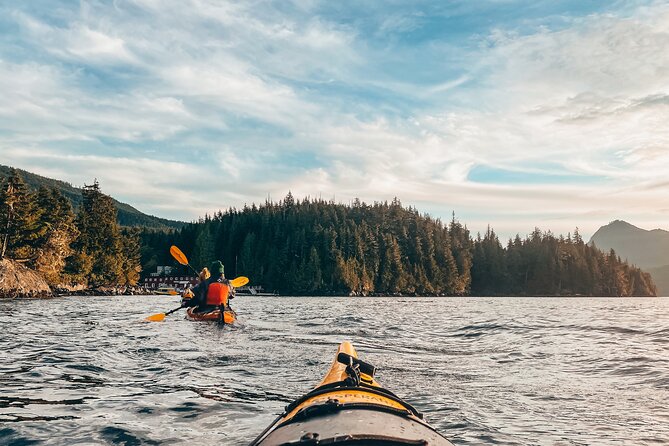
- Johnstone Strait wildlife focus: Your guide keeps you in the right spots as long as conditions allow
- Morning or afternoon flexibility: Pick the time window that fits your day on Vancouver Island
- Shallow-to-deeper-water route: Rugged shallows and intertidal habitats, then deeper areas for more sightings
- Gear and dry bags included: Less packing stress, more time readying for the water
- Small group size (up to 12): Easier for your guide to watch everyone closely
Telegraph Cove and Johnstone Strait: why this area works for sea kayaking
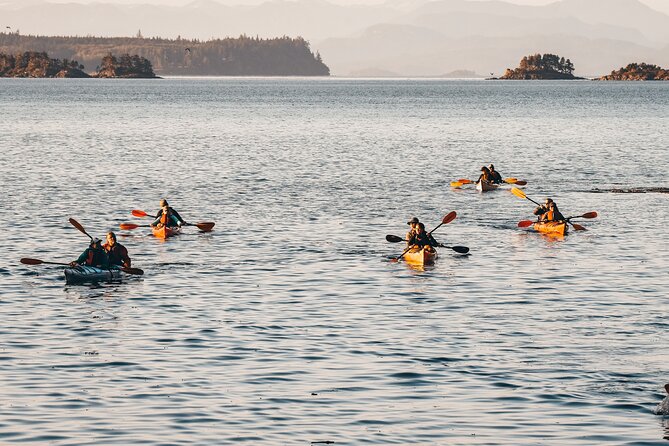
Telegraph Cove is a smart base if you want a West Coast kayaking experience that feels wild but still guided. From here, you’re in the Johnstone Strait region, where marine life often hangs out and where the coastline shapes the water in interesting ways. That matters because kayaking is not just about being on the water. It’s about moving through the habitat while your guide reads what’s happening.
What I like about the approach here is that it’s non-intrusive sea kayaking. In plain terms, your guide’s job is to put you in position for wildlife encounters without chasing or crowding animals. That means you’re more likely to get calm, watchable moments rather than frantic glimpses.
This trip is also built for real variety within a short window. You typically spend time exploring islands, remote beaches, and the rugged coastal shallows off Vancouver Island. You’re not confined to one kind of coastline, so the half-day doesn’t feel like a single-note paddle.
And yes, the famous part is wildlife. But the less obvious win is nature interpretation along the way, including what you’re looking at in the water and along the shore. Your guide’s whole plan is to make the scenery and the animal behavior “click” as you go.
The half-day paddle plan: what happens on the water in ~5 hours
You choose either a morning or afternoon adventure, so the trip can fit around other island plans. The total time is about five hours, which is long enough to feel like an outing, not a quick dip and dash.
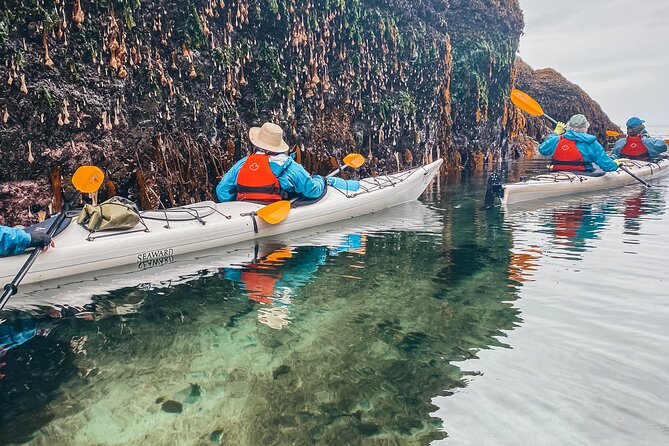
A typical route heads east toward the Blinkhorn Peninsula. That’s not just a directional detail. It shapes your experience because it’s where you can sit over shallow underwater habitats, including areas that act like living neighborhoods for intertidal creatures. You get a chance to notice the weird and wonderful life in and around those shallow zones, even when the big animals are out of view.
From there, you move into deeper water. This is when the experience often shifts from “watch the habitat” to “watch the visitors.” The trip description specifically points to wildlife like bald eagles fishing, seals sunbathing, and porpoises moving calmly through the area. In other words, you’re not only scanning for animals. You’re learning what to watch for and why those animals are showing up where they are.
One practical benefit of this structure: you’re not stuck paddling at a constant grind the whole time. The guide’s wildlife-spotting plan means you’ll have time to pause, look, and adjust your attention as the day changes. Even when wildlife is light, the habitat variety and coastline stops keep the paddle feeling meaningful.
Equipment, dry bags, and what you should pack (and what you can skip)
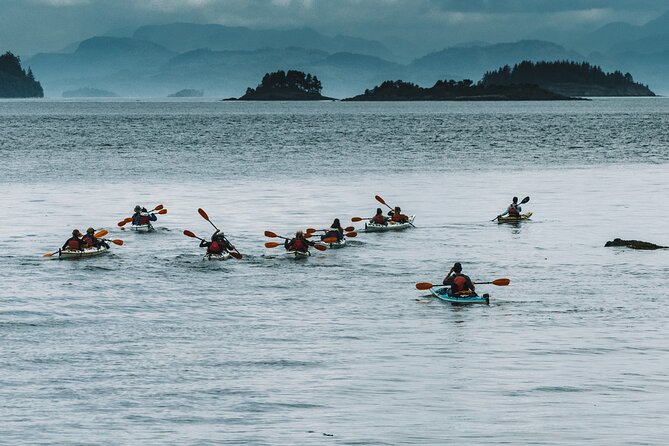
The trip includes kayaking equipment plus complimentary dry bags to keep your belongings safe. That’s a big value point because sea kayaking gear can be expensive and annoying to rent at the last minute. Here, you can show up and focus on the experience instead of logistics.
Because dry bags are provided, you have an easy way to bring a phone or camera without turning your day into a water-protection project. Just remember that “dry” bags aren’t magic. If you keep things fully closed and organized, you’ll be in good shape.
What’s not included is the simple stuff: snacks and bottled water. I’d treat that as a cue to plan ahead, especially since you’re out on open water for about five hours. Packing a snack and a drink costs little compared with the overall price, and it keeps your energy steady while you’re waiting for wildlife moments.
Clothing matters here because the area can bring rain and cold. One review mentioned that even with rainy weather, the group took breaks and had time to put on warmer clothes when they got cold. That’s reassuring, but it also tells me you should bring layers you can add quickly. If you’ll only bring one thin layer, you’ll feel it.
If you’re trying to travel light, prioritize quick-dry layers and a warm top you can throw on during breaks. The tour gear covers paddling; you still own comfort on the water.
Wildlife spotting that feels respectful, not staged
The best part of this trip, in my eyes, is how the guides run wildlife time. The description says your guide will keep you in the appropriate wildlife-spotting locations as long as possible. Reviews back up that this is more than a generic promise.
You’re likely to see a range of marine and coastal animals. The core expectation includes bald eagles fishing, seals resting, and porpoises cruising by. That’s a strong baseline because those sightings often happen without needing rare luck.
Then there are the bonus encounters. Reviews mention humpback whales, harbor porpoise, seals, sea lions, and even sea otters. One person specifically called out a sea otter named Fred, which is the kind of detail that tells me your guide pays attention to individual behavior and local patterns, not just species lists.
Orcas come up too, including reports of orcas from the kayaks. That doesn’t mean every trip gets them, but it does mean the region can deliver dramatic sightings. The important point is the guide’s role: they navigate routes that keep you at a safe distance and make the most of what’s available without forcing it.
There’s also an intertidal angle that’s easy to miss on typical wildlife tours. The route includes sitting over shallow underwater habitats where you can observe intertidal creatures. So even on a day when large whales don’t show, you’re still learning and looking at the ocean as a living system.
Paddling comfort: seating, pedals, and why it matters on a half-day
Sea kayaking is physical, but it’s not only about strength. It’s about fit and comfort. One reviewer shared a useful tip about seat position and rudder pedal fit, especially if you’re in the rear seat. The idea is simple: if the rudder pedals don’t fit correctly, steering can feel harder than it should.
Their advice was practical: adjust the fit if possible, and if things aren’t working for your body, consider switching to the front seat so the shorter person can sit in the rear seat. That might sound like a small detail, but on five hours of paddling, comfort is the difference between a fun day and a tense one.
Also consider kayak setup. One review mentioned using a double kayak, so you might paddle with a partner depending on how the operator assigns equipment that day. If you’re with someone, you’ll want to communicate early and follow the guide’s instructions so paddling stays smooth.
Finally, the trip is designed to be approachable. The description calls it comfortable and suitable as an introductory sea kayaking experience. That generally means you’re not being asked to master advanced strokes or deal with constant technical chaos. You’re learning as you go while still covering real coastline.
Price and value: is $128.87 a fair deal for 5 hours?
At $128.87 per person, this half-day isn’t a budget activity. But it also isn’t a “pay for nothing” experience. The value comes from a stack of included items and a guided wildlife plan, all in a small group.
Here’s what you’re getting for the money:
- Full kayaking equipment included
- Dry bags included
- Professional guide interpretation and wildlife-spotting
- A focused route that includes shallow habitats and deeper-water viewing time
- Small group size (maximum 12), which matters for safety and attention
If you’ve ever tried to piece together sea kayaking on your own, you know the rentals and the planning costs add up fast. You’d also be missing the local read on where wildlife appears and how to watch without disturbing animals. That’s the key value factor here: it’s not just “sit in a kayak.” It’s “sit in a kayak with someone who knows what you’re looking for and where to look next.”
Wildlife is never guaranteed. One review noted a quieter day without whales or orca, but it still felt worth the time and cost because the guide made the outing enjoyable and respectful. That’s the standard you should aim for: even without the headline animal, you’re still getting an excellent water-and-nature experience.
Morning vs afternoon: choosing the time that fits your comfort
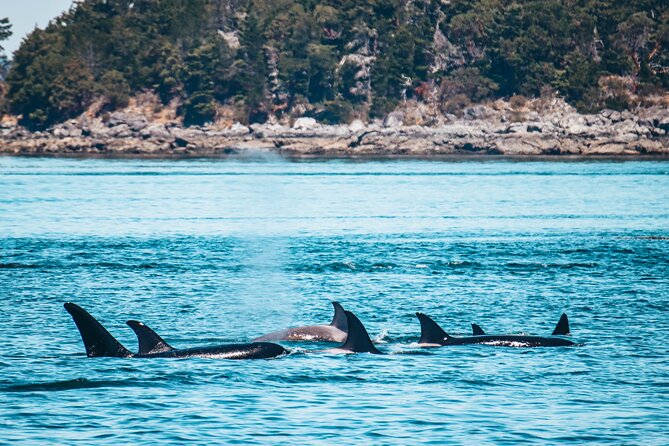
You can pick either a morning or afternoon tour, which is more than scheduling flexibility. It helps you manage your overall energy on the island. If you want to maximize daylight for photos and wildlife spotting, you’ll likely lean toward the time that matches your day’s weather and plans.
Cold and rain are the main enemies in this region. One review described rainy weather, with the group taking breaks and getting time to put on warmer clothes. That tells me the tour can adapt to conditions, but you should still dress like the water will change the temperature fast.
My rule: dress for getting wet and for wind chill. Even if you think you’ll be fine in one jacket, bring something warmer you can add during stops. The kayaking part is active, but the viewing part can slow down, and that’s when cool air hits.
If you’re the kind of person who hates early wake-ups, don’t force yourself. Choose the slot that lets you arrive calm. A relaxed start makes paddling and listening to wildlife tips easier.
Who should book this trip, and who might want a different option
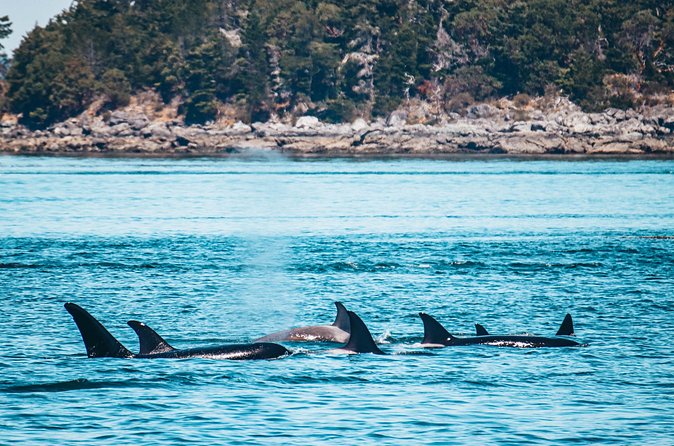
This is a good fit if you want an approachable introduction to sea kayaking in a place where wildlife is part of the point. The trip is designed so most travelers can participate, and the guides aim for a comfortable, guided pace.
Book it if:
- You want a half-day that’s active but not overwhelming
- You like wildlife viewing that’s guided and non-intrusive
- You’d rather learn what you’re seeing than just follow a route
- You value included gear and dry bags
You might think twice if:
- You only care about a specific whale or orca sighting. Wildlife is wild, and some days are quieter.
- You get uncomfortable in cool, wet conditions without time to layer up. The tour can pause, but you still need to come prepared.
The sweet spot is curiosity. If you love the idea of shallow-water habitats, coastal shallows, bald eagles fishing, and long calm animal sightings, you’ll feel at home.
Should you book Vancouver Island’s half-day kayak from Telegraph Cove?
If your ideal day sounds like guided paddling through remote coastline, with frequent wildlife scanning and a route that includes both shallow habitat time and deeper-water viewing, then yes, I’d book it. The included gear and dry bags remove a lot of friction, and the guide-led wildlife strategy gives you the best odds of satisfying sightings even when conditions aren’t perfect.
I’d also book it if you care about doing wildlife watching the right way. The plan is explicitly non-intrusive, and reviews highlight guides like Bree, Jane, Ashton, Georgia, and others for safety focus and respectful wildlife viewing.
Skip only if you’re chasing one guaranteed headline animal. This tour delivers nature, animals, and interpretation in a small-group format. On many days, it also delivers the big moments, but the real win is how the whole outing feels from first paddle to last return to Telegraph Cove.
FAQ
How long is the Vancouver Island half-day kayak tour from Telegraph Cove?
It’s about 5 hours.
Is morning or afternoon kayaking available?
Yes. You can choose either a morning or afternoon kayaking adventure.
What’s included in the tour price?
Kayaking equipment and complimentary dry bags are included.
Are snacks or bottled water provided?
No. Snacks and bottled water are not included.
Where does the tour start and end?
It starts at Telegraph Cove and ends back at the same meeting point.
What wildlife might I see?
The trip description highlights bald eagles fishing, seals sunbathing, and porpoises. Reviews also mention sightings like humpback whales, orcas, and sea otters.
What’s the group size limit?
The maximum group size is 12 travelers.
What happens if weather is poor?
This experience requires good weather. If it’s canceled due to poor weather, you’ll be offered a different date or a full refund.