REVIEW · COROMANDEL PENINSULA
Whangamata: Donut Island Guided Kayaking Experience
Book on GetYourGuide →Operated by Surfsup Kayaks Ltd · Bookable on GetYourGuide
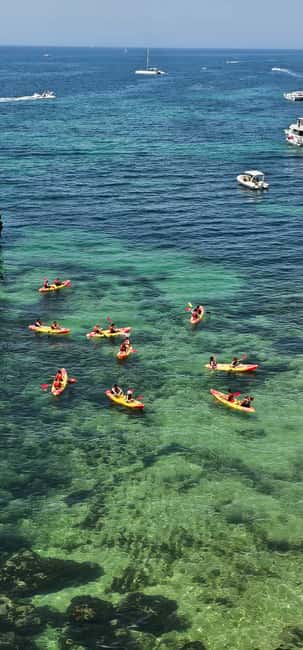
Donut Island feels surreal up close. This 2-hour guided kayaking trip from Whangamata takes you 600m offshore into a wildlife sanctuary around Donut Island, where you’ll paddle past volcanic cliff rock and into a turquoise lagoon that feels otherworldly. You’ll do it with an experienced local team, and you may even see how guides like Dylan and Adam keep the group moving smoothly when conditions get spicy.
I love the small-group feel (max 8 people), because it means you get real help with your kayak setup and stroke, not just a quick briefing and off you go. I also love the mix of scenery and local flavor, including mentions of stops like kawakawa tea, plus plenty of time to relax and swim when the water allows.
One drawback to plan for: access depends on wind and swell, and the narrow entrance to Donut Island can close when conditions are rough. In those cases, you may miss the inside lagoon and switch to an alternative beach stop instead, which changes the exact look of the experience.
In This Review
- Key highlights you should care about
- Whangamata to Donut Island: why this short paddle feels like a full day
- The wildlife sanctuary mindset: you’re not just sightseeing
- The 2-hour rhythm: what happens from start to finish
- Entering the lagoon: volcanic rock, turquoise water, and the swell factor
- Swims when you please: how to handle the fun without losing your nerve
- Gear and comfort: wetsuit, dry bag, and what to bring anyway
- Guides on this route: safety coaching plus local stories
- Price and value at $62: what you’re really paying for
- Who this is for (and who should skip it)
- My decision guide: should you book this Donut Island kayaking tour?
- FAQ
- How long is the Whangamata Donut Island guided kayaking tour?
- Where is the meeting point in Whangamata?
- What’s included in the price?
- Do I need to bring swimwear and sunscreen?
- Can you always kayak into Donut Island?
- Is there time to swim?
- Who should not book this activity?
Key highlights you should care about
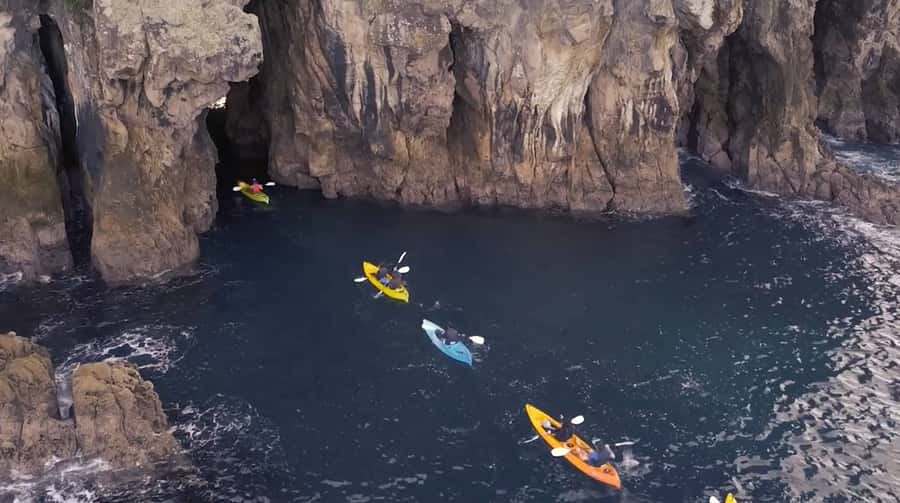
- Narrow entrance reality check: only kayaks or paddleboards can squeeze through, and swell can stop access
- Wildlife sanctuary focus: the trip is built around respectful behavior in a protected area
- Volcanic rock, thousands of years old: dramatic formations are part of the main route, not just a backdrop
- Swim breaks are part of the deal: if conditions allow, you can hop in when you want
- Local tea moments: several guides (including Mauro and Molly) add small local touches like kawakawa tea
Whangamata to Donut Island: why this short paddle feels like a full day
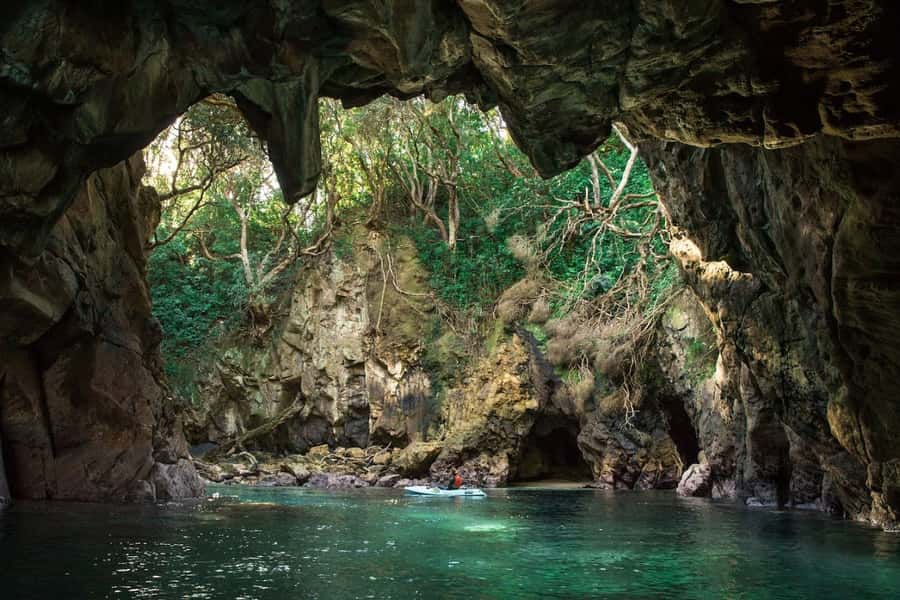
Donut Island is famous for a reason. Even before you’re in the lagoon, the route from Whangamata gives you a sense of place: coastal inlets, native bush scenery along the water edge, and volcanic rock formations that tell a long geological story.
The biggest reason the 2 hours works so well is pacing. You’re not spending half the day “getting there.” You’re starting close to town, heading offshore around 600m, and then using the best window of conditions to experience Donut Island’s protected waters. That makes it a smart choice when you want something special without committing to an all-day outing.
And the vibe is very much “on the water with a guide,” not a free-for-all. In feedback, guides such as Dylan, Dakota, Hannah, Mauro, Francois, and Molly show up repeatedly for a reason: they help people feel confident, manage safety, and keep the tour fun rather than stiff.
The wildlife sanctuary mindset: you’re not just sightseeing
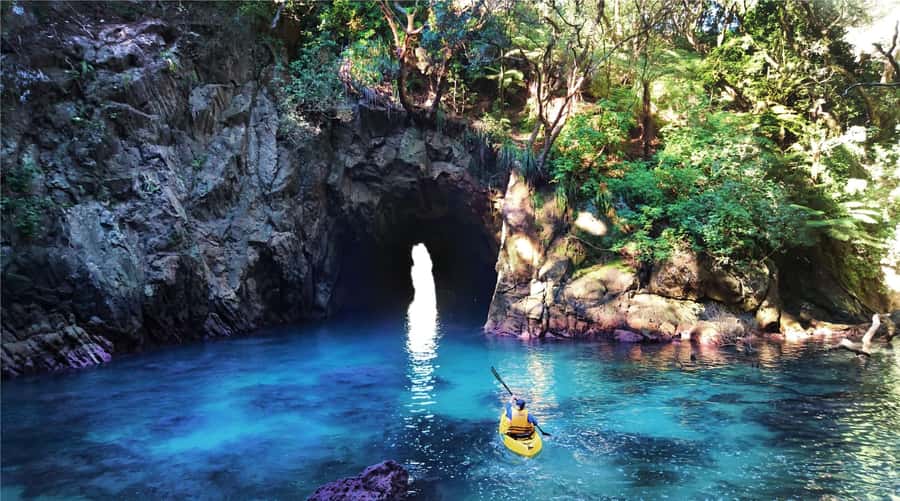
This isn’t treated like an ordinary viewpoint stop. Donut Island and its neighboring islands are part of a wildlife sanctuary, and your tour is framed around being a good guest—watchful, respectful, and not acting like you own the place.
What that means for you on the water:
- You’ll be guided on how to move through the area calmly.
- You’ll spend time in a sheltered lagoon environment where wildlife and native plants are part of the scenery.
- You’ll likely hear conservation-minded context during the paddle, which helps the whole experience feel purposeful, not random.
I like this approach because it changes how you notice things. When you understand the sanctuary rules and why access can be limited by wind and swell, the tour feels more grounded. You’re there for the ecosystem first, and the photos second.
The 2-hour rhythm: what happens from start to finish
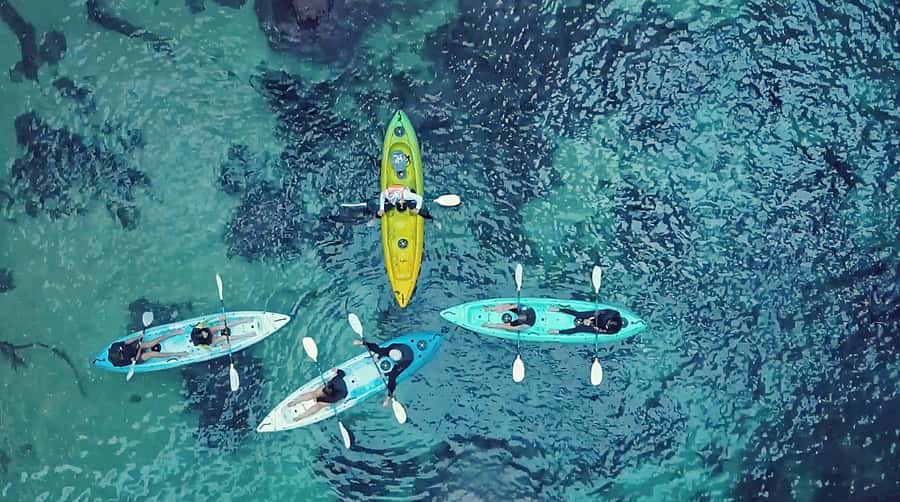
This tour is simple by design, and that’s a good thing. It’s built around a short kayaking run with enough time to enjoy the lagoon area without turning it into a grind.
Here’s the practical flow you can expect:
- Meet at 100 Pipi Rd, Whangamata and get your gear sorted.
- Get on the water for the offshore paddle—about 600m from the beach as you head toward the island group.
- Paddle through the sanctuary waters, aiming for Donut Island access when conditions allow.
- Spend time in the lagoon area (when you can enter) and enjoy a swim if the water is suitable.
- Head back to Whangamata with time to absorb the scenery and wrap up.
Even if the tour is only 2 hours, it doesn’t feel rushed because the guide role is active. People who were new to kayaking still describe the experience as doable, which usually means the guide is handling the early coaching, pacing, and safety checks so you don’t waste the whole session fighting your kayak.
Entering the lagoon: volcanic rock, turquoise water, and the swell factor
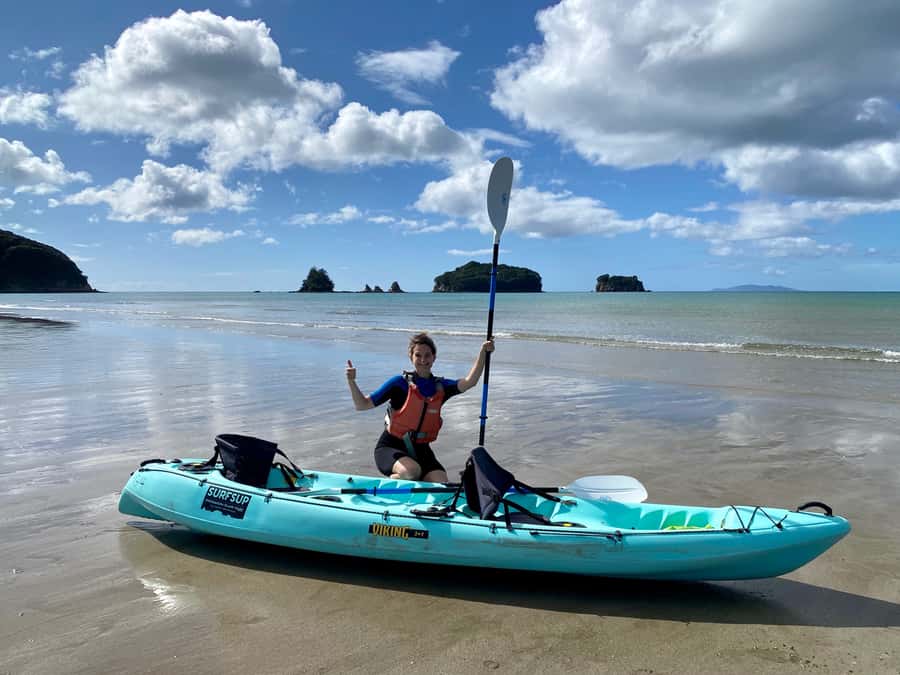
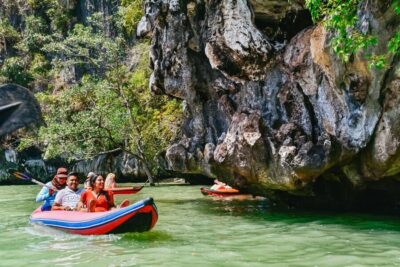
The star setting is Donut Island’s turquoise lagoon surrounded by native wildlife habitat and volcanic cliff rock. The formations are described as dating back thousands of years, and visually they come across as dramatic and solid—more like a real geologic structure than a decorative coastline.
But here’s the key detail you should respect: access is limited by swell and wind. The geography includes a narrow entrance, and only kayaks or paddleboards can get through that gap.
So what you should do mentally:
- Treat Donut Island access as the goal, not a promise.
- Know that if the water is rough, you may not be able to go inside the island lagoon.
- If that happens, you’re still kayaking in beautiful areas, but the exact “donut inside” moment may be replaced by another scenic beach stop.
This is where guides earn their keep. In one windy scenario, Dylan and Adam were praised for doing a great job under challenging conditions. In another case, the water was too rough to enter Donut Island, and an alternative island beach stop with kawakawa tea was described as worth it. That’s a sign the tour isn’t “abandon ship” if nature changes plans—it adapts.
Swims when you please: how to handle the fun without losing your nerve
One of the tour’s best perks is that you can go for a swim whenever you please—assuming the conditions are safe. The protected lagoon setting is the kind of place where a swim sounds like a vacation, not a risk.
Still, the tour is very clear that you need to take the safety side seriously. The information you’re given includes the risk of capsizing in deep water, plus rocks, waves, and wind.
My practical advice:
- If you’re a confident swimmer, you’ll still want to follow the guide’s cues and not overreach.
- If you’re less confident, treat the swim option as a bonus, not a requirement.
- Keep an extra conservative mindset on windy days, even if the water looks inviting.
Life jacket + wetsuit + local guide is a strong combination, but it’s not a magic shield. This is active water time, and your best experience comes when you keep your decisions calm.
Gear and comfort: wetsuit, dry bag, and what to bring anyway
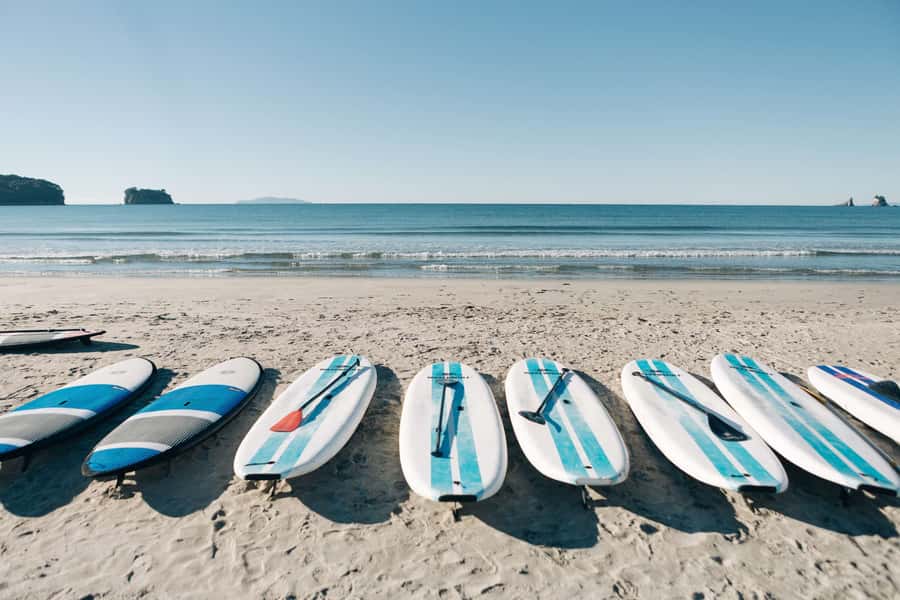
You’re provided with the core water setup: life jacket, dry bag, and a wetsuit, plus your kayak (or paddle setup) and a local guide. That takes a lot of hassle out of packing.
What to bring is just as important:
- hat
- swimwear
- sunscreen
- water
- beach towel
- a change of clothes
- beach sandals
The wetsuit helps with comfort, but the sun doesn’t stop just because you’re wearing neoprene. A hat and sunscreen make a big difference once you’re out on the water and stationary for any swim or photo break.
And bring a change of clothes. Even if you’re only in the water briefly, you’ll come back damp, salty, and ready for a warm towel and dry layers.
Guides on this route: safety coaching plus local stories
The guides are one of the strongest reasons this tour keeps scoring high. Names you’ll see in the feedback include Dylan, Adam, Dakota, Hannah, Mauro, Francois, Molly, Elliot, Bella, Jim, and Ben.
What I’m looking for in a kayaking guide is simple:
- They should help you paddle without making you feel clumsy.
- They should manage group energy so nobody takes big risks alone.
- They should explain what you’re seeing so you notice more than just cliffs and water.
That’s exactly what comes through in the descriptions. Guides are consistently credited with making people feel safe, with local knowledge about the islands and the environment, and with keeping the tour fun. Even first-timers are called out for finding it doable, which usually means the guide is good at early coaching and adjusting when conditions change.
Some people also mention learning about history connected to places like Whenuakura. Even when the main structure of the route stays focused on paddling and lagoon time, the guide stories add meaning and help you understand why certain parts of the water are special.
Price and value at $62: what you’re really paying for
At $62 per person for 2 hours, you’re paying for more than a kayak rental. You’re paying for:
- a local guide who handles safety and route choices
- sanctuary context and instruction, not just a paddle around
- provided equipment: life jacket, dry bag, and wetsuit
- a small group setting (max 8), which matters in active water sports
If you were to rent a kayak on your own, you’d still need gear, safety knowledge, and an understanding of the conditions around the island entrance. Here, the guide role is what helps transform the outing from “rental” into “experience.”
Also, the weather-dependent reality affects value in both directions. On days when conditions allow access into the lagoon, you’ll get the full iconic payoff. On rougher days, you may swap to an alternative beach stop while still getting a rewarding paddle and local touches like tea.
Who this is for (and who should skip it)
This tour fits best if you want:
- a short, guided kayaking experience rather than a half-day or full-day commitment
- dramatic volcanic coastline scenery with time in a lagoon
- active fun with the option to swim
- a small group and hands-on guidance, especially if you’re new to kayaking
It’s listed as not suitable for:
- pregnant women
- wheelchair users
- visually impaired people
- people over 275 lbs (125 kg)
It’s also clearly not a casual water activity. If you have health conditions, it’s smart to advise the provider ahead of time and think hard about your comfort in wind, waves, and deeper water.
My decision guide: should you book this Donut Island kayaking tour?
Book it if you want a high-reward outing in a limited time window. The combination of kayaking from Whangamata to a wildlife sanctuary lagoon, the volcanic rock scenery, and the provided gear (wetsuit, dry bag, life jacket) makes this feel like good value for $62.
Skip or reconsider if weather worries you. The tour is weather dependent, and the narrow entrance can close when wind and swell are up. If you’re prone to stress in choppy water, you may find the capsizing risk notice a little too loud for your comfort.
If you’re flexible, though, this is exactly the kind of place where guides earn their pay. People repeatedly highlight that even when conditions block the inside route, the tour still delivers with alternative stops, strong guidance, and local touches like kawakawa tea.
FAQ
How long is the Whangamata Donut Island guided kayaking tour?
The duration is 2 hours.
Where is the meeting point in Whangamata?
The meeting point is 100 Pipi Rd, Whangamata 3620, New Zealand.
What’s included in the price?
The tour includes kayak and paddle, a local guide, a life jacket, a dry bag, and a wetsuit.
Do I need to bring swimwear and sunscreen?
Yes. You should bring swimwear and sunscreen, plus a hat and water. You’ll also want a change of clothes and beach sandals if you plan to swim.
Can you always kayak into Donut Island?
Access is limited by swell and wind conditions. Because of the narrow entrance, the tour may not be able to enter Donut Island on rougher days.
Is there time to swim?
Yes. The tour notes that you can go for a swim whenever you please, as long as conditions are safe.
Who should not book this activity?
It’s not suitable for pregnant women, wheelchair users, visually impaired people, and people over 275 lbs (125 kg). The provider also asks you to advise them of any existing health problems.