REVIEW · MAUN
1 Day Okavango Delta Mokoro/Canoe Daytrip
Book on Viator →Operated by Kalahari Breeze Safaris · Bookable on Viator
The Okavango moves at canoe speed. This full-day mokoro trip from Maun feels special because you’re paddled through the wetlands by local polers from the village community trust, not just tour staff. I also love the small-group feel, which means more time for hands-on questions about the delta and the wildlife you see. The main consideration: in rain season (Nov–Apr) you’re not protected from the weather, and heavy rain can mean cancellation or rescheduling.
You’ll start early (pickup around 07:30), ride out to the NG32 Concession, then float gently downstream with your poler guiding the way. Lunch is on an island, followed by a nature walk, so it’s not only about being on the water—it’s also about slowing down and paying attention on foot. Animal sightings can be amazing (elephants, hippos, birds), but they’re never guaranteed, especially since this isn’t a fast vehicle safari that covers more ground.
In This Review
- Key things that make this day trip worth your time
- Mokoro time in the NG32 Concession: why this feels different
- Maun pickup at 7:30 and the drive to the delta: what to expect
- Meet your poler and glide the channels: the mokoro experience in plain terms
- Lunch on the island and the nature walk: where sightings can pop up
- Wildlife odds: elephants, hippos, birds, and why results vary
- Rain season reality in Botswana: pack for wet, not for comfort
- Time, group size, and physical effort: the hidden logistics that matter
- Price and value at $153: what you’re really paying for
- Who should book this mokoro day trip (and who might rethink it)
- Should you book the 1 Day Okavango Delta Mokoro/Canoe Daytrip from Maun?
- FAQ
- What time does the Okavango Delta mokoro day trip start?
- How long is the tour?
- What is included in the price?
- Are admission tickets included?
- How many people are in the group?
- What fitness level do I need?
- What happens if it rains heavily?
- Is insurance included?
Key things that make this day trip worth your time
- Local polers, rotation by community trust gives the tour a real connection to the delta villages
- Small group cap of 20 means fewer people in the canoe and more attention from your guide
- NG32 Concession is the focus, so you spend your time in the channels rather than rushing between stops
- Island picnic lunch + walking adds variety beyond the mokoro glide
- Early start from Maun (around 07:30) maximizes your time on the water when conditions are calmer
Mokoro time in the NG32 Concession: why this feels different
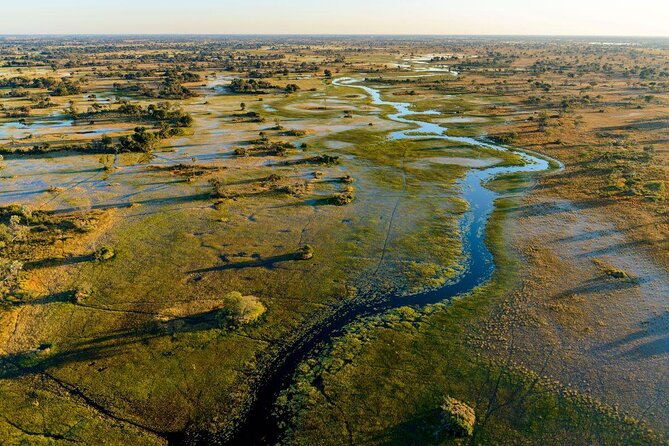
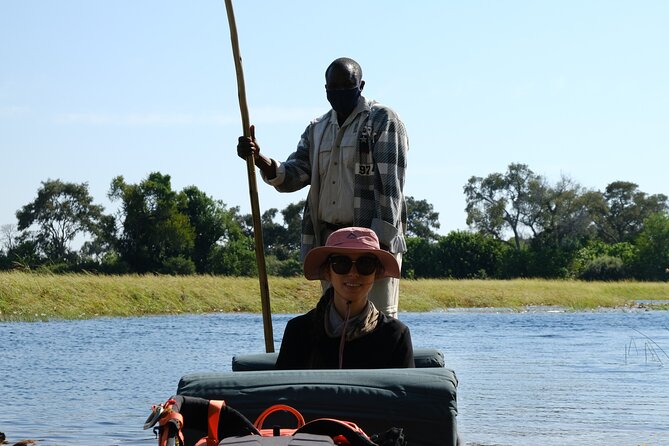
A mokoro day trip isn’t about speed. It’s about pace you can actually feel in your body. You drift along narrow channels at human scale, where sound carries and you notice small things—birds calling, ripples changing direction, and the way hippos or elephants can be close even when they’re not posing for photos.
What makes this one click is the way your poler is tied to the place. The polers are selected from the village community trust, allocated on a rotation basis, and they guide from deep familiarity—born and raised in the Okavango Delta. I like that this keeps the experience grounded in local knowledge instead of treating the delta like a generic backdrop.
It’s also a tour that balances “wildlife moments” with “slow nature.” If you want a relentless, vehicle-based game-drive schedule, you might feel the day is quieter than you expected. But if you enjoy calm wildlife watching and learning how people read the delta, this works well.
You can also read our reviews of more tours and experiences in Maun.
Maun pickup at 7:30 and the drive to the delta: what to expect
Plan on an early start. Pickup is usually around 07:30 from your Maun hotel, followed by a 45 minutes to 1 hour transfer to the NG32 Concession area.
That drive matters more than it sounds. The delta is not around the corner from Maun, and your first hints of wildlife may show up even before you reach the waterways. One person noted birds and animals on the way, which makes sense—you’re passing through an ecosystem that can be alive even before you launch.
Practical tip: if you get motion-sick, be prepared. The day runs on a tight schedule, and you’ll want to feel good when it’s time to climb in and out of the mokoro for your float and island walk.
Meet your poler and glide the channels: the mokoro experience in plain terms
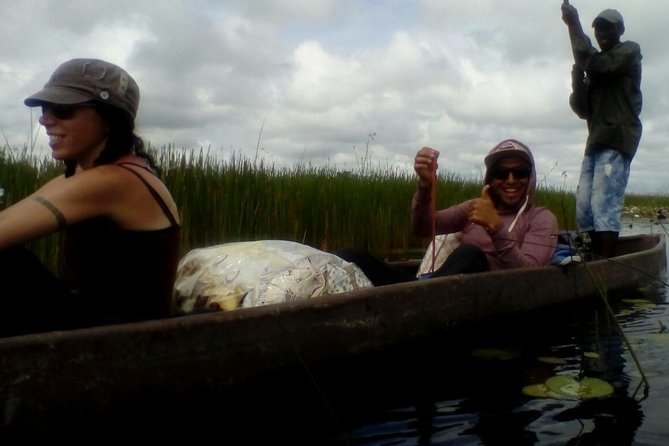
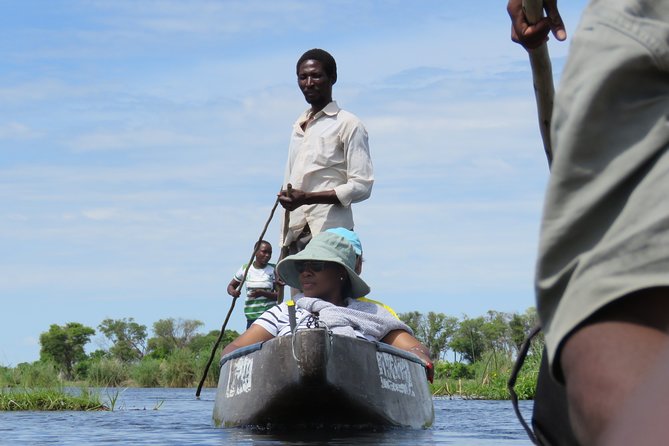
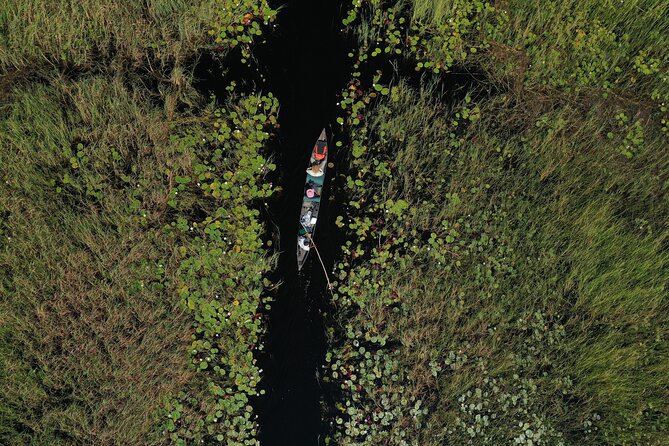
Once you arrive, you’ll be allocated a guide/poler (the person who poles the canoe). The mokoro itself is a one-tree canoe, and you’ll gently float downstream through the delta channels. The guide’s job isn’t only steering. It’s also explaining what you’re seeing—local tribes, wildlife, and how the delta works at water level you can actually understand.
This is where the small group advantage shows. With fewer people, your poler can slow down when something interesting appears and doesn’t need to keep everyone synchronized like in a bigger safari setup. In the field, that can mean you notice animals that might otherwise get missed.
From real feedback, certain guides clearly raise the experience. People have specifically mentioned polers such as Emmanuel, Epi, and Kenny for making them feel safe and comfortable, and for adding lots of interpretation while you’re on the water. If you’re lucky enough to be with one of these experienced polers, expect more than just a quiet float.
And yes, the mokoro can be peaceful. That peace is part of the point. One review called it relaxing and a great way to recover after a busy week—because the delta doesn’t rush you back.
Lunch on the island and the nature walk: where sightings can pop up
After several hours on the water, you’ll stop for lunch at an island. The meal is a picnic-style break in the bush—exactly what you want after canoe time. Bottled water is included, and soda/pop is included too, so you’re not stuck buying drinks while you try to enjoy the day.
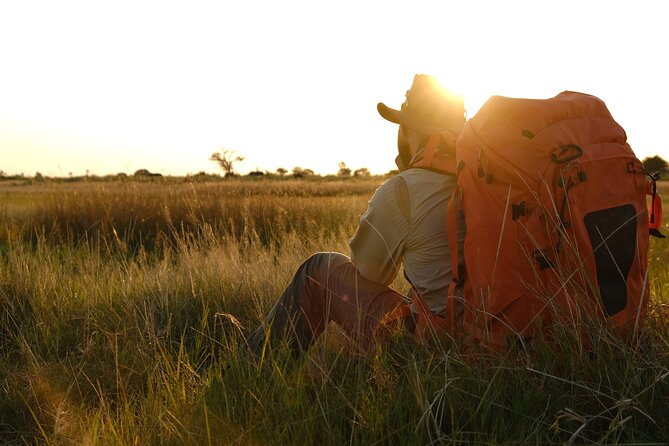
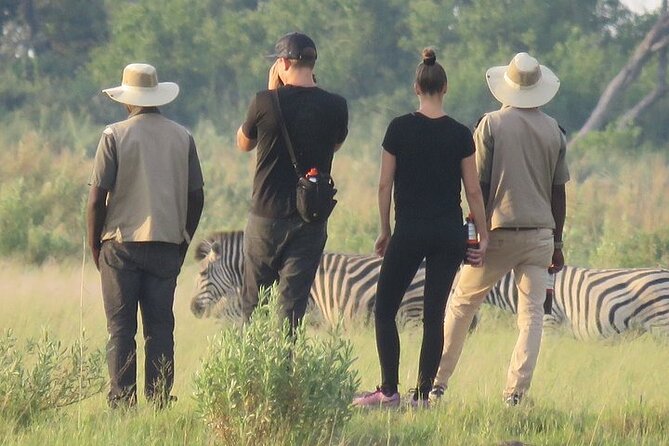
Then comes the nature walk. This is not a long trek, but it’s a meaningful change of pace. You’re out of the canoe, moving carefully and watching what’s around at ground level—where some animals show up more easily than they would in open water.
People have reported a giraffe passing while walking, and others have described seeing animals around the island area. Even hippos can be part of the story, though it may not always look like the classic hippo-in-the-water shot. One person noted hippos on land rather than in the water during their walk.
One extra note: lunch can vary in how it’s served. One review mentioned Nando’s-style chicken as part of lunch. If you’re sensitive about food style or portion size, keep expectations simple: you’re eating in the bush, and it’s practical more than gourmet.
Wildlife odds: elephants, hippos, birds, and why results vary
Let’s talk honestly about sightings. This day trip can be very wildlife-heavy, but it also depends on water conditions, animal movement, and luck.
The “high probability” wildlife theme is birds plus large mammals close to the channels. Across feedback, people reported sightings including elephants, zebras, wildebeests, impalas, baboons, crocodiles, and even hippos. One standout moment was hearing hippos calling out to each other, which can happen even when you’re not seeing them clearly at first.
Still, don’t book expecting guaranteed elephants every day. A quieter day can happen, especially because you’re moving slowly and not covering huge distances the way a fast vehicle safari can. If you get fewer animal sightings than you dreamed of, it helps to remember what the tour is actually set up to do: deliver a human-paced view of the delta, plus learning from polers and a calm island walk.
If your top priority is maximizing the number of animal sightings, you may want to pair this with another safari style in Botswana. If your priority is experiencing the delta as lived-in space—channels, island rhythms, and local guides—this tour usually hits the mark.
Rain season reality in Botswana: pack for wet, not for comfort
This trip has a clear weather warning. In Nov–Apr rain season, there’s a chance of rain, and you’re unprotected from weather during the daytrip. If heavy rain is expected, the operator may cancel the departure and reschedule you to another day.
That means your comfort depends on your packing and your mindset. Think “prepared for damp” rather than “protected from everything.” Quick practical checklist:
- A waterproof layer or poncho you can pull on fast
- A small dry bag to protect your phone and camera
- Shoes you don’t mind getting wet for canoe and island walking
- Sun protection too, because the same week can bring heat and bright skies
One more reason to pack smart: a canoe day can mean you’re exposed to light wind and damp air between the water and the island.
Time, group size, and physical effort: the hidden logistics that matter
The day is about 8 hours (approx.), starting with early pickup and including transfer, canoe time, lunch, and the walk. The group size has a maximum of 20 people, which is good for control and attention.
For effort level, the trip calls for moderate physical fitness. That’s mostly about the island walk and moving around safely in the changing conditions of a delta day. You don’t need to be an athlete, but you should be comfortable walking on uneven ground and managing steps and shifting surfaces.
Also note what’s included and what’s not:
- Included: lunch, bottled water, soda/pop, all fees and taxes, and round-trip transfer from your Maun hotel
- Not included: insurance
So you’re paying for a full-day program with major costs already covered, but you’ll want your own travel insurance if that matters to you.
Price and value at $153: what you’re really paying for
At $153 per person, this looks like a straightforward outing, but the real value is in what it includes and how it uses your time.
You’re not paying separately for the big pieces. Your hotel pickup and drop-off are included, plus transfer to the concession area, lunch, and drinks. That matters because delta tours can add hidden costs once you start building a “total day” price.
You’re also paying for expertise and community connection. The poler system means you’re guided by locals who know the delta intimately, and the rotation within the village community trust supports ongoing involvement from the community.
That said, it’s still a canoe-and-walk style trip. If you’re expecting a high-mileage, nonstop animal-hunting itinerary, you might feel the price would be better spent on a different safari format. If you want the delta at close range, with calm nature watching and learning built in, this price can feel fair for what you get.
Who should book this mokoro day trip (and who might rethink it)
This is a strong choice if you want:
- A small-group wildlife day that feels personal rather than crowded
- A chance to learn from polers about the delta and what lives there
- A relaxed pace: canoe first, then island walk, with lunch in between
It may not be the best fit if:
- You’re only satisfied by lots of animal sightings and long-distance coverage
- You can’t handle an early start and a full day of being outdoors
- You’re hoping for strong protection from rain during wet-season conditions
Should you book the 1 Day Okavango Delta Mokoro/Canoe Daytrip from Maun?
I’d book it if your dream is a slow, authentic Okavango day—guided by local polers, with a real sense of how the delta moves through channels. The early start, included transfers, picnic lunch, and small-group size make it feel practical, and the odds of great moments are real: elephants, hippos, big birds, and sometimes surprises on the island walk.
I’d reconsider if your main goal is maximum wildlife volume in the shortest time, or if you’re planning to travel during peak rain and you don’t want to be outside without weather protection. In that case, you might choose a different style of safari or bring extra layers and a backup plan for rescheduling.
Bottom line: this tour shines when you enjoy quiet nature time and learning from people who actually live in the delta’s rhythm.
FAQ
What time does the Okavango Delta mokoro day trip start?
The tour typically starts with hotel pickup around 07:30 am in Maun, followed by a transfer to the NG32 Concession.
How long is the tour?
It runs about 8 hours (approx.), including the transfer, mokoro time, lunch on an island, and the nature walk.
What is included in the price?
Lunch, bottled water, soda/pop, all fees and taxes, and transfer from and to your Maun hotel are included.
Are admission tickets included?
Yes—admission ticket cost is listed as free.
How many people are in the group?
The maximum group size is 20 travelers.
What fitness level do I need?
The tour notes a moderate physical fitness level, mainly for the island walking part and moving around in the canoe setting.
What happens if it rains heavily?
In rain season there’s a chance of rain and you’re unprotected from the weather during the day trip. If a heavy rainstorm is expected, the departure might be canceled and you’ll be rescheduled to another day.
Is insurance included?
No. Insurance is not included.