REVIEW · FORT MYERS
2.5-Hour Guided Group Kayak Tour on Big Hickory Pass
Book on Viator →Operated by Island Breeze Kayak Tours · Bookable on Viator
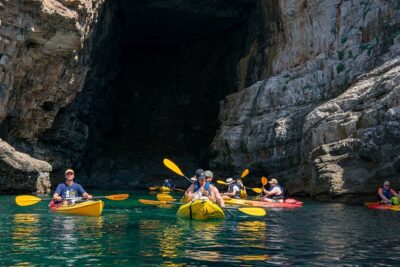
Paddling through mangroves sounds easy. Until you do it and realize it is also fun work. This 2 to 2.5-hour guided kayak trip from Big Hickory Pass in Bonita Springs pairs calm water scenery with a real chance at wildlife like manatees, dolphins, and lots of birds. You also get a beach stop built into the outing, which is where the trip turns from just paddling into a proper experience.
What I like most is the mixture of wildlife viewing and hands-on breaks. The tour includes the basics you need—kayak or SUP board, life vest, and bag storage—so you can show up and focus on paddling. I also like that the guides (I’ve seen names like Joey and Kevin) tend to be friendly and area-literate, and they often help with photos and pointing out what to watch for.
The one thing to consider is that conditions can affect how the experience feels. Expect wind and current to change the effort level, and on some days the total time can run closer to 2 hours than the full 2.5-hour window. Also, while the tour is advertised as kayak or SUP, there have been mix-ups—if SUP is a must for you, confirm ahead.
In This Review
- Key Things I’d Plan Around
- Estero Bay Kayaking From Big Hickory Pass: Why This One Works
- The 2–2.5 Hour Paddling Rhythm: What You’ll Actually Do
- Mangrove Tunnels at Estero Bay: Wildlife Viewing That Feels Real
- Beach Break and Shell Hunting: The Part You’ll Remember
- Kayaks, SUP Boards, and Gear: What’s Included and Why It Matters
- Guide Style on the Water: Joey and Kevin’s Impact
- Wind, Current, and Effort: How Hard Is It, Really?
- Price and Value: Is $55 Worth It?
- Who This Tour Fits Best (and Who Should Think Twice)
- Should You Book Big Hickory Pass Guided Kayak Tours?
- FAQ
- FAQ
- How long is the Big Hickory Pass kayak tour?
- What is included in the tour price?
- Where does the tour start and end?
- What wildlife might I see on the paddle?
- Are dogs allowed?
- Is the tour guided, and what language is it in?
- What happens if weather is poor?
Key Things I’d Plan Around
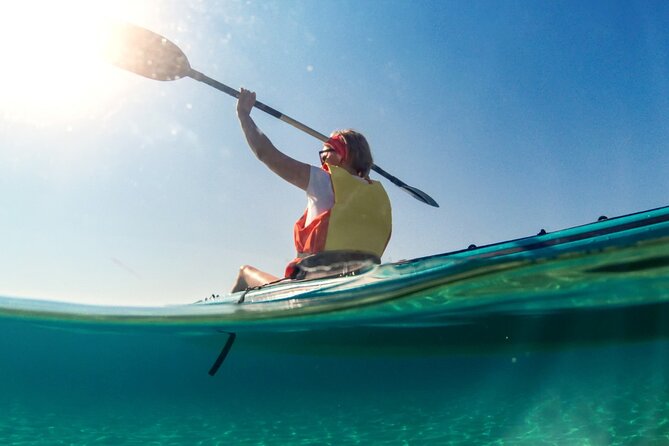
- Mangrove tunnels + wildlife chances in Estero Bay, with a camera-ready route
- Beach stop built in, including time for shell hunting on a sandbar
- Gear included (kayak/SUP, life vest, storage bags) so you are not scrambling at the last minute
- Guides like Joey and Kevin who keep things moving while still giving time to explore
- Wind/current can raise the effort, even when the pace stays relaxed
- SUP availability may vary, so if you care, check before you go
Estero Bay Kayaking From Big Hickory Pass: Why This One Works
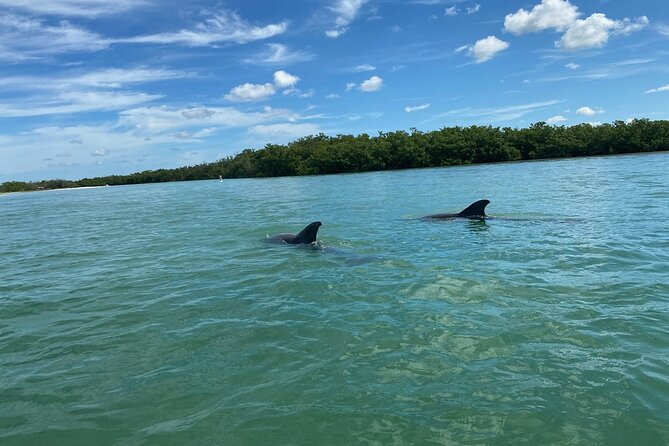
This is the kind of tour that feels simple until you’re out there. You launch, you paddle, and the world quietly shifts from highway Florida to water Florida. Starting at Big Hickory Pass puts you in the Estero Bay system where mangroves form tunnels and channels. The result is a trip that looks like nature cinematography, but still feels grounded and doable.
The value is that you are not just taking a boat ride and hoping for wildlife. You are moving at kayak speed, which means you can slow down when something pops up near the surface—like a bird landing on a branch, or a manatee surfacing just long enough to notice.
And then there is the practical win: the outing is timed so it fits either morning or afternoon. That helps if you are splitting your day between beaches, dinner, and maybe a day trip inland.
You can also read our reviews of more tours and experiences in Fort Myers.
The 2–2.5 Hour Paddling Rhythm: What You’ll Actually Do
Most outings run about 2 to 2.5 hours, and they follow a straightforward flow:
First you meet at Big Hickory Pass, Bonita Springs, FL 34134 and get outfitted. You’ll get your water gear and storage setup before you push off. From what you can expect on the water, the guide gives clear group guidance so you know what to do and when to regroup.
Next comes the main paddle into Estero Bay. This part is where you go through the mangrove tunnels and follow the guided route. The pace is typically set to keep the group together, but you still get moments to look around and take in what’s nearby.
Then the tour makes room for a break on the water. You get time on a beach area to walk around and hunt for shells, and some groups also get time to cool off with a quick swim if conditions are right. The rest of the outing finishes with the paddle back, ending right where you started.
One small heads-up: if you are planning another activity right after, leave a little buffer. A few people have noted trips running around 2 hours total rather than the full 2.5, which can happen when timing tightens or the day’s conditions set the pace.
Mangrove Tunnels at Estero Bay: Wildlife Viewing That Feels Real
Stop one is all about the Estero Bay mangroves. This is not open-ocean scenery where you stare far out at the horizon. It’s closer and more textured. The mangrove roots and overhanging branches create a tunnel effect, and that changes how you spot animals. You might see wildlife at the waterline, then suddenly notice it near the mangrove edges.
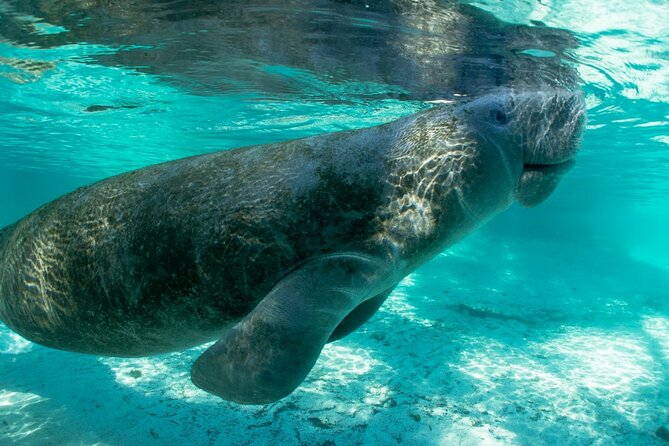
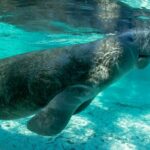
The wildlife list you can keep an eye out for is strong: manatees, dolphins, osprey, pelicans, egrets, and more. In real terms, you should treat this as a “good chance” tour, not a guarantee. Some days are dolphin-heavy, and some days are bird-heavy. Either way, even if you only catch birds and smaller marine life, the mangroves themselves do a lot of the work for you.
Practical tip: plan to bring a camera and keep it ready. Several people highlight that the guide helps them get close enough to see wildlife well, especially when a pod shows up on the route.
Beach Break and Shell Hunting: The Part You’ll Remember
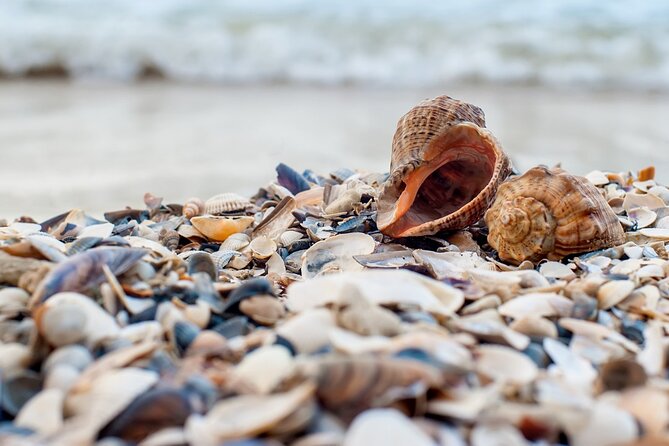
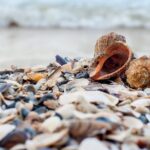
The beach stop is where this tour earns its place on a vacation itinerary. You get time to step onto sand and walk around, and that is where shell hunting becomes the main event. People talk about finding treasures—especially because the sandbar setting feels sheltered compared to more public beaches.
If you love collecting small finds like sea glass or shells, this is a big reason to pick this specific tour. One of the nicest elements is that you are not rushing through the land portion. The pacing usually gives you time to browse.
You’ll also want to think about what you bring back. The tour equipment includes storage bags (and you may get specific shelling bags), so it’s easier to keep everything organized and not end up with wet gear and a sandy mess.
Also, be ready to get a little wet. Even when the route is calm, you’re on a kayak in a coastal environment. And if the day’s current is stronger or it’s windy, you’ll feel that on your arms more than you would on a perfectly glassy morning.
Kayaks, SUP Boards, and Gear: What’s Included and Why It Matters
At this price point, the gear inclusion is part of the value. For $55 per person, you should expect the essentials without having to rent or scramble for basics:
- Kayak or SUP board
- Life vest
- Storage bags, including a dry bag for personal items and extra bags for collecting shells
That gear list is not just convenience. It also changes how you enjoy the experience. If you’re carrying a phone and keys without a secure way to store them, you end up spending energy thinking about your belongings instead of watching the water.
One caution, though: the kayak/SUP wording has caused confusion on at least one occasion. If you specifically want to paddle a SUP board, I’d confirm that a SUP is actually available for your date and time. Otherwise, you might end up on a kayak when you planned a different style of paddling.
Equipment comfort matters too. Reviews mention that kayaks and gear feel comfortable and easy to use, which helps if you are new. You still work your shoulders, but you are not fighting your setup.

Guide Style on the Water: Joey and Kevin’s Impact
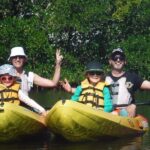
A guided kayak tour lives or dies by the guide. Here, the names Joey and Kevin show up in feedback for exactly the right reasons: friendly attitudes, local knowledge, and help with what to look for.
What you should look for in a good guide is balance: keep the group moving while still giving you time to enjoy. The route through mangroves can be slow and scenic, but it’s not a static wildlife cruise. Good guiding means you don’t feel rushed, yet you still stay on schedule.
People also mention photo help, which can be underrated. If you do not have another person who can steady your phone while you’re paddling, a guide stepping in can make a big difference. In some cases, free photos are mentioned as part of the experience.
Finally, a realistic note: communication can vary depending on wind, group spacing, and how close the guide is to your kayak. If you strongly rely on spoken nature commentary, it’s worth knowing that sound can be harder to catch in an outdoor, moving-water setting.
Wind, Current, and Effort: How Hard Is It, Really?
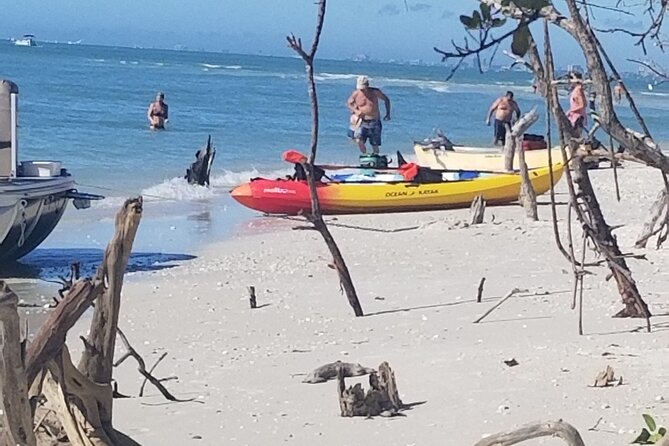
This tour can be easy going, but it is still kayaking. You’ll work your shoulders, and the water conditions determine how much work you do. One review highlights that wind and current can make things more challenging, even though the overall trip still feels fun and manageable.
So here’s how to plan:
- If you’re comfortable paddling for short bursts, you’ll probably love this.
- If you hate any effort on your upper body, expect it to feel like exercise, especially if it’s breezy.
- If you bring kids, a calm day matters. The beach stop becomes the mental reset.
Also, wear clothes you can get damp in. Water splash happens, and mangroves are humid and close-up. Bring water too, because even when it feels cool, you are exerting yourself.
Price and Value: Is $55 Worth It?
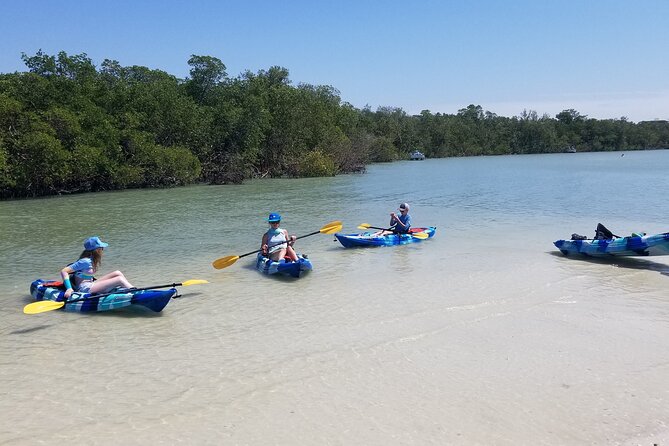
At $55 per person, this isn’t a tiny add-on, but it also isn’t a luxury price. For that amount, you’re getting a guided outing in a protected coastal area, gear included, plus a beach stop that adds real play time.
Here’s why the value holds up:
- You avoid the hassle of renting a kayak and figuring out how to get out to good water on your own.
- You get a local guide who can point out wildlife and keep you from getting lost or stuck.
- The beach and shell hunting time turns the tour into something you feel after the fact, not just while you’re paddling.
If you’re the type who hates group activities, this might not be your pick. But if you want an organized, scenic outdoor activity that still feels personal at the kayak level, the value is solid.
Who This Tour Fits Best (and Who Should Think Twice)
This outing works for a wide range of people. Dogs are welcome, and it’s described as suitable for all ages. That makes it a strong family-friendly option, especially when you want a change of pace from beach walking.
It’s also a good choice if you want a guided nature experience without needing advanced skills. You don’t need to be an expert paddler to enjoy it, but you do need to be willing to use your arms.
Who might want to think twice:
- If you have mobility limits that make getting into/out of a kayak difficult, you should double-check what the tour requires on your body.
- If SUP is your non-negotiable, confirm availability first.
- If you expect non-stop wildlife sightings every minute, you may leave a little disappointed on slower animal days. The mangrove setting helps, but nature runs on nature time.
Should You Book Big Hickory Pass Guided Kayak Tours?
I’d book this if you want an outdoorsy half-day that mixes mangrove scenery, wildlife chances, and a real beach break. It’s a smart way to spend time in the Fort Myers area without committing to a full-day expedition.
I’d hesitate if you need a guaranteed SUP board, if you dislike even moderate shoulder effort, or if you are planning a tightly timed schedule immediately afterward. Otherwise, this is the kind of trip that tends to fit cleanly into a vacation plan: morning or afternoon, gear handled for you, and a guided route through one of Florida’s most photogenic environments.
FAQ
FAQ
How long is the Big Hickory Pass kayak tour?
It runs about 2 hours to 2 hours 30 minutes.
What is included in the tour price?
Your ticket includes a kayak or SUP board, a life vest, and bag storage for your items.
Where does the tour start and end?
It starts at Big Hickory Pass, Bonita Springs, FL 34134 and ends back at the same meeting point.
What wildlife might I see on the paddle?
You may see manatees, dolphins, osprey, pelicans, egrets, fish, and more while paddling through Estero Bay’s mangrove areas.
Are dogs allowed?
Yes, dogs are welcome.
Is the tour guided, and what language is it in?
Yes, it is guided and offered in English.
What happens if weather is poor?
This experience requires good weather. If it’s canceled due to poor weather, you’ll be offered a different date or a full refund.