REVIEW · STOCKHOLM
3-Day Self-guided Kayak Weekend Tour
Book on Viator →Operated by Get Out Kayak · Bookable on Viator
Kayaks off Stockholm can feel like another world. This self-guided archipelago weekend turns the city commute into island time, starting with a certified wilderness guide who sets you up for safe paddling and sustainable camping. Two big wins for me: the special camp spots (often on tiny islands) and the low-stress feeling that comes from having the right gear from the start.
I also like that you get a suggested route but still choose how far and how busy your day feels. The main consideration: it is still self-guided, so if you hate maps, reading wind, or staying organized with gear, you’ll need to be on your game. Weather matters too since the trip needs good conditions.
In This Review
- Key Things To Know Before You Paddle
- Why Stavsnäs Works So Well for a Stockholm Kayak Trip
- The Guide Briefing That Sets the Tone (And Keeps It Safe)
- Day 1: From Stavsnäs to Your First Island Camp
- Night One: How the Camping Moment Really Feels
- Day 2: The Discovery Day That Feels Like Freedom
- A Smart Way to Think About Your Options
- Day 3: Packing Faster, Paddling Smarter, and Ending With Comfort
- Returning to Stavsnäs and Getting Your Gear Managed
- What’s Included: The Big Stuff You’ll Be Glad You Don’t Have to Rent
- Food, Clothing, and the Stuff You Must Plan For
- Day Length, Distances, and the Beginner-Friendly Reality
- Price and Value: What $453.24 Buys You (And What It Doesn’t)
- Practical Getting There: From Slussen to the Water in About an Hour
- Who Should Book This 3-Day Self-Guided Weekend?
- Small considerations
- Optional Extras You Might Want to Ask About
- Should You Book This Stockholm Archipelago Kayak Weekend?
- FAQ
- FAQ
- What language is the tour offered in?
- Is this a guided tour the whole time?
- Where do I meet, and where does it end?
- How do I get to the kayak center from Stockholm?
- What gear is included in the price?
- What do I need to bring myself?
- What about food during the trip?
- Is it suitable for beginners?
- What if weather is bad?
- What is the cancellation window?
Key Things To Know Before You Paddle
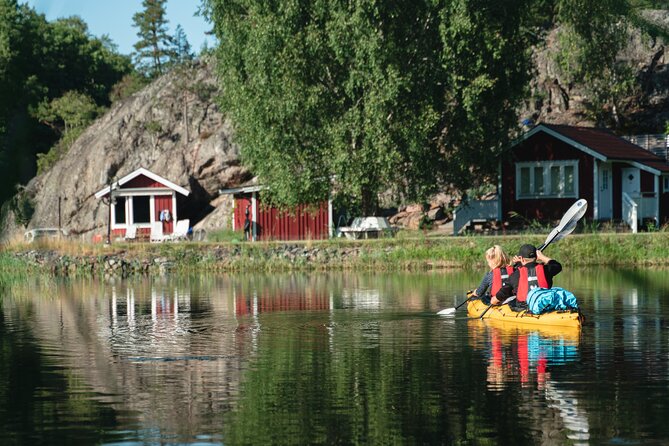
- A certified guide briefing at Stavsnäs before you leave, with safety, wildlife respect, packing tips, and route advice
- Camping gear is included, including tent, sleeping bag/mat, stove, and a toilet/trash kit
- Two nights on islands, with a real chance of ending up in places like Bullerö Nature Reserve
- You paddle your own plan, using map, compass, and a suggested route rather than a group schedule
- The last-day debrief makes the return easier, plus time for snacks, shower, and optional sauna
Why Stavsnäs Works So Well for a Stockholm Kayak Trip
Stavsnäs, on the Värmdö side of the Stockholm region, is the practical jump-off point that lets this trip feel like a true “weekend escape” instead of a long day of transit. You’re heading out from the Stockholm area by bus or public transport toward the Kayak Center at Stavsnäs Vinterhamn (Gästhamnen), and the ride is roughly an hour. It’s simple enough that you can focus on the water once you arrive.
The timing helps, too. You start around late morning or mid-morning (they mention a start around 9:30), so you’re not spending the whole day just getting out there. That matters when you’re paddling with camping gear, because you want daylight to handle setup and find a decent spot for night one.
You can also read our reviews of more tours and experiences in Stockholm.


The Guide Briefing That Sets the Tone (And Keeps It Safe)
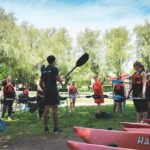
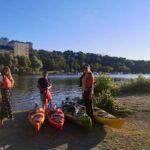
Even though the days after launch are self-guided, the trip starts with real coaching. When you arrive at Get Out Kayak Stavsnäs, you’re welcomed by a certified wilderness and kayak guide. You get a snack and a drink, then you go over what you’re actually going to do for the next three days.
Here’s what I’d call the “don’t skip this part” value: they go through kayak safety in a practical way, cover how to travel sustainably in wildlife areas, and give clear Dos and Don’ts. You also learn how to pack the kayak properly and get everything organized for departure. That briefing is what turns self-guided from scary into manageable.
In past trips, the staff named Alma and Jakob came up in a really positive way, with detailed answers before arrival and relaxed help on the day. One helpful tip from their vibe: they run things in a low-key way, but they don’t cut corners on the basics.
Day 1: From Stavsnäs to Your First Island Camp
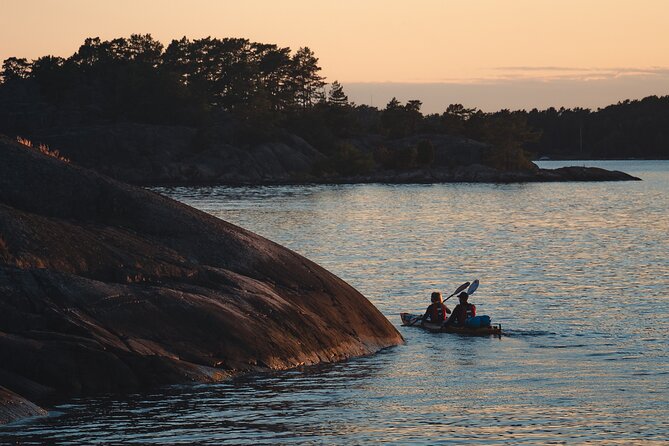
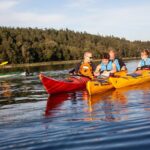
Day one starts with a short rhythm: breakfast in Stockholm or a morning arrival, then the ride to Stavsnäs, then the briefing, and then it’s time to paddle. After lunch, you head out in stable two-person kayaks with paddles, spray skirt options (you’ll have what’s included), and your waterproof layering sorted out.
The early paddling has a “speed of the ocean” feel. Sea birds and waves show up fast, and you move away from the noise of the city toward smaller uninhabited islands. That’s the payoff of starting out early enough: you can reach a quieter pocket of islands before dark.
Night One: How the Camping Moment Really Feels
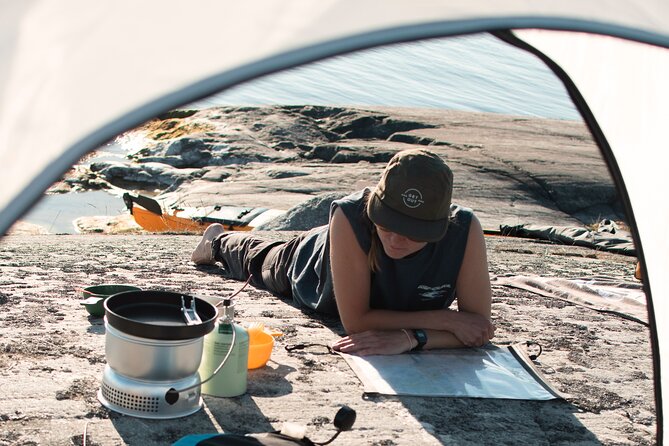
In the afternoon, you start looking for your own camping spot. You use the advice you were given before you left, plus the map and route materials. The goal is to find a place that fits the day’s conditions, wind, and your own comfort level.
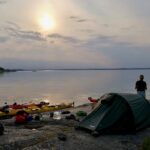
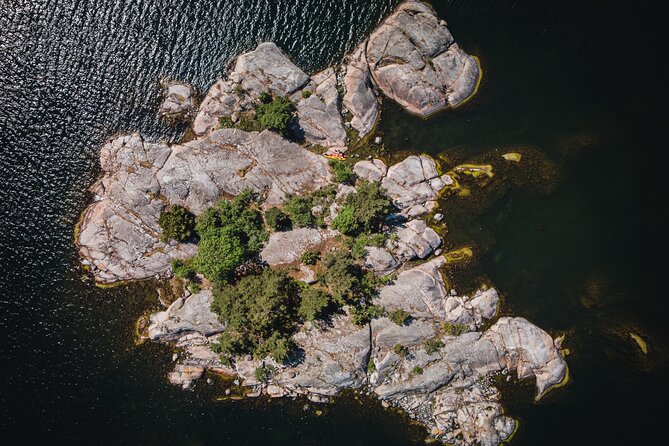
One night camp location you might end up near is Bullerö Nature Reserve, which is described as a beautiful option in their suggested plan. You’ll set up your tent, make dinner on the stove, and eat in the open air—simple food, hot coffee later, and the sound of wind and waves doing the rest.
A detail I think matters: you’re not just “roughing it.” The kit includes cooking tools, eating utensils, washing-up supplies with environmentally friendly detergent, and a toilet/trash setup. That turns camping into something you can actually enjoy instead of something you endure.
Day 2: The Discovery Day That Feels Like Freedom
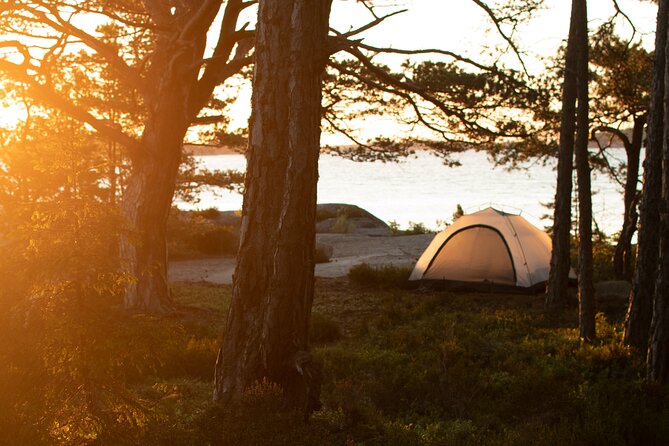
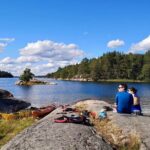
Day two is where the trip stops feeling like a schedule and starts feeling like your own adventure. You can take a lazy morning, have breakfast at camp, and even do a quick swim (a Swedish classic). Then you sit with the map and plan your options.
The guide provides alternatives and a suggested route. But you’re not locked into one path. That balance is the whole idea of self-guided done right: you get enough structure to avoid wandering in circles, and enough choice to follow weather, curiosity, and energy.

A Smart Way to Think About Your Options
On day two, treat the day like a choose-your-own-adventure, not a test. If you find a spot you like—cliff views, calmer water, a cluster of islands—stay. If conditions feel good and you want more time moving, keep going along the suggested route.
In one family experience, the whole trip worked out to about 20 km total, and even a 50-year-old without kayaking experience found it manageable. Your route might be different, but that’s a good sign: this is not only for people who paddle like they’re in a training montage.
Day 3: Packing Faster, Paddling Smarter, and Ending With Comfort
By day three, you usually feel more coordinated: packing the kayak goes faster, you know where your things are, and you spend less time fiddling. That’s not just convenience. It’s also confidence, which makes the last paddle feel easier.
During the day, you’ll stop for a long lunch on an island, then do a swim and coffee in the afternoon. This is one of those parts where the trip’s simplicity is actually the magic. You’re not rushing to tick boxes; you’re just living island-time.
Returning to Stavsnäs and Getting Your Gear Managed
Late in the day, you paddle back to the Kayak Center. A guide welcomes you and does a debrief. Then they handle the camping and kayak gear for you so you can enjoy snacks, a shower, and the chance to use a sauna if you want.
That matters after three days of wind, water, and getting in and out of a kayak. Hot shower, warm room, and food that doesn’t involve a stove go a long way.
What’s Included: The Big Stuff You’ll Be Glad You Don’t Have to Rent
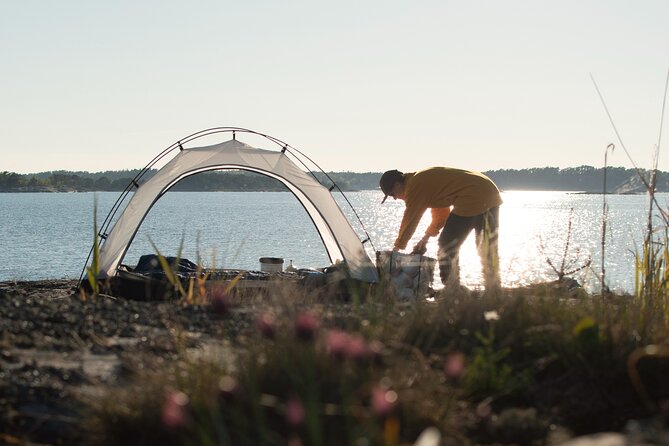
This trip includes the core gear that makes self-guided camping doable. Not everyone realizes how much “extra” gear you end up needing until you’re already on the road.
Here’s what’s included, in practical terms:
- Kayak setup: kayak, paddle, spray skirt
- Safety: life vest, safety whistle, kayak safety gear
- Water protection: waterproof packing bags plus a smart phone case
- Navigation: a physical and digital map, compass, and a suggested route
- Sleep system: tent, sleeping bag, bed linens, and a sleeping mat
- Cooking: cooking stove + fuel, plus cooking utensils (salt, pepper, oil), and eating utensils
- Cleanup and basic hygiene: washing-up kit with environmentally friendly detergent
- Toilet and trash setup: toilet and trash kit with toilet paper
- Extras: flashlights
- Drinking water: fresh water for drinking and cooking, as much as you need
One of the nicest points that showed up in firsthand feedback: the equipment is described as high quality, clean, and even comfortable for sleep, including bed mattresses that are slightly higher. If you’ve ever borrowed camping mattresses and felt betrayed by gravity, you’ll appreciate that.
Food, Clothing, and the Stuff You Must Plan For
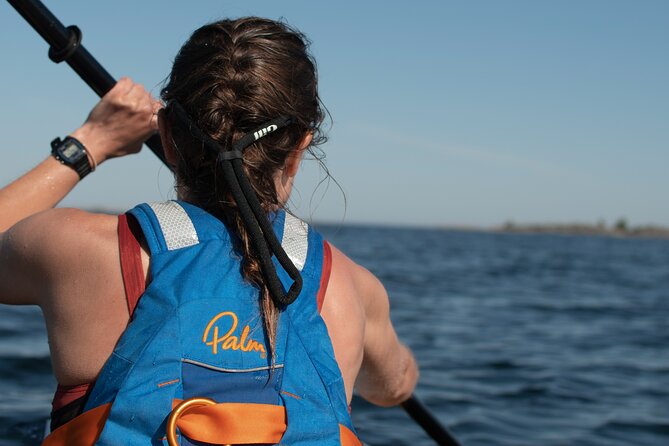
Food is not included. The good news: they tell you it’s easy to shop on the way out to Stavsnäs. That means you can buy what you like rather than being stuck with a pre-made package.
What you do need to bring is your outdoor clothing and personal items. Think layers that handle damp wind and chilly mornings. The trip also runs on good weather, so you want to be prepared for conditions that are changeable, even in warmer months.
If you’re camping-minded, you’ll also want to plan how you’ll store food and keep it dry. The packing bags help a lot, and the phone case is there for a reason: you will want to capture photos, even if you don’t always want to touch your phone.
Day Length, Distances, and the Beginner-Friendly Reality
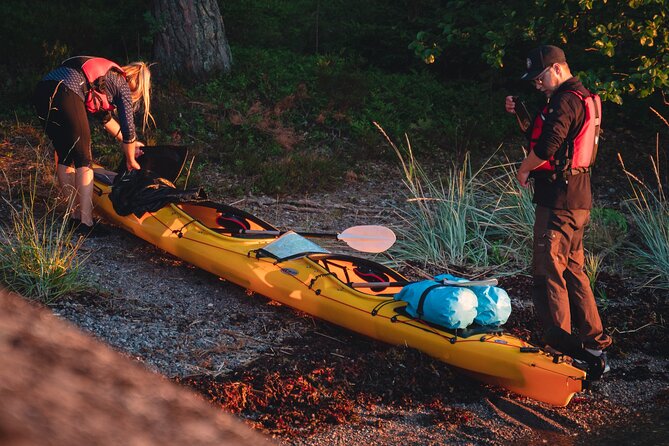
The days are long enough to be satisfying but not structured so tightly that you feel trapped. Day one includes about two hours on the water plus a full afternoon/evening for camping. Day two is a full day of discovery. Day three includes another day of paddling with stops for lunch, swim, and coffee.
Distances aren’t guaranteed in advance in what you see here, but you can get a feel from real examples. One family reported a total of about 20 km across the trip and described the route as easy and manageable even without prior kayaking experience. Another common thread: you can choose your own challenges, which is exactly what you want on a self-guided weekend.
For me, the biggest beginner advantage is that you’re not figuring out everything alone at the start. The certified guide goes over kayak handling, packing, safety basics, and how to behave in nature. After that, you make choices with your own pace.
Price and Value: What $453.24 Buys You (And What It Doesn’t)
At $453.24 per person, this is not a bargain-basement activity. But you’re also not just renting a kayak. You’re paying for a bundle: safety gear, navigation tools, camp gear, cooking equipment, and a guide-led introduction.
That’s why the price can actually feel fair. If you tried to recreate this on your own, you’d spend money on kayak rental, a compass/map system, waterproof storage, tent and sleeping gear, stove and fuel, and then still need to figure out safety and sustainable practices on your own.
What’s not included is also important:
- Transport to and from the kayak center
- Food
- Personal outdoor clothes and other personal items
So the best value comes when you plan food shopping and pack smart, then let the included kit do its job.
Practical Getting There: From Slussen to the Water in About an Hour
The most direct route described is from Slussen bus terminal, about a 60-minute bus ride to the Stavsnäs Kayak Center area, with an estimated cost around 4 EUR. Some people also reference bus routes like 433 or 434 to reach the area.
If you’re combining city time with this trip, it’s a strong setup: do sightseeing in Stockholm either before or after, then use the kayak weekend for the outdoor half of the story.
Who Should Book This 3-Day Self-Guided Weekend?
This is a good match if you:
- want an outdoors weekend without constant group logistics
- enjoy having structure (suggested route and navigation tools) while still choosing your own pace
- like camping where you can make dinner and then actually relax
- appreciate staff who explain safety clearly before you go
It’s also a solid choice for mixed experience levels. One feedback thread praised it as good for beginners and also appealing for more intense paddlers because you can choose challenges based on conditions.
Small considerations
- it requires good weather
- it’s not designed for very young kids (not for kids under 7)
- it is self-guided, so you need to stay organized and pay attention during briefing time
Optional Extras You Might Want to Ask About
One review mentioned traveling with a dog and being allowed to bring it. The same tip came up: bring a life jacket for the dog. If you’re bringing a pet, ask the operator ahead of time and plan for safety.
You might also want bug luck. Campsites on islands can mean mosquitoes, and one person called that out directly.
Should You Book This Stockholm Archipelago Kayak Weekend?
If you want a real Stockholm-to-outdoors weekend that feels authentic, this is a strong yes. The value comes from the total setup: you get the kayak, safety gear, camping gear, cooking system, and a certified introduction that makes self-guided feel responsible instead of risky.
I’d book it if you like independent travel but still want real coaching up front. I wouldn’t book it if you hate planning, don’t want to follow a suggested route/map, or you only travel comfortably in fully guided formats.
FAQ
FAQ
What language is the tour offered in?
The experience is offered in English.
Is this a guided tour the whole time?
No. You get a thorough introduction and briefing with a certified wilderness guide, then the paddling days are self-guided using the suggested route, map, and compass.
Where do I meet, and where does it end?
It starts at Get Out Kayak Stavsnäs, Stavsnäs Vinterhamn (Gästhamnen), Stavsnäsvägen 216, 139 70 Stavsnäs, Sweden, and it ends back at the same meeting point.
How do I get to the kayak center from Stockholm?
You can take public transport. One described route is a bus from Slussen bus terminal that takes about 60 minutes, with an estimated cost around 4 EUR. Bus routes like 433 or 434 have also been used by visitors.
What gear is included in the price?
Included are the kayak and paddle setup, spray skirt, life vest and safety whistle, waterproof packing bags and a phone case, map/compass and suggested route, tent, sleeping bag, bed linens and sleeping mat, stove and fuel, cooking utensils, washing-up kit, toilet and trash kit, and flashlights, plus fresh water for drinking and cooking.
What do I need to bring myself?
You should bring personal outdoor clothes and other personal items. Food is not included, but it’s described as easy to shop before you start.
What about food during the trip?
Food is not included. You’ll cook meals you bring using the included stove and utensils.
Is it suitable for beginners?
The trip is described as suitable for different experience levels, and there are examples of participants with no kayaking experience finding it manageable when they follow the plan and pace.
What if weather is bad?
This experience requires good weather. If it’s canceled due to poor weather, you’ll be offered a different date or a full refund.
What is the cancellation window?
Free cancellation is offered up to 24 hours in advance for a full refund.