REVIEW · ALGONQUIN PROVINCIAL PARK
Algonquin Park: Canoe Camping Safari
Book on GetYourGuide →Operated by Algonquin Adventure Tours · Bookable on GetYourGuide
Quiet water, big wildlife chances. This Algonquin Park canoe camping safari blends expert guidance with real wilderness time on Canoe Lake and the park’s waterways. I like how the trip is built for first-timers without turning it into a gimmick. I love that the days end with wholesome fire meals and the kind of quiet you can’t fake.
One thing to plan for: wind and rain can make paddling and camping harder than the photos suggest. If you’re not into wet weather readiness, this is the part that can test your patience.
In This Review
- Key bits that matter before you book
- Algonquin Park by Canoe: The Trip Vibe You’re Actually Buying
- Meeting at Canoe Lake Beach: Where Day One Begins
- Your 3-Day Rhythm: How the Days Tend to Flow
- Expert Guides on the Water: What the Coaching Really Changes
- Moose-Madness Without the Hype: Wildlife Viewing That Feels Earned
- Camp Life: Tents, Hammocks, and the Comfort Math
- Food by the Fire: Why Gourmet Matters Less Than You Think
- Fishing, Swimming, Hiking, and Cliff Jumping: The Active Parts
- What to Pack (and What Not to): The Bear-Smart Rulebook
- Price vs. Value: Is $519 Fair?
- Who Should Book This Safari (and Who Might Struggle)
- Practical Risk Checks: Rain, Wind, and the Return Paddle
- Should You Book Algonquin Park Canoe Camping Safari?
- FAQ
- Do I need prior canoeing or camping experience?
- What ages can join?
- Where does the tour meet?
- What gear and meals are included?
- Is there fishing, swimming, and cliff jumping?
- What should I bring (and what is not allowed)?
Key bits that matter before you book
- Moose odds with real strategy: Guides target the best habitats and help you set up for wildlife viewing and photos.
- Small group, big attention: Limited to 8 participants, so you get help when you need it on the water.
- Comfort gear included (mostly): You get a tent, air mattress, pillow case, and a sleeping bag liner—though rain can still find weak spots.
- Adventure beyond paddling: Fishing, hiking, swimming, and even cliff jumping show up as part of the rhythm.
- Bear-smart packing rules: Leave the scented stuff at home; they keep the space scent-light for safety.
Algonquin Park by Canoe: The Trip Vibe You’re Actually Buying
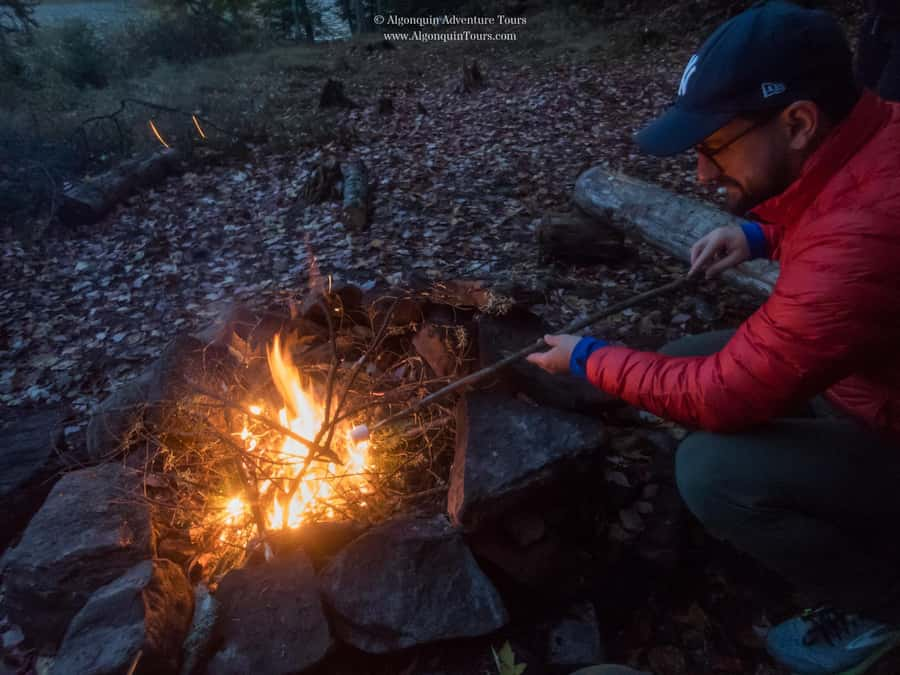
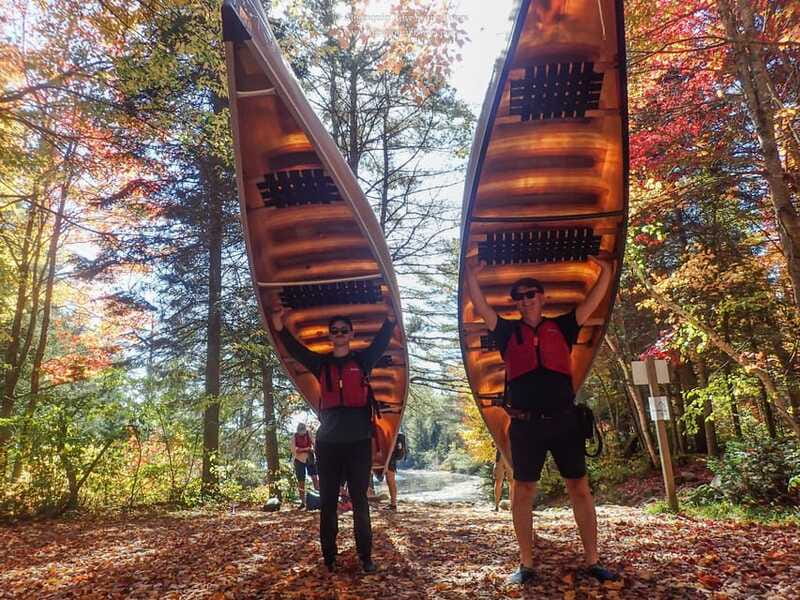
This is not a “bus to a viewpoint” kind of nature outing. You’re living in the park with a canoe as your main transportation. That changes everything. Wind, portages, timing, and teamwork matter, but so does the payback: the quiet of water movement, loon calls drifting in, and long looks at shorelines while you wait for animals to show.
For me, the main value is that the experience gives you a structured way to enjoy Algonquin without needing to already know the system. The guides are there for the practical side (paddling technique, route pacing, safety checks) and for the interpretive side (what to watch for, where to look, how to plan your time). And that’s where the moose focus becomes more than a marketing line. When your guide knows where to go and how to read conditions, your odds improve.
You can also read our reviews of more tours and experiences in Algonquin Provincial Park.
Meeting at Canoe Lake Beach: Where Day One Begins
The meeting point is on the beach at Canoe Lake (at 45.535032°, -78.706570°), near the Ontario Parks building at the far end of the shoreline. You’ll park in the first lot up Canoe Lake Road, then walk down to the beach with your bags. Look for KM markers on highway 60 and find the turnoff for Canoe Lake/Portage Store.
Your group meets on the rocky beach near the Ontario Parks Canoe Lake permit building. If rain is coming down hard, you’ll meet on the outside deck of that permit building instead.
Two practical tips I’d stick to:
- Wear closed-toe water shoes for the walk down and the in-and-out boat moments.
- Keep your camera accessible. You don’t want to be digging in your bag when an animal appears.
Your 3-Day Rhythm: How the Days Tend to Flow
The trip runs 3 days, and it’s designed to feel like a safari you can actually manage, not a constant grind. The guiding philosophy is simple: paddle to get into position, stop for wildlife and breaks, then set camp and make the evening about food and downtime.
Here’s how the experience typically breaks down based on what’s included:
- Day 1: Orientation and setup. You’ll get the canoe basics, safety rules, and an initial push into the paddling day. Expect time on the water plus the first chance to enjoy the quiet and spot wildlife.
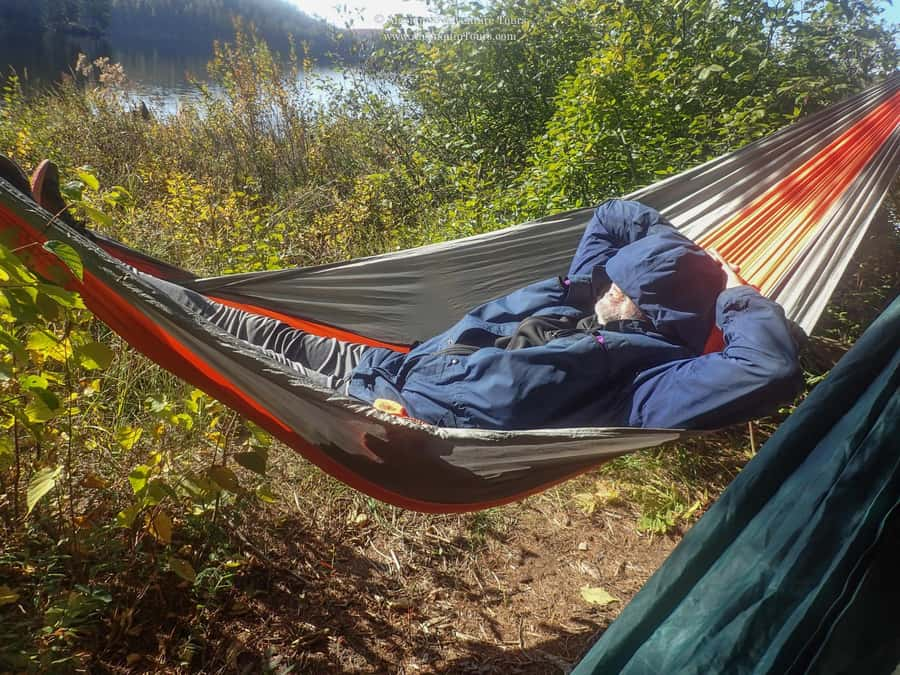
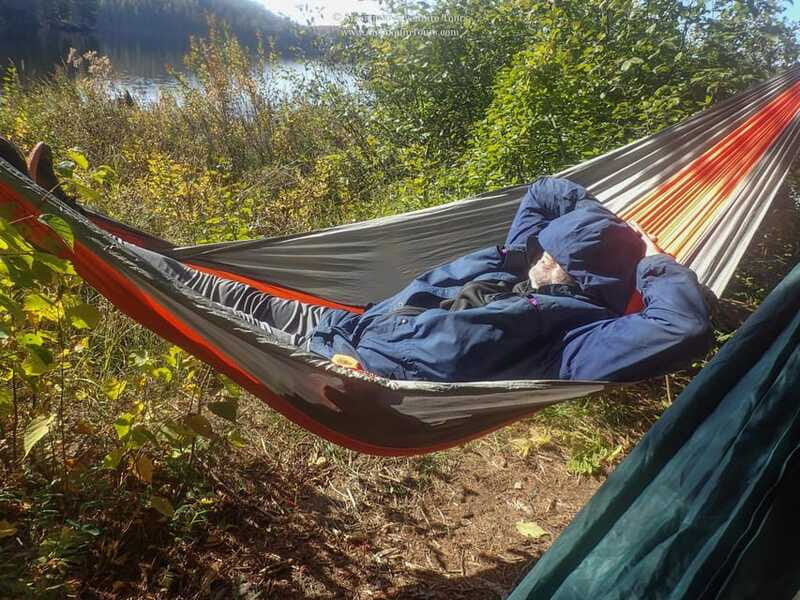
- Camp time (every day): Wilderness camping with a tent and gear provided. Hammock time is part of the included relax-and-reset rhythm.
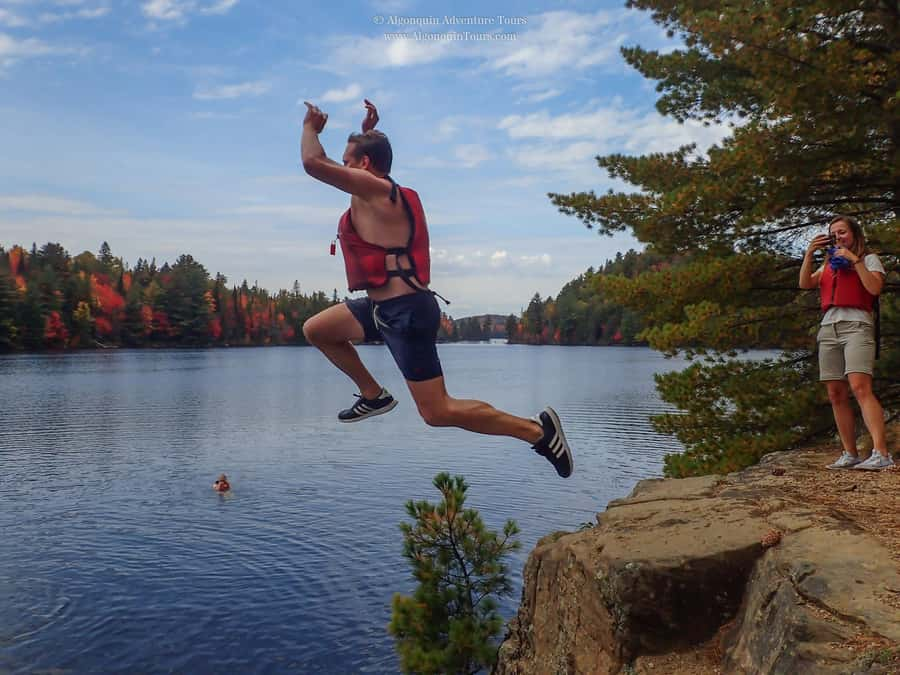
- Day 2: This is where you’re likely to get more action. Fishing, hiking, and swimming are included, and cliff jumping is listed as part of the experience. You’ll also spend time looking for moose in the kind of photogenic habitats your guide knows how to read.
- Day 3: Final paddling and a last stretch of wildlife viewing before you head back. The goal is to end on a strong note, not just “survive to the finish line.”
You don’t need to be an athlete, but you should be willing. The trip includes real hiking and repeated stepping in and out of the canoe.
Expert Guides on the Water: What the Coaching Really Changes
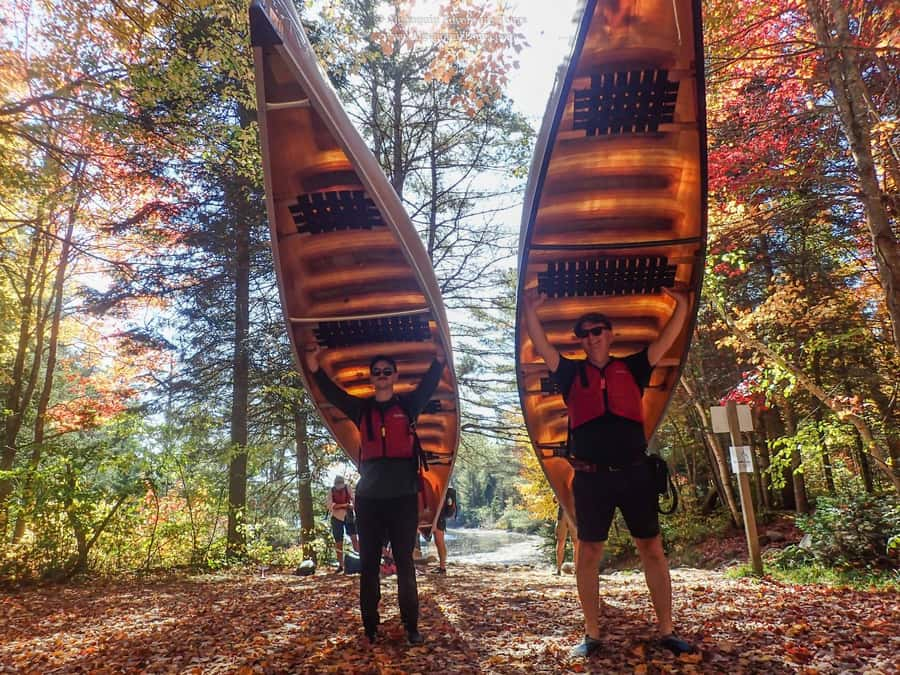
This is one of the biggest reasons the experience works for beginners. You don’t just get a canoe and a checklist. You get professional guidance through the moments that trip people up: boarding and exiting safely, paddle control, keeping your balance around rocks and beaver wood, and managing the extra effort when you’re heading back with wind.
Small group matters here. With up to 8 participants, guides can adjust instruction fast. If you’re wobbling or unsure about your technique, you’re not waiting in a line for help.
The personality of different guides shows up in how the days feel. One guide named Jess is described as friendly, information-heavy, and strong on meal execution, and another named Gill is noted for clear start instructions, safety focus, and fun challenges for younger participants. A third guide named Guil stands out for resilience and staying upbeat even when a few practical details didn’t go perfectly.
That variety can actually be a good thing. You’re not buying a scripted routine. You’re buying a flexible wilderness day run by adults who know how to keep moving and keep you safe.
Moose-Madness Without the Hype: Wildlife Viewing That Feels Earned
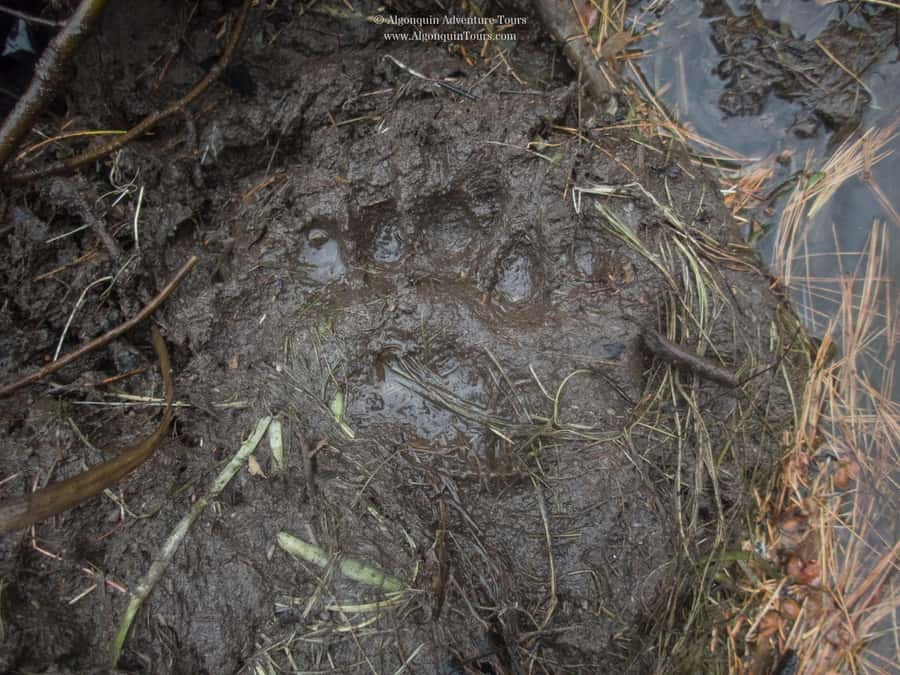
Algonquin Park has a reputation for moose, and this tour leans hard into that. The expectations promise a high chance of moose sightings, and it also suggests a strong success rate for moose photography and fishing. The key is how they set you up for those moments: guides pick where to look, help with timing, and keep you moving at a pace that doesn’t burn the day.
You’ll also hear and watch for the smaller wilderness soundtrack. Loon calls are specifically mentioned as part of the feel. And there’s a strong “slow down and pay attention” approach: you’re in the water long enough to notice patterns rather than sprint from one spot to another.
One more realistic note: wildlife is wildlife. You’re improving your odds through planning and guidance, not controlling nature. If you come in expecting a guaranteed moose standing pose, you’ll be disappointed. If you come in ready to work with silence, stillness, and luck, you’ll enjoy it.
Camp Life: Tents, Hammocks, and the Comfort Math
Camping gear is included: a tent, air mattress, camping pillow case, and a sleeping bag with a fresh liner. There’s also a hammock, plus bug jacket and gourmet meals by the fire.
That’s a big value point. You’re paying for the logistics and not having to source every small piece of camping comfort. And the guide-led meal plan matters because it keeps the day from turning into snack improvisation at dusk.
Now for the honest consideration: tents may not handle every weather scenario perfectly. One guest noted the tent was too small and got wet in rain. Another point from a different experience is that rain gear is essential and extended storms can require proper wind/water protection.
My advice: treat this as a canoe trip that includes camping, not a camping trip with canoe added. Your job is to show up ready for damp conditions and for wet feet situations caused by stepping into the canoe repeatedly.
Food by the Fire: Why Gourmet Matters Less Than You Think
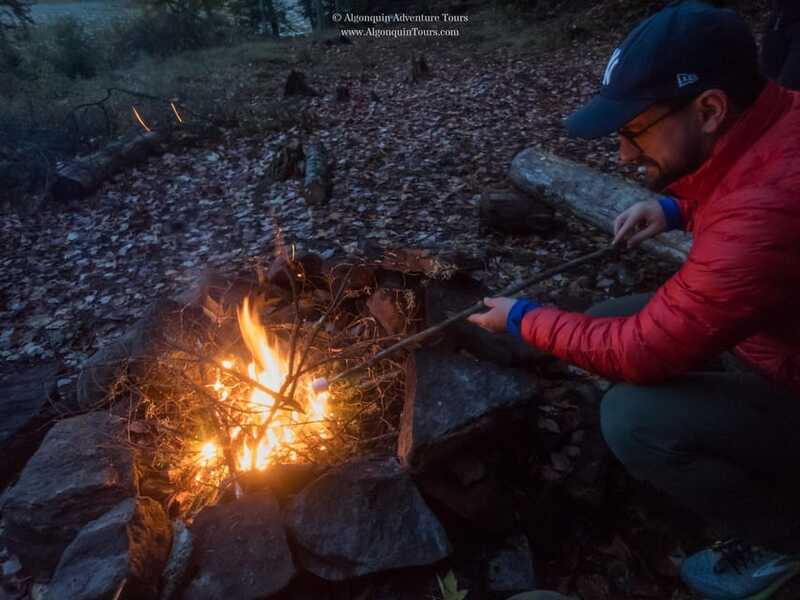
Meals are included and are described as gourmet, plus you get s’mores and Henrietta’s. That’s fun on paper, but here’s what I’d watch for: food is part of the pacing and morale.
When you’re paddling all day, your body needs fuel and warmth after. Fire meals also create a natural break in the day. You can reset, swap stories, and get ready to sleep without the stress of cooking gear decisions.
If you have food preferences, the data you provided doesn’t list dietary accommodations. So the safest move is to assume meals follow the standard plan they prepare for the group.
Fishing, Swimming, Hiking, and Cliff Jumping: The Active Parts
This safari isn’t only about sitting and waiting for animals. It includes:
- Fishing
- Swimming
- Hike
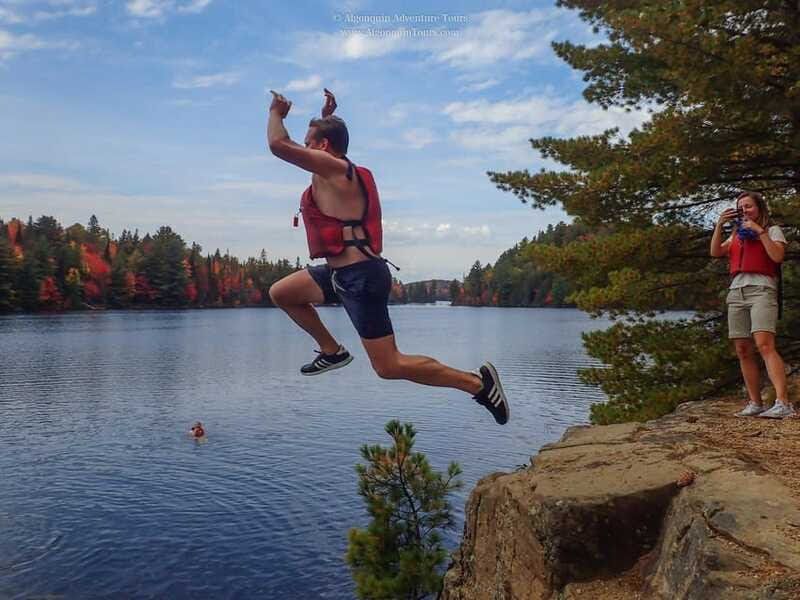
- Cliff jumping
That mix matters because it changes the skill and energy level. You’re not just learning canoe basics; you’re also getting pushed into the outdoors with short bursts of activity.
The cliff jumping inclusion especially signals that the trip expects you to handle adrenaline moments and water logistics responsibly. It’s a good fit for people who like variety and don’t mind getting a bit dirty.
Also, safe shoes are repeatedly emphasized. When you paddle, you step in and out of the boat into water with rocks and cut beaver wood. That’s not a theoretical warning. It’s a reason to wear the right footwear.
What to Pack (and What Not to): The Bear-Smart Rulebook
The pack list is clear, and it’s worth following because it’s tied to safety and comfort:
- Warm clothing
- Sunglasses and a sun hat
- Swimwear
- Change of clothes, towel
- Camera, sunscreen
- Water shoes
- Flashlight
- Closed-toe shoes
The trip also states what’s not allowed:
- Sandals or flip-flops
- Smoking
- Food, alcohol, and drugs (with limited alcohol allowed after dinner/out of water)
- Cosmetics, food/gum (scent attracts bears)
- Insect repellent
- Open-toed shoes
Here’s the practical angle: if you’re used to bringing trail snacks or packing perfumes and scented lotions, you need to adjust. They also ask you not to bring personal camping gear like a tent or sleeping bag. Biodegradable soap is provided for bathing, and you’re instructed to pack only essentials like your toothbrush and paste.
If you use medical cannabis or nicotine: the info says nicotine dependence or medical cannabis use should be non-toxic/polluting (edible/patch/vaporizer). Smoking anything is never permitted.
Price vs. Value: Is $519 Fair?
At $519 per person for a 3-day, guided, small-group canoe camping experience, you’re paying for more than a canoe rental. You’re paying for:
- A professional guide throughout
- Wilderness camping and key gear (tent, air mattress, sleeping bag liner)
- Canoe/paddle/life jacket
- Parking and camping permits
- Meals, s’mores, and included treats
- Organized wildlife viewing, fishing, hiking, swimming, and cliff jumping
The value angle is strongest if you:
- Want to experience Algonquin without setting up your own canoe trip logistics
- Care about having help with paddling and camp flow
- Want wildlife-focused guidance rather than generic sightseeing
Where the price can feel less “fair” is if you’re extremely sensitive to weather discomfort. Rain can be a factor, and comfort tents may not satisfy everyone in a big storm.
So I’d frame it like this: you’re buying guidance and wilderness hosting. The outdoors keeps the final say.
Who Should Book This Safari (and Who Might Struggle)
This trip is for ages 7 and up, and it isn’t suitable for kids under 7. It also says it’s for people who aren’t averse to a bit of effort.
You’ll likely love it if you:
- Want a guided canoe trip with camp included
- Enjoy wildlife watching and wildlife photography chances
- Like active variety (fishing, swimming, hiking, cliff jumping)
- Can handle getting wet and walking in shallow water with rocks
You might want to think twice if:
- You hate weather surprises and don’t have solid rain gear
- You’re expecting hotel-level dryness or tent space
- You want zero physical effort beyond sitting
Practical Risk Checks: Rain, Wind, and the Return Paddle
Two realities are worth planning for before you go:
- Rain gear is essential. Extended storms mean you’ll need real wind/water protection.
- Paddling back with wind can be tiring. One guest flagged that the return paddle against wind took extra effort, and that’s exactly the kind of moment where coaching helps but effort still matters.
This is also why the shoes rule matters so much. You’ll be stepping in and out of the canoe repeatedly into rocky, beaver-wood areas. Your footwear affects safety and comfort more than almost anything else you pack.
Should You Book Algonquin Park Canoe Camping Safari?
I’d book it if you want an authentic Algonquin wilderness experience with structure: guided canoe time, wildlife viewing built around moose chances, and camp life handled for you. The small-group size helps, the included gear reduces planning stress, and guides like Jess, Gill, and Guil show a consistent focus on safety and nature knowledge.
Skip it if you’re rain-averse, tent-comfort picky, or unwilling to accept that wind and wet conditions are part of canoe camping. This trip rewards people who come prepared and keep a flexible mindset.
If you’re ready for that trade, you’re set for three days where the quiet feels real and the wildlife moment—when it comes—sticks in your memory.
FAQ
Do I need prior canoeing or camping experience?
No. The trip is described as suitable for both novices and seasoned adventurers, with no prior canoeing or camping experience required.
What ages can join?
Participants must be aged 7 and up. Children under 7 are not suitable.
Where does the tour meet?
You meet on the beach at Canoe Lake near the Ontario Parks building at the far end of the Canoe Lake beach. The instructions note specific highway 60 KM markers and a Canoe Lake Road parking area, then a short walk down to the meeting spot.
What gear and meals are included?
Included items cover wilderness camping gear (including a tent, air mattress, camping pillow case, and sleeping bag with a fresh liner), a hammock, bug jacket, gourmet meals, canoes, paddles, and life jackets, plus s’mores and Henrietta’s.
Is there fishing, swimming, and cliff jumping?
Yes. Fishing, swimming, hiking, and cliff jumping are included as part of the experience.
What should I bring (and what is not allowed)?
Bring warm clothing, sunglasses, sun hat, swimwear, change of clothes, towel, camera, sunscreen, water shoes, flashlight, and closed-toe shoes. Not allowed include smoking, food, insect repellent, open-toed shoes, and bringing cosmetics (since scented items can attract bears).