REVIEW · ALGONQUIN PROVINCIAL PARK
3 Day Algonquin Park Canoe Trip – Moose & Beaver Safari
Book on Viator →Operated by Algonquin Adventure Tours · Bookable on Viator
Canoe camping makes Algonquin feel personal. This 3-day small-group Algonquin Park canoe trip is built for people who want real time in the interior, not just a quick paddle and photos, with moose and beaver watching led by an advanced naturalist guide. You start on Canoe Lake, learn canoe camping, and spend your days paddling, portaging, hiking, and swimming as you move through the park’s backcountry campsites.
I like two things a lot: the small group (up to 8) means you get hands-on coaching instead of feeling like you’re in a crowd, and the included camp setup is genuinely comfortable for wilderness travel. You’ll sleep in a tent with an air pad and a sleeping bag liner, each person gets a hammock, and the food is gourmet camp cooking using organic produce from a local farm. The one real consideration is insects—expect serious bug pressure, and come ready with strong repellent.
In This Review
- Key highlights I’d circle on your planning sheet
- Moose & Beaver Safari: a 3-day canoe camping rhythm in Algonquin Park
- Price and value: what $555.96 covers (and why it’s not just a canoe rental)
- Small-group setup: learning faster and sharing the load
- Day 1: meeting on Canoe Lake, lunch, and your canoe-camping boot camp
- Day 2: epic breakfast, wildlife search at pace, and camp time that feels earned
- Day 3: easier paddling on the way back, plus one last memorable breakfast
- Wildlife odds: moose and beaver watching, and how to play it right
- Food in camp: gourmet camp cuisine plus real dietary flexibility
- Gear and comfort: the stuff that makes wilderness feel livable
- Mosquitoes, weather, and fitness: the reality check you should plan for
- Who should book this Algonquin canoe trip?
- Should you book the 3 Day Algonquin Park Moose & Beaver Safari?
- FAQ
- Where do we meet, and what time does the trip start?
- How many people are on the trip?
- What canoe and camping gear is included?
- What wildlife can you expect to see?
- What dietary restrictions can be accommodated?
- What should I bring or plan to rent, and do I need to tip?
- What happens if the trip is canceled due to weather?
Key highlights I’d circle on your planning sheet
- Up-close interior time: you get more backcountry days than most day trips or short paddles
- Max 8 people with 1 guide: quicker feedback, more wildlife spotting attention
- Guide-trained and certified: advanced naturalist training plus WFR and food handling certification
- Full canoe + camping package: canoe, safety kit, tent, pads, sleeping gear, hammocks, bug jacket
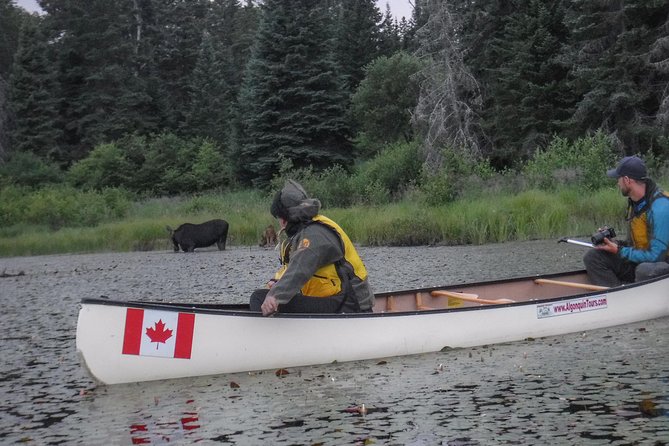
- Wildlife focus: moose and beaver observation with a stated 90% success rate
Moose & Beaver Safari: a 3-day canoe camping rhythm in Algonquin Park
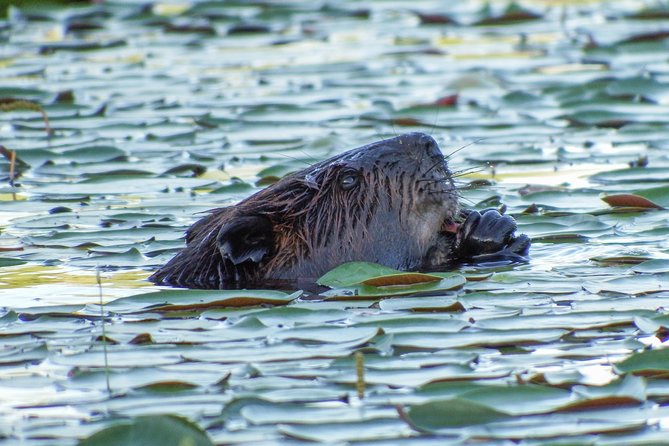
If you want Algonquin Park to feel like more than scenery, this is the type of trip that changes your pace. You’re not just passing through. You’re learning the flow of canoe camping—how to pack, paddle, move between routes, hike when you have to, and then settle into camp with the kind of quiet that only shows up when you’re away from the busy bits.
This trip is designed for small groups, usually eight people with one guide. That matters. In canoe travel, beginners need coaching and reminders, not a long explanation while the canoe drifts. More experienced paddlers still benefit because the guide is watching for wildlife cues and keeping safety tight in moving water, portages, and lake conditions.
One more thing: the guide isn’t just there to lead you from point A to point B. This is an education-first outing with an expert naturalist, WFR (wilderness first response) certified, and food handling certified. Translation: you get practical instruction, plus safer wilderness decision-making when the day changes.
You can also read our reviews of more tours and experiences in Algonquin Provincial Park.
Price and value: what $555.96 covers (and why it’s not just a canoe rental)
At $555.96 per person, this isn’t a budget “rent a canoe and hope” plan. But you’re not paying for gear you’d have to source, carry, and figure out yourself.
Here’s what the price is doing for you:
- Canoe gear is included (canoes sized for 3 people per canoe, paddles, life jackets, and a safety kit).
- Camping gear is included (tent, air pad or foam option for heavier weight, sleeping bag with a fresh liner, and pillow).
- Comfort add-ons are included (a hammock for each participant, plus bug jacket gear and even a mesh dining shelter if needed).
- Food is included as camp cuisine made with organic produce from a local farm. Lunch and dinner are listed as optional in the schedule, while breakfast appears as optional/adjustable, but you should plan for full camp meals across the days.
- Permits and parking are included, along with best campsite selection.
- Wildlife opportunities come with a guide who’s specifically focused on moose and beaver observation (stated 90% success).
That combination is the real value equation. If you were to buy or rent the gear yourself, plus pay for a skilled guide, plus handle transport and planning, you’d likely spend a lot more than this—especially because Algonquin backcountry travel isn’t just about owning equipment. It’s about knowing how to use it safely and efficiently.
Small-group setup: learning faster and sharing the load
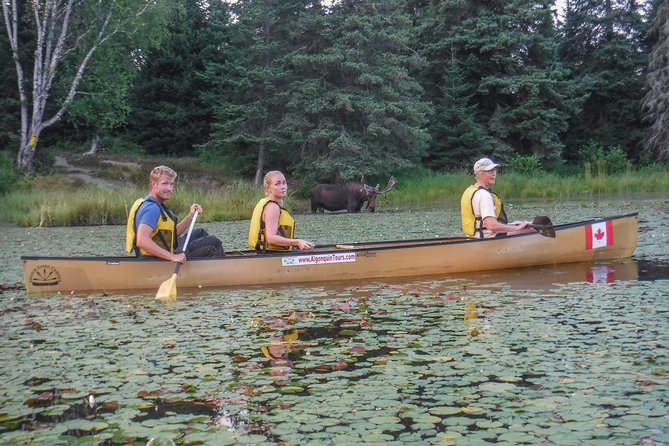
A trip with a maximum of eight people changes the entire feel. You get time for training instead of doing everything once and hoping it sticks. You also get a calmer atmosphere when you’re eating, hiking, or waiting for wildlife cues.
The tour provides a few things that make wilderness travel smoother:
- You get canoe training and instruction before you settle into the wider paddling.
- You’ll have life jackets and safety equipment in the mix from the start.
- You have a system for sleep: tent + air pad/foam + sleeping bag with fresh liner + pillow.
- You get a hammock each, which is a big quality-of-life upgrade if you want to read, relax, or just let the day settle.
Also, your group becomes part of the experience. One set of experiences included families and kids, and the group dynamic helped keep the energy social and happy without losing the wilderness focus. This trip can work for people who like sharing a camp table and doing the learning together.
Day 1: meeting on Canoe Lake, lunch, and your canoe-camping boot camp
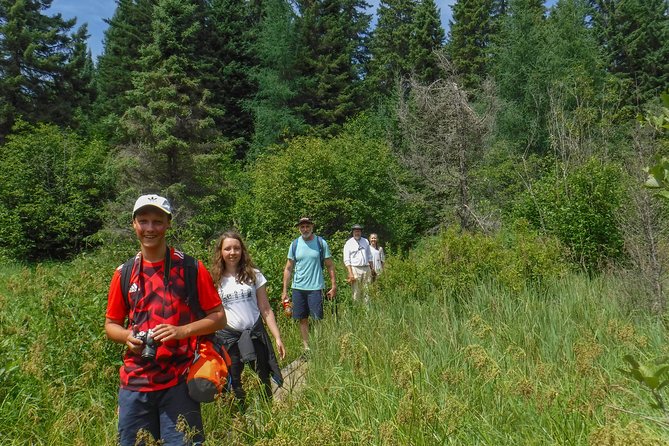
Day 1 is where the trip turns from concept into muscle memory. You meet your guide on Canoe Lake beach, and you start with lunch and getting to know your fellow paddlers. You’ll meet at the Canoe Lake Access Point Permit Office area (Highway 60 at km 14.1 north), with the start time listed as 12:00 pm.
After lunch and introductions, the day shifts into training. This is where you learn canoe camping basics, including how to paddle together and how the group moves as one unit. Then you head out across Canoe Lake together. Even the segments of paddling on Day 1 matter because they help your body understand canoe balance before portaging and hiking become more frequent.
Practical reality: Day 1 sets your rhythm. If you show up tired or cold, it’s harder to learn quickly. If you show up ready to listen, you’ll feel confident faster—and the rest of the trip gets easier.
Day 2: epic breakfast, wildlife search at pace, and camp time that feels earned
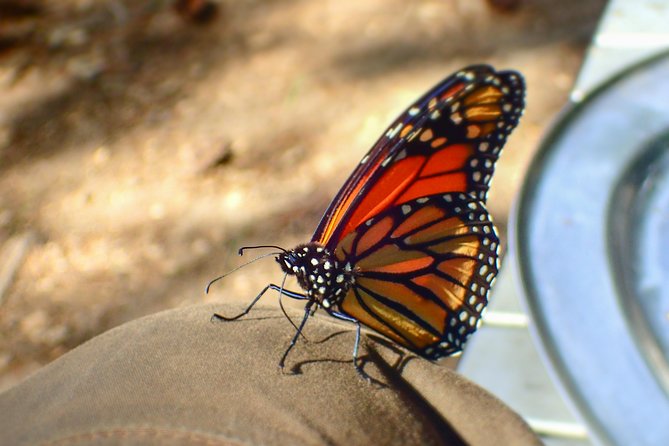
Day 2 is the “paradise day” vibe—swim, paddle, hike, photograph, read, rest in a hammock, and let your guide steer you toward wildlife viewing moments. You’re not stuck in one mode all day.
Here’s what you can expect the day to offer:
- A big breakfast to start the day before you get moving again.
- Swimming in clean lakes when conditions allow.
- Time for relaxing (including hammocks and downtime to just listen for loons).
- Hiking and photography moments, depending on what your guide is watching for.
- Wildlife observation centered on moose and beaver.
The guide is actively helping you “read” the park. That means wildlife spotting isn’t random. It’s cue-based—movement, shore patterns, and the quiet moments when animals are more likely to show up.
One experience from an earlier run highlighted the special feeling of searching from the canoe at morning hours. Even if you don’t get a perfect animal sighting every time, the calm morning work is still a big part of what makes this day memorable.
Day 3: easier paddling on the way back, plus one last memorable breakfast
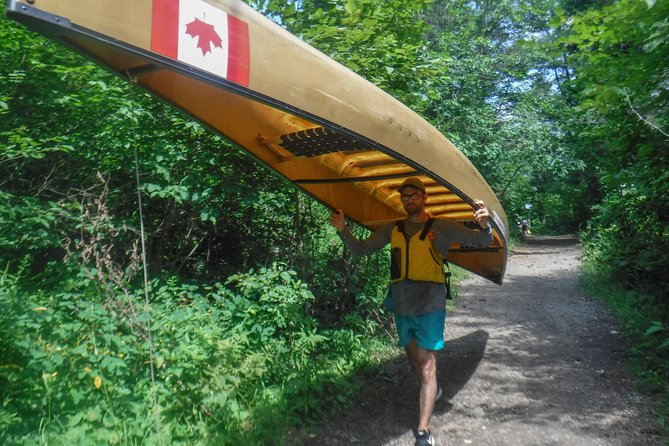
By Day 3, everyone has more skill than they started with. You’ll pack up supplies while your guide prepares a memorable breakfast. Then you paddle back about 15 km to Canoe Lake beach.
The best part of the return day is how much lighter it feels. Your strokes are steadier, you understand how the canoe responds with a moving group, and portages (if they’re part of your route that day) don’t feel like panic. You still work, but it’s the kind of work that feels doable because you’ve already learned what to do.
This is also a great day for people who want the whole thing to land with a satisfying finish: you end back at the meeting point, so you’re not juggling extra transport plans after the trip.
Wildlife odds: moose and beaver watching, and how to play it right
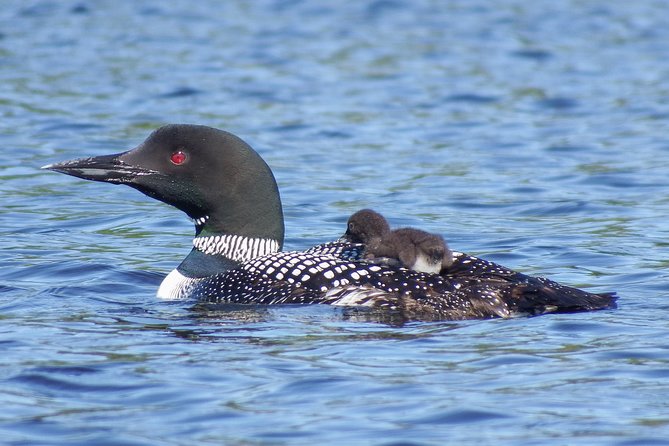
The trip states moose and beaver observation has a 90% success rate. That’s a strong promise, but remember the outdoors still follows its own schedule. Your job is to show up ready to be patient.
To improve your odds in a practical way:
- Stay quiet when your guide slows the canoe. Animals notice sound.
- Keep your attention on the shoreline edges and move slowly when you’re scanning.
- Be ready to switch from “tour mode” to “wildlife mode” without needing constant instructions.
If you’re also interested in fishing, there’s mention of good bass and trout fishing with a stated 90% success rate. You’ll want your own fishing kit, or plan to rent it if you don’t have it. If fishing gear isn’t your priority, you can still make the day feel complete by leaning into wildlife spotting, swimming, and hiking.
And yes, sometimes you’ll go home without the perfect sighting. But even in that case, a well-led wildlife-focused canoe day is still a win because you learn how to look and why you’re looking.
Food in camp: gourmet camp cuisine plus real dietary flexibility
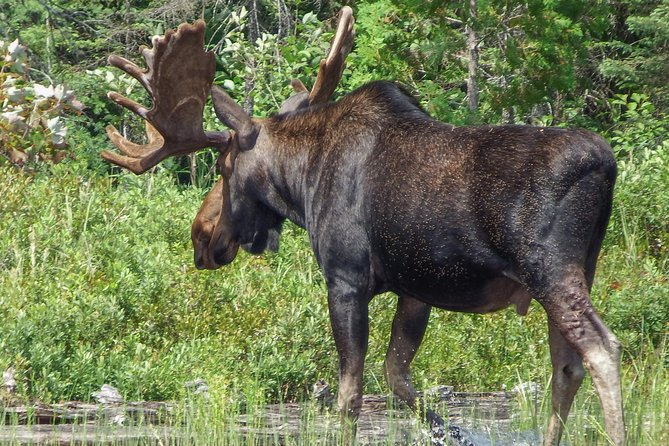
Food is part of the comfort and part of the adventure here. You’re not eating random snacks and calling it a day.
The trip includes gourmet camp cuisine with organic produce from a local farm. That matters on multi-day trips. When you’re paddling and hiking, you need meals that taste good and actually fuel you, not just calories.
Dietary restrictions are handled with clear rules:
- Vegetarian, nut free, lactose free, and no pork can be accommodated if you tell them in advance.
- Vegan and gluten free can be accommodated for an extra $50 CAD plus 13% tax.
You should plan ahead for dietary needs and email early. In a backcountry context, the guide needs time to build a safe meal plan with what they’re bringing.
Gear and comfort: the stuff that makes wilderness feel livable
This is not a bare-bones overnight. You’ll be traveling with provided gear that’s meant to reduce headaches.
Included gear highlights:
- Canoe + paddles + life jacket + safety kit (so you don’t have to figure out equipment compatibility).
- Tent, air pad, sleeping bag (with fresh liner), and pillow.
- Hammock for each participant, plus a bug jacket for each participant.
- Mesh dining shelter if required, which can be huge if bugs are aggressive.
- Souvenir water bottle.
- High quality tour photos via Facebook.
There are also a few things you should bring (or rent):
- Flashlight
- Towel
- Fishing kit (if you plan to fish)
- A backpack or duffle bag (rentable)
This kind of planning pays off. The more you can travel light and prepared, the less time you spend rummaging when you’d rather be relaxing.
Mosquitoes, weather, and fitness: the reality check you should plan for
You’ll need moderate physical fitness. This trip includes paddling, portaging, hiking, and swimming. If you’re comfortable doing outdoor activity for hours at a time, you’ll likely be fine.
But the biggest day-to-day challenge is bugs. One experience emphasized that the mosquito pressure can be intense, and it’s smart to use strong repellent like Deet 30% or higher. Don’t wait until you’re already bitten. Put repellent on before the peak annoyance starts.
Weather also matters. The trip notes it requires good weather. If it gets canceled due to poor weather, you’re offered a different date or a full refund. So you should book with flexibility in mind, but also feel okay knowing weather disruptions are handled.
Who should book this Algonquin canoe trip?
This trip is a great fit if you:
- Want to learn canoe camping and improve your paddling skills, not just sit on a canoe.
- Like a guided wildlife focus with an expert naturalist behind the scenes.
- Prefer small groups and real interaction over a big bus-and-van itinerary.
- Care about comfortable camp basics like hammocks, proper sleep gear, and good camp meals.
It may not be your best match if you:
- Hate insects and aren’t willing to use strong repellent and bug gear.
- Want a very easy, minimal-effort outing with no portaging or hiking.
Because the group is small and the guide stays focused, this is also a decent option for families and mixed ages—if everyone is comfortable with the physical demands and the reality of backcountry conditions.
Should you book the 3 Day Algonquin Park Moose & Beaver Safari?
Yes, if you want a guided backcountry canoe trip where you actually do wilderness travel skills (paddling, portaging, hiking) and you get a strong chance at seeing moose and beaver with the help of an expert.
I’d especially recommend it for value-minded travelers. You’re not paying to rent gear and solve logistics. You’re paying for a guide, a complete equipment setup, chosen campsites, and camp meals that keep your energy up for the work of canoe days.
The deciding factors for you should be simple:
- Can you handle moderate physical activity?
- Can you manage mosquitoes with strong repellent and the included bug gear?
- Do you want small-group learning and wildlife time over a quick hit sightseeing trip?
If your answers are yes, this is the kind of Algonquin outing you’ll remember as more than a checklist stop.
FAQ
Where do we meet, and what time does the trip start?
You meet at the Canoe Lake Access Point Permit Office on Highway 60 (km 14.1 north). The start time is listed as 12:00 pm, and the activity ends back at the same meeting point.
How many people are on the trip?
This is a small-group tour with a maximum of 8 travelers and 1 guide.
What canoe and camping gear is included?
The trip includes canoe gear (canoe for 3 people per canoe, paddle, life jacket, and a safety kit) and camping gear (tent, air pad or foam for people over 120 kg, sleeping bag with fresh liner, and pillow). Hammocks are also provided for each participant.
What wildlife can you expect to see?
The tour includes wildlife observation for moose and beaver, with a stated 90% success rate. An expert guide with advanced naturalist training helps you look.
What dietary restrictions can be accommodated?
Vegetarian, nut free, lactose free, and no pork restrictions can be accommodated if you advise in advance. Vegan and gluten free can also be accommodated for an additional $50 CAD plus 13% tax.
What should I bring or plan to rent, and do I need to tip?
Bring a flashlight and towel if you want them, plus a backpack or duffle bag if you do not rent one. Fishing kit is mentioned as bring your own or rent. The guide tip is not included and is suggested at 5–10% of the tour cost (cash).
What happens if the trip is canceled due to weather?
The tour requires good weather. If it’s canceled because of poor weather, you’ll be offered a different date or a full refund.