REVIEW · JACKSONVILLE
Amelia Island Kayak and Paddleboard Rentals Talbot State Park
Book on Viator →Operated by PADL · Bookable on Viator
Paddling the marsh feels like stepping back in time. I love the Salt Marsh setting along the Timucuan Trail, where birds and aquatic life feel close and natural. I also love that the trip handles the basics for you with US Coast Guard approved lifevests and the right paddle gear. One possible drawback: this is weather-dependent, so if conditions are poor, your plans may shift.
You’ll start at 13030 Heckscher Dr, Jacksonville, and the whole experience is set up to be simple and fast to get into. You choose a single kayak, a tandem kayak, or a paddleboard, and the guide gets you oriented with the local waterways so you spend less time wondering and more time gliding.
Guides like Buddy and Stewart make a big difference, especially if you’re new. The outing is listed at about 1 hour, but some trips run longer in practice, and tide timing can affect how the water feels—staff advice leans toward mornings/early afternoon when the water level is more forgiving.
In This Review
- Key highlights before you go
- Launching from Heckscher Dr: where your paddling starts
- What you actually get for $25: value in the included equipment
- Timucuan Trail Salt Marsh: what the water and scenery feel like
- Guides like Buddy and Stewart: the difference between renting and learning
- Timing and tide: planning for easier water and better sightings
- Route realities: how your paddle can play out on different days
- Wildlife moments you can aim for (and how to enjoy them)
- Comfort and safety: lifevests, leashes, and the “stuck in mud” reality
- Who this trip suits best on your Amelia Island day
- Practical tips to make your paddleboard or kayak session smoother
- Should you book PADL at Talbot State Park?
- FAQ
- What craft options are available?
- What safety gear is included?
- Do paddleboards include a leash?
- Where do I meet for the tour?
- How long is the experience?
- Is there any requirement about weather?
- Is a mobile ticket used?
- Are service animals allowed?
- What is the cancellation policy if I need to change plans?
Key highlights before you go

- Timucuan Trail Salt Marsh vibes: a prehistoric-feeling paddle in a preservation area
- Choice of craft: single kayak, tandem kayak, or paddleboard
- Gear handled for you: paddles, paddleboard leashes, and lifevests
- Guides who get you moving: Buddy’s directions and mapping help you stay on route
- Wildlife sightings possible: roseate spoonbill, dolphins nearby, lots of birds and jumping fish
Launching from Heckscher Dr: where your paddling starts
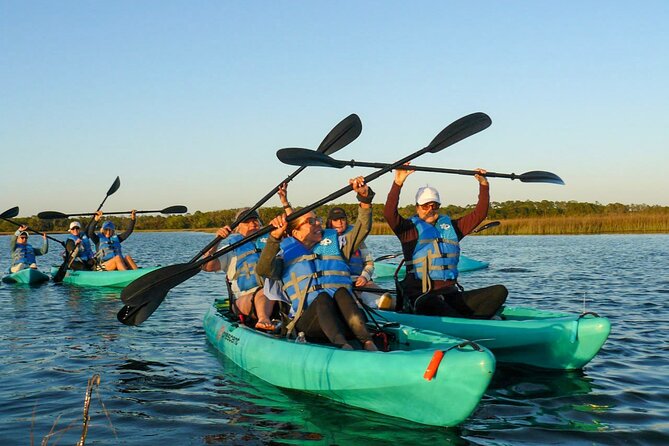
This PADL outing is easy to anchor on location. You meet at 13030 Heckscher Dr, Jacksonville, and the experience ends right back at the same spot. That matters more than it sounds. When you don’t have to think about where to park at the end, you can focus on water time—especially if you’re pairing it with a beach stop later.
The setting you’re heading into is on the southern edge of Amelia Island, in/around Talbot State Park and the Timucuan Trail National Preservation. The whole point is the feel: not a big open-water slog, but a sheltered marsh route where you can watch birds work the shallows and where aquatic life shows up in small, constant ways.
You’ll also notice the operation is set up for flow. Confirmation happens when you book, and the experience uses a mobile ticket, so you’re not dealing with paper chaos. It’s a small detail, but when you’re doing water activities, anything that reduces friction is worth it.
You can also read our reviews of more tours and experiences in Jacksonville.

What you actually get for $25: value in the included equipment
At $25 per person, the real value isn’t only the price—it’s what’s wrapped into it. You’re not just buying a spot on a boat. You’re getting the craft and the safety basics.
Included gear:
- A paddleboard or a single kayak or tandem kayak
- Paddles
- Lifevests approved by the US Coast Guard
- Leashes for paddleboards
That’s a big deal if you don’t own water gear. Buying a board, a suitable paddle, and a life vest separately can cost way more than a short guided outing. Here, your money goes into time on the water plus a guide who helps you use the gear correctly.
If you’re comparing this to DIY rentals, the difference is guidance. Even for experienced paddlers, marsh routes can be tricky because the channel cues and water movement can change quickly. A guide can help you stay in the flow instead of wasting energy figuring out where to go.
Timucuan Trail Salt Marsh: what the water and scenery feel like
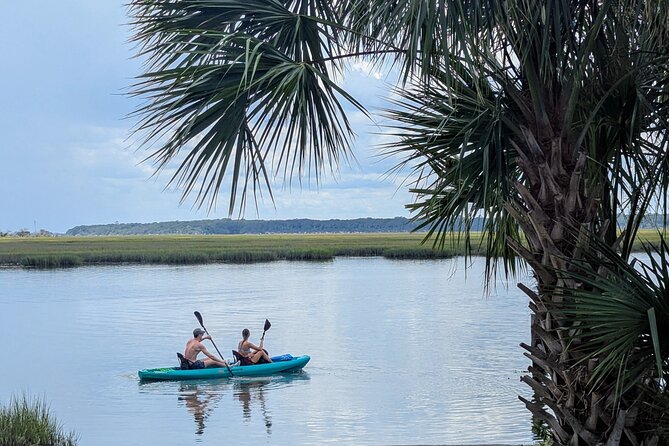
This is a salt marsh paddle. Translation: you’re in a world of shallow water, grasses, and wildlife that uses the edges. The description from the provider leans into the feeling of exploring before development—like you’re in a version of the landscape that hasn’t been paved over.
What you can reasonably expect:
- Birds are a main event
- You’ll often see aquatic sea life, including fish activity (jumping is mentioned)
- The marsh and seagrass create a gentle “corridor” feel—more like moving through a living habitat than cruising a wide bay
You’ll likely spend time panning your gaze from water-level detail (fish, movement, splashy moments) up to the shoreline birds. The mix is what makes this outing more than a simple rental. The marsh rewards patience.
And yes, it can feel dramatic in a quiet way. Marsh paddling doesn’t have the loud “tour bus” energy. It’s more like steady motion with frequent wildlife check-ins—especially if you’re there when light hits the water well.
Guides like Buddy and Stewart: the difference between renting and learning
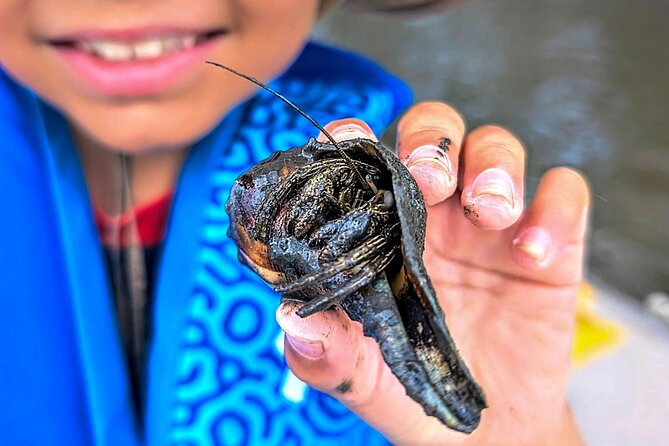
The biggest repeat theme in the experience is the guides’ on-water help. Not generic instructions. Actual direction and practical tips.
Buddy, for example, is highlighted for sharing info throughout the trip in a way that’s both fun and genuinely caring. There’s also a specific moment described where a group got stuck in the mud, and the guide helped them through. That’s the kind of small “real-life” issue that can ruin a DIY outing. With a guide, you’re more likely to keep the trip moving instead of turning it into a wrestling match.
Stewart is mentioned for great service and for helping set expectations around timing and conditions. In one case, advice pointed toward going in the morning or early afternoon while the tide is high—because that tends to make marsh travel easier and smoother.
You’ll also hear that the guide can provide directions and a map to help you follow the right route. On the water, that matters. When visibility and water cues can be subtle, it’s nice to know you’re not accidentally paddling into the wrong pocket of marsh.
Timing and tide: planning for easier water and better sightings
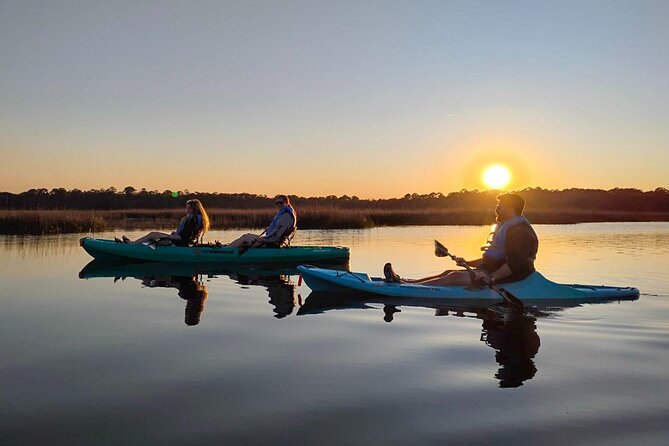
Tide isn’t just a detail here—it changes how marsh paddling feels. One group went on a Tuesday afternoon just before the tide was set to come down. Even with that timing challenge, staff still helped with orientation to reduce stress and set the group up with tips on local beaches afterward.
Another tip is simple: if you want an easier outing, go when the tide is higher. That advice shows up for planning an afternoon visit, and it tracks with how shallow marsh routes can get bumpier when water levels drop.
How to use this advice:
- If you’re hoping for a calmer, smoother paddle, lean toward earlier in the day.
- If you go later, treat it as a more adventurous session. Bring patience and don’t expect the same ease as high tide conditions.
You’re still outdoors, and water conditions can shift, but your odds improve when you respect tide timing.

Route realities: how your paddle can play out on different days
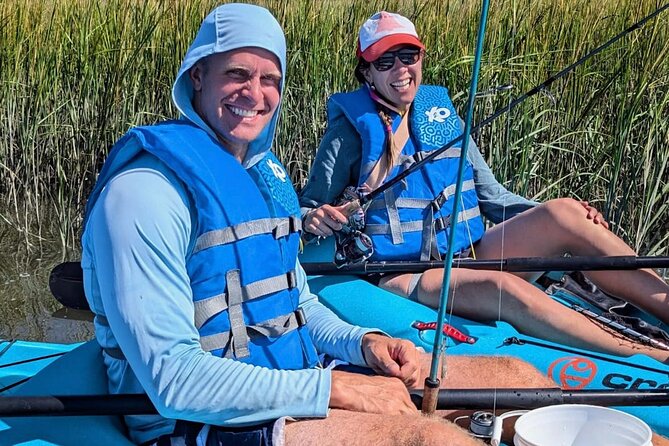
Your experience runs in the salt marsh environment on the southern edge of Amelia Island. The exact path can vary based on conditions, which is normal for marsh paddling. What matters is that you’re not left to guess.
One described option involved a south route from a Talbot island office area, then heading toward a river, followed by a turnaround and return. That tells you something important: marsh trips often function like a guided “go out, experience what’s around you, then come back” plan rather than a long, open-ended exploration.
So if you’re the type who likes to know what’s coming, you’ll probably feel comfortable here. If you prefer to be surprised, you’ll still get variety—just within a marsh frame that keeps the trip manageable.
Wildlife moments you can aim for (and how to enjoy them)
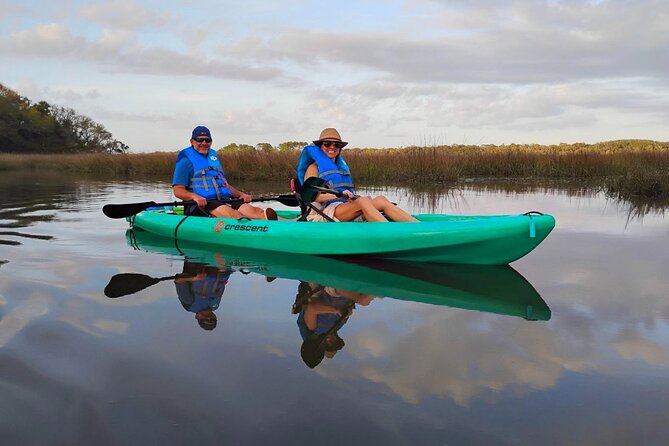
This isn’t a guarantee-of-dolphins kind of activity, but wildlife is a real focus. You can see:
- Lots of birds
- Fish activity, including fish jumping
- A standout mention of the roseate spoonbill
- A mention of a dolphin nearby
That dolphin sighting is worth noting because it shows how quickly an marsh trip can shift from “quiet wildlife viewing” to “wait, what was that?” energy. Dolphins aren’t something you can plan like an appointment, but when the conditions line up, the marsh-to-adjacent waterways can produce unexpected encounters.
How to enjoy wildlife responsibly:
- Keep your movements smooth and avoid sudden splashes.
- Watch quietly first, then paddle toward the view if the guide indicates it’s safe.
- Don’t crowd animals. Let them do their thing, and you’ll get longer, better looks.
The guide’s role here is also practical: they can point out what you’re looking at so you’re not just seeing shapes—you’re understanding what it means.
Comfort and safety: lifevests, leashes, and the “stuck in mud” reality
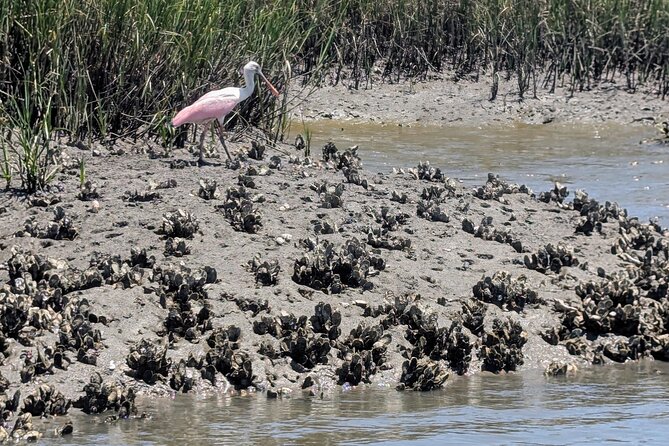
Safety is built in, not tacked on. You get lifevests that meet US Coast Guard standards. That’s especially important for marsh paddling because you may deal with shallow water, uneven ground, or occasional contact with mud or grasses.
If you choose a paddleboard, you also get a leash. That reduces the chance of your board drifting away if you lose balance. It’s the kind of small piece of gear that makes paddleboarding feel far less scary for first-timers.
One review highlights a moment where a group got stuck in the mud, and the guide helped them through. That’s a good reminder that marsh water isn’t always “easy mode.” It can be calm and pretty, and still have moments that test your footing and technique. With a guide onboard, those moments are more likely to end quickly and with less stress.
Who this trip suits best on your Amelia Island day
This is a strong fit if you’re any of the following:
- New to paddleboarding or kayaking and want a guided setup
- A wildlife lover who prefers quiet, close-to-nature outings
- Someone who wants a short, focused activity that still feels like an experience—not just a rental pickup
It’s also a nice option if you want a manageable time commitment. The tour is listed at about 1 hour (approx.), which works well if you’re building a half-day plan around beaches and other Amelia Island stops. Just note that some sessions can run longer in practice, so don’t schedule your next activity too tightly.
If you’re a seasoned paddler, you might still appreciate the route help, mapping, and local waterway orientation. Even experts can benefit from a guide who knows how to read conditions in a specific marsh system.
Practical tips to make your paddleboard or kayak session smoother
These are the small things that can improve your day without adding stress:
- Go early if you can, when water tends to be higher. That’s been recommended for easier paddling.
- Expect birds and fish first, bigger wildlife second. The marsh is a slow-reward environment.
- If you’re nervous about equipment, remember you’re not on your own. Staff orientation is part of the value.
- Wear gear you don’t mind getting wet. Marsh paddling can mean splashes, wet grasses, and the occasional muddy surprise.
Also, consider booking a week or so ahead if you want your preferred slot. The activity is commonly booked about 7 days in advance.
Should you book PADL at Talbot State Park?
If your idea of a great Amelia Island outing is quiet water, wildlife you can actually see, and a guide who helps you feel confident fast, I’d book it. The price-to-value ratio is strong because gear and lifevests are included, and the guides’ help shows up in real moments like route guidance and getting unstuck if conditions get tricky.
I’d think twice only if you’re flexible about weather timing and you’re not comfortable with a short, conditions-based outing. Since the experience requires good weather, it’s best as a plan you’re ready to adjust rather than something you must squeeze into a rigid schedule.
If you want a marsh paddle that feels more like exploration than entertainment, this is the kind of experience that delivers.
FAQ
What craft options are available?
You can choose a paddle board, a single kayak, or a tandem kayak. Paddles are included with the rental.
What safety gear is included?
The rental includes US Coast Guard approved lifevests.
Do paddleboards include a leash?
Yes. Paddleboards include leashes.
Where do I meet for the tour?
The meeting point is 13030 Heckscher Dr, Jacksonville, FL 32226, USA.
How long is the experience?
It is listed as about 1 hour (approx.). Some trips may run longer depending on conditions.
Is there any requirement about weather?
Yes, the experience requires good weather. If it’s canceled due to poor weather, you’ll be offered a different date or a full refund.
Is a mobile ticket used?
Yes. You’ll receive a mobile ticket, and confirmation is received at booking.
Are service animals allowed?
Yes, service animals are allowed.
What is the cancellation policy if I need to change plans?
You can cancel for a full refund if you cancel up to 24 hours in advance. If you cancel less than 24 hours before the experience starts, the amount you paid is not refunded.