REVIEW · JACKSONVILLE
Self-Guided Kayaking: Real Florida Adventure
Book on Viator →Operated by Paddle Jax Amelia · Bookable on Viator
Blackwater kayaking feels like time travel. This self-guided two-hour paddle through a quiet blackwater tributary near Amelia Island lets you go at your pace, with an easy up-and-back route and all the kayaking gear provided. I love the wildlife potential and the way the shaded wetland water turns into mirror-like photo moments. One possible drawback: because it’s self-guided and outdoors, you need to be comfortable stepping into shallow water and you should expect wildlife sightings to vary.
The best part is how low-stress it feels. You won’t be wrestling with a map, and the route is designed so you don’t have to solve a navigation puzzle mid-stroke. There’s also an audio-style self-guided component (speaking points that play) so you’re not totally on your own.
If you’re a beginner, this can be a smart pick. The wetland waterway is less affected by tide than open-coast paddling, so the experience tends to feel more manageable at different times of day. Just keep in mind it’s still a real paddle in real nature, and the safest approach is to take it slow.
In This Review
- Key Highlights You’ll Actually Feel on the Water
- Why This Blackwater Paddle Feels Relaxed (Even If You’re New)
- How the Self-Guided Route Really Works (No Map Required)
- The Launch at Yulee: What to Expect Before You Paddle
- Entering the Blackwater: Wildlife Spotting and Photo-Ready Reflections
- Paddling Out Up the Creek: Set Your Pace and Let the Trip Teach You
- Turning Around and Getting the Best Second Half
- Gear and Comfort Tips That Matter in Real Florida Heat
- Price and Value: What You’re Getting for Two Hours
- Who Should Book This Self-Guided Kayak Trip (and Who Should Skip It)
- When Weather Changes Your Plans (And How to Think About It)
- Should You Book Real Florida Adventure’s Self-Guided Kayaking?
- FAQ
- How long is the self-guided kayaking experience?
- Do I need kayaking experience or a map?
- What equipment is included?
- Are there age requirements for the tour?
- Do I need to know how to swim?
- What happens if the weather is bad?
Key Highlights You’ll Actually Feel on the Water
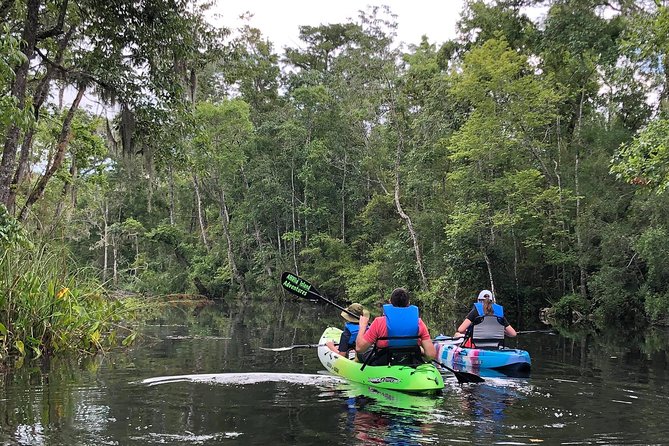
- Self-guided, no map needed with a simple one-way up and back route
- Blackwater scenery for photos thanks to mirrored reflections in the shaded wetland
- Wildlife spotting focus with turtles, birds, fish, and alligators possible
- Beginner-friendly water conditions since this wetland route is less tide-driven than the coast
- Equipment provided so you aren’t shopping for paddles, life jackets, and basics
- Private outing for your group so you’re not mixed into a crowd
Why This Blackwater Paddle Feels Relaxed (Even If You’re New)
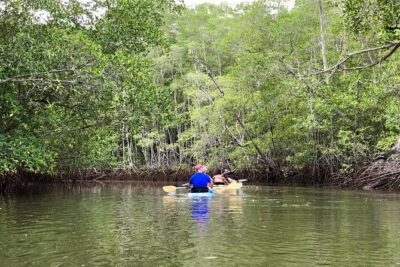
This is the kind of kayaking that works because the water does a lot of the talking for you. You’re paddling a blackwater tributary of Amelia Island, meaning the channel is dark and calm-looking from tea-colored water and heavy tree cover. That matters because it tends to make the experience feel quieter and more natural than high-traffic open water.
It’s also described as less influenced by the tide than direct coastal waters. Translation: you’re more likely to have conditions that feel predictable for a beginner. You’ll still paddle, but you’re not planning your trip around the same tide swings you’d deal with on open coast routes.
On top of that, the setting is built for watching. The route runs through trees and wetlands, and the waterway is known for wildlife sightings like turtles and alligators, plus lots of birds and fish activity. Even if you don’t catch everything, the soundscape alone is worth it: you’re out there listening to moving water, birds, and general Florida nature noise.
You can also read our reviews of more tours and experiences in Jacksonville.
How the Self-Guided Route Really Works (No Map Required)
The core idea is simple: you get a one-way route up the creek and then you come back the same way. That design is a big deal for your comfort level. When a trip is self-guided but the route logic is straightforward, you can focus on paddling technique and spotting wildlife instead of constantly checking where you are.
You’ll follow the self-guided setup using the provided instruction style and the self-guided audio component (speaking points that play). That’s especially useful if you want context while you paddle, without needing to keep stopping for questions.
Since it’s one way up and back, you also get an unspoken pacing advantage. Going out feels like a gradual warm-up. The return gives you a second chance to slow down, look at reflections, and watch for wildlife you missed the first time.
And because it’s private for your group, you’re not constantly dodging different skill levels or adjusting to a loud crowd. It’s more like an outing than a production line.
The Launch at Yulee: What to Expect Before You Paddle
Your start point is at 463540 FL-200, Yulee, FL 32097. The activity ends back at the meeting point, so you don’t have to plan a separate pickup.
On arrival, you’ll get your kayaking gear and head out. People consistently describe the staff as friendly and helpful, and they’ve been known to greet groups with top-of-the-line kayaking equipment and even small added touches like water for the outing. One staff member you might run into is noted as Zoe, and another as James—names that show up in experiences shared afterward.
Plan for an actual water step-up. Kayakers must be willing to step in about six inches of water to enter and exit the kayak. That’s not deep, but it is real. Wear footwear you don’t mind getting wet, and be mentally ready for a short wade rather than a smooth dock entry.
You should also know the key safety expectation: all kayakers must be capable swimmers in case of emergency. If you’re not confident in open water swimming, this is the wrong activity style for you.
Entering the Blackwater: Wildlife Spotting and Photo-Ready Reflections
Once you launch, the experience shifts into a slow observation mode. The waterway is lined with trees, and that tree canopy does two useful things: it creates calm-looking paddling and it frames the reflections.
That’s where the blackwater part becomes more than a label. The mirrored surface can be excellent for photos because the water acts like a reflection board, especially when you’re moving gently and not stirring up much turbulence. If you like travel photos, this is the moment to take your time.
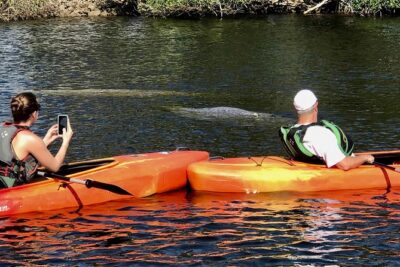
Then comes the wildlife question, and this area has a strong track record. The experience highlights include the possibility of seeing turtles (often you’ll spot them by movement or by a quick sighting near the surface), alligators (possible, not guaranteed), many species of birds, and fish activity. Flora and fauna are also part of what you’re looking for, so keep your eyes wide—not just on the water, but along the edges where plants meet the channel.
Here’s the practical mindset that helps: don’t force sightings. Paddle smoothly, pause when you see birds working the air or water, and let your kayak drift a little when something catches your eye. Most of the time, wildlife shows up when you stop rushing.
Paddling Out Up the Creek: Set Your Pace and Let the Trip Teach You
The outbound paddle is your best window to get comfortable with the rhythm of your kayak. Since you can paddle at your own pace, use that to settle into technique: short, steady strokes rather than big power surges. If you’re new, focus on control. The goal isn’t speed, it’s smooth movement through a narrow wetland channel.
Because this is a wetland tributary that’s less influenced by tide than open coastal waters, you can usually settle into a steady effort without constantly adjusting for changing current. That’s why it’s promoted as a great option for beginners at different times of day.
If you’re traveling with kids, keep the pace even more relaxed. The activity is recommended for ages 4 and up, and children under 12 must ride in a tandem kayak with an adult. Tandem kayaking changes the feel—shorter, easier movements and more coordination—so plan for gentle paddling and frequent observation breaks.
If you’re there for the quiet factor, the outbound stretch is typically when the creek feels most peaceful. With the right timing, you can experience that off-the-beaten-path Florida mood where the only soundtrack is nature.
Turning Around and Getting the Best Second Half
Since the route is up and back, your turnaround is basically a built-in reset. You go from exploration to repetition, and that’s useful. On the return, you’ll recognize landmarks, tree lines, and water patterns. That means less mental effort and more attention for details like bird calls and plant life.
It’s also a good time to reconsider your camera habits. The reflections you notice on the way out will likely show up again. If you didn’t slow down enough earlier, the return often gives you the space to do it.
This is also where patience can pay off for wildlife. If you were scanning for turtles earlier and missed them, you may catch them on the way back. If you were watching for alligators and didn’t see any, the return may still surprise you—especially if you didn’t slow down long enough the first time.
One more practical note: self-guided doesn’t mean hands-off safety. You’re still out there on water, so listen for your own limits. If you’re tiring out, your advantage is that you’re on an easy, known up-and-back route—you’re not searching a complex system to find your way.
Gear and Comfort Tips That Matter in Real Florida Heat
You’ll have all kayaking equipment provided, which is a big part of the value here. This avoids the hassle of borrowing or renting basics separately, and it reduces friction if you’re just passing through Jacksonville.
You still need to bring your personal comfort items. The trip strongly recommends sunblock, and it’s smart to bring water and snacks if you want them. People have also advised bringing a change of clothes or wearing swimwear, because you should expect to get a little wet—not just from paddling, but from entering and exiting the kayak in shallow water.
Also plan for age-appropriate expectations. For kids under 12, tandem is required. That’s not a minor detail—tandem kayaking is often easier for younger paddlers because an adult is controlling direction and pace more directly.
And because it’s outdoors, weather matters. The experience is subject to favorable weather conditions. Light rain generally doesn’t automatically cancel the outing unless temperatures are low (the approach is that they don’t cancel for light rain unless it’s under 60°F, then rescheduling or cancellation options are offered). In warm months, sun exposure becomes your main variable, even when paddling feels easy.
Price and Value: What You’re Getting for Two Hours
Even without seeing exact pricing here, the value story is pretty clear. You’re paying for a 2-hour self-guided adventure that includes provided gear, a simple route design, and an optional audio component to add context as you paddle.
Two hours also keeps the stakes low. This isn’t a long endurance tour where you’re stuck if you start feeling off. If you want “a real Florida adventure” without committing a half-day, this duration hits a sweet spot.
The strongest value signal is the outcome quality: the experience is rated 4.9 with 98% of travelers recommending it. That kind of satisfaction usually means people feel they got what they came for—an easy paddle, memorable wildlife moments, and a well-run setup that doesn’t require expert navigation skills.
One fair consideration: wildlife sightings aren’t guaranteed. When you go in expecting a certain animal, you can end up disappointed. The better plan is to go for the creek, the reflections, the quiet, and the wildlife odds. The sightings are a bonus.
Who Should Book This Self-Guided Kayak Trip (and Who Should Skip It)
I think this fits best if you want nature time with minimal stress. It’s a strong choice for beginners because the wetland route is less tide-driven than direct coastal paddling and the trip is designed for self-paced movement.
It’s also great if you don’t want to schedule your attention around a guide’s talking points every few minutes. You can go at your own pace, stop when you see something, and keep moving when you’re ready.
Book it if any of these are your goals:
- Easy paddle time without map navigation
- Wildlife viewing in a shaded wetland setting
- Photo opportunities from mirrored blackwater
- A fun outing that feels like an escape, not a class
You might want to skip it if:
- You’re not comfortable stepping into shallow water and entering/exiting that way
- You don’t meet the requirement of being a capable swimmer
- You want guaranteed wildlife sightings (none are promised)
For families: ages 4+ is allowed, with tandem requirements under 12. For couples and friends: the private setup is a nice way to keep the outing calm and personal.
When Weather Changes Your Plans (And How to Think About It)
This experience runs only when conditions are favorable. If weather is poor enough that they cancel, you’ll be offered a choice of an alternative date or a full refund.
You can also plan around the way they handle rain. Light rain on its own generally doesn’t trigger cancellation, but temperature matters. If it’s cold enough (below 60°F) and rain is involved, the approach shifts to rescheduling or canceling so the outing stays safe and comfortable.
There’s one more practical factor: the tour can also be canceled if a minimum number of travelers isn’t met. If that happens, you’ll still get options like another date or a full refund.
My advice: book with enough flexibility that you can handle a schedule shift. If you’re traveling with tight connections, check conditions the day before.
Should You Book Real Florida Adventure’s Self-Guided Kayaking?
Yes—if you want a beginner-friendly, low-navigation paddle that focuses on quiet wetlands, blackwater reflections, and wildlife possibilities.
The biggest reasons to book are the ones that show up again and again in how people describe the experience: easy pacing, provided gear, a one-way up-and-back route that makes navigation simple, and a setting that’s made for spotting turtles, birds, fish, and occasionally alligators. Add the self-guided audio component and the fact that you’re not stuck in a noisy group, and it’s a strong match for authentic Florida nature time.
Just go in with the right expectations. You’re choosing an easy outing with wildlife odds, not a guaranteed animal-watching safari. Bring sun protection, be ready to wade in, and treat the paddle like a slow nature walk that happens to float.
FAQ
How long is the self-guided kayaking experience?
The tour is about 2 hours.
Do I need kayaking experience or a map?
You do not need a map. The route is a one-way up and back, and the trip is designed to be manageable for even beginner kayakers.
What equipment is included?
All kayaking equipment is provided for you.
Are there age requirements for the tour?
The tour is recommended for ages 4 years old and up. Children under 12 must ride in a tandem kayak with an adult.
Do I need to know how to swim?
Yes. All kayakers must be capable swimmers in case of emergency.
What happens if the weather is bad?
The experience requires favorable weather. If it’s canceled due to poor weather, you’ll be offered an alternative date or a full refund. Light rain typically does not cancel unless temperatures are under 60°F.