REVIEW · RAIATEA
Apetahi day trip around Raiatea on a modern outrigger canoe
Book on Viator →Operated by Raiatea Blue Lagoon · Bookable on Viator
One day can pack dolphins, coral, and a UNESCO temple. On a modern outrigger canoe called Blue Lagoon, you cruise Raiatea with space to relax, plus a trampoline for play on calmer moments.
I love the way this trip mixes big scenery with small, real-world stops: snorkeling at Nao Nao’s protected coral garden, a respectful visit to the Marae de Taputapuatea UNESCO site, and then that “Amazon-style” time along the Faaroa River when weather allows. One thing to consider: it’s weather-dependent, and on rougher water you’ll likely get more spray than you’d expect, even with shade and comfort built in.
In This Review
- Key highlights you’ll actually care about
- Blue Lagoon and the Apetahi vibe: a small-boat day that feels local
- The Raiatea cruise on the west coast: where the guide controls the day
- Nao Nao motu snorkeling: preserved coral and calmer water habits
- Marae de Taputapuatea: UNESCO weight, not just a photo stop
- Fa’aroa Bay and the Faaroa River “Amazon” feel
- Lunch by the water: included, with real views
- What you’re really paying for: price, inclusions, and time on the water
- Boat comfort and the small details that make a difference
- Who this is best for—and who should skip it
- Should you book the Apetahi day trip on Blue Lagoon?
- FAQ
- What time does the Apetahi day trip start?
- Where do I meet for the tour?
- Is lunch included?
- Do I get snorkeling gear?
- How many people are on the tour?
- Is transportation included from my hotel?
- What happens if the weather is bad?
Key highlights you’ll actually care about
- Blue Lagoon modern outrigger comfort with lounges, shade options, and a trampoline
- Small group size (maximum 12) for a more personal day on the water
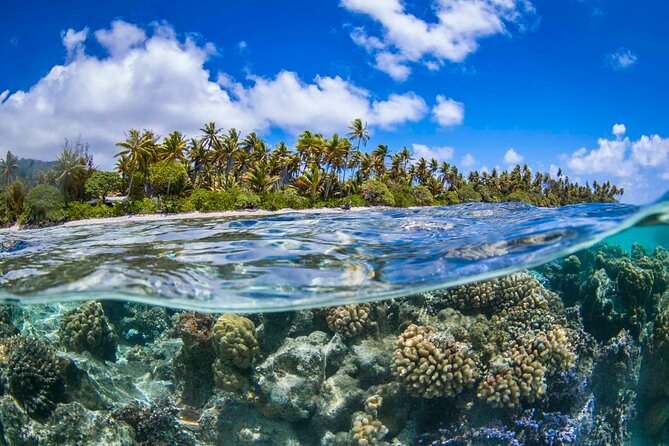
- Nao Nao motu snorkeling in a preserved coral garden with multicolored fish
- Taputapuatea UNESCO visit at a sacred archaeological site (go in respectful mode)
- Faaroa Bay inland time that can turn into a river adventure if conditions are right
- Lunch, snacks, and snorkeling gear included so you’re not juggling supplies all day
Blue Lagoon and the Apetahi vibe: a small-boat day that feels local
Raiatea is one of those places where a “boat day” can be either a fast photo tour or a real experience. This Apetahi trip leans toward the real thing. You start early (8:30 am) and you’re back at the meeting point the same day, with a full rhythm of cruising, stops, and time to breathe.
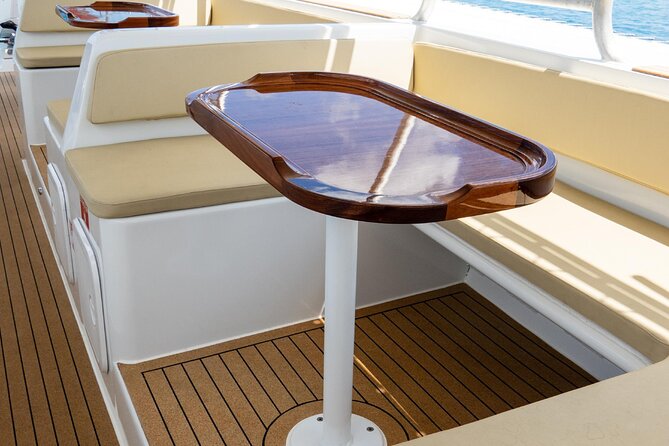
The star is the boat: Blue Lagoon, a modern outrigger canoe designed for comfort. Think comfortable lounges, practical seating, and places to catch sun when it’s out. The trampoline is there too, which sounds like a gimmick until you’re on deck with warm air and nothing but water around you. If you like being a little active without having to “tour like a soldier,” you’ll get it.
Guiding matters on a day like this, and the trip is led by a captain/guide—Jimmy comes up again and again—who focuses on keeping you safe, informed, and comfortable. That matters when you’re crossing open water and switching gears from cruising to snorkeling to sacred-site etiquette.
You can also read our reviews of more tours and experiences in Raiatea.

The Raiatea cruise on the west coast: where the guide controls the day
After you meet at Shell in Uturoa (the tour ends back at the same meeting spot), the first stretch heads along Raiatea’s west coast. This part is about travel time with purpose. The guide picks the best possibilities for discovery based on what’s working that day—light, wind, and sea conditions.
You’re not just passing scenery. You’re actively moving through Raiatea’s different moods: brighter turquoise stretches when the water looks calm and inviting, darker patches when there’s swell, and long looks at the island’s contours that you just don’t see from shore.
This is also where wildlife odds start to kick in. In good conditions, dolphin sightings can happen early. Some days include wild moments like a whale sighting on top of dolphin activity, but even when it’s “only” dolphins, it’s still a special kind of Raiatea welcome—quiet, sudden, and very Polynesian.
Practical note: you’ll be on the water for hours. If you’re sensitive to motion, bring whatever you normally use for boat days. And dress for both sun and spray.
Nao Nao motu snorkeling: preserved coral and calmer water habits
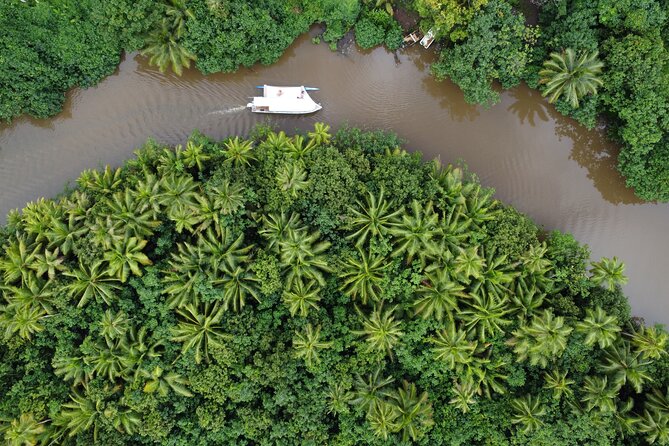
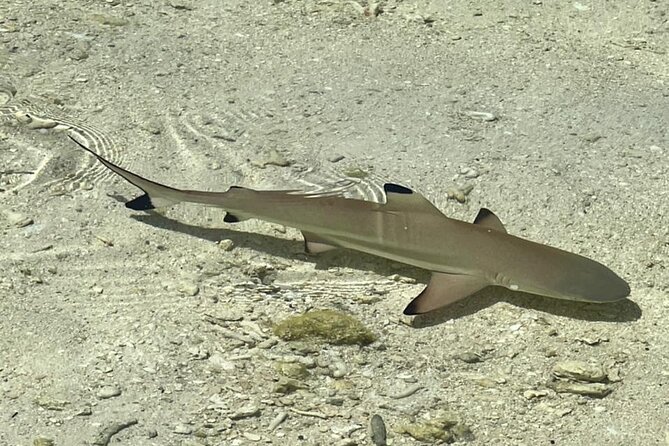
Next comes Nao Nao, a motu in the south of Raiatea that’s known for snorkeling in a preserved coral garden. This is one of the most praised parts of the day, and for good reason. You’re not hunting for fish; you’re looking at them in a structured, protected reef setting where snorkeling feels straightforward.
What you’re likely to see includes coral formations described as coral potatoes (yes, that’s the term used) and a scatter of multicolored fish. The vibe here is quieter than the most crowded coral-garden options. You get the feeling you’re at a place meant for reef viewing—not a constant churn of people.
Time-wise, you get about two hours in this stop. That’s enough to snorkel at a comfortable pace, rest on the boat between swims, and still feel like you’re not rushing the reef. Snorkeling gear is included, which keeps your mental load low—one less thing to worry about after you’ve already handled sunscreen, towels, and whatever you wore on deck.
A realism check: reef visibility depends on conditions. If the day is windy or choppy, water clarity can shift. But the payoff remains the same: preserved reef life, a clear sense of place, and a snorkeling stop that feels like part of the island rather than a ticketed circus.
Marae de Taputapuatea: UNESCO weight, not just a photo stop
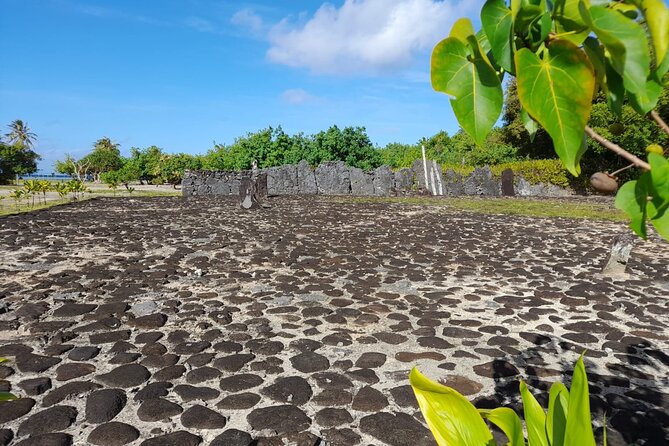
Then you shift from ocean to culture. Taputapuatea Marae is an archaeological site in Raiatea, classified as a UNESCO World Heritage site (recognized in 2017). It’s sacred ground, and the visit is described as being done with the greatest respect for the place.
For you, that means the experience isn’t just walking and snapping photos. You’ll be guided through what this place represents and how to approach it properly. If you’ve visited other Polynesian marae, you already know the atmosphere changes when you step into a sacred space.
This stop is about an hour. That length is smart: enough time to understand the significance and absorb the mood, without turning it into a lecture marathon. It also prevents the day from becoming too heavy in one category. You’ve got the ocean energy, then the culture weight, then you can reset for the next boat segment.
My advice: treat this as a mindset switch. Keep your voice low, follow your guide’s cues, and give yourself a moment to just look around. Even when you know the facts, the atmosphere is what sticks.
Fa’aroa Bay and the Faaroa River “Amazon” feel
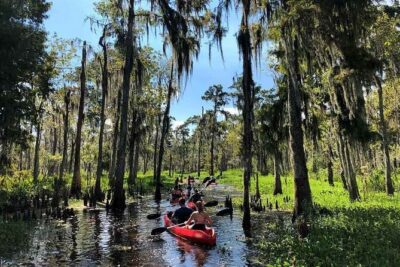
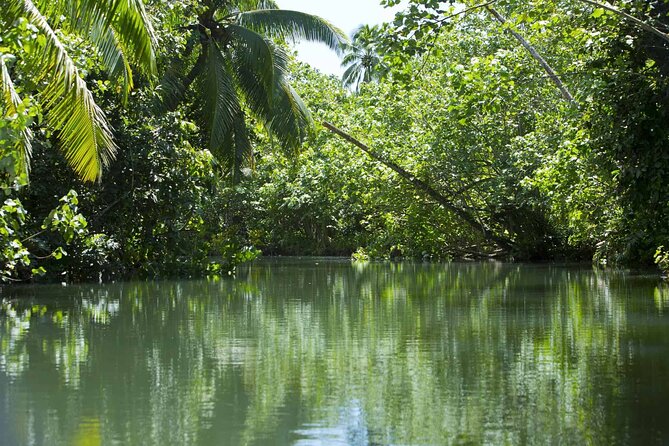
After lunch and snacks, the day turns more adventurous—Fa’aroa Bay and the Faaroa River area. This is often described as an “Amazonian” landscape, and the key phrase for planning is weather permitting.
If conditions are right, you can sink inland along the river, which changes the whole feel from open-water cruising to a slower, more sheltered exploration. The water becomes more about motion and atmosphere than distance. You’re not just covering kilometers; you’re experiencing the island from an angle that feels less touristy and more lived-in.
This part is about two hours. It’s long enough to feel like a proper river segment, but not so long that you feel you’ve lost the rest of your day to logistics.
What to bring mentally: you might get a mix of sun and shade, and you’ll probably end up with dampness from earlier spray. Pack in a way that you can reset your comfort level between stops—dry shirt, wipe-down for sandy gear, or whatever works for you.
Lunch by the water: included, with real views
Lunch is included as a gourmet break by the water, and you’ll get snacks during the day too: water, juice, chips, and fruit depending on the season. That combination is a big part of the trip’s value. You’re not spending your afternoon budgeting for meals while you’re trying to enjoy the scenery.
From the way people talk about it, lunch feels like it’s meant to be enjoyable, not just filling. The setting is important: you eat somewhere with views, and you can actually relax before the next leg.
Also, don’t assume lunch will be a full-on feast. The style is described as light/gourmet, and there may be an option to order more at your own cost if you want it. Either way, you’ll leave lunch properly fueled for snorkeling and the river portion.
What you’re really paying for: price, inclusions, and time on the water
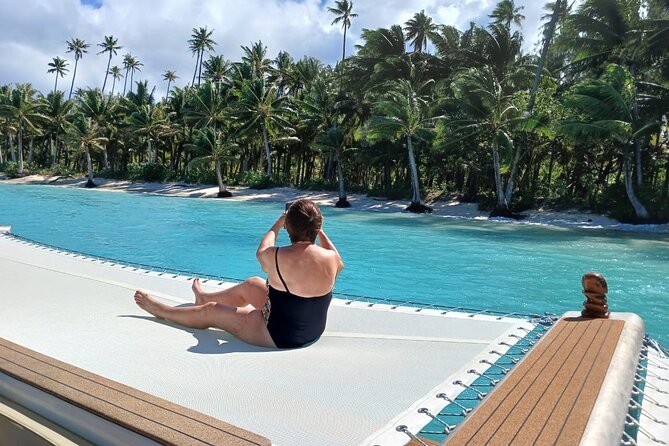
The price is $156.69 per person for about 7 to 8 hours, and that includes a lot that many day trips make you pay for separately: lunch, snacks, water/juice, snorkeling equipment, and the boat experience itself.
Here’s why I think it can be good value:
- You get a full-day schedule that would be hard to DIY safely. Open-water travel, snorkeling stops, and a structured UNESCO visit aren’t as simple as renting a car and hopping on a beach.
- The group size is capped at a maximum of 12, so you’re not crammed into a huge mass-tour. That usually translates to less waiting, more attention, and smoother transitions.
- You don’t have to bring snorkeling gear. That’s one less thing to buy or carry, and it helps you travel lighter.
What’s not included is private transportation to the meeting point. So the math depends on where you’re staying. If you’re already in Uturoa (or you can easily reach Shell), you’re in a good spot. If you’re coming from far away and need a taxi or transfer, that’s the main extra cost to consider.
Also, this trip is weather dependent. The listing notes it requires good weather, and if it’s canceled due to poor conditions you’ll be offered a different date or a full refund. In a place like French Polynesia, you plan around the sea. That’s not a weakness—it’s reality.
Boat comfort and the small details that make a difference
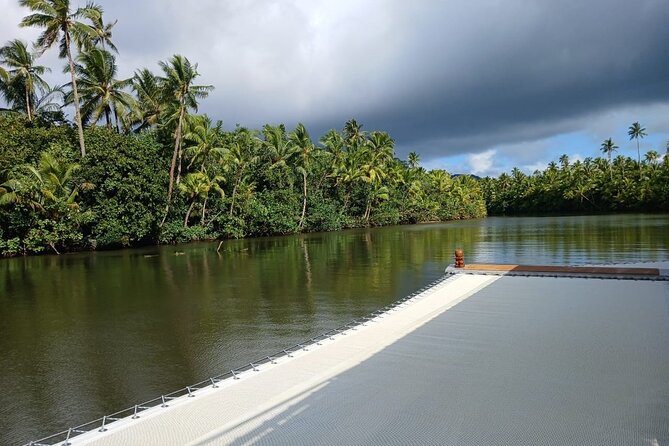
The most repeated praise is comfort and the boat design. People like that you have seating options and that it’s easier to find shade and stay relaxed. There’s also talk of catching sun on the side using a tarpaulin setup, which is practical in an island climate: you want sun when it’s nice and shade when the deck gets too warm.
One practical consideration: water splashing. Even on an outrigger day, you can get wet, especially when conditions get choppy. The good news is the operator has reportedly added deflectors to limit splashing, which suggests they’re watching the comfort issues and improving the hardware.
If you want to stay happiest on deck, bring:
- Sunglasses with a secure strap (spray happens)
- A light dry layer for later
- Reef-safe sunscreen (you’ll be out long enough to need it)
Who this is best for—and who should skip it
This tour fits best if you want a full Raiatea day with multiple types of experiences: dolphin-and-ocean time, snorkeling, a UNESCO marae, and a river element that feels different from typical lagoon cruising.
It’s also a strong choice for people who like variety without chaos. The day is paced with breaks: cruising, snorkeling, culture, lunch, and then river exploration.
You might want to think twice if:
- You’re extremely sensitive to boat motion (it’s a full day on open water and moving between stops)
- You want only one type of activity (this is not a pure snorkel-only day, and it isn’t a culture lecture day either)
- You dislike weather-based flexibility (the trip requires good conditions)
Should you book the Apetahi day trip on Blue Lagoon?
Yes—book it if you want a smooth, small-group Raiatea day that hits the highlights without feeling like a checklist. The combination of comfort on a modern outrigger, the preserved coral snorkeling at Nao Nao, the respectful Taputapuatea UNESCO visit, and the possibility of dolphins (and sometimes even more) makes this an excellent use of a limited vacation day.
I’d book especially if you’re the type who likes doing things in a thoughtful order: water first, reef next, sacred site with time to take it in, then a river segment that changes the whole tone.
If you’re traveling during a weather window you’re not sure about, still consider it. That’s why the tour’s weather-dependent setup exists. When conditions cooperate, this is the kind of day you’ll remember for the mix of wildlife, reef life, and culture in the same 7–8 hours.
FAQ
What time does the Apetahi day trip start?
The tour starts at 8:30 am and it returns to the same meeting point.
Where do I meet for the tour?
You meet at Shell (Shell7HC4+7J9), Uturoa, French Polynesia.
Is lunch included?
Yes. Lunch is included as a gourmet break by the water.
Do I get snorkeling gear?
Yes. Snorkeling equipment is included.
How many people are on the tour?
The tour has a maximum of 12 travelers.
Is transportation included from my hotel?
Private transportation is not included, so you’ll need to arrange getting to the meeting point.
What happens if the weather is bad?
This experience requires good weather. If it’s canceled due to poor weather, you’ll be offered a different date or a full refund.