REVIEW · CAPE TOWN
Cape Town Kayak Adventure in Table Mountain Marine Reserve
Book on Viator →Operated by Cape Kayak Adventures · Bookable on Viator
A morning on the water beats the usual city routine. This Cape Town kayak trip runs along Table Bay with Table Mountain views, plus a real shot at seeing marine life in the Table Mountain Marine Reserve. It is small-group, guide-led, and built for beginners and return visitors alike.
I especially love the way you get a different angle on Cape Town: Signal Hill, Lion’s Head, Table Mountain, and the Apostles all show up in sequence as you paddle. I also like that you start with clear coaching at Three Anchor Bay and then slide into a short, scenic route (about 3–4 km), so it feels doable even if you are not a fitness hero.
The main drawback to keep in mind is the weather. This is a water-sport day, so fog or rough conditions can lead to changes, and you will be asked to bring the right clothes and attitude for splashes and an ocean breeze.
In This Review
- Key Points at a Glance
- Where the Adventure Starts: Three Anchor Bay Slipway
- Getting Your Bearings: Tandem Kayaks and a 2-Hour Reality Check
- Table Bay Views You Can’t Re-create on Land
- Clifton or V&A Waterfront: Why the Route Choice Matters
- Green Point Lighthouse and the Wrecks of Seafarers Past
- Wildlife on the Water: Heaviside’s Dolphins and More
- Pacing, Comfort, and Sharing Space in a Small Group
- What You’ll Really Pay: Value for Tandem Gear and a Guide
- Weather, Timing, and the Smart Way to Plan Your Day
- Should You Book This Cape Town Kayak Adventure?
Key Points at a Glance
- Small group feel: capped at just 12 participants, with a maximum of 20 travelers for the overall activity window
- Real guide time: you get a briefing and tandem kayaking instruction before you head out
- Table Bay scenery on repeat: mountain views plus coastline landmarks like Green Point and the lighthouse area
- Marine-life odds: you might spot Heaviside’s dolphins, and in real-world trips you can also see seals and even penguins
- Practical setup: lockers for valuables, plus the recommendation to bring warm layers and a change of clothes
Where the Adventure Starts: Three Anchor Bay Slipway
The whole experience starts at Three Anchor Bay, at the slipway (Three Anchor Bay Slipway 8005). Plan to arrive 30 minutes early. You do not just show up, grab a kayak, and hope for the best. You get a proper on-the-water warm-up.
You’ll be guided through how tandem kayaks work, plus safety gear and basic paddling technique before you head out along the coastline. It is a big deal because Cape Town kayaks are close to real ocean conditions, not a calm pool. The brief also helps you avoid the common beginner mistake of overworking your arms while forgetting the whole point of synchronized paddling.
One more practical win: there are lockers for valuables. That means you can bring what you need, keep it secure, and focus on the views and the guide’s directions. Service animals are allowed too, if that matters for your travel setup.
You can also read our reviews of more tours and experiences in Cape Town.

Getting Your Bearings: Tandem Kayaks and a 2-Hour Reality Check
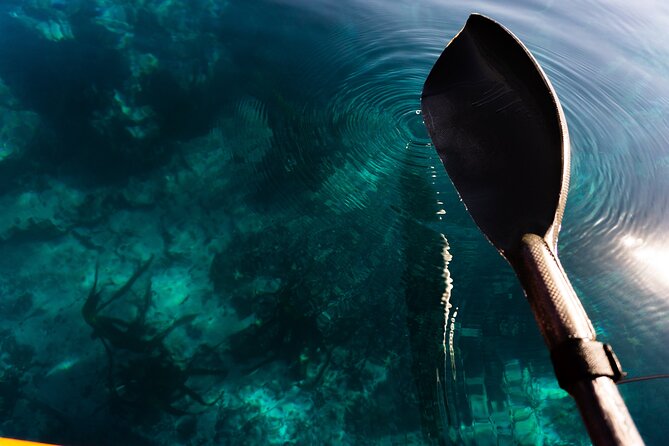
This tour is about 2 hours total, and it is paced like a smart “doable activity.” You’ll paddle the near-shore route for roughly 3–4 km, not a marathon ocean crossing. That matters when you are choosing an activity during a Cape Town trip, because you likely want to stay flexible for the rest of your day.
You should feel comfortable in water and wearing a life jacket. Moderate physical fitness is enough, but you do need to be willing to paddle and keep your rhythm. If you have never tried a kayak before, tandem is the easy mode: you and your partner share the work, and the guide’s instruction helps you get moving without guessing.
Also, wear clothing that can get wet. The ocean breeze can feel great, but splashes happen. Bring something warm for afterward, and pack a change of clothes. That simple plan can turn a good trip into a comfortable one instead of a chilly scramble.
Table Bay Views You Can’t Re-create on Land
If you like photography, you are going to love this. If you don’t, you still will. From the sea, Cape Town’s mountain spine looks dramatic and clean—like the city is laid out on purpose.
As you head out from Three Anchor Bay, you pass a lineup of iconic peaks and landmarks: Signal Hill, Lion’s Head, Table Mountain, and the Apostles. The cool part is that the views are not one photo and done. They shift as you paddle, so you get that slow “moving postcard” feeling.
This kind of coastal route also gives you an ocean-air reset. Even when the day is not perfectly sunny, being on the water changes your pace. You’re not stuck behind a car window or in a viewpoint queue. You’re in motion, and you’re close enough to feel the sea without being overwhelmed.
Clifton or V&A Waterfront: Why the Route Choice Matters
Your kayak route depends on the day’s conditions, and you’ll usually head toward either Clifton or the V&A Waterfront area. Both are worth it, and the difference is less about the distance and more about what you see along the way.
Heading toward Clifton typically means you’re focusing on the stretch of coastline and classic mountain-and-sea angles that people dream about when they picture Cape Town. Heading toward the V&A Waterfront direction tends to blend coastline scenery with more visible city-adjacent landmarks.
Either way, the views stay the headline. This is one of the reasons small-group guiding matters. A good guide helps you keep your bearings and spend time looking, not wobbling and worrying.
If you are flexible, you’ll get the best day. The guide’s route choice is weather-dependent, so trust that the plan you get matches what the sea is offering that morning.
Green Point Lighthouse and the Wrecks of Seafarers Past
One of my favorite parts of this route is that the scenery isn’t only modern and postcard-pretty. You also paddle past Green Point Lighthouse and the wrecks tied to the Seafarer and the RMS Athens. That adds a layer of context to what you’re seeing.
Even without a lecture, it changes how you read the water. Instead of thinking only about the mountains and beaches, you start noticing the coast’s history and the reality of shipping traffic and storms. It’s one of those details that makes a short trip feel more meaningful.
And it keeps your brain engaged. You’re not just staring for dolphins the whole time. You’re moving through a living seascape with physical reminders of what the Atlantic has done over time.

Wildlife on the Water: Heaviside’s Dolphins and More
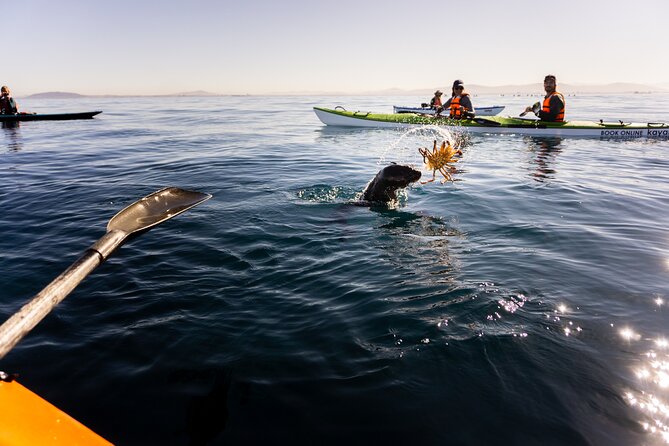
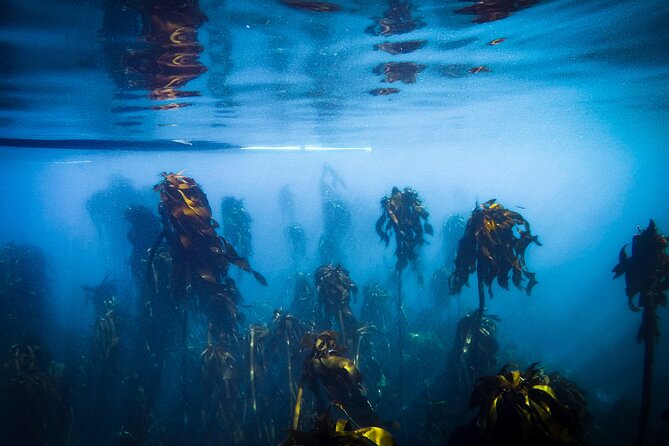
This is a marine reserve area, so wildlife is part of the “maybe” list. The official expectation is that you might see Heaviside’s dolphins, and that’s exactly the kind of sight that turns an active outing into a memory you talk about for years.
In real trips, you can also see other animals. On the water, people have reported seals and, on at least some days, even penguins. You might also see jellyfish and smaller fish. None of this is guaranteed, but the odds are real enough that guides keep scanning the water and pointing out signs of wildlife activity.
If your main goal is dolphins close-up, here’s how to set yourself up mentally. Keep your eyes moving and listen for the guide’s cues. When animals surface, it can be quick. The “best moment” is usually a few seconds long, and you want to be ready for it without panicking your paddle rhythm.
One note for comfort: wildlife spotting is fun, but you still need to follow the safety instructions. Ocean conditions come first, even when the dolphins do a backflip and you swear the sea is putting on a show.
Pacing, Comfort, and Sharing Space in a Small Group
This is capped small-group, capped at 12 participants for the experience, with a maximum of 20 travelers listed for the activity overall. In practice, that means you get a real tour feel, but it is still a group paddle. You will need to match the pace enough to stay together.
Here’s the balanced thing to know: if you are slower than the group, you might end up feeling less included in the group flow. The fix is easy. Before you start, tell the guide your comfort level and ask what to do if you get behind. That one conversation can help you avoid feeling out of sync.
Your best plan is to communicate early, not halfway through. If you’re new to kayaking, your first goal should be smooth paddling and staying upright. Then you can relax and enjoy the views as confidence builds.
What You’ll Really Pay: Value for Tandem Gear and a Guide
At $28.76 per person, this feels like strong value for what you get. You are paying for several things at once: a professional guide, tandem kayaking setup, and safety gear, plus the chance to see Cape Town from the sea with real marine-life potential.
The price also reflects that this is a short outing. You’re not spending half a day commuting and waiting. You meet, learn quick basics, paddle a manageable distance, and then you’re done. That’s ideal if you’re on a packed Cape Town itinerary and want an experience that is a change of pace without eating your whole day.
And because it’s small-group, you usually get more attention than the big-boat style tours. The guides you’ll hear about include people like Dylan, Leon, and Josh, and the consistent theme in the experience is that the crew runs a tight, organized operation.
Weather, Timing, and the Smart Way to Plan Your Day
This kayak adventure is weather dependent. That should not scare you away, but it should shape how you plan Cape Town. If you’re booking only one activity and the sea turns gray or foggy, you need flexibility.
Multiple departure times are available, which helps. You can often pick a slot that matches your day’s mood and weather window. And if conditions are not safe, you may be offered a different date or a full refund. That is exactly what you want with a water activity.
Also, think about timing and clothing like you’re planning for wind, not just sun. Even when the day looks fine from shore, you’ll feel the Atlantic breeze once you’re out on the water. Bring a warm layer for after, even if you arrive in summer shorts.
Should You Book This Cape Town Kayak Adventure?
Yes, I think you should book this if you want a hands-on Cape Town experience with mountain views that you cannot duplicate from land. It’s also a smart choice if you like the idea of an organized guide-led activity that still leaves space to enjoy what’s happening outside your kayak.
Book it if you’re comfortable getting a little wet, you can paddle your share for a short distance, and you understand the day is weather-dependent. If you need a guaranteed wildlife sighting, this is not that type of tour. But if you want the chance at dolphins plus the chance at seals and other sea life, it’s a great bet.
One last decision tip: schedule something flexible for afterward. When the water is right, you’ll finish feeling fresh. When the weather forces a change, you’ll still want your day to have a backup plan.