REVIEW · FRANZ JOSEF TOWN
Franz Josef: 3-Hour Kayak Tour on Lake Mapourika
Book on GetYourGuide →Operated by Franz Josef Wilderness Tours · Bookable on GetYourGuide
Franz Josef kayaking is one of the best ways to slow down. On Lake Mapourika, you get mirror-smooth water for amazing glacier and Southern Alps views, plus guided stops that take you into the Okarito Kiwi Sanctuary area. One thing to plan for: if the mountains are hiding behind cloud, you may not see the highest peaks.
What I like most is how practical the trip is. You’ll be kitted up for cold and wet weather with jackets, gloves, and kayak protection, and the guides bring the place to life with wildlife and local history talk—led by folks like Ollie, Pickles, Max, Farrah, Kate, and Penny, depending on the day. The other realistic consideration is that this is an all-weather outing, so you’ll want warm layers and shoes that don’t mind splashes.
In This Review
- Key things to know before you go on Lake Mapourika
- Getting to the water: Franz Josef Wilderness Tours to Lake Mapourika
- The real payoff: 3 hours on a kayak that feels like still water
- Paddling into the Okarito Kiwi Sanctuary zone
- Jurassic old-growth rainforest: what it looks like from the water
- Southern Alps and glacier views: reflections, clouds, and the photo strategy
- Gear that actually helps: jackets, gloves, kayak skirts, and dry bags
- Who it suits best—and who should choose differently
- Price and value: why $86 feels fair for three hours on the water
- Tips to get the best day: small choices that make a big difference
- Should you book the Franz Josef 3-Hour Kayak Tour on Lake Mapourika?
- FAQ
- How long is the Franz Josef kayak tour on Lake Mapourika?
- Where do I meet for the tour?
- Is transport included to and from Lake Mapourika?
- What’s provided for kayaking?
- Is it an all-weather tour?
- Are photos included?
- Is food and drink included?
- What should I bring for the tour?
- What language is the guide?
- Is the tour wheelchair accessible?
Key things to know before you go on Lake Mapourika
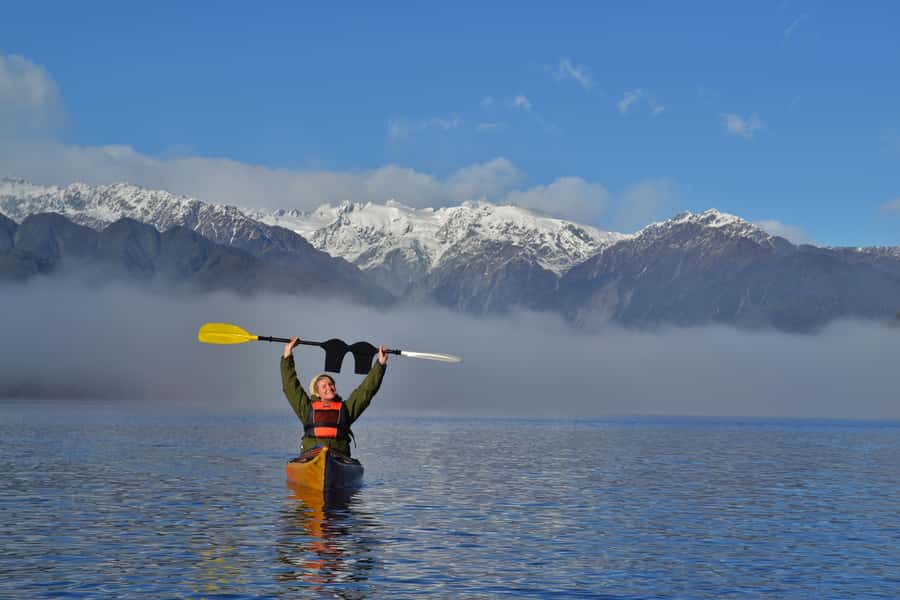
- Glassy lake views for photos: mornings are often calmer, so the water can reflect the Southern Alps and glaciers.
- Okarito Kiwi Sanctuary focus: you paddle toward the protected area with your guide explaining what makes it special.
- All-weather kayaking gear included: waterproof layers, personal flotation devices, and kayak skirts help you stay protected (and keep sandflies from having a picnic).
- Old-growth, Jurassic-style rainforest scenery: you’ll see the lush environment up close from the water.
- Free photos: you go home with images captured during your tour, not just your own phone shots.
- Small-group feel: you’ll be part of a small crew, not herded along.
Getting to the water: Franz Josef Wilderness Tours to Lake Mapourika
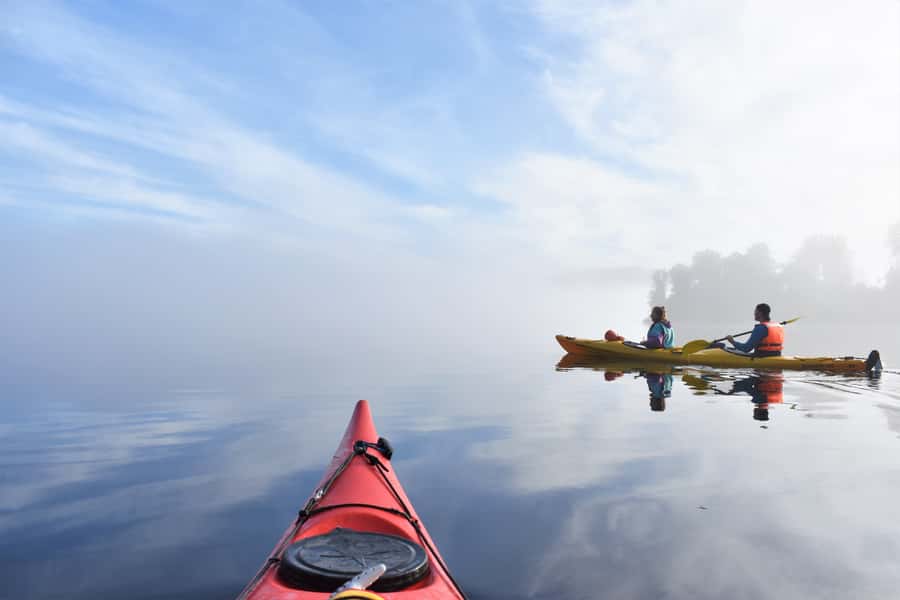
You start at the Franz Josef Wilderness Tours office at 30 Main Road, next to The Landing Restaurant. From there, you ride in a vehicle for about 10 minutes to the lake, keeping the start of the day efficient.
This transfer matters more than it sounds. Lake Mapourika is the main event, and the logistics are set up so you’re not spending your limited vacation time parked in the wrong place at the wrong time. You’ll also get organized before you hit the water—your guides set expectations, hand out gear, and make sure everyone knows how the kayak works.
Tours run at various times, which is good because you can choose a calmer session for better reflections. If your goal is photos, I’d treat the morning slot as your first choice.
You can also read our reviews of more tours and experiences in Franz Josef Town.
The real payoff: 3 hours on a kayak that feels like still water
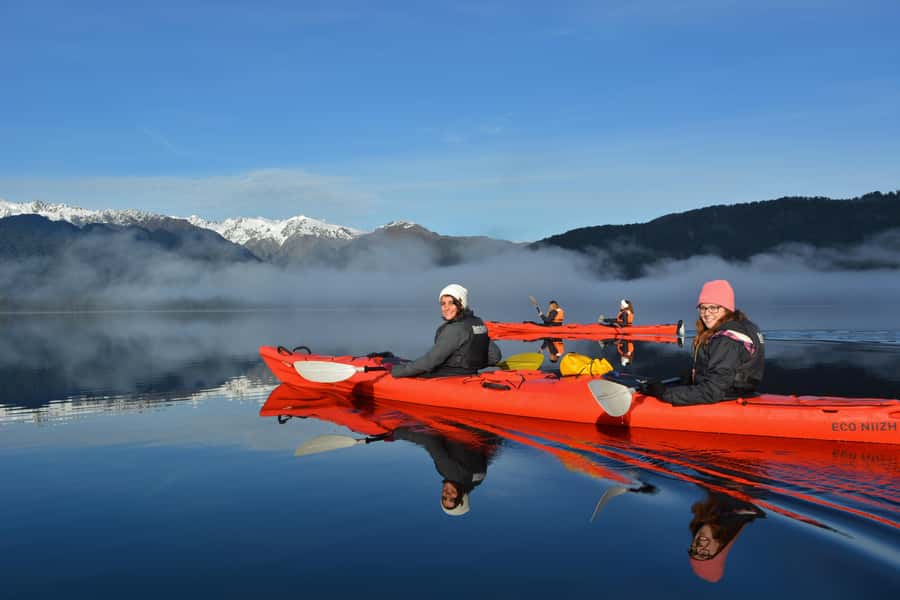
The tour time on the water is about 3 hours, and the pace is relaxed enough that you’re not fighting the kayak the whole trip. Kayaking here is mainly about effort-with-reward: a steady paddle, a lot of drifting and gliding, and frequent chances to look around.
Lake Mapourika can be wonderfully still, which is why this route is so popular for photographers. Even when the sky is overcast, you can get a moody, soft-light look—one of the nicer surprises when weather refuses to cooperate.
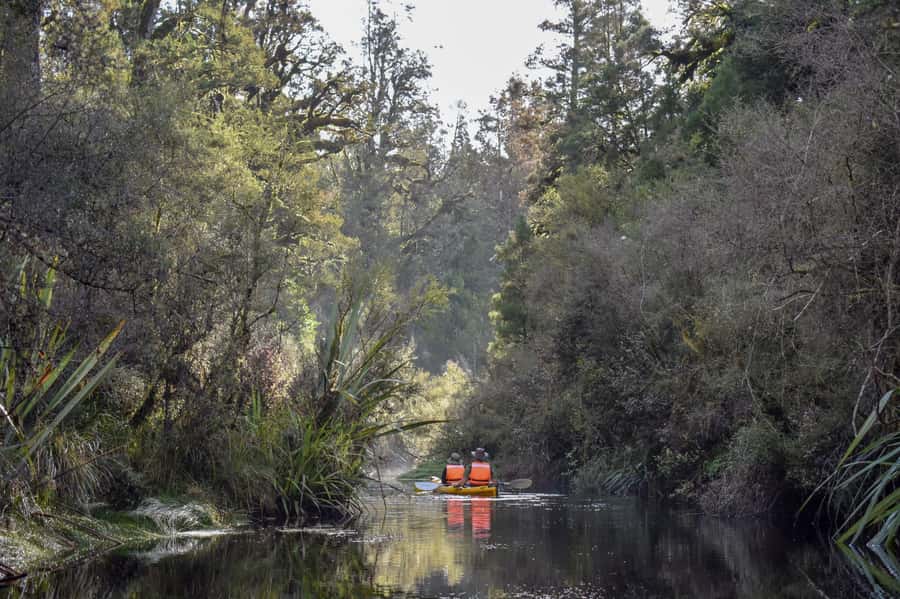
You’ll generally follow a course designed to show you more than just open water. Some guides take the group around the lake edges and may also include sections that feel more like quiet waterways, such as short paddles down nearby streams or creek-like sections. That’s where wildlife spotting can pick up, including birds and other nature you’d miss if you stayed offshore.
Paddling into the Okarito Kiwi Sanctuary zone
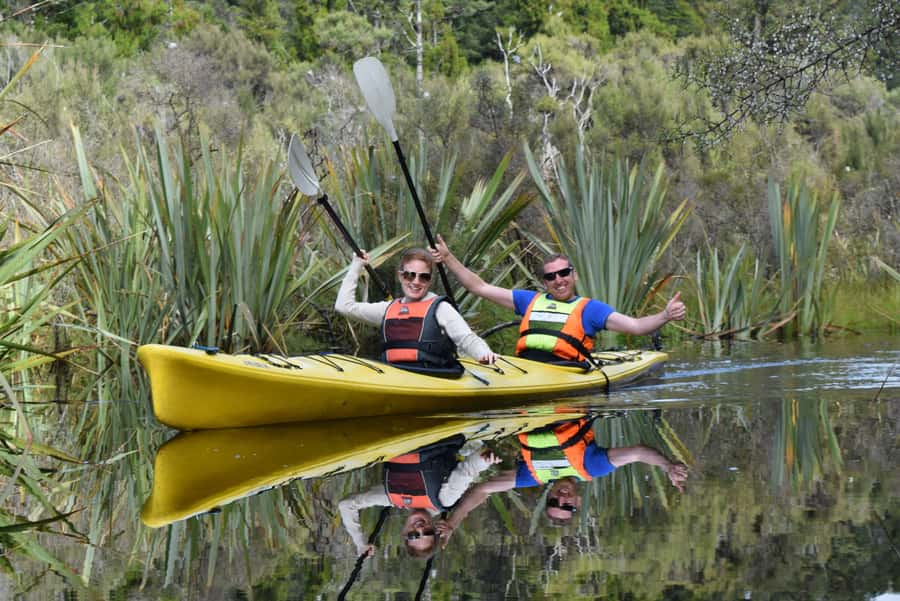
One of the headline experiences is heading into the Okarito Kiwi Sanctuary area by kayak. Your guide talks through why this place is protected and what the conservation work means in real life—not in vague terms, but with specifics you can actually repeat later.
This matters because you’re not just chasing a photo opportunity. You’re in the right habitat at the right pace, letting a trained guide point out what’s worth noticing and how kiwi conservation fits into the larger ecosystem.
In conversation with guides, you may learn about kiwi types such as rowi (the rare kiwi mentioned in the context of the program). You might also hear practical facts on how the program is funded—there’s even an emphasis from guides that part of the tour fee supports conservation efforts for kiwi birds.
Even if you don’t see a kiwi during your paddle (nature doesn’t run on your schedule), you’ll leave with a much clearer picture of how and why the sanctuary is managed.
Jurassic old-growth rainforest: what it looks like from the water
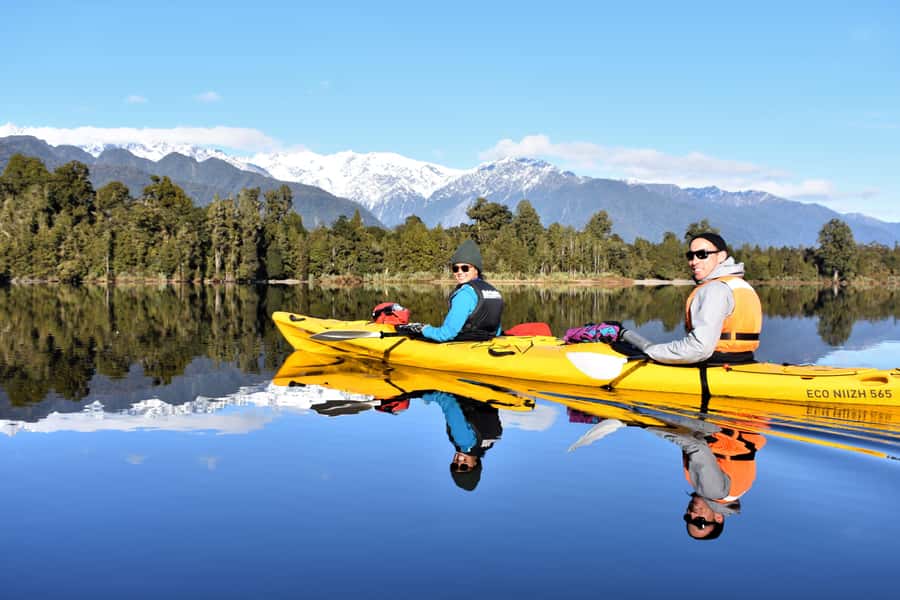
From the kayak, the shoreline vegetation hits differently. Instead of seeing forest as a distant wall, you’re moving alongside it. You’ll notice the structure of the plants, how the water interacts with the banks, and how the rainforest feels alive even when you’re not seeing animals every minute.
You’ll also get the guide’s interpretation of what you’re looking at—flora and fauna, plus local history tied to how the lake and surrounding environment formed. That guided framing is the difference between simply enjoying scenery and actually understanding the place.
One small caution: rainforest days can mean mud, mist, and damp air. That’s normal here. The good news is the tour is set up for this reality, with dry storage for valuables and waterproof clothing meant to keep you comfortable.
Southern Alps and glacier views: reflections, clouds, and the photo strategy
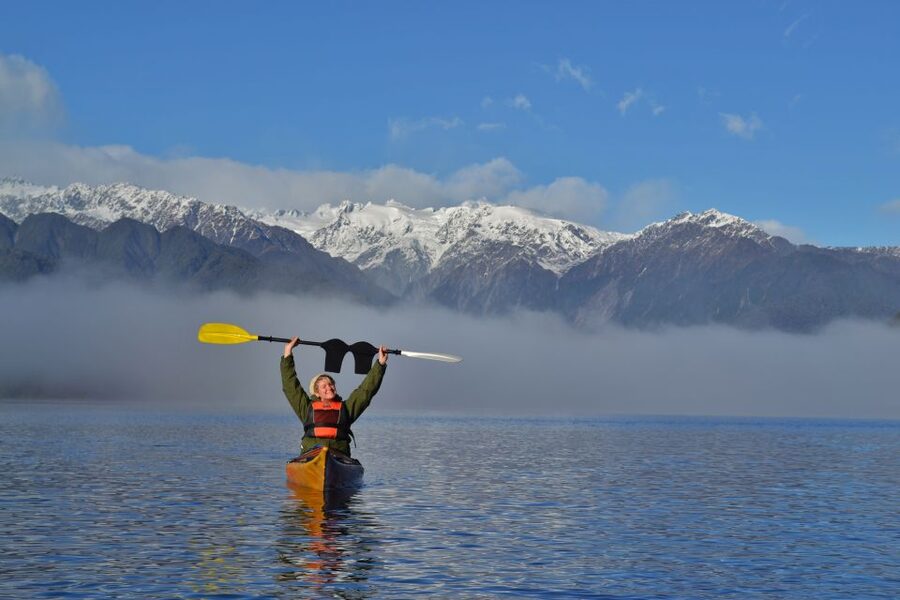
The best reason to choose Lake Mapourika is the view relationship between water and mountains. On calm days, the lake can look like glass, and you’ll see Southern Alps and glacier scenery reflected below.
Cloud cover can be a disappointment if you want crisp mountain tops. But it’s not a total loss—overcast skies can make the whole scene feel quieter and more mysterious, and you’ll still be on the water in a setting that looks different from any viewpoint platform.
If photography is a priority, plan around:
- Morning departures when the lake is often calmer
- A willingness to shoot in softer light rather than only bright sunshine
- Keeping your camera ready, but also staying focused on safety and paddling instructions
This tour also includes free photos, which reduces the pressure to get every shot yourself. It’s a nice safety net when weather changes mid-tour.
Gear that actually helps: jackets, gloves, kayak skirts, and dry bags
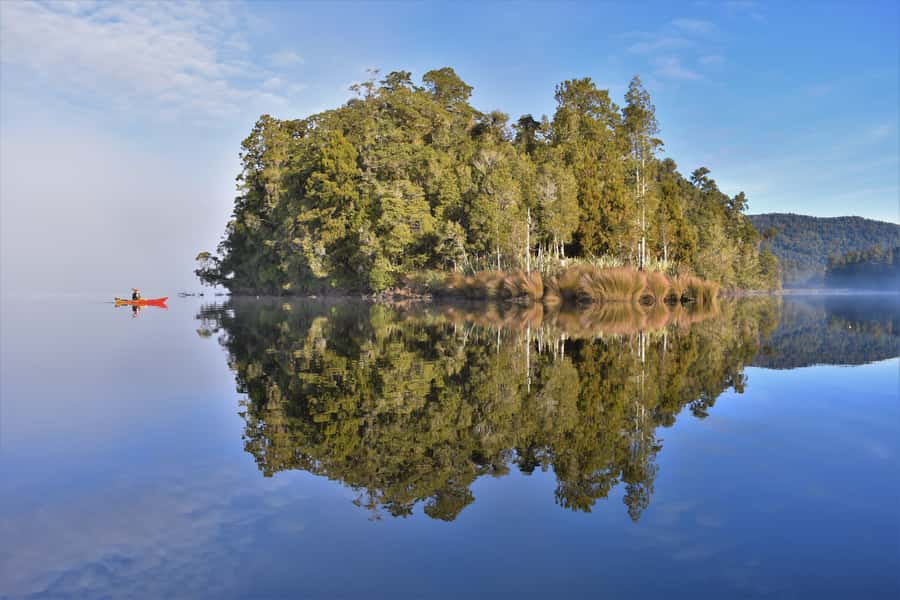
This is an all-weather outing, and the gear list tells you the operator expects real New Zealand conditions—not just a drizzle that ends in a souvenir shop. You’ll be provided with:
- Jacket
- Paddling gloves
- Cap/beanie
- Dry bag for valuables
- And from on-water experience, waterproof protection plus a fit that helps seal you in (including kayak skirts)
That last detail is more than comfort. One reviewer noted that the neoprene skirts helped keep them dry and protected from sandflies, which is exactly the kind of practical problem you want solved before you’re already far from shore.
What you should bring yourself:
- Sunglasses
- A camera
- Sunscreen
- Warm layers (plan on 2–3), plus comfortable pants and shoes
- Avoid jeans (they don’t play nice when water gets involved)
Bring a water bottle and a small snack too. Food and drinks aren’t included, so your best “staying comfortable” move is basic fuel and hydration.
Who it suits best—and who should choose differently
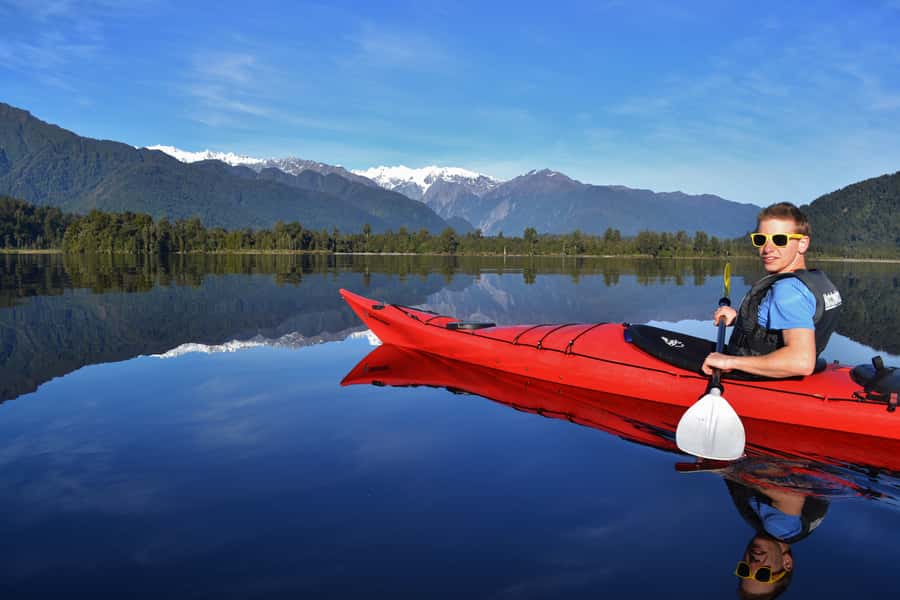
This kayaking tour is a strong match if you want nature close-up without needing to be an expert paddler. You’ll be in a small group, and the guides teach you how to steer and paddle so you can enjoy the lake without feeling lost.
It also works well for people who hate long, crowded bus tours. You get a clear block of time on the water, then you’re back at the starting point.
Who might need a different option:
- Wheelchair users (not suitable)
- Anyone who refuses to dress for wind, rain, or overcast conditions
- People who don’t like being cold for brief stretches while you adjust gloves or layers
One more nuance: depending on the day, you may share a kayak setup rather than get fully solo paddling. If that matters to you, I’d ask when you book or check what kayak pairing is used for your departure.
Price and value: why $86 feels fair for three hours on the water
At $86 per person for 3 hours, the price isn’t just about renting a kayak. You’re paying for:
- Courtesy transport to and from the lake
- Trained guides leading the paddle and wildlife/conservation interpretation
- All the core waterproof clothing and safety equipment
- A tour designed around a protected ecosystem focus
- Free photos, which you’d otherwise spend time and money trying to replace
When you compare this to more expensive options like helicopter-style sightseeing, the value logic changes. You trade speed for proximity: instead of looking at the scenery from above, you’re working your way through it at water level, with the forest and wildlife context right there beside you.
Also, the conservation angle matters. There’s an explicit link in the guidance that part of the fee supports saving kiwi birds. That means your money isn’t only paying for a scenic activity—it’s tied to protecting the place you’re visiting.
Tips to get the best day: small choices that make a big difference
If you want your experience to run smoothly, here are the choices that pay off:
- Wear warm layers under your waterproof gear plan. You’ll be glad you did when the air turns cool.
- Bring sunglasses even on cloudy days. Reflections off the lake can still be bright.
- Don’t wear jeans. Comfortable pants and shoes are the move.
- If you can, choose a morning departure for calmer water and better reflection potential.
- If you’re nervous about kayaking, go in ready to learn—guides adjust pacing and instructions so the group stays confident.
One more practical note: bring your own water bottle and a small snack. Since food and drinks aren’t included, this keeps you from turning the last half of the paddle into a “hangry” situation.
Should you book the Franz Josef 3-Hour Kayak Tour on Lake Mapourika?
I’d book it if your ideal day in Franz Josef looks like: kayaking, wildlife-focused guiding, and scenery you only get from the water. It’s especially worth it for the combo of Okarito Kiwi Sanctuary access-by-kayak, rainforest atmosphere, and photo-friendly mirror-water conditions when the weather cooperates.
I’d think twice if you’re not comfortable dressing for cold, damp conditions or if you need clear mountain-top visibility no matter what the sky does. Cloud cover can limit the mountain tops, but the tour still delivers a satisfying experience on the lake itself.
Bottom line: for most people, this is one of the best ways to turn your Franz Josef time into something specific, moving, and genuinely tied to the landscape—without needing advanced skills or spending the whole day in transit.
FAQ
How long is the Franz Josef kayak tour on Lake Mapourika?
The tour duration is 3 hours, including time on the water. There’s also a short courtesy transfer to and from the lake.
Where do I meet for the tour?
Meet at the office at 30 Main Road, next to The Landing Restaurant.
Is transport included to and from Lake Mapourika?
Yes. Courtesy transport to and from the lake is included.
What’s provided for kayaking?
You’ll be provided with a jacket, paddling gloves, a cap/beanie, and a dry bag for your valuables. Safety gear is also used during the paddle.
Is it an all-weather tour?
Yes, it runs in all weather conditions. It’s recommended that you wear warm layers and comfortable pants and shoes, and avoid jeans.
Are photos included?
Yes. Free photos are included with every tour.
Is food and drink included?
No. Food and drinks are not included, so it’s recommended that you bring a small snack and a water bottle.
What should I bring for the tour?
Bring sunglasses, a camera, sunscreen, and wear warm layers. Comfortable pants and shoes are recommended; avoid jeans.
What language is the guide?
The live tour guide is in English.
Is the tour wheelchair accessible?
No. It is not suitable for wheelchair users.