REVIEW · FRANZ JOSEF TOWN
Franz Josef: Kayak & Walking Tour to Okarito Kiwi Sanctuary
Book on GetYourGuide →Operated by Franz Josef Wilderness Tours · Bookable on GetYourGuide
A mirror-calm lake plus kiwi country is a great combo. This Franz Josef–area tour pairs Lake Mapourika kayaking with a guided walk on a private rainforest track in the Okarito Kiwi Sanctuary, with plenty of birdlife along the way. I really like the hands-on feel of kayaking on glacier-fed water, and I love the quiet, forest-based kiwi conservation focus on the walk. The one watch-out: it’s an all-weather outing, and the rainforest track can include steeper parts, so pack warm layers and wear proper shoes.
You start in Franz Josef (30 Main Road near The Landing Restaurant), meet your guide, then get a short coach transfer to Lake Mapourika. The day runs about 4 hours, and you’ll get complimentary tea or coffee in the forest plus free photos taken during the tour. If you’re hoping for guaranteed kiwi sightings, plan for the realistic chance you might not see a kiwi during your visit—this sanctuary is about protecting habitat, not putting on a show.
In This Review
- Key Highlights You’ll Actually Feel During the 4 Hours
- Lake Mapourika’s Quiet Calm: Why This Kayak Section Works
- From Franz Josef to the Lake: Smooth Logistics That Save Your Energy
- Kayak Across Lake Mapourika to the Okarito Shore
- The Private Rainforest Walk Through Okarito Kiwi Sanctuary Country
- Guide Style Makes the Experience Feel Personal (Pickles, Kate, Kurt, and More)
- What You’re Really Paying For: Value at Around $98
- Packing and Comfort Tips That Actually Matter in West Coast Weather
- Who This Tour Is Best For (and Who Should Skip It)
- Should You Book This Franz Josef Kiwi Kayak & Walking Tour?
- FAQ
- Where is the meeting point?
- How long is the tour?
- How much does it cost?
- What’s included in the price?
- What food and drinks should I bring?
- Is the tour weather dependent?
- What should I wear or bring?
- Is the tour suitable for people with mobility impairments?
- Is there a cancellation option?
Key Highlights You’ll Actually Feel During the 4 Hours
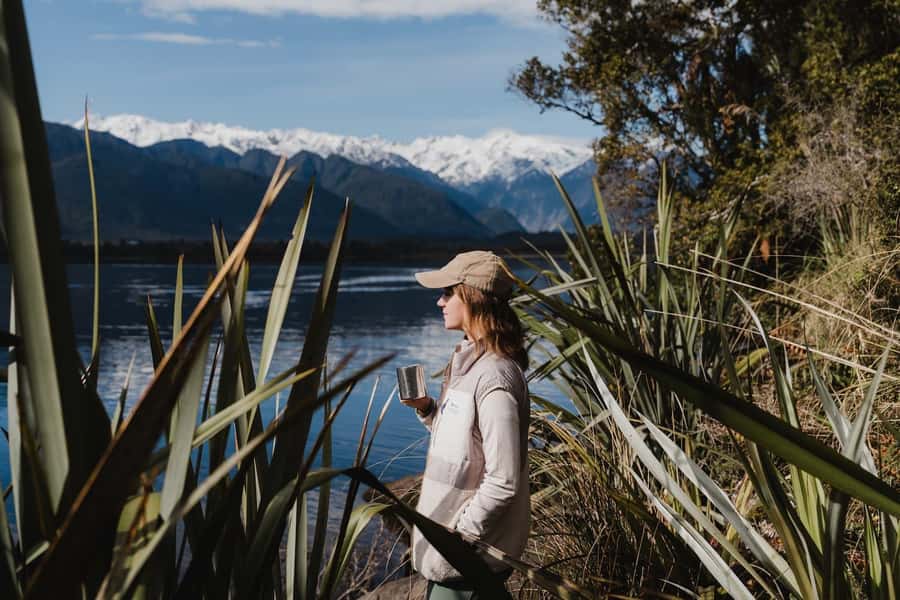
- Kayak on Lake Mapourika: calm, glacier-carved kettle lake with big Southern Alps views
- Private rainforest track access: a custom walking route in Westland National Park
- Rowi kiwi conservation learning: why the sanctuary exists and how protection works
- Birdlife chances: native birds along the way, and possible White Heron feeding if you’re lucky
- Tea/coffee break in the forest: a warm pause inside the bush
- Free guided photos: taken during the tour, delivered after your outing
Lake Mapourika’s Quiet Calm: Why This Kayak Section Works
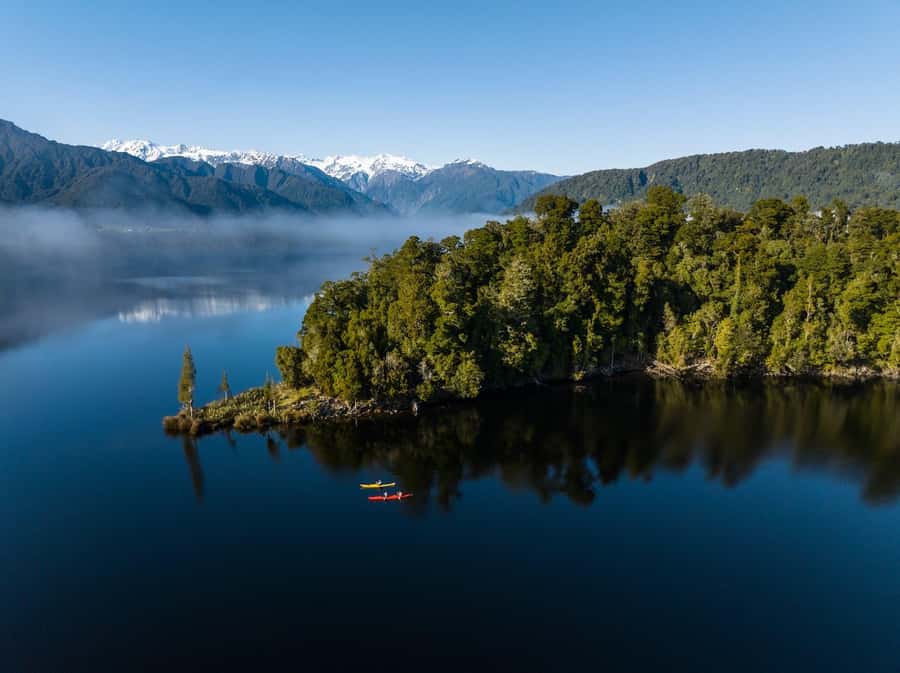
Lake Mapourika is famous for its stillness. When conditions line up, the water can look like glass, turning the Southern Alps and surrounding glaciers into near-perfect reflections. That calm matters because it makes kayaking feel peaceful rather than like a workout. You’re not wrestling whitewater or waves—you’re gliding, looking, and letting the guide point things out.
It also helps that this is a glacier-carved kettle lake, formed by the Franz Josef Glacier and sitting in West Coast wilderness. The setting is part of the value here: you get an easy-to-enjoy paddle in a UNESCO World Heritage Site area, then you shift from water to forest for the kiwi sanctuary walk. That two-ecosystem contrast is one reason this half-day feels fuller than it sounds on paper.
Weather can change the look of the lake. Even when it’s not perfect-smooth, the experience still runs as an all-weather tour. Think of it this way: you’re booking the journey and the access, not a specific postcard version of the water.
You can also read our reviews of more tours and experiences in Franz Josef Town.
From Franz Josef to the Lake: Smooth Logistics That Save Your Energy
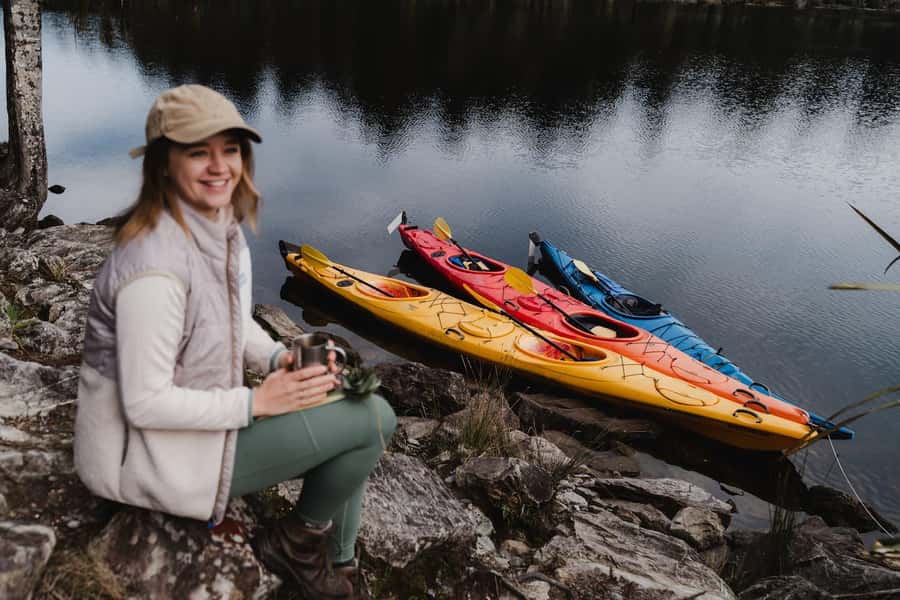
You meet at 30 Main Road in Franz Josef, next to The Landing Restaurant. Then you’re on a bus/coach for about 10 minutes to reach Lake Mapourika. That short transfer is a practical win in the real world—less time in transit means more time paddling and walking.
You also start with an experienced guide, so you’re not trying to figure out kayak basics alone. The tour provides high-quality kayaking gear, which helps you show up without needing to hunt down rentals or trial gear on the fly. If you want a low-stress West Coast afternoon, the simple flow from meeting point to lake is a strong reason to book.
Kayak Across Lake Mapourika to the Okarito Shore
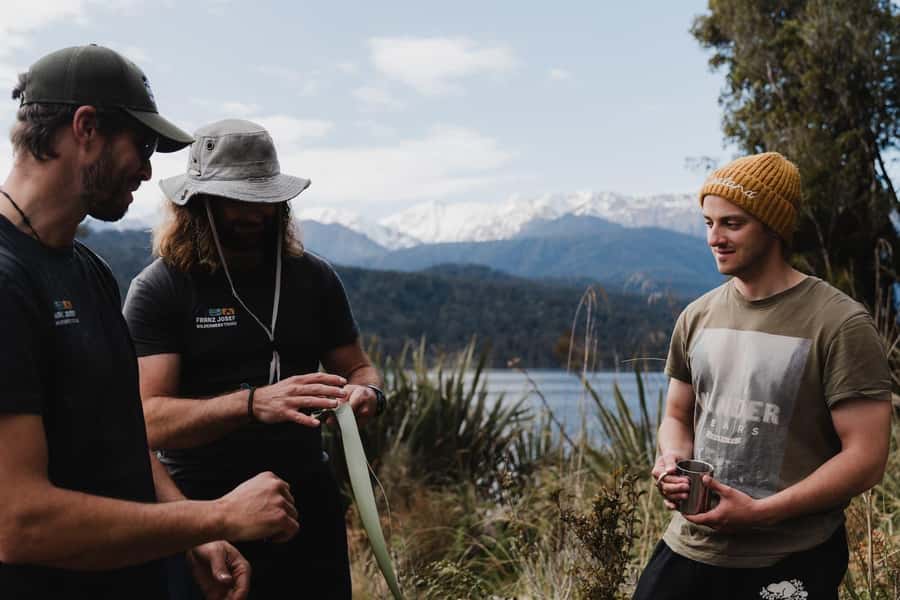
Once you’re set with equipment, you paddle across Lake Mapourika with a guide leading the route. The big payoff is the combination of scenery and wildlife-watching. You’re out in open water with clear sightlines to the Southern Alps and glacier country, and you also have a chance at native bird sightings along the shoreline zones and surrounding areas.
One bird you might see is the White Heron feeding—not guaranteed, but it’s in the highlight list for a reason. You may also spot other native birds during the paddle and shoreline approach. The guide’s job is to help you notice what’s happening without constantly stopping the flow of the trip.
The tour is built around a calm pace. Even if you’re an experienced paddler, you’ll likely appreciate the slower, observation-friendly speed. This is the kind of outing where you can focus on the scenery, then switch gears later to the rainforest track.
During the kayaking, your guide also takes photos as you go. In the reviews, people mention that these images arrive quickly by email (some the next day), and that the photos turn out impressively well. That means you’re not just hoping someone snapped a decent shot—you’ll leave with a set of images you’ll actually want to keep.
The Private Rainforest Walk Through Okarito Kiwi Sanctuary Country
After kayaking, you step into the Okarito side and onto a private, custom-built walking track. This is where the tone changes from open-water views to walking through a prehistoric-feeling forest. The track runs through Westland National Park with ancient podocarp forest—tall kahikatea and rimu trees are specifically mentioned—so you’re in a place that feels older than most of what you’ll see on a typical day trip.
This section is guided and focused. You’ll learn about the rowi kiwi, the most endangered kiwi species, and what conservation efforts look like on the ground. The reality is that kiwi are elusive and nocturnal, so you’re not promised a direct sighting. Even so, the walk has a strong value: you understand the species, the sanctuary purpose, and why habitat protection matters.
You might notice signs of kiwi presence in the habitat—some guides point out features like nest holes. But the key idea is that the sanctuary is about protecting the kiwi, not forcing you into a “spot the bird” scavenger hunt. If you go in with that mindset, the experience feels more meaningful.
Walking intensity is the one thing to plan for. There can be steeper parts, though the route is described as manageable. Wear comfortable pants and real shoes. Skip jeans; they don’t play well with cold, wet ground or bush walking conditions.
You’ll also get a warm break inside the forest. The tour includes complimentary tea or coffee, and in some cases guides serve hot chocolate or encourage a stop for a warm drink while you take in the quiet around you. It’s a small pause, but it helps the whole trip feel balanced: paddle, work your legs a bit, then recover gently in the bush.
Guide Style Makes the Experience Feel Personal (Pickles, Kate, Kurt, and More)
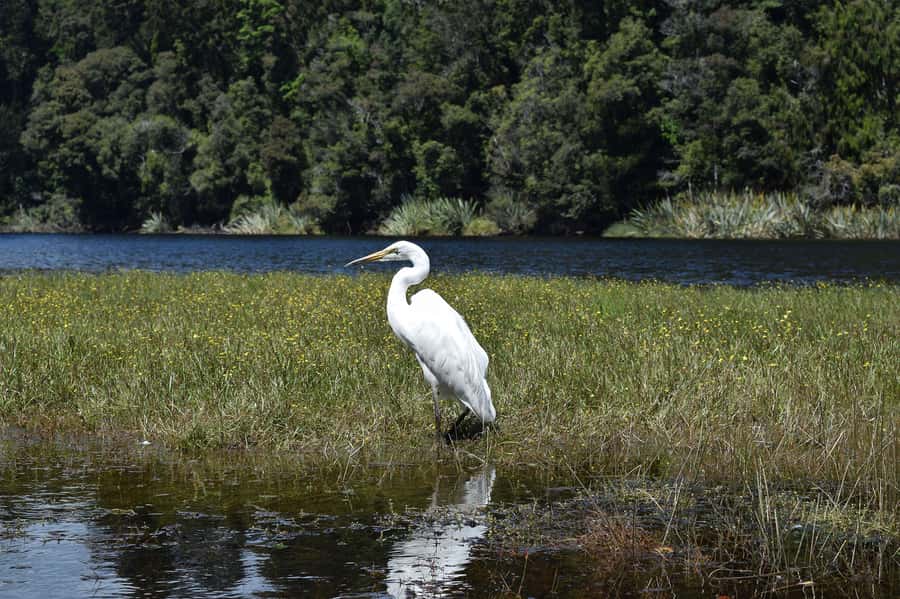
Good guiding is the difference between seeing a place and understanding it. This tour consistently gets praise for the guides’ energy and attention. Some names that come up in feedback include Pickles and Kate, Ollie, Max and Marcel, Sydney, Kurt, Laura, Dillon, and Taylor—and the common thread is how they connect the scenery to the living world.
You’ll likely get more than just basic facts. Guides answer questions with passion and patience, and they point out details you might miss on your own. One review described Kurt as answering questions comprehensively, like a walking encyclopedia—while still keeping the experience fun.
If you want the trip to feel like a guided nature walk, not a rush-and-collect-photos situation, this is a strong match. Reviews also mention that photos taken by guides are timed well and that the images turn out beautiful, which makes the guiding feel like part of the service, not an afterthought.
Also worth noting: one review specifically praised the guides for accommodating an injured traveler. While the tour isn’t suitable for mobility impairments, this suggests the team is attentive about making the experience work for people when it can.
What You’re Really Paying For: Value at Around $98
At $98 per person for about 4 hours, you’re not just buying a kayak and a walk. You’re buying:
- equipment (high-quality kayaking gear)
- a guided route in and out of the sanctuary area
- transportation to the starting point of the hike
- tea/coffee in a forest setting
- free photos taken during the tour
Food and water aren’t included, which is normal for a short afternoon outing, but it does affect your packing plan. Bring your own water bottle and a small snack if you think you’ll want one. The inclusion of warm drinks is especially helpful on the West Coast, where conditions can shift quickly.
From a value standpoint, this tour works best when you care about access and guidance. You’re going onto a private rainforest track and into a sanctuary-focused setting, which you wouldn’t get by simply driving yourself to look around. You’re also getting the kayak portion handled end-to-end, with equipment sorted for you.
If you’re the type of traveler who likes to “do the scenic bits” without a plan, you might feel this is too structured. But if you enjoy learning while you move—paddling, walking, and watching wildlife—this price makes more sense.
Packing and Comfort Tips That Actually Matter in West Coast Weather
This tour is all weather, so you should dress like the sky might change every hour. The advice is simple: bring sunglasses and sunscreen, and wear at least 2–3 warm layers. Comfortable pants and shoes are recommended, and don’t wear jeans.
You should also bring:
- a camera (you’ll have plenty of chances for photos)
- sunscreen and sunglasses
- your own water bottle
- a small snack (food is not included)
If you tend to get cold easily, plan extra warmth for the kayaking portion. Even when the air looks mild, being on open water can chill you faster than you expect. A lightweight rain layer can also be a smart idea, but the key requirement is warmth plus comfort.
Finally, keep expectations realistic for wildlife. The tour emphasizes native birds and mentions the possibility of White Heron feeding, but kiwi sightings can’t be forced. If you go focused on the forest, the conservation message, and the chance to see signs of kiwi habitat, you’ll enjoy the trip more.
Who This Tour Is Best For (and Who Should Skip It)
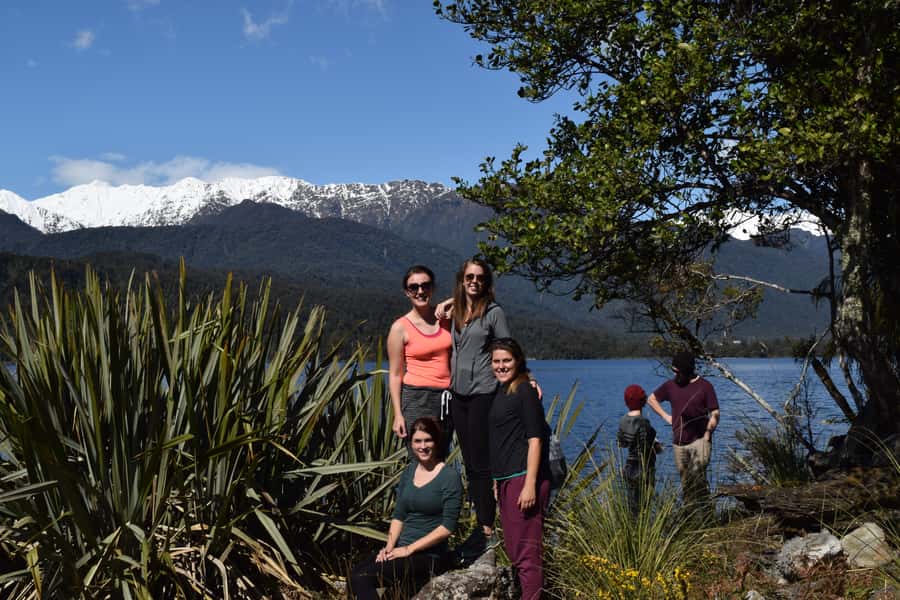
This experience is ideal if you:
- want a mix of kayaking + rainforest walking in one half-day
- care about New Zealand conservation and want to learn about rowi kiwi
- enjoy wildlife watching in a real habitat, not just on lookout platforms
- like guided explanations and don’t mind that kiwi sightings can be elusive
It’s also a good fit for couples and small groups who want a quieter, remote feel. Some feedback suggests smaller, peaceful group experiences can happen, though group size isn’t something you should bet your day on.
Who should consider another option:
- People with mobility impairments (the tour isn’t suitable)
- Anyone who struggles with uneven or steep-ish walking sections
- Travelers who only want easy flat paths and guaranteed wildlife sightings
Should You Book This Franz Josef Kiwi Kayak & Walking Tour?
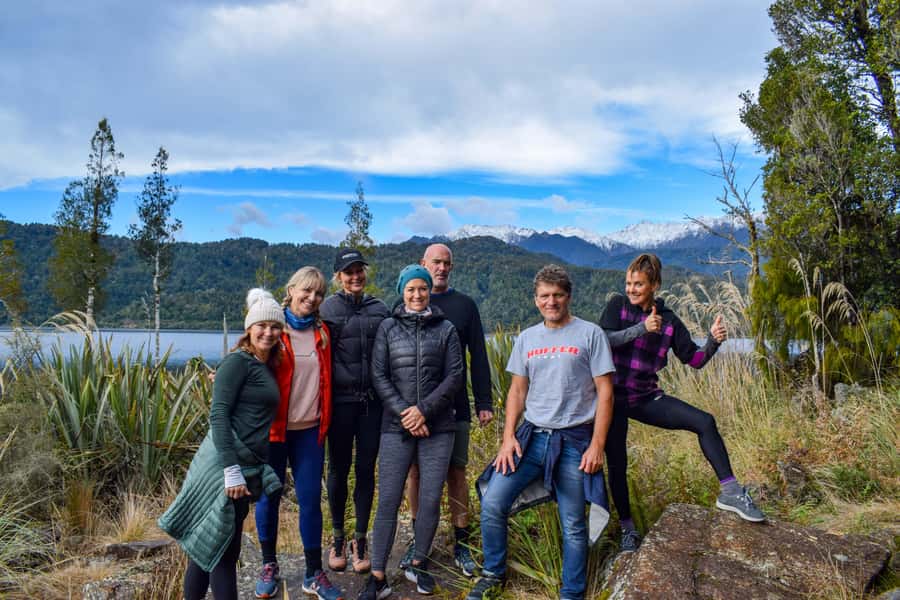
Book it if you want an afternoon that feels both scenic and purposeful. The best part is the pairing: you get glassy-lake kayaking with big alpine views, then you walk into a rainforest sanctuary context where learning about rowi kiwi conservation actually means something.
Skip it if you need fully flat walking or you’re only chasing the idea of seeing a kiwi for sure. This tour is set up for access and education, not guarantees. Also, plan ahead for comfort: warm layers and proper footwear are not optional if you want the experience to feel good.
If you can handle a guided walk with some steeper bits and you’re excited to paddle through one of the South Island’s most photogenic kettle lakes, this is a strong value at $98—especially with gear, tea/coffee, transportation, and free photos included.
FAQ
Where is the meeting point?
You’ll meet at 30 Main Road, Franz Josef, next to The Landing Restaurant.
How long is the tour?
The tour runs for 4 hours.
How much does it cost?
The price is $98 per person.
What’s included in the price?
Included items are high-quality kayaking equipment, tea and coffee, free photos, transportation to the starting point of the hike, and a knowledgeable live English guide.
What food and drinks should I bring?
Food and water are not included, so it’s recommended that you bring your own water bottle and a small snack.
Is the tour weather dependent?
It’s described as an all-weather tour.
What should I wear or bring?
Wear at least 2–3 warm layers, comfortable pants and shoes (avoid jeans), and bring sunglasses, sunscreen, and a camera. It’s also recommended to bring your own water bottle and a small snack.
Is the tour suitable for people with mobility impairments?
No, it’s not suitable for people with mobility impairments.
Is there a cancellation option?
There is free cancellation up to 24 hours in advance for a full refund.