REVIEW · BOVEC
From Bovec: Whitewater kayaking on the Soča River
Book on GetYourGuide →Operated by HungaroRaft Ltd. · Bookable on GetYourGuide
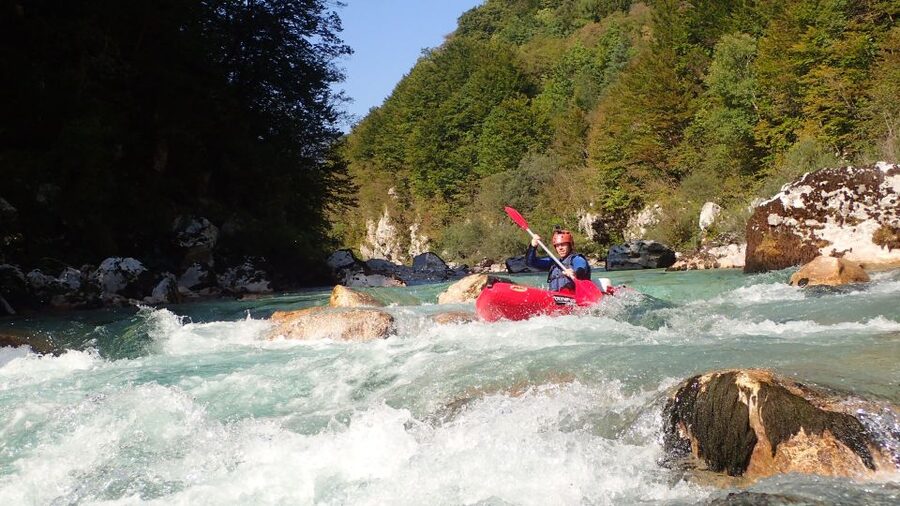
Emerald water, fast paddles, zero long practice. I love the crystal-clear Soča and how the stable inflatable kayak gets you moving quickly. The main drawback to plan around is simple: you must be comfortable swimming, because this is real whitewater.
You’ll meet at HungaroRaft in central Bovec, get fully kitted out, then spend about 3.5 hours on the river with a small group capped at 4. It’s beginner-friendly coaching, with instructors speaking English, Hungarian, or Persian, so you’re not stuck translating adrenaline with your hands.
In This Review
- Key highlights to know before you go
- Emerald Soča River whitewater: what makes this trip special
- Meeting point in Bovec: finding HungaroRaft without stress
- Gear and safety setup: what you’ll wear and why it matters
- The river drive and timing: 10 minutes to the real action
- On-water warm-up: stable kayak + quick coaching
- Paddling the Soča: from easy current to Class III waves
- Nature moments beyond the rapids
- Photos and souvenirs: capturing the moments without ruining the day
- Instructor quality: what you’re really paying for
- Price and real value: does $80 make sense here?
- What to bring (and what to skip) so you’re comfortable
- Who this whitewater kayaking trip is best for
- Should you book Soča whitewater kayaking from Bovec?
- FAQ
- How long is the whitewater kayaking trip from Bovec?
- Where do I meet the guide in Bovec?
- What’s included in the price?
- Do I need to pay a river permit fee?
- Is this trip suitable for beginners?
- Do I need to know how to swim?
- What should I bring with me?
- Are photos included?
- What group size should I expect?
- What languages are the instructors available in?
Key highlights to know before you go
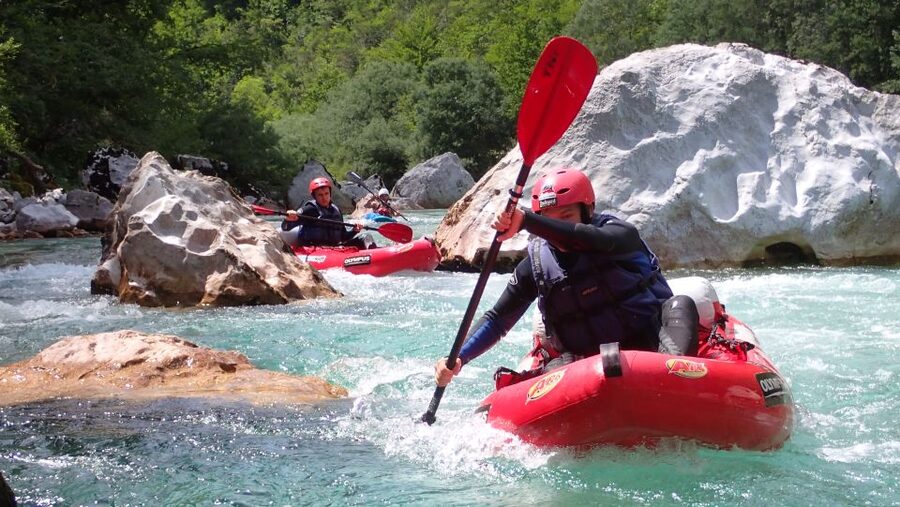
- Class III rapids: exciting waves without needing years of experience
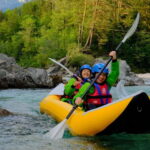
- Stable inflatable setup: less time learning the boat, more time paddling
- Equipment included: wetsuit, helmet, lifejacket, and neoprene shoes
- Real guide coaching: safety briefing plus help on lines and technique
- Photo options: you can buy action shots taken by the guide
Emerald Soča River whitewater: what makes this trip special
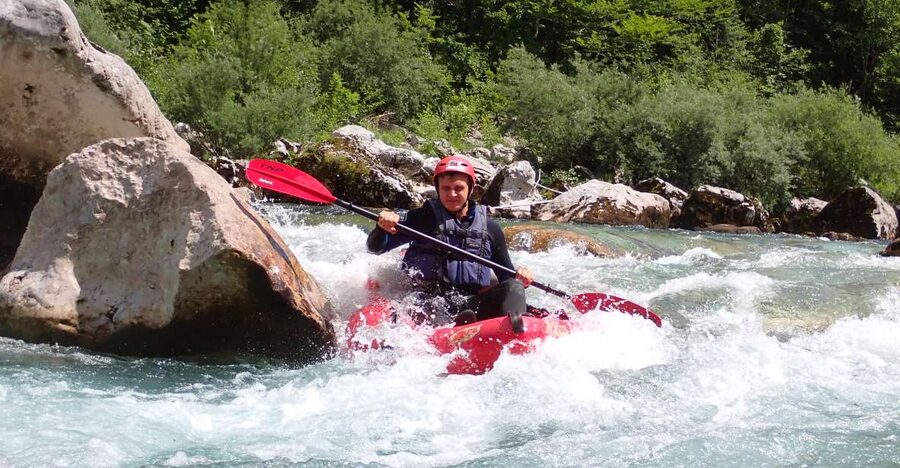
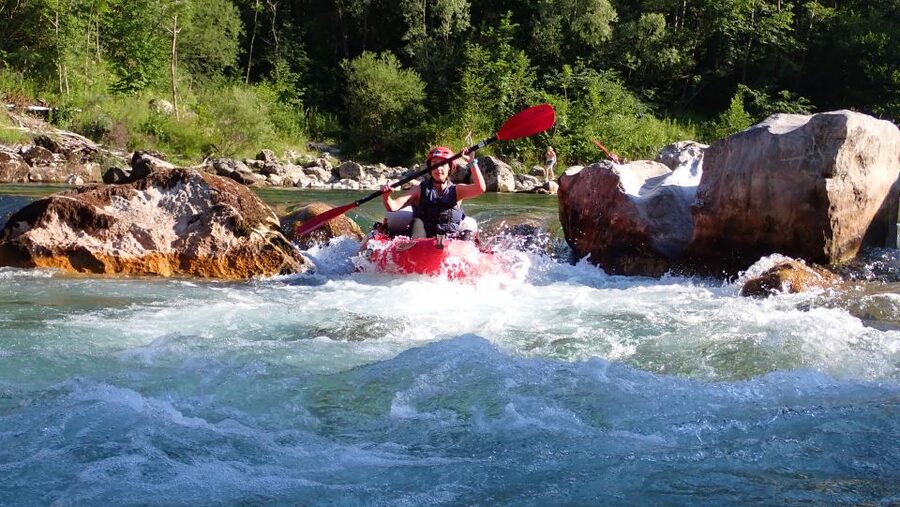
The Soča River is famous for a reason. Even from the start, the color grabs you, and that same clarity makes each rapid feel more immediate. This trip leans into that contrast: calm current first, then progressively spicier sections up to Class III. It’s the kind of progression that helps you build confidence fast.
I also like that the activity is framed as guided skill-building, not just a seat-and-get-drenched ride. Your guide’s job is to teach you where to paddle, when to brace, and how to read the water. In practice, that means you leave with a better sense of how whitewater works, not just a memory of splashes.
One more thing: the kayak you use is designed to be manageable. You’re not signing up for hours of wobbly practice. After a short safety briefing and a brief warm-up, you get on the river and start doing the fun part.
You can also read our reviews of more tours and experiences in Bovec.
Meeting point in Bovec: finding HungaroRaft without stress
Meet your guide at HungaroRaft – Adventure Center Bovec. You can plug it into Google Maps, and it’s easy to spot because the rafting base sits one street down from the main square with beach flags outside. That matters more than you’d think when you’re arriving in the morning, half awake, and wearing the kind of energy that usually belongs to brunch lines, not rivers.
From the meeting point, you’re driven about 10 minutes to the river. That short transfer keeps the day smooth. You spend less time commuting and more time in the water.
If you’re traveling in a group or with kids, the small base setup helps too. You can get changed, gear up, and meet your guide without feeling swallowed by a big outfitted-cattle operation. The experience also helps that your group is limited to 4 participants, so you’re more likely to be noticed and corrected quickly.
Gear and safety setup: what you’ll wear and why it matters
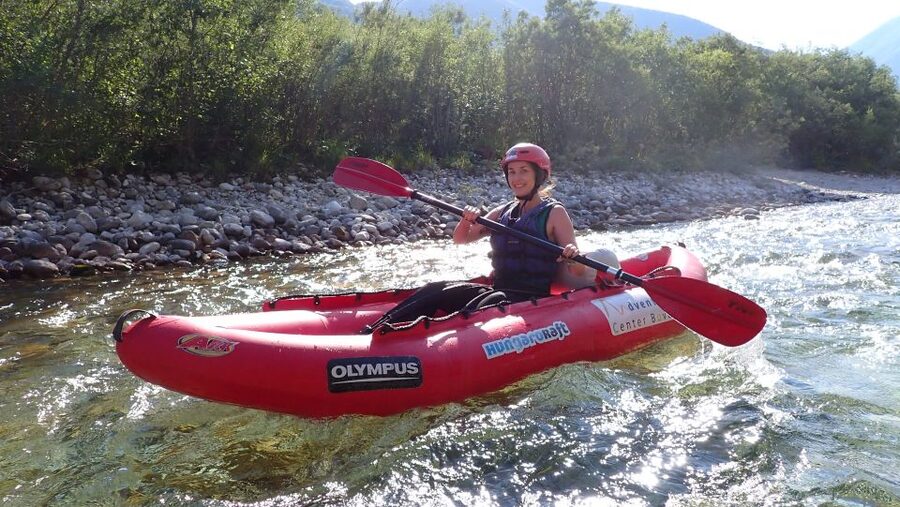
Right at the raft-shack, you’ll get everything you need: wetsuit, lifejacket, helmet, and neoprene shoes. You’ll also need to arrive ready with swimwear. Your body stays warmer and more comfortable, and you’re protected from the inevitable bumps that happen in real whitewater.
Neoprene shoes are a big deal here. They help with footing during gearing and make it easier to handle wet surfaces near the river. Helmet + lifejacket are standard, but they’re also practical: you can focus on paddling and lines instead of constantly thinking about what would happen if you fall in.
Before you start, you’ll get a safety briefing. You’ll learn the basics of how the guide expects you to move, how to react in choppy water, and how to listen for instructions. Then you’ll do a short practice session first. This matters for beginners because you don’t jump straight into the rough stuff with zero rhythm.
Also, intoxication is not allowed. It sounds obvious, but it’s worth noting because whitewater requires clear communication and quick reactions. If you’re planning a day trip from somewhere with nightlife, keep it clean.
The river drive and timing: 10 minutes to the real action
The drive from Bovec to the river is short, about 10 minutes. That short hop keeps you from getting cold while waiting, and it helps the day feel tight and focused.
Starting times depend on availability. One detail that can help with planning is that early departures are possible, including an 8:15 start that someone shared from an early-morning run. If you’re the type who likes fewer people and cooler air, an earlier slot may suit you.
On the river side, there’s also a psychological advantage to how the trip is structured. You don’t spend an hour psyching yourself up before even touching water. You get kitted, briefed, practice briefly, then you’re actually paddling.
On-water warm-up: stable kayak + quick coaching
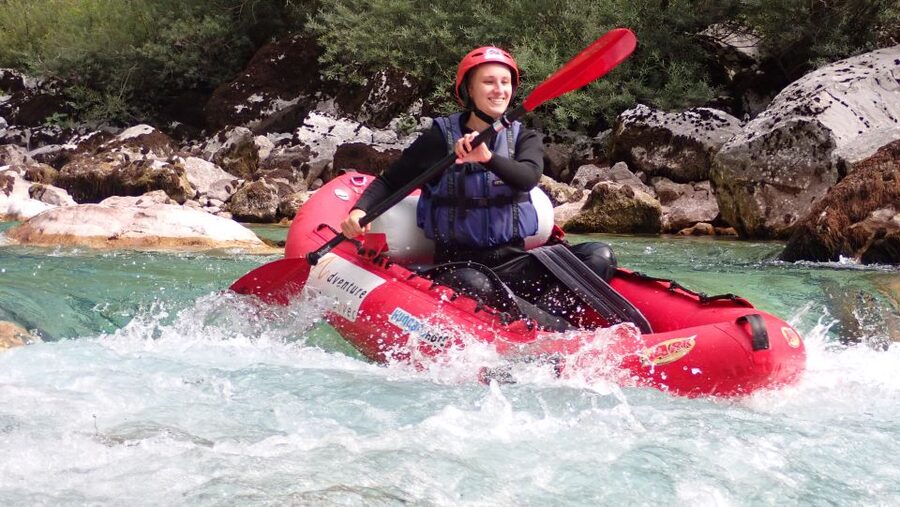
Here’s the smart part: the inflatable kayak is stable, so you don’t need to spend hours learning balance. You still get the basics, but you don’t burn your energy on “how do I even stay upright?” for the first half of the trip.
Your instructor takes care of you and teaches techniques, including how to handle the water when it gets rougher. You can think of it as a progression of confidence:
1) Learn the feel of the kayak and the paddle
2) Practice safety and responses in gentler water
3) Move into rapids once you’re comfortable following instructions
That progression is what makes the trip work for beginners. It also means you don’t feel like the guide is just trying to keep you safe while you struggle. You’re expected to participate, and the guide actively helps you do it better.
If you’re bringing a kid, this structure is also key. One example from a family outing is that a 12-year-old used their own inflatable kayak and still had the trip explained clearly enough to enjoy it. The stability and coaching make the difference between a scary day and a proud day.
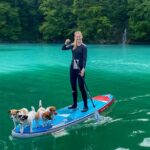
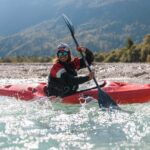
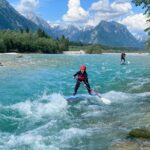
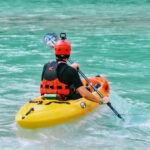

Paddling the Soča: from easy current to Class III waves
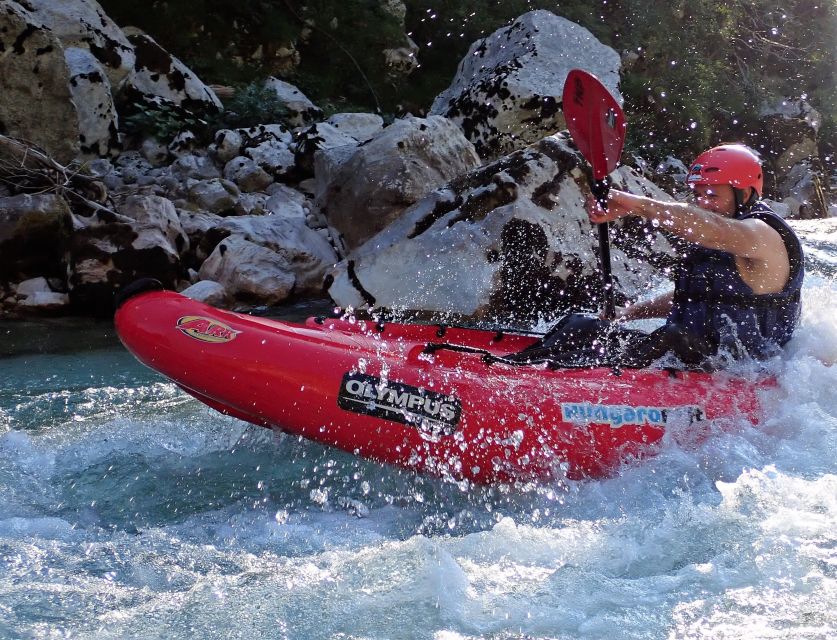
Your route on the water is built for momentum. You start with the easy swift current to get your timing and paddling rhythm. This is when you learn what the paddle does in motion, and how your kayak responds when the current pushes you sideways.
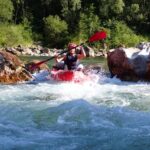
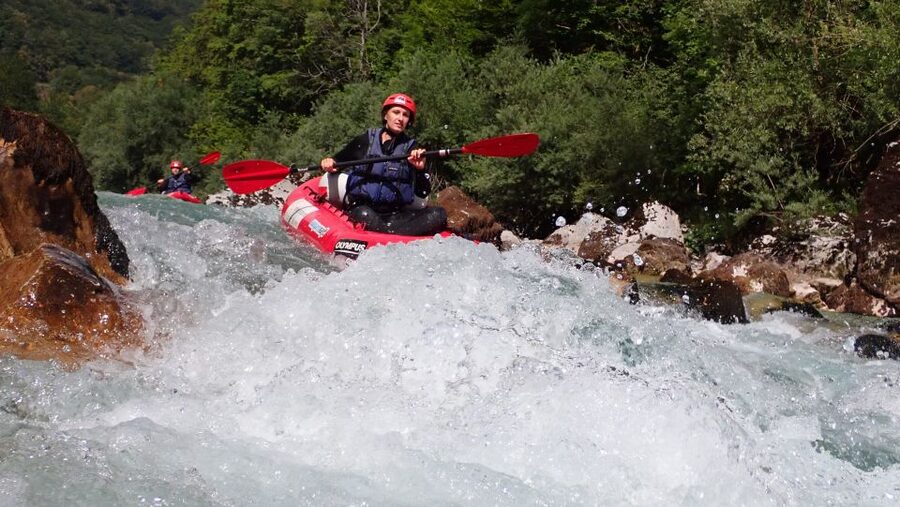
Then you hit the waves and run the rapids. The rapids you can expect go up to Class III, which is where the trip shifts from learning to doing. It’s the point where you’ll feel your body tighten up and your brain start reading the water.
The best way to approach it is to listen carefully to your guide’s cues and treat each instruction like a tool. Whitewater isn’t about brute force; it’s about angles, timing, and staying calm enough to keep paddling. When the guide shows you the best lines, it’s not just showmanship. Picking a smarter line reduces how chaotic the ride feels.
There’s also an option some groups enjoy: a bridge jump into the river. It’s described as an option, not required, and it can add a fun break from paddling intensity. If that’s your kind of thing, ask the guide when the moment fits into your section of the river.
And yes, part of the appeal is the river itself. The Soča is the star, both visually and by how it changes pace as you move downstream.
Nature moments beyond the rapids
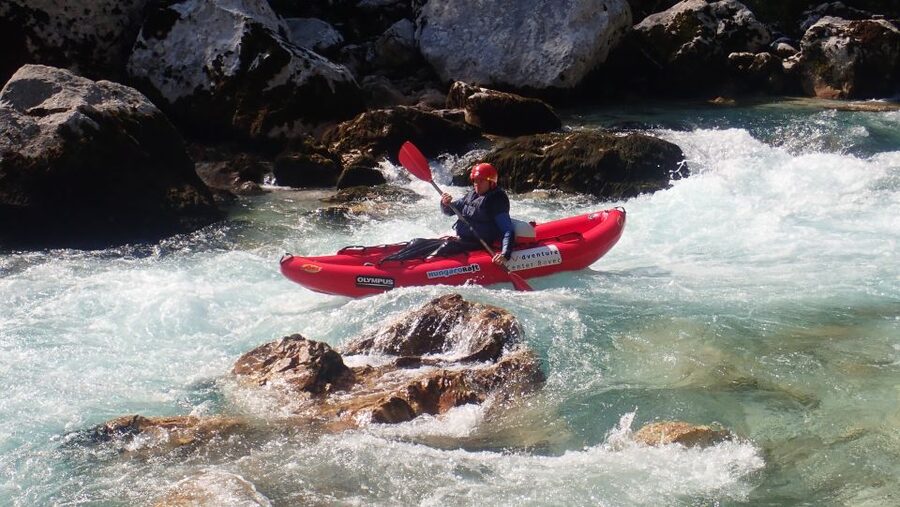
Whitewater days can get loud, but the Soča corridor is also a place where quieter nature moments can happen between bursts of action. One person described wildlife sightings like deer during a sunny morning trip. You can’t plan on animals showing up, but you are in a real outdoor river setting, not a theme park channel.
This is one reason I like doing river trips in a small group. You’re not stuck constantly turning your head for the next raft behind you. There’s space to look at the water and the banks, and to notice when the river quiets down for a minute.
If you’re bringing a camera, plan to grab quick shots during calmer stretches rather than trying to film while you’re bracing. The guide will help with photo opportunities too, which leads to the next practical point.
Photos and souvenirs: capturing the moments without ruining the day
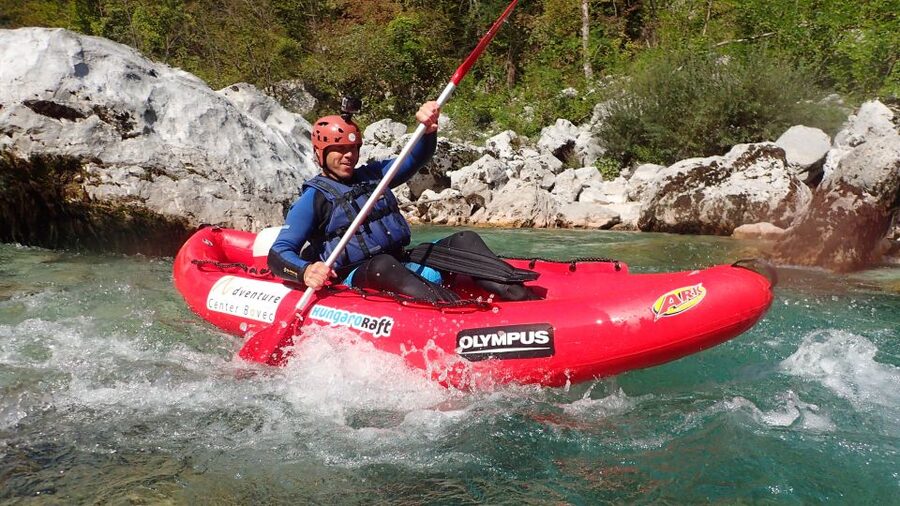
This trip includes the idea of action photos, but they’re not free. Photographs are available to purchase at 24 EUR, taken by your guide during the best moments of the adventure.
That’s a helpful compromise. You don’t have to handle your phone like a fragile hostage while you’re in a wet, active environment. Instead, you get the kayak experience first, and then you can choose whether to buy the photos later.
I’d treat it like a souvenir budget item. If you love documenting trips, it’s a good way to get clean shots from someone who was actually watching for the moments that matter.
Instructor quality: what you’re really paying for
You’re not just paying for a boat and a river. You’re paying for instruction and risk management. The experience provider includes a certified instructor with years of worldwide experience, and the vibe from the guides you might meet is consistently hands-on.
For example, one guide named Haydar was specifically praised for taking great care of the group and being genuinely kind. That kind of tone matters when you’re learning whitewater. A calm guide helps you hear instructions, react faster, and avoid panic moves that make things worse.
The guides also manage pacing. You get a short practice and don’t start full-send. Then you move through the rapids with supervision and coaching on technique and lines. That’s how you get the sense that you’re improving while having fun.
The trip is also offered in multiple languages: English, Hungarian, and Persian. If you’re not a confident paddler or you’re visiting from abroad, language support can turn the difference between confusion and competence.
Price and real value: does $80 make sense here?
At about $80 per person for a 3.5-hour whitewater kayaking experience, the value depends on what you compare it to.
Here’s what’s included that you’d otherwise pay for separately:
- Certified instructor time (safety briefing + on-water coaching)
- Transportation between Bovec and the river
- Full gear: wetsuit, lifejacket, helmet, neoprene boots
- Small group format (up to 4 participants)
Those are costs that add up quickly if you try to piece things together yourself, especially instructor-led coaching. The small group aspect also matters. Fewer people means the guide can correct you faster and keep an eye on your technique.
Then there’s the additional river permit fee. Depending on the chosen river section, it’s payable in addition to the participation fee and can range from €3 to €15.5 per person. Payment is required, and it’s not included in the base price. Before you go, keep some extra cash or card ready for that.
Finally, photos cost extra if you want them (24 EUR). Travel insurance for extreme sports is also not included, and you’ll need to have the right kind of coverage if you plan to claim this kind of activity.
Bottom line: $80 is reasonable when you’re paying for gear, instruction, and transport. It’s not the cheapest thrill in Slovenia, but it’s not a bare-bones rental either.
What to bring (and what to skip) so you’re comfortable
Plan your packing for wet weather and real outdoor time.
Bring:
- Swimwear
- A towel
- Any medicine you need
- Travel insurance (for extreme sports, since it’s not included)
You also need to be ready for the reality of cold water and getting wet. The wetsuit helps, but you’ll still want to dry off afterward. That towel is not optional-life-hack optional.
Don’t bring intoxication. It’s not allowed, and it’s simply not safe for you or the group.
Also note the rules that determine fit:
- You must be able to swim
- Pregnant women are not suitable for this activity
- Non-swimmers should skip it
- If you’re under 18, you need parent or legal guardian consent
- Anyone under the influence of drugs or alcohol can’t participate
If you’re unsure about your swimming ability, don’t gamble. Whitewater plus an unfamiliar kayak feel is not where you want to find out you’re not comfortable in the water.
Who this whitewater kayaking trip is best for
This is suitable for beginners, mainly because of the stable kayak and the way the day starts with easy current plus a practice session. If you can swim and you’re okay getting wet, you’ll likely find it approachable.
You’ll also enjoy it if you want a guided adventure rather than a solo outing. With coaching on technique and lines, it’s ideal for people who want to learn how to paddle properly in moving water.
It’s a good fit for:
- Families with kids who can swim (and who can follow instructions)
- Couples looking for a shared active day in a beautiful river setting
- Travelers who want a memorable Slovenia activity beyond lakes and castles
It’s not a good fit if:
- You’re a non-swimmer
- You’re pregnant
- You can’t commit to staying sober and attentive
If you’re traveling with someone who is nervous about whitewater, the coaching and pacing can help. The key is choosing people who can listen and participate when the guide gives cues.
Should you book Soča whitewater kayaking from Bovec?
If you want a real whitewater experience in Slovenia without the usual intimidation, I think this is worth booking. The combination of stable inflatable kayaks, a beginner-friendly start, and real instruction is what makes the trip click. You get the excitement of Class III rapids without pretending everyone has advanced skills from minute one.
I’d book it if you can swim, you’re comfortable getting wet, and you want a guide-led day that’s more “learn and have fun” than “survive and hope.” The small group size makes it feel personal, and the optional photo coverage gives you a way to capture the highlights without managing gear in chaos.
Skip it if you’re not able to swim, if pregnancy applies, or if you’re looking for a mellow paddle-only outing. This is still whitewater, so you should expect action.
FAQ
How long is the whitewater kayaking trip from Bovec?
The duration is 3.5 hours.
Where do I meet the guide in Bovec?
You meet at HungaroRaft – Adventure Center Bovec. The rafting base is one street down from the main square, and you can look for HungaroRaft beach flags.
What’s included in the price?
The package includes transportation between Bovec and the river, a certified instructor, and kayaking safety equipment: a wetsuit, lifejacket, helmet, and neoprene boots.
Do I need to pay a river permit fee?
Yes. There is a river permit fee payable in addition to the participation fee, depending on the chosen river section. The fee ranges from €3 to €15.5 per person and payment is required.
Is this trip suitable for beginners?
Yes. The activity is described as suitable for beginners, with an initial practice session and instruction from the guide.
Do I need to know how to swim?
You must be able to swim. Non-swimmers are not suitable for the activity.
What should I bring with me?
Bring swimwear, a towel, and any medicine you might need. Travel insurance is also recommended since travel insurance for extreme sports is not included.
Are photos included?
No. Photographs are available to purchase for 24 EUR.
What group size should I expect?
It’s a small group limited to 4 participants.
What languages are the instructors available in?
The instructor languages listed are English, Hungarian, and Persian.