REVIEW · ALASKA
Kayak and Hike to Deep Blue, Glacially Carved Grant Lake, Alaska
Book on Viator →Operated by Moose Pass Adventures · Bookable on Viator
Deep blue water and a real Alaska trail day. This kayak-and-hike tour from Moose Pass Adventures pairs time on glacially fed Trail Lake with a stop along the Iditarod National Historic Trail, plus big scenery in the Chugach.
I love that it’s built for a small group (maximum 6) and led by an expert guide—Jen comes through in the details, explaining the nature and the region’s human stories as you go. I also like the simple, extra touches: you’ll get lunch and snacks, and there’s even time to enjoy wild berries like blueberries when conditions line up.
One possible drawback: the hiking portion takes place on uneven, somewhat rugged terrain, so it’s not the right fit if you don’t already feel comfortable on rough ground.
In This Review
- Key Highlights Worth Planning For
- The Big Idea: Kayak on Glacial Water, Then Walk the Wild Side
- Iditarod National Historic Trail Stop: Stories You Can Actually Picture
- What to watch for
- Moose Pass: The Small Town Pause That Adds Color to the Day
- Trail Lake Kayaking: Cold Water, Big Views, Real Wildlife Odds
- What you might see
- Your boat setup (and why it matters)
- Chugach National Forest Time: Glacier Country With Wildlife-First Thinking
- The hike part: what to be ready for
- What’s Included (So You Can Travel Lighter)
- Price and Value: Where $282.31 Really Goes
- Who This Tour Is Best For (And Who Should Skip It)
- Tips to Make the Day Feel Easy
- Should You Book Moose Pass Adventures to Deep Blue, Glacially Carved Grant Lake?
Key Highlights Worth Planning For
- Max 6 people keeps the day feeling personal, not crowded
- Tandem kayaks with paddles and life jackets (with a whistle signaling device)
- Glacially fed Trail Lake that connects to Kenai Lake for salmon travel
- Iditarod National Historic Trail history + stories, including time near Trail Lake
- Chugach National Forest views of glacier-and-forest country with lots of wildlife
- Lunch, snacks, and a small drybag so you’re not hunting for supplies mid-day
The Big Idea: Kayak on Glacial Water, Then Walk the Wild Side
This is not a long, exhausting backcountry trek. It’s a day that mixes calm paddling with a hike that’s real enough to feel outdoors, but not so technical that you need mountaineering skills.
I like the pacing because you get two different ways of seeing the area. On the water, you move slowly and read what the lake is doing. On foot, you pick up the texture of the forest and the trail—how it fits into Alaska’s larger story.
The tour also leans into the connections that make Alaska feel like one system. The lakes aren’t just scenery. They’re part of how fish move, how birds feed, and how the land formed.
You can also read our reviews of more tours and experiences in Alaska.
Iditarod National Historic Trail Stop: Stories You Can Actually Picture
Right off the day, you’re placed on the Iditarod National Historic Trail, near Moose Pass and Trail Lake. It’s a smart start because it sets the tone: this landscape isn’t just pretty, it’s been used by humans and wildlife for a long time.
You’ll hear human history tied to the land, including how the trail is maintained and restored for hikers and historians. The guide talks about wanting the whole route to be hikeable like it once was, and you can feel how that effort matters when you’re standing near the trail.
This stop is short, about 15 minutes, so don’t expect a full lecture. Instead, it works like a “why this place exists” intro, so the later scenery lands better.
What to watch for
You’ll likely see the trail environment where people used it for travel, then you’ll turn toward the modern outdoors side of the same region. That contrast is part of the value: you’re not only walking through woods—you’re walking through meaning.
Moose Pass: The Small Town Pause That Adds Color to the Day
Moose Pass is easy to overlook if you’re only chasing big views. Don’t skip it here. This stop adds context and texture, and it’s where the day stops feeling like a nature-only drive.
You’ll hear local history with specific details: an older school and a long-running library on the Kenai Peninsula. You’ll also get the kind of quirky anecdotes that make a small town feel alive, like a grocery store moved across town on logs, and a lodge/restaurant that started as the remote Jockey Club—once with black lights and a disco ball inside.
Even if you don’t have hours to explore town, this is still useful. It helps you understand why people built and lived here in the first place, and why the outdoors is such a big part of daily life.
Trail Lake Kayaking: Cold Water, Big Views, Real Wildlife Odds
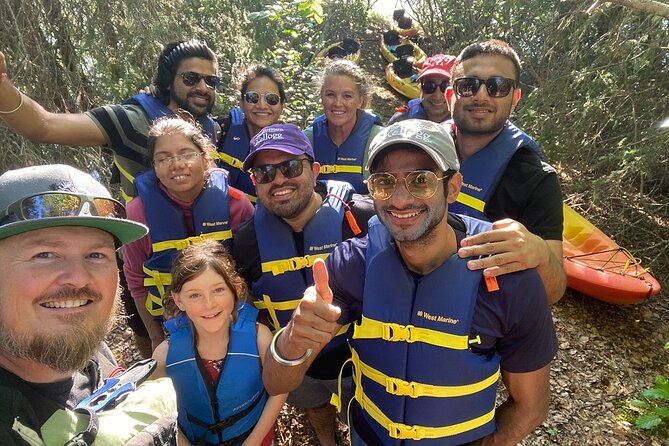
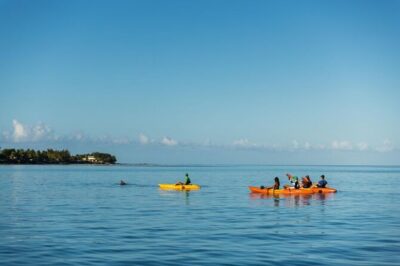
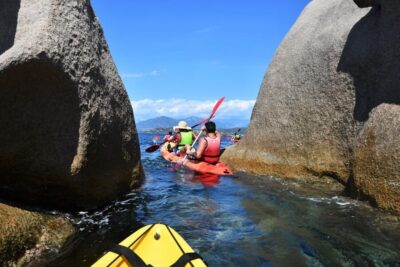
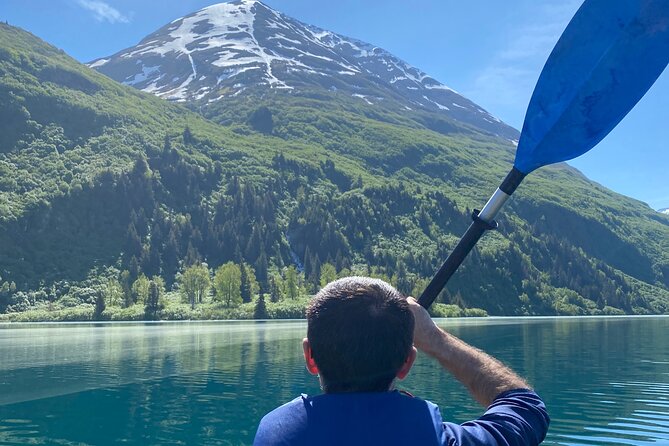
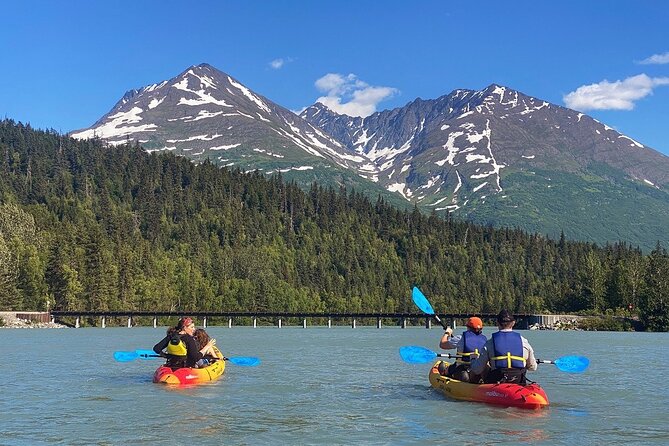
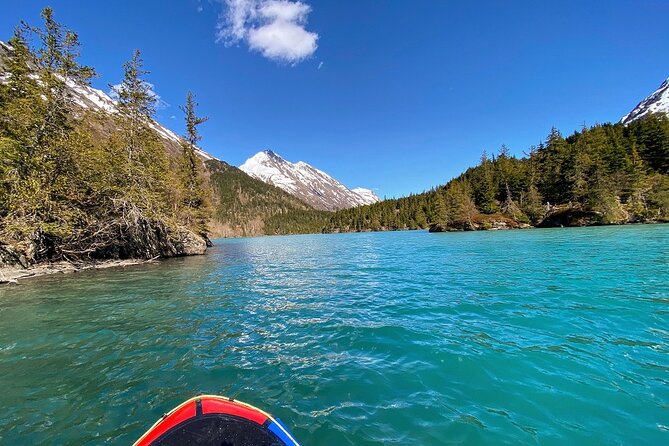
Trail Lake is glacially fed, and it shows in the water feel—cooler than you might expect, and clear enough that you’ll notice the shoreline and movement. After orientation and kayak instruction, you’ll spend about an hour kayaking across the lake.
This is where the tour earns its name: the water color can look deep and dramatic, especially when light hits glacial areas. It’s also where you get that “float and pay attention” experience, not a race.
What you might see
Trail Lake has Rainbow Trout, Lake Trout, and other fish in its waters, and it empties into Kenai Lake. That connection matters because it allows salmon to travel through the system.
The shorelines can also have wildlife sightings in season. The guide highlights that you may see bears or moose along the shores, and there are often Bald Eagles in the area too. I like that the day doesn’t promise wildlife, but it prepares you to look, so sightings feel earned.
Your boat setup (and why it matters)
You’ll ride in a tandem boat with two people, with paddles provided. Life jackets come with a signaling device (a whistle), which is reassuring even if you never need it.
A tandem kayak is also a practical choice for mixed comfort levels. You share effort, and it tends to reduce stress compared with solo paddling—especially if conditions or wind shift.
Chugach National Forest Time: Glacier Country With Wildlife-First Thinking
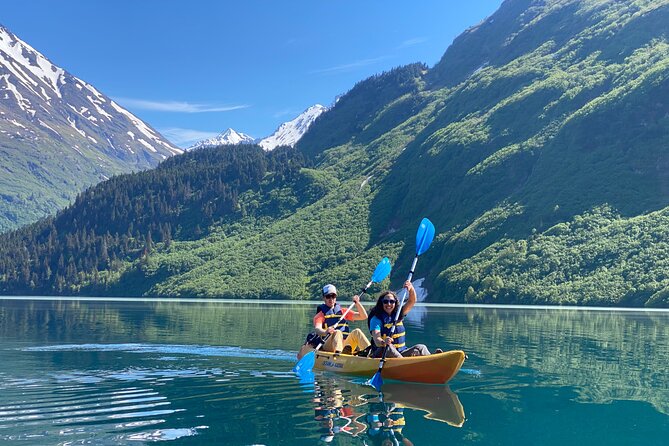
The tour then shifts into the Chugach National Forest, a huge area in south central Alaska (over 6.9 million acres). The point isn’t to list facts—it’s to get you into the right frame of mind: this is a big, wild space with lots of shorelines, glaciers, forests, and rivers.
You’ll spend about 2 hours in this zone, and the emphasis is on what you can notice at ground level. You’re moving through terrain where many areas are untouched by roads or trails, which helps explain why wildlife and birds are such a central part of the experience.
The guide also points out that the Chugach hosts many bird and mammal species, plus marine life and extensive shorebird habitat. There’s also a bald eagle population noted as larger than what you’d find across the contiguous 48 states combined—an impressive statistic, but what matters more is the everyday reality: you’ll have a better chance of seeing eagles when you’re in the right habitat at the right time.
The hike part: what to be ready for
This day includes hiking on uneven, somewhat rugged terrain. If you like trails that have roots, uneven footing, and real traction issues, you’ll feel at home. If you want flat walkways and smooth surfaces, you should probably pass.
The good news is the tour is paced by a professional guide, and your safety gear is handled for the kayak portion. Just don’t underestimate the hike shoes part.
What’s Included (So You Can Travel Lighter)
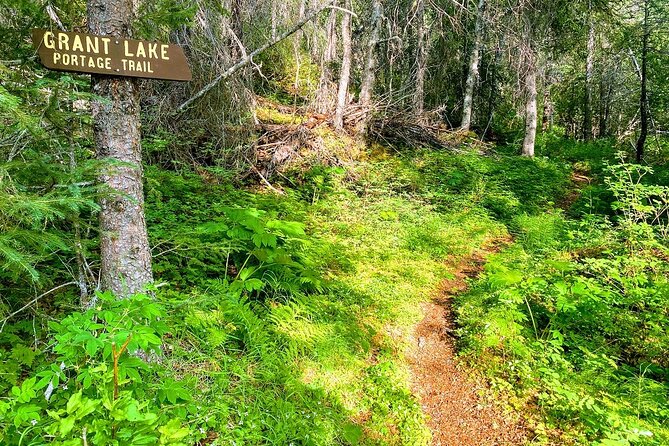
This is one of those tours that reduces decision fatigue because the basics are covered. You’ll get paddles, life jackets with whistle signaling devices, and a small drybag for keeping essentials safer around water.
You’ll also have a professional guide, plus basic first aid kit support. Those pieces matter more than people think. When something minor goes wrong outdoors, it’s the difference between “fixed quickly” and “we’ll figure it out.”
Food is included too: lunch plus snacks. That’s a big deal on a 6–7 hour day, especially if you’re traveling in Alaska where food options can be limited outside a few hubs.
Price and Value: Where $282.31 Really Goes
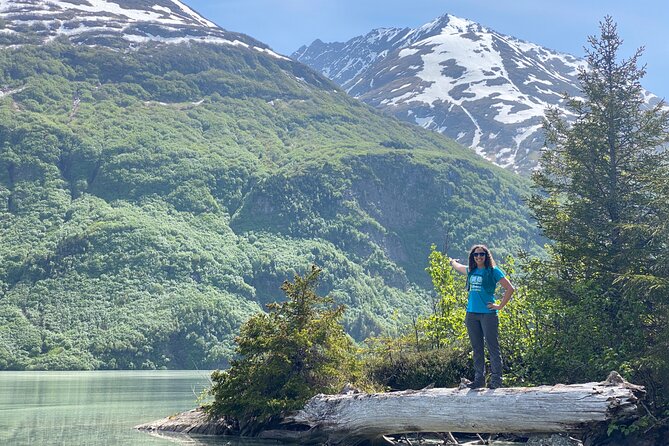
At $282.31 per person for a roughly 6 to 7 hour day, you’re paying for more than just kayaking. You’re paying for the guide time, the small group limit (maximum 6), and the full kit of water-safety essentials like life jackets and paddles.
You’re also paying for a structured nature day that blends:
- storytelling tied to the Iditarod National Historic Trail,
- short but meaningful time in Moose Pass,
- an hour of guided paddling on glacially fed Trail Lake,
- and time in the Chugach National Forest.
If you were to piece this together yourself—transport, gear, safety basics, and a guide to explain what you’re looking at—you’d spend a lot more time and often more money. Here, you get the “how to read this place” factor without doing extra research on the ground.
One more value point: the day includes food. That’s an easy cost to forget when you only compare sticker prices.
Who This Tour Is Best For (And Who Should Skip It)
This tour is best for people with moderate physical fitness who are comfortable hiking on uneven, somewhat rugged terrain. If you’re the type who hikes a bit in normal shoes and doesn’t mind footing changes, you’ll likely be fine.
It’s also a good choice if you want a guide-led day rather than a DIY outing. You’re not just paddling. You’re learning why Trail Lake connects to Kenai Lake for salmon, why the Iditarod trail matters, and what the Chugach environment supports.
If you’re nervous about hiking rough ground, or you’re not familiar with that kind of terrain, this probably isn’t the day to “try it out.” The kayak part is supported, but the walk part is still real.
Tips to Make the Day Feel Easy
I can’t control the weather, but you can control how ready you are. The tour requires good weather, so aim for a day when conditions look stable.
On the water, assume it can be cool. Bring layers that you can adjust as you paddle and as you stop. Even with life jackets and a drybag, you’ll still feel wind and temperature changes.
For the hike, wear footwear that grips uneven ground. That’s the simplest way to reduce stress. If your shoes slip on wet trail dirt, you’ll notice it more here.
And if you’re the type who likes little treats, keep your expectations friendly. The day can include time to enjoy things like blueberries, but you should still think of it as a bonus, not a guaranteed activity.
Should You Book Moose Pass Adventures to Deep Blue, Glacially Carved Grant Lake?
I think you should book this if you want a guided Alaska day that mixes real movement with real meaning. The best part is how the day links the human story of the Iditarod to the living natural system of glacial lakes, fish routes, and wildlife habitat in the Chugach.
It’s also a strong value for what you get: small group size, kayak instruction and safety gear, and food included—all without turning the day into a fitness boot camp.
Skip it if rough, uneven terrain makes you uncomfortable. This is not a smooth-stroll kind of tour.
If you’re ready to hike a bit and you’d like to paddle glacially fed water with a guide who explains what you’re seeing, it’s a great choice for a morning start from Moose Pass.