REVIEW · SEWARD
Kayak and Hike to Historic WW2 Army Fort in Alaska!
Book on Viator →Operated by Millers Landing Inc. · Bookable on Viator
Picture WWII forts on a coastline you can only reach by kayak. This Seward outing pairs an Alaskan open-water paddle with a hike to Fort McGilvray, plus wildlife spotting along Resurrection Bay’s dramatic shoreline. It’s the kind of day where you start by practicing strokes, then end with Gulf views and real remnants from the Second World War.
I especially like that the day is built for beginners. You get warm-up exercises, a safety briefing, and a hands-on training session before you launch—so the sea feels less like a mystery and more like something you can manage. I also love that the scenery is varied: you paddle through shoreline scenery shaped by the 1964 earthquake, then climb up to panoramic views from Caines Head.
One consideration: it’s active all day. You’ll kayak about 5 miles and hike a total of about 4 miles round-trip, and the open-water paddle can feel like work after a while.
In This Review
- Key points before you go
- Seward by sea and trail: what this tour is really about
- The morning plan: check-in, parking, and getting your kayak body ready
- Paddle to Caines Head: five miles of wildlife, waves, and quake-era scenery
- What to expect physically
- The hike to Fort McGilvray: WWII remains above the Gulf
- WWII details you’ll actually notice
- A realistic note on effort
- Second paddle: Miller’s Landing and the long-game finish
- Wildlife still matters on the way back
- Safety, gear, and the beginner-proof setup
- Who fits the kayak (and who might need a different option)
- The value of pairing WWII ruins with open-ocean kayaking
- What to bring for comfort: the stuff that keeps you happy
- Who should book this, and who should choose a lighter day
- Should you book this kayak and hike to Fort McGilvray?
- FAQ
- How long is the kayaking and hike tour?
- Where do we meet, and where do we end?
- Do I need kayaking experience before I go?
- What are the age and weight limits?
- What gear is included, and what should I bring?
- What happens if weather is poor?
Key points before you go
- Beginner-friendly training happens right before launch, with all the kayak gear provided
- Caines Head + Fort McGilvray gives you WWII remains paired with big Gulf of Alaska views
- Wildlife watch can include whales, eagles, sea lions, sea otters, mountain goats, bears, and Dalls porpoise
- Paddling past 1964 quake driftwood adds a very specific sense of place to your route
- Small groups (max 16) make it easier to get help when waves or pacing change
- Bring hike-ready boots because you’ll climb up, not just stroll
Seward by sea and trail: what this tour is really about
This isn’t a quick photo stop. It’s a full, do-it-yourself-feeling day where you move under your own power—kayak strokes on the water, then your legs on the trail—while the guide handles navigation, safety, and history so you can focus on enjoying the moment.
The big hook is the pairing: Caines Head isn’t just pretty. It’s tied to WWII-era Fort McGilvray, so the hike has purpose beyond views. And the kayak leg isn’t just transport. You’re watching for wildlife from the water while you pass shoreline features linked to the 1964 Alaskan earthquake, including driftwood “ghost forests” formed by the disaster’s lasting impact.
If you like Alaska where you can’t really separate nature from human stories, this tour hits that sweet spot.
You can also read our reviews of more tours and experiences in Seward.
The morning plan: check-in, parking, and getting your kayak body ready
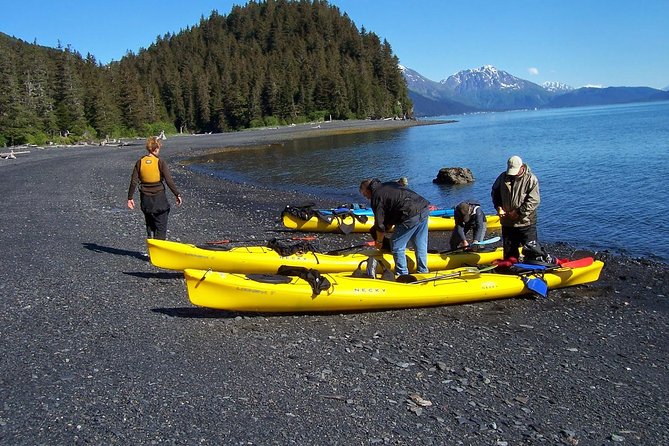
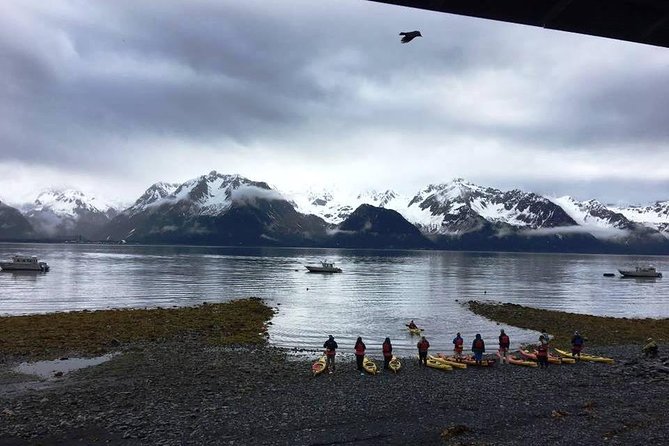
You’ll start at 13880 Beach Dr in Seward (and the tour ends back there). Check-in is around 7:45 a.m. to handle the parking pass and paperwork, then you’ll meet your guide and get outfitted for paddling around 8:00 a.m.
Before you push off, expect a short ramp-up:
- warm-up exercises
- a safety briefing
- coaching on how to handle the kayak in open water
This matters, even if you’ve never kayaked. You’re not just getting a life jacket and hoping for the best. You’ll practice enough to feel like you understand what to do if your kayak feels off-balance or if waves add motion you weren’t expecting.
Guide names that show up in past groups include Zack, Issac, Ron, Emily, and Rich. I can’t guarantee who you’ll get, but it’s a good sign that multiple guides are described as energetic, helpful, and tuned into both safety and fun.
Paddle to Caines Head: five miles of wildlife, waves, and quake-era scenery
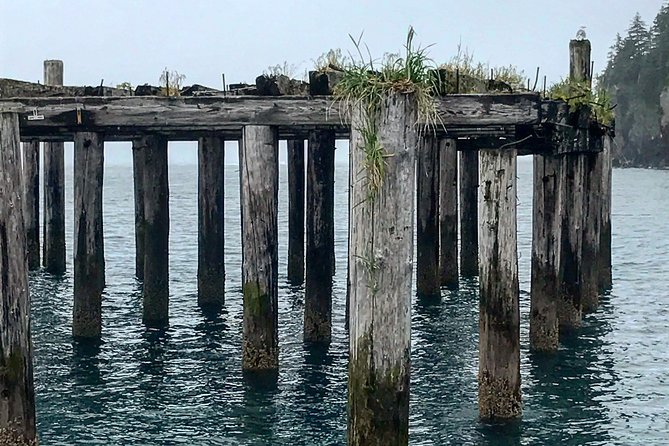
The first major water leg is a 5-mile paddle to Caines Head. Along the way, you’re set up to watch for wildlife from close range—things like sea otters, eagles, sea lions, whales, and even Dalls porpoise if conditions line up.
What makes this paddle special is how it’s not just “go from point A to point B.” You’ll also notice shoreline details you might never spot from shore, including:
- driftwood ghost forests associated with the 1964 Alaskan earthquake
Even if you know the quake story already, seeing how it shows up in the shoreline environment makes history feel real and local instead of abstract.
What to expect physically
Five miles doesn’t sound huge, but it’s the kind of distance you feel in your shoulders once you’ve been paddling steadily. One strong piece of practical advice: pace yourself early. If you sprint the first part, you’ll pay for it later—especially because the paddle continues after the hike.
If the day is calm, it can feel smooth and scenic. If conditions are a little more active, you’ll be glad you listened during the training session.
The hike to Fort McGilvray: WWII remains above the Gulf
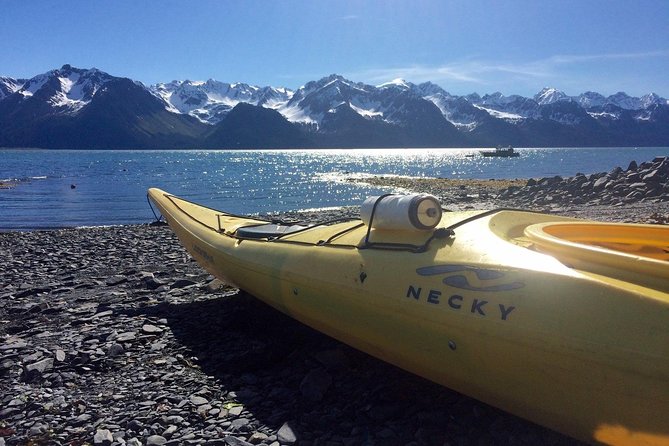
Once you reach the top area, you’ll start the hike toward Fort McGilvray. The route is about 2 miles each way (4 miles total round-trip).
The payoff is twofold:
1) a panoramic view of the Gulf of Alaska from the Caines Head area
2) WWII-era remains you can walk through and interpret with your guide
This is one of those hikes where it’s worth moving at a steady pace rather than trying to rush. There are enough spots to stop and look that you’ll naturally slow down and absorb what you’re seeing.
WWII details you’ll actually notice
Fort McGilvray included practical infrastructure—storage paths and building remains are part of what you’ll see. The unique part is that the fort is not a museum piece behind glass; it’s spread across terrain and shaped by how people had to move materials and build roads up in a difficult place.
If you’re a history buff, this hike is a rare chance to connect military engineering to the physical reality of Alaska. If you’re not, the view alone makes the climb worthwhile, and the guide’s explanation turns the ruins into something you can picture.
A realistic note on effort
The hike is not described as a brutal mountain grind, but it is a hike. Bring your hiking boots, and plan to use the same energy you’d use for a solid half-day walk.
Second paddle: Miller’s Landing and the long-game finish
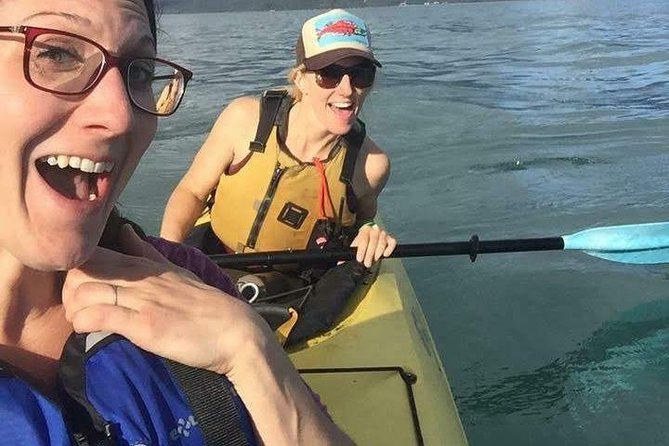
After the hike, you return by kayak from Caines Head to Miller’s Landing. That’s another 5-mile paddle, and it’s where you’ll feel the total distance more than you did in the morning.
By this point, you’ve done:
- kayak paddling to the hike start
- the hike up to the fort area and back
- another round of paddling back to finish
That’s why it’s not a casual “walk and float” style day. One past group summed it up well: they traveled just over 14 miles total, and the kayak portion gets harder after time passes. So my advice is simple: start the day expecting the second paddle to feel more work than the first. That mindset keeps it fun instead of frustrating.
Wildlife still matters on the way back
You won’t just be mentally counting strokes. The return route is also part of the wildlife watch. If you saw a big animal on the way out, keep your eyes open on the way back—sea otters and birds can show up when you least expect them.
Safety, gear, and the beginner-proof setup
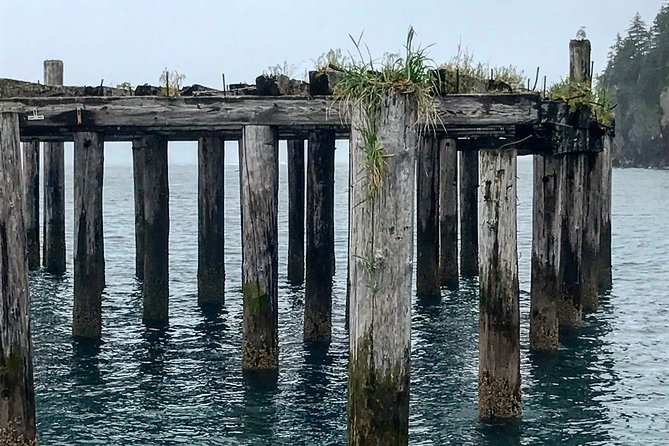
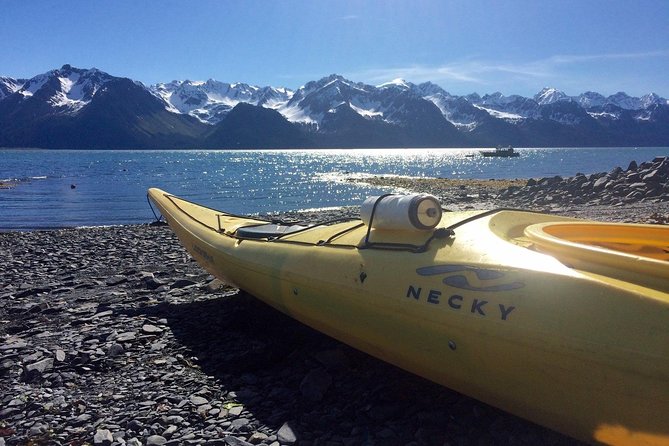
This tour includes kayak and associated gear:
- paddle
- spray skirt
- life jacket
- pump
- paddle float
You also get a guide and tour escort/host, plus landing and facility fees, local taxes, and entrance/landing-related costs bundled into the experience.
What’s not included is also useful to know:
- rain gear
- food and drinks (unless specified)
- hotel pickup/drop-off
Who fits the kayak (and who might need a different option)
Kayaks are not one-size-fits-all here. Due to cockpit size and balance:
- participants must be under 250 lb
- and able to fit within the 33″ x 17.25″ cockpit opening
Also, plan for moderate physical fitness. The tour is physically active for the whole day, with paddling and hiking happening back-to-back.
If you’re unsure about your ability to do both, take it seriously. You really don’t want to be the person who has to stop repeatedly because the day is longer and more physical than expected. The good news: the provider says they can set you up with easier trips if you’re not comfortable hiking and paddling all day.
The value of pairing WWII ruins with open-ocean kayaking
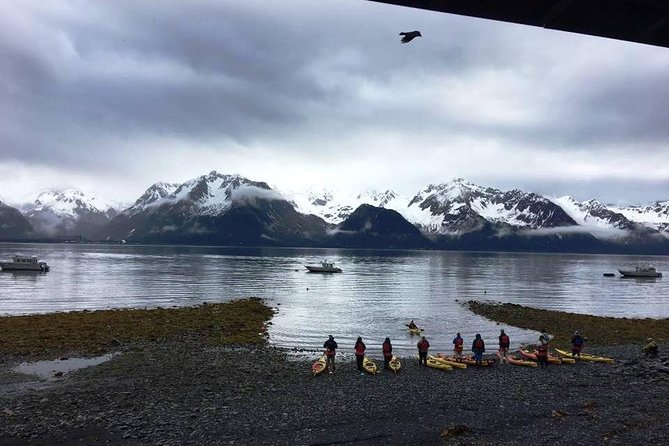
From a value standpoint, what you’re paying for isn’t just a kayak rental. You’re paying for:
- instruction and a guided training session
- a guided hike to a specific historic site
- the kayak setup and required safety gear
- a full-day itinerary that covers both sea and trail
That combo saves you effort. You don’t have to figure out how to get from kayaking to hiking to a WWII site on your own, and you don’t have to interpret what you’re seeing without help.
And the wildlife factor matters too. If you’re going to spend a half day in Alaska, it’s great when it’s just pretty. It’s better when it’s productive—when you can spot sea otters, eagles, and potentially whales from your kayak, and still end the day with a historic destination.
What to bring for comfort: the stuff that keeps you happy
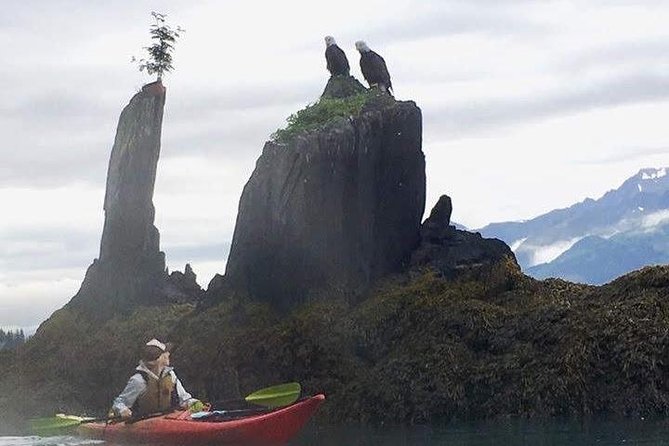
The tour is well set up on the water with gear, but you’re still responsible for your comfort. Bring:
- hiking boots (mentioned as a must)
- weather protection, especially rain gear (not included)
- your own food and drinks unless you know another plan is specified for your booking
Even on a calm day, Alaska weather can shift. Having your rain layer ready is the difference between finishing the hike annoyed versus finishing it proud.
Also, think about next-day muscles. If your steering technique is new, you may feel it. One helpful note from an actual experience: planning a relaxed day afterward makes the whole thing more enjoyable, because kayaking muscles and control can leave you a bit sore.
Who should book this, and who should choose a lighter day
This tour is a great match if:
- you want a real workout but not a suffer-fest
- you’re excited by combining wildlife, coastline scenery, and WWII history
- you’re open to learning kayaking basics and following safety coaching
- you can fit within the weight and kayak cockpit requirements
You should think twice if:
- you don’t feel comfortable paddling for multiple miles in open water
- you’re not comfortable doing a 2-mile each-way hike while carrying your own hike needs
- you’re likely to get discouraged by effort after hours of active movement
This is not an easy stroll. It’s a strong Alaska day that works best when you treat it like a small adventure you fully participate in.
Should you book this kayak and hike to Fort McGilvray?
If you want a Seward day that feels like Alaska—water wildlife plus a hike to WWII remains—book it. This is the kind of tour that gives you both story and motion: you paddle past earthquake-linked driftwood, you climb above the Gulf, and you end with a fort that you can actually see and walk around.
Don’t book it if you’re hoping for a relaxed, low-effort outing. The second kayak leg and the total hiking distance mean you need to show up ready to move. Also make sure you fit the kayak limits and are prepared for weather by bringing rain gear.
If you match the effort level, this is a high-success-day itinerary.
FAQ
How long is the kayaking and hike tour?
It runs about 8 hours (approx.), with a scheduled start at 8:00 a.m. and it ends back at the meeting point.
Where do we meet, and where do we end?
You meet at 13880 Beach Dr, Seward, AK 99664. The activity ends back at the same meeting location.
Do I need kayaking experience before I go?
No experience is needed. You’ll get a training session prior to launch, along with warm-up exercises and a safety briefing, and all gear and instruction are provided.
What are the age and weight limits?
Children must be accompanied by an adult and must be 12 years minimum. Participants must be under 250 lb, and be able to fit the kayak cockpit opening of 33″ x 17.25″.
What gear is included, and what should I bring?
Included gear covers the kayak setup and safety equipment: paddle, spray skirt, life jacket, pump, and paddle float, plus the professional guide. Bring hiking boots and rain gear (rain gear is not included). Food and drinks are not included unless specified.
What happens if weather is poor?
The experience requires good weather. If it’s canceled due to poor weather, you’ll be offered a different date or a full refund.