REVIEW · TAMARINDO
Kayak to the Heart of the National Park
Book on Viator →Operated by Sol Eco Adventures · Bookable on Viator
Quiet mangroves set the tone fast. This Tamarindo tour gets you on the water with a short kayak skills lesson before you head into Las Baulas National Marine Park, where you’ll paddle through a mangrove estuary full of birds and other wildlife with no car traffic inside the park.
I also like the land portion because it’s not just a walk and done. You swap from paddles to boots for a guided hike on multiple trails, with stops for wildlife spotting (howler monkeys, herons, iguanas, parrots, cranes) and plant ID (including dragonfruit cactus and wild hibiscus), plus a climb to an archaeological viewpoint built by ancient Indigenous people using rocks brought from nearby.
One thing to plan for is footing and timing. The tour runs before high tide (so water levels line up correctly), and that means the areas where you step off and on can be wet and muddy—so bring proper traction and keep expectations realistic for a 3-hour active outing.
In This Review
- Key things that make this tour work
- Las Baulas from a kayak: the quiet advantage over boat tours
- Pangas Beach Club start: facilities that make mornings easier
- The short kayak lesson that prevents the usual beginner chaos
- Paddling through mangroves: what you’re likely to spot (and why)
- Tides and scheduling: the detail that controls everything
- The guided nature hike: trails, wildlife behavior, and plant ID
- Archaeology on the trail: climbing an Indigenous stone site
- Getting back to the kayaks: where you need the right shoes
- Snacks, water, and the not-included items that matter
- Who this tour fits best in Tamarindo
- Guide reality check: Luis, Tom, and Victor show up in the stories
- Price and value: what $65 buys you in the real world
- Should you book this Kayak to the Heart of Las Baulas tour?
- FAQ
- How long is the kayaking and hike?
- Where is the meeting point in Tamarindo?
- Do I need previous kayaking experience?
- What should I bring?
- When does the tour run relative to high tide?
- Is there an admission ticket cost?
- What happens if the weather is bad?
Key things that make this tour work
- Small group (max 10) means more time with your guide and less waiting around.
- A real pre-paddle lesson helps you get comfortable fast with correct safety and paddling technique.
- Wildlife-focused mangroves give you a quieter, closer look than you’d get from a typical boat ride.
- Guided hike + archaeology climb adds variety: animals, plants, and a stone site with a canopy view.
- Tide timing is part of the experience, not a side detail. You’ll schedule the tour 60 to 90 minutes before high tide.
Las Baulas from a kayak: the quiet advantage over boat tours
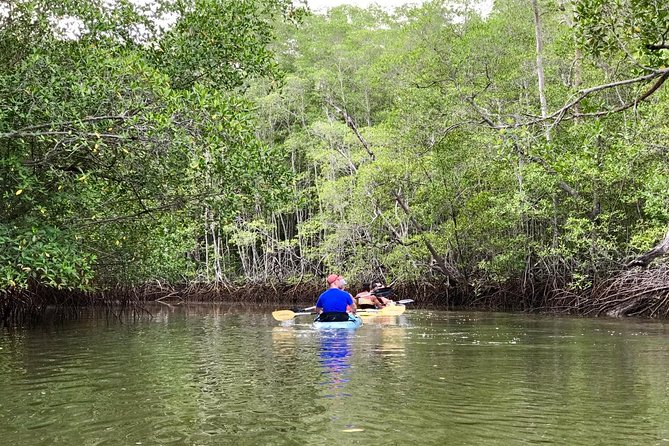
Tamarindo is busy. This is not that. The big appeal here is that Las Baulas doesn’t allow cars inside the park, so the only practical way in is by water—kayak being the most direct, active option.
Kayaking through the mangroves slows you down. You’re low to the water, moving through narrow channels, and that often translates into better wildlife sightings than rushing by in a larger craft. Expect birds overhead and along the edges—herons and cranes are often spotted—and you might also catch flashes of reptiles and mammals that blend into the shoreline.
If you like nature that feels close-up (not staged), this format fits. You’re not just looking from a deck; you’re present in the estuary.
Pangas Beach Club start: facilities that make mornings easier
The tour begins at Pangas Beach Club in Tamarindo. The practical perks matter more than you’d think: there’s parking, plus bathroom and shower facilities.
That’s useful when you’re heading into a wet environment for a multi-part outing. You’ll also start with gear organized for you: single or double kayaks, comfortable seat pads and back rests, and life jackets. There’s even a protective dry bag for valuables, which helps when mangrove water mist and splashes are part of the day.
In short, it’s set up for travelers who don’t want to scramble for essentials before they’re on the water.
The short kayak lesson that prevents the usual beginner chaos
Before paddling out, your guide provides a brief lesson focused on safety and paddling technique. This is a big deal for first-timers.
With a kayak, small mistakes snowball fast. Wrong paddle rhythm can make you drift awkwardly; poor posture can leave you sore quickly. A quick instruction helps you get your bearings fast, and several recent experiences highlight guides handling novices well, including one report where Luis Ernesto or Luis Ernesto (also seen as Luis Ernesto) adjusted to the pace of the group.
What I like about the structure is that you don’t spend the whole morning learning gear. You learn just enough to move confidently, then you put it to use in the mangroves.
Paddling through mangroves: what you’re likely to spot (and why)
Once you’re ready, you paddle about 35 minutes through lush mangroves toward the heart of Las Baulas National Marine Park. The route is designed for an estuary feel—channels, sheltered water, and shoreline edges packed with life.
Wildlife sightings can be hit or miss, but the tour is built around the right habitat. Look for:
- Birds such as herons, cranes, parrots, and other exotic species
- Howler monkeys during the land portion (often seen on hikes)
- Iguañas and other reptiles along the banks
- Smaller creatures like squirrels
Some experiences also mention crocodiles along the river banks and bats flying near the area. You should treat that as possible, not guaranteed—but the point is that the environment supports it.
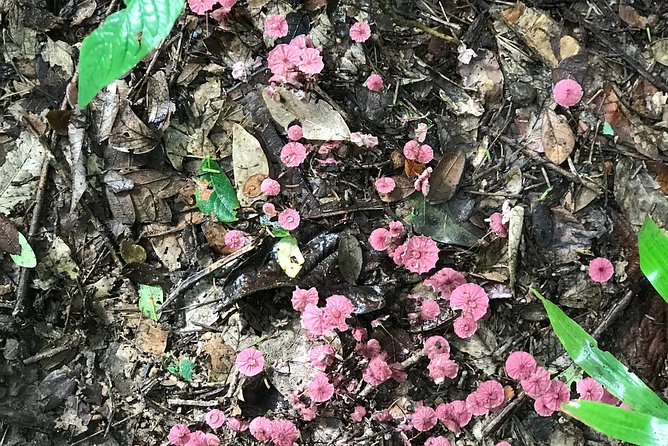
Then there’s the plant side, which is where the guides often earn their pay. You may see dragonfruit cactus, wild hibiscus, mushrooms, and large canopy trees (including a national Guanacaste tree). When your guide explains how these plants survive in the mangrove ecosystem, the whole place stops being just pretty scenery.
Tides and scheduling: the detail that controls everything
This tour isn’t a casual stroll at any time of day. Tidal change matters. You’re scheduled 60 to 90 minutes before high tide, because that timing helps coordinate where you can paddle, step ashore, and move safely.
If you’re wondering why that’s such a big deal: mangrove edges shift. Water levels change how easy it is to exit the kayak and how firm the ground feels when you transition to hiking. Several notes emphasize that the timing isn’t optional—it’s part of making the route work.
My advice: treat your check-in time as non-negotiable. Arriving late can mess with the tide window and can also increase stress when you’re trying to switch activities on slick ground.
The guided nature hike: trails, wildlife behavior, and plant ID
After reaching the park’s heart, you step ashore and leave the kayaks for a guided hike. This is where the trip becomes more than paddling.
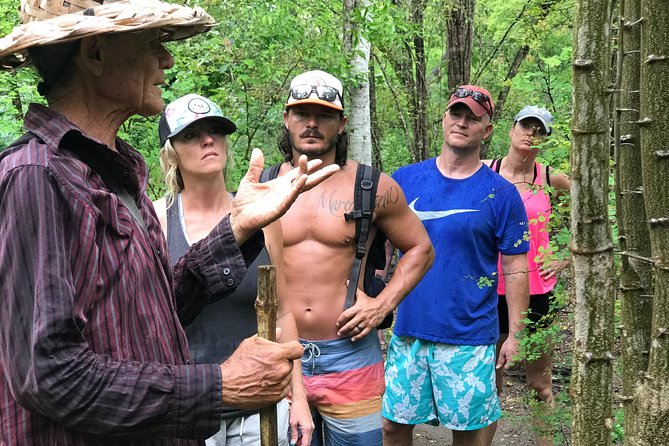
Your guide leads you along trails while pointing out wildlife behavior and plant life. You’re not just told what’s there—you’re often taught what to look for and how animals use the forest structure.
Depending on the day, you might spot howler monkeys up in the canopy, plus birds moving between branches. One experience described a close howler monkey sighting during the walk, while others mention smaller wildlife moments like iguanas and varied bird calls.
The plant knowledge is especially practical. Knowing which trees are common in the Guanacaste region, and how plants relate to the ecosystem around you, makes the hike feel like a guided field course instead of a random walk through humid green.
Expect it to be active and warm. One review referenced heat and humidity that made every stop feel longer, which is exactly why the trip is capped to a morning window and designed around short, defined segments.
Archaeology on the trail: climbing an Indigenous stone site
The highlight for many people is the archaeological stop. You’ll visit and climb to the top of an archaeological site built by ancient Indigenous people using rocks brought from nearby.
That’s a powerful contrast inside a nature tour: history isn’t separate from the environment here—it’s integrated. From the top, you get a bird view of the tree canopy, which also helps with spotting wildlife from above.
This climb is part of why the tour works well. You’re not stuck on one plane of activity all morning. You paddle, you hike, and then you go up for a viewpoint that makes the whole estuary feel bigger than you thought.
It also makes a nice break in the day’s rhythm. After time in the mangroves, the climb gives your legs something to do while your eyes scan a wider world.
Getting back to the kayaks: where you need the right shoes
After the hike and the archaeological viewpoint, you return to the kayaks for paddling back to Tamarindo. Refreshing drinks are part of the return break, which is a relief after sun, humidity, and damp trails.
But here’s the practical consideration: stepping off and re-entering a kayak on wet, muddy ground can be tricky. One experience flagged re-entry as dangerous when the tide receded and the muddy edges were very slippery.
You can’t control the tides, and you can’t control every piece of gear quality on the day. What you can do:
- Wear suitable walking or tennis shoes with grip (the tour doesn’t include shoes)
- Take your time when stepping from land to kayak
- If anything feels unstable, communicate and ask for a careful assist
If you arrive with the right traction and a calm mindset, this part becomes a normal transition instead of a stress test.
Snacks, water, and the not-included items that matter
The tour includes bottled water, snacks, and a protective dry bag. It’s not a full meal, but it’s enough for a 3-hour outing when timed well.
Still, water needs can vary by how hot the day feels. One caution from a lower-star experience: the included water might feel tight on a very warm day, and the guide was reportedly surprised when asked for more. That doesn’t mean that happens every time, but it’s enough for me to recommend you plan like you’ll want extra.
Here’s what the tour lists as not included:
- Mosquito spray
- Suitable walking or tennis shoes
Add one more item to your personal packing list based on what people described: bring additional water if you tend to drink a lot, especially if you’re prone to feeling drained in heat.
Who this tour fits best in Tamarindo
This is a good match if you like:
- Wildlife-focused mornings
- Active travel that mixes water and walking
- Learning about plants and how animals behave in mangrove ecosystems
- A smaller group setting (max 10)
It’s also a good fit for moderately fit adults and families with older kids, since the hiking portion requires walking and the transitions involve some uneven, wet ground.
It might feel less ideal if you:
- Hate slippery footing or aren’t comfortable with wet trails
- Want a completely relaxed, low-effort tour
- Are very sensitive to guide style (some reports describe guides as calm and interactive, while others mention moments of rushing or limited talking)
The upside is that the core concept is strong. Even mixed experiences still tend to agree on the beauty of the mangrove setting and the value of getting on the water.
Guide reality check: Luis, Tom, and Victor show up in the stories
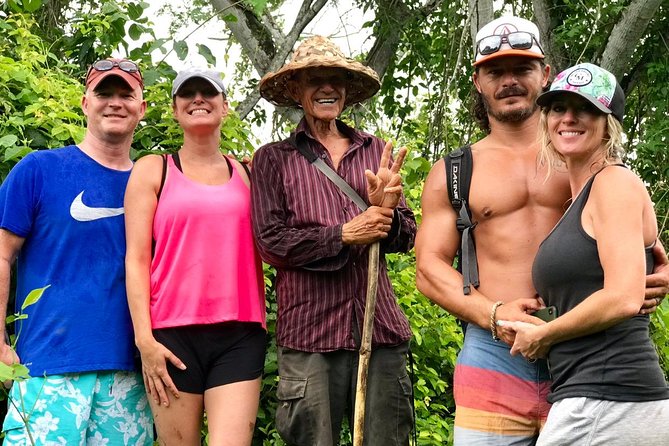
Guides appear to be a major driver of how the experience feels. Names that show up in different accounts include Luis, Tom, Luis Ernesto, and Victor.
The positive themes are consistent: guides who explain local flora and fauna, point out birds in motion, and keep safety in mind during the switch between kayaking and hiking.
The negative themes are also consistent in a smaller set of experiences: some describe guides who were less communicative at certain times, others describe a rushed pace, and at least one experience called equipment and transitions into and out of kayaks a problem.
So how do you make sure your day feels good? Go in with two expectations:
1) You’re there for action and nature education, not a slow sit-down tour.
2) If you need clarity or extra care during transitions, ask early and speak up. A good guide will respond.
Price and value: what $65 buys you in the real world
At $65 per person for about 3 hours, this is priced like an activity with gear, instruction, and park time. Admission is free for the activity ticket, and you also get single or double kayak options, life jackets, seat pads and back rests, snacks, and bottled water, plus a dry bag for valuables.
The value rises if you compare it to the kinds of options that only show you the water. Here, you get the estuary and then you move inland for a hike and a climb to an archaeological viewpoint. That variety is what turns a short morning activity into a full experience.
Where value might feel weaker is if you personally want lots of wildlife certainty or you need very hands-off pacing. Mangroves are living systems. Sometimes the animals are there; sometimes you see more plants and birds and less monkey action. That’s normal for this kind of tour.
For most people, though, the combination of active kayaking, guided hiking, and the Indigenous site makes the price feel fair.
Should you book this Kayak to the Heart of Las Baulas tour?
If your ideal Costa Rica morning includes mangroves, birdlife, and a guided walk with plant and wildlife explanations, I think this is a smart booking from Tamarindo. The no-car park access, the kayak instruction, and the archaeology climb together make it more memorable than a basic boat ride.
I’d book it with one condition: bring the right shoes and plan for tide-based transitions. If you’re comfortable with that, you’ll enjoy the quiet estuary feel and the variety of what you get to see and learn.
If you want, tell me your travel dates and whether you’re a first-time kayaker. I can help you time your morning in a way that lines up with the high-tide window and pack for the hike.
FAQ
How long is the kayaking and hike?
It’s about 3 hours total.
Where is the meeting point in Tamarindo?
You meet at Pangas Beach Club on the main road to Tamarindo, about 500 meters southwest from Auto Mercado, in front of El Tesoro (Provincia de Guanacaste), Tamarindo, 50309.
Do I need previous kayaking experience?
No prior experience is mentioned. You’ll get a brief lesson covering safety and paddling technique before you set off.
What should I bring?
Bring suitable walking or tennis shoes for the hike and mosquito spray. The tour provides a dry bag for valuables.
When does the tour run relative to high tide?
The tour is scheduled 60–90 minutes before high tide due to daily tidal changes.
Is there an admission ticket cost?
Admission ticket is free for this activity.
What happens if the weather is bad?
If poor weather cancels the tour, you’ll be offered a different date or a full refund. If a minimum number of travelers isn’t met, you’ll also get a different date/experience or a full refund.