REVIEW · INTERLAKEN
Kayak Tour of the Turquoise Lake Brienz
Book on Viator →Operated by Hightide Kayak School GmbH · Bookable on Viator
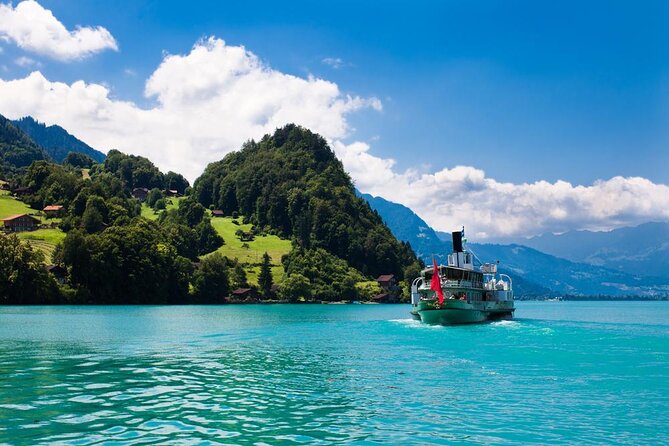
Lake Brienz looks like it belongs on a postcard. On this kayak tour from Bönigen, you get out on the water with easy-to-follow coaching and see the Bernese Oberland from a different angle.
I especially love the small-group setup (max 6) and how the guide helps you get paddling fast, even if you’ve only tried a kayak a few times. One consideration: this is not a long, wandering walking tour. You’ll focus on kayaking time (about 2 hours on the water), and the emphasis is more on riding the lake than on deep local lecturing.
What really makes it feel worth it is the combo of scenery plus support. You’ll glide past cliffs, find quiet spots along the shore, and the route includes Ringgenberg Castle (12th century) as one of the big visual targets. My other favorite part is the photo help: guides take lots of pics during the trip, so you spend less time trying to protect your phone from splashes.
In This Review
- Key Points You’ll Care About
- Entering Lake Brienz From Bönigen: What the Start Feels Like
- Getting Fitted and Staying Comfortable: Gear That Actually Matters
- What You’ll Do on the Water: Paddling Skills, Real Fun, and Real Photos
- Stop-by-Stop: Lake Brienz, Bönigen, and the Castle-and-Cliff Route
- Stop 1: Lake Brienz — Your Launch Into the Water World
- Stop 2: Bönigen — The Shoreline That Anchors the Day
- Stop 3: Interlaken Views — Framing the Big Swiss Picture
- Stop 4: Bernese Oberland — Cliffs, Hidden Beaches, and Close-Up Nature
- Stop 5: Jungfrau Region — Ringgenberg Castle as a Tangible Goal
- Stop 6: Swiss Alps — The Moment the Mountains Feel Massive
- Morning vs Evening: When the Lake Calms Down
- Price and Value: Why $166.03 Usually Works Out
- Who This Tour Fits Best (and Who Should Reconsider)
- Weather, Time, and Common Practical Tips
- Should You Book Kayak Tour of the Turquoise Lake Brienz?
- FAQ
- FAQ
- How long is the kayak tour on Lake Brienz?
- Do I need kayaking experience?
- What’s included in the price?
- Where does the tour start?
- Is it only for advanced paddlers?
- How big are the groups?
- What should I bring?
- Are kids allowed?
- What happens if the weather is bad?
Key Points You’ll Care About
- Max 6 people means you get real coaching, not a crowd scene
- About 2 hours paddling during a total 3-hour session
- Ringgenberg Castle and cliff views are built into the route
- Beginner-friendly instruction includes safety and paddling technique
- Kayak, rental gear, and safety equipment are included, plus a photo package
- Summer on Brienz, drysuits in colder months (October/November)
Entering Lake Brienz From Bönigen: What the Start Feels Like
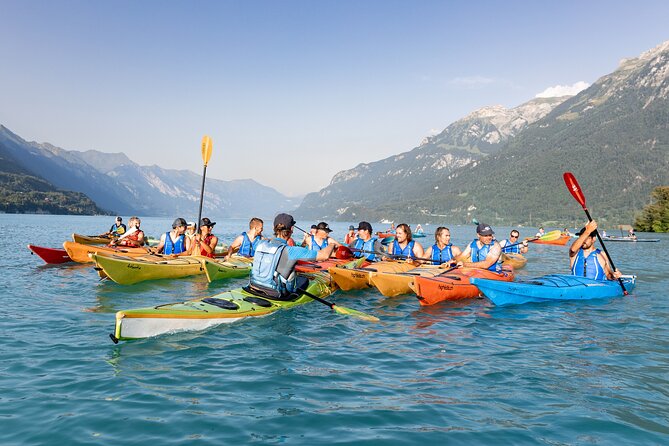
The trip begins at Hightide Kayak School on Seestrasse, Am Quai 1, in Bönigen. Plan to check in about 5 minutes early so you can get fitted and settle before your guide runs the safety briefing. You’ll also see the practical side right away: you’re not just handed a kayak and sent off. The vibe is structured, calm, and geared toward getting everyone comfortable.
From the meeting point, you’re positioned to explore Lake Brienz close to the River Lütschine area. That first stretch is a great warm-up because you can get used to steering and pacing before the shoreline gets more dramatic. Even on days when the sky isn’t perfect, the water still feels special, and you’ll be on the lake early enough to enjoy it before crowds build.
You can also read our reviews of more tours and experiences in Interlaken.
Getting Fitted and Staying Comfortable: Gear That Actually Matters
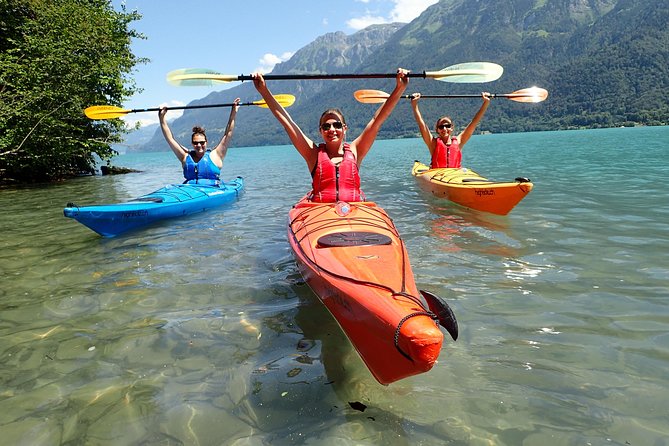
This is one of those tours where the included gear can make or break the day. You get kayak rental plus the safety equipment, and the guides provide wet suits and rain options depending on conditions (and drysuits in the colder-season program). That matters because Lake Brienz can run cooler than you expect, especially if it breezes up.
Bring the basics that keep you from feeling cold or stuck afterward: a swimsuit, a change of dry clothes, waterproof footwear, sunglasses, sun hat, sunscreen, a bottle of water, and snacks. I like that the tour explicitly plans for you to be on the water long enough to get warm, then deal with getting back on shore. Small comfort details add up on this kind of active outing.
Also, note the practical limits. This tour isn’t for kids 11 and younger, and if you have back, neck, lower back, joint, or muscular problems, you should think carefully before going. You don’t need prior kayaking experience, but you do need to be able to handle a kayak on your own after the instruction.
What You’ll Do on the Water: Paddling Skills, Real Fun, and Real Photos
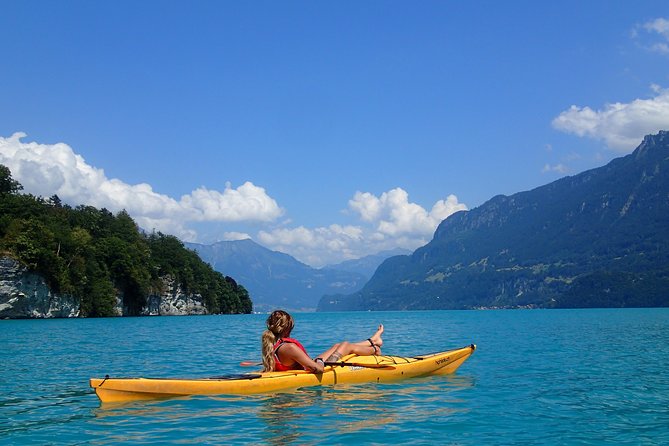
The session lasts about 3 hours total, with around 2 hours on the water. That ratio is important. It gives you enough time to learn, settle in, and actually enjoy the lake instead of treating kayaking like a quick photo stop.
Your guide teaches paddling basics—how to hold your stroke, how to keep control, and how to feel confident in the kayak. Then you put it to use immediately. Many guides also build in a little play: some groups get water games, chances to swim, and even moments where you can jump in (when conditions allow and the guide says it’s okay). The tone stays friendly and not rushed, so you’re not sprinting through the experience.
One detail I think you’ll appreciate: you’re not on your own with photos. The tour includes a photo package, and guides take lots of pictures during the paddling. Several guides also use action-style cameras, which helps you avoid the constant juggling act of filming while paddling. You can focus on steering and scenery, not phone anxiety.
Stop-by-Stop: Lake Brienz, Bönigen, and the Castle-and-Cliff Route
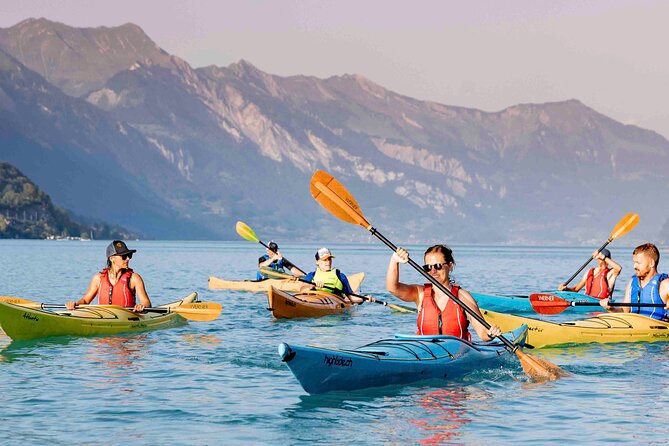
Here’s how the day comes together in a way that feels more like a guided route than a checklist.
Stop 1: Lake Brienz — Your Launch Into the Water World
You start by getting out onto Lake Brienz and building basic rhythm. Expect the early part to feel like onboarding: safety, paddling technique, and getting your kayak moving smoothly. This is the time to ask questions. A good guide uses this phase to level the group—so if you’re newer, you learn without feeling singled out.
Stop 2: Bönigen — The Shoreline That Anchors the Day
Once you’re confident, the route shifts along the shoreline toward the north side. Bönigen works as a base because it keeps the scenery close and the pacing comfortable. You’ll pass places that feel quiet and tucked, which is exactly what you want when you’re exploring the lake by kayak instead of from a road.
This is also when the day starts to look and feel different. On land you notice buildings and viewpoints. On the water you start noticing shape: cliff edges, curves of the shore, and the sense of space that comes from being on the lake itself.
Stop 3: Interlaken Views — Framing the Big Swiss Picture
As the route continues, the wider Interlaken area and the Jungfrau Region show up in the way you experience them most: from low on the water looking outward. That’s a huge part of why people do this. You see the region without the usual tourist vantage points, and it feels calmer because you’re moving slowly.
If you’re coming to Interlaken and you want a contrast to trains and cable cars, this is that contrast. Instead of riding to a view, you paddle through the view.
Stop 4: Bernese Oberland — Cliffs, Hidden Beaches, and Close-Up Nature
The overview route includes beautiful cliffs and hidden beaches along the way. That’s not just scenic wording. Kayaking turns these elements into something you interact with: you can approach shorelines slowly, stop where the water feels right, and enjoy the calm without committing to a hike.
A few reviews also mention opportunities to swim or get out briefly, which makes sense with those secluded beach-like stretches. The guide controls the safety and timing, so you’re not freelancing.
Stop 5: Jungfrau Region — Ringgenberg Castle as a Tangible Goal
The biggest historical anchor is Ringgenberg Castle, a 12th-century site. You’re not landing for a full walking visit. Still, the castle matters because it gives your paddling route a clear visual waypoint. It’s easier to stay present when there’s a real target to aim for—not just generic scenery.
Guides often point out features along the route and connect what you’re seeing to the broader place. One possible drawback I’d flag: if you’re expecting a long, storytelling-heavy history lecture, you might find the tour keeps its focus on kayaking time. For most people, that’s a plus. If you want extra Swiss context, plan to add it before or after with a museum stop or local guide on land.
Stop 6: Swiss Alps — The Moment the Mountains Feel Massive
At the end of the route, you’ll have that classic Swiss-Alps feeling: mountains looming, water reflecting, and the scale hitting you in motion. Even with cloudier weather, the views still work because you’re close enough to the shoreline to feel the lake’s texture, not just admire a distant panorama.
Morning vs Evening: When the Lake Calms Down
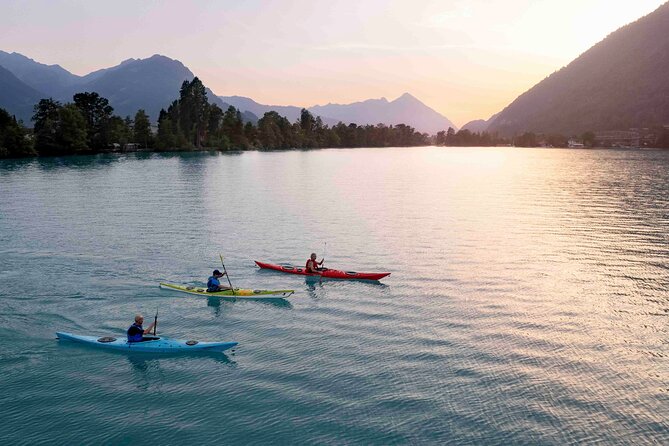
There are evening tours too, and they follow the same itinerary. The big advantage is the timing. The lake tends to calm as the day cools, and the sun setting creates a different kind of light for photos.
If you’re trying to pick between day and evening, go with your energy level. Morning sessions are great if you want an active start. Evening sessions feel more relaxed and can be extra pleasant for photo-focused travelers who like warmer light.
Price and Value: Why $166.03 Usually Works Out
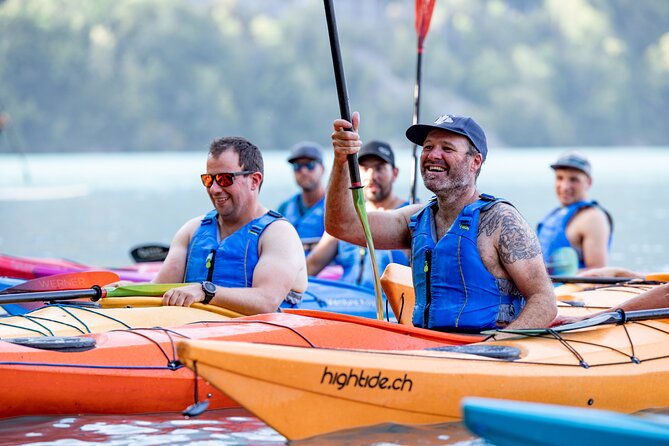
At $166.03 per person for about 3 hours (with roughly 2 hours on the water), this is not a budget activity. But it doesn’t price like a simple rental either.
Here’s what you’re paying for:
- Guided coaching (so you’re not guessing how to paddle)
- Kayak and equipment rental plus safety gear
- Small group size (max 6)
- A photo package so you don’t have to manage all the capturing yourself
- A route that includes major sights like Ringgenberg Castle
For many people, the value comes from not having to coordinate supplies, learn equipment on your own, or compete for attention in a large group. You also get the peace of a planned route. That’s hard to replicate cheaply if you don’t know the local setup.
Who This Tour Fits Best (and Who Should Reconsider)
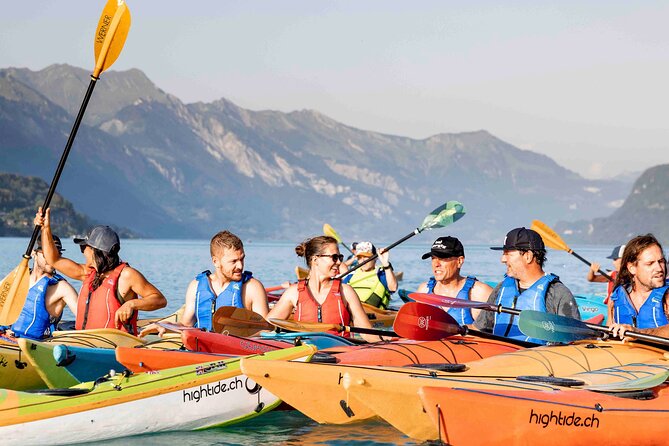
This is a strong fit if you want:
- A beginner-friendly kayaking experience with real instruction
- A small group where you’ll get feedback on technique and comfort
- Scenic time on the water without needing to be a swimmer or athlete
- A practical way to see the Interlaken region from the lake
It’s also ideal if you like the “active sightseeing” style: you get the Swiss Alps framing, cliffs, shore details, and castle views, but you’re doing it at water speed.
Reconsider if you:
- Are unsure about your ability to handle a kayak independently after instruction
- Have the kinds of physical issues mentioned for back/neck/joints/lower back or muscular concerns
- Want a long, on-foot tour with more time on land
Weather, Time, and Common Practical Tips
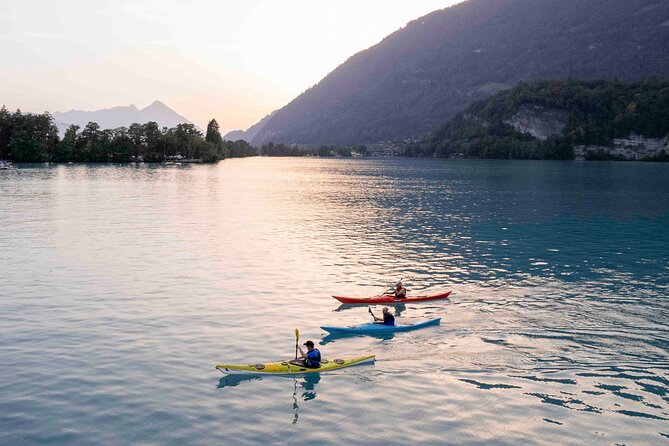
This tour requires good weather. If it’s canceled due to poor weather, you’ll be offered a different date or a full refund. Plan around the fact that you’ll be on the lake in the open air, so you’ll want your sunscreen and sun hat even when it’s not blazing hot.
Dress for getting wet and then changing afterward. In reviews, people consistently mention rain jackets and wet suit help when weather shifted. That’s why bringing the listed change of clothes is not optional thinking—it’s the difference between enjoying the day and feeling chilled after.
And one small logistics tip from real-world experience: if you’re using buses from Interlaken, make sure you’re on the right one. People have warned about the 105 regular vs 105 express mix-up, so check before you board.
Should You Book Kayak Tour of the Turquoise Lake Brienz?
If you want one memorable, value-packed active outing in the Interlaken area, I’d book this. The big wins are the small group, the coaching that helps beginners feel capable, and the fact that you’re guided to a route with standout sights like Ringgenberg Castle. Add in the included photo package, and you get a day that’s both fun on the water and easy to share later.
Skip it only if you know you want a long land-based history tour, or if your physical situation makes paddling a real risk. For most people who can manage moderate activity and handle a kayak after instruction, this is a very “do it while you’re here” kind of experience.
FAQ
FAQ
How long is the kayak tour on Lake Brienz?
The session lasts about 3 hours total, with around 2 hours spent on the water.
Do I need kayaking experience?
No previous experience is needed, but you must be able to handle a kayak on your own after the guide’s instruction.
What’s included in the price?
You get a guided kayaking tour, kayak and equipment rental, safety equipment, and a photo package. The guide also provides instruction during the trip.
Where does the tour start?
It starts at HIGHTIDE KAYAK SCHOOL on Seestrasse, Am Quai 1, 3806 Bönigen, Switzerland, and it ends back at the meeting point.
Is it only for advanced paddlers?
No. Tours run in the summer and are suitable for all abilities, with regular guidance on paddling skills and safety.
How big are the groups?
The tour is limited to a maximum of 6 travelers.
What should I bring?
Bring a swimsuit, a change of clothes, waterproof footwear, sunglasses, sun hat, sunscreen, a bottle of water, and snacks.
Are kids allowed?
Children 11 and younger are not allowed.
What happens if the weather is bad?
The experience requires good weather. If it’s canceled due to poor weather, you’ll be offered a different date or a full refund.