REVIEW · KADENA CHO
Mangrove kayaking to enjoy nature in Okinawa
Book on Viator →Operated by 海うさぎ・海あしび · Bookable on Viator
Mangroves feel personal from a kayak. You’ll get guided ecosystem talk while floating through Kadena’s calm channels on the Hija River. I like that it works for a huge age range and that you’re looking for real critters like crabs and gobies, not just taking pictures. One thing to know: you’ll be on the water for about an hour, so it’s more of a peaceful nature reset than a long paddling adventure.
You’ll spend about 2 hours total from check-in to finish. After a quick change, you’ll practice paddling, then glide along the mangroves at an easy pace, and you’ll leave with a photo of your group. The tour runs five times daily (9:00, 10:00, 11:00, 13:00, 15:00), which makes it easy to slot into a day of beaches and castles.
Language is handled with care. You can contact the team in advance, and during the tour explanations are given in English and other languages using flip charts, plus you may get booklets with info on what you’re seeing. Past groups also mention guides like Miku and Ryu, and even when English is limited, communication is supported so you can still enjoy the ride.
In This Review
- Key things that make this mangrove kayak work in Okinawa
- Kadena Mangroves: Why kayaking here beats a walk
- A quick reality check
- Where you start at 566-7 Mizugama, Kadena
- Gear, clothes, and a short paddle practice before you go
- How the 2-hour outing really plays out
- Pace: relaxed, but still guided
- Mangrove learning on the Hija River: what you might spot
- Folklore moments are possible
- English-friendly guidance: how they help without Japanese
- A tip that helps fast
- Photos, comfort, and what to bring so you leave happy
- Times and scheduling: five departures makes planning easy
- Nearby sightseeing you can pair with this
- Price and value: $36.33 for a guided nature reset
- Who gets the best value
- Who should book this mangrove kayaking tour (and who might not)
- Should you book Mangrove kayaking in Kadena?
- FAQ
- What is the duration of the kayak tour?
- What times are the tours offered?
- Is equipment included, and do I need to bring anything?
- Can children and older adults participate?
- I don’t speak Japanese. Is the tour still possible?
- Where is the meeting point?
- What if the weather is poor or I need to cancel?
Key things that make this mangrove kayak work in Okinawa
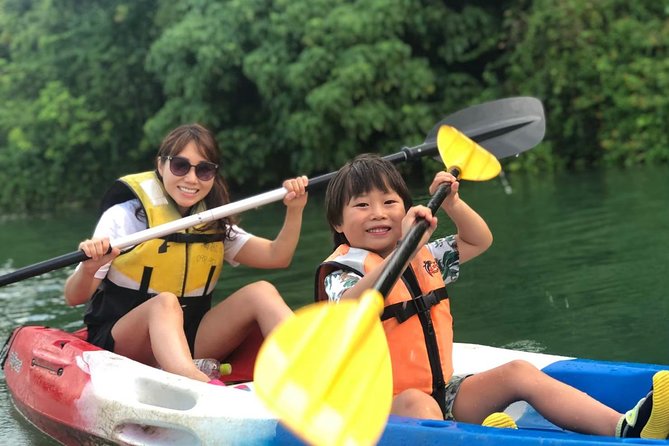
- Hija River mangroves with easy pacing: calm water that suits beginners and families.
- Real wildlife spotting, not just scenery: crabs, waterfowl, and gobies are specifically called out.
- Equipment and guidance included: you don’t need to bring kayak skills or gear.
- English support with flip charts: explanations are designed to work even if you don’t speak Japanese.
- Photo handoff after kayaking: you’ll get a memory photo when you’re done.
- Small group size (max 15): easier attention from your guide.
Kadena Mangroves: Why kayaking here beats a walk
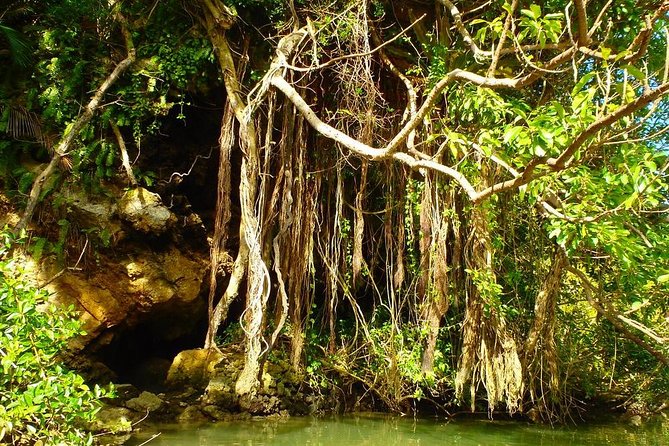
Okinawa has plenty of places to look at nature, but the mangroves are different when you’re low to the water. From the kayak, you’re watching roots, mud edges, and small moving life right at eye level, not from a path above it.
I especially like that the experience is built around local ecosystem learning. Guides explain what you’re seeing—plants, how the mangroves function, and what kinds of creatures live there—so the trip doesn’t feel like floating with no context. In the reviews, people highlight how guides pointed out trees and animals along the route, including crabs and even mudskipper-type creatures.
The other big win is the setting: the Hija River is calm. This matters in Okinawa, where you might come from busy streets, loud beaches, and the heat. Here, the pace is slow enough that kids and older adults can enjoy it, and beginners can get comfortable without feeling rushed.
A quick reality check
This is a short, gentle tour. If you want hours of paddling intensity, you might feel it ends sooner than expected. Most people seem happy with the timing, but it helps to match your expectations to about an hour on the water.
Where you start at 566-7 Mizugama, Kadena
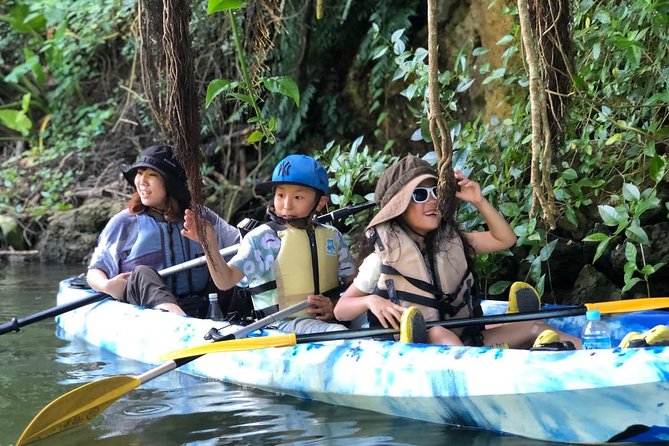
You meet at 566-7 Mizugama, Kadena, Nakagami District, Okinawa 904-0204. The activity ends back at the same meeting point, so you’re not scrambling with transportation after you’re tired and damp.
It’s also listed as near public transportation, which is handy if you’re not driving. If you are bringing a car or scooter, you’ll still appreciate the simple start-and-finish setup.
One practical note from reviews: staff have helped with taxi arrangements at the end for at least one group. That’s not something you should count on every time, but it’s good to know the team understands how to help you get sorted.
Gear, clothes, and a short paddle practice before you go
Before you hit the mangroves, you’ll do the basics the right way:
- Check in
- Change clothes
- Practice paddling
- Then start kayaking
Because the seat can get wet (confirmed by reviews), plan to bring a change of clothes if you can. Even with careful guidance, you’re on the water and splashes happen. This is the kind of activity where being prepared keeps the fun going.
The good part: all required equipment is included. That means no hunting for a life jacket or trying to figure out which paddle size fits you. You’re showing up to follow instruction and enjoy the river.
The tour also includes safety-minded coaching. One review explicitly calls out that the staff were safety conscious and that beginners were supported with instruction on how to paddle properly.
How the 2-hour outing really plays out
From meeting to disbanding, you’re looking at about 2 hours total. Most of that time is efficient: you’re not just standing around waiting.
Once you begin, expect:
- About one hour kayaking on the Hija River at your own pace
- A guided element focused on mangroves and local creatures
- Stops along the route where you can look closely and take photos
One review notes the experience felt like going up and down the river with a few stops. That pattern fits what you’d want in a mangrove setting: frequent chances to slow down, observe, and learn without turning the trip into a long endurance workout.
When you’re done, you change clothes again and your guide gives you a photo of your memories. Several reviews mention lots of photos, and a couple describe guides taking plenty of shots and videos. If you want to maximize your photo results, be ready to share your email or messaging details if your guide offers that option.
Pace: relaxed, but still guided
It’s not a silent drift. Guides are actively pointing things out while you paddle. And because the trip is paced for comfort, it’s a good fit for families who want nature without a strenuous hike.
Mangrove learning on the Hija River: what you might spot
The mangrove forest is the main event, but the tour makes it more than a pretty backdrop. Your guide is there to explain the ecosystem, and the highlights focus on what’s happening around you.
You can look out for:
- Crabs (including small ones mentioned in reviews)
- Waterfowl
- Gobies (and other small fish-like life)
- Mangrove plants that are part of why this habitat works
One review mentions seeing crabs and mudskippers. Even if you don’t spot every creature on every trip, the point is that you’re scanning the edges, roots, and shallow areas where life concentrates.
Folklore moments are possible
A review mentions looking for the Kijimuna spirit. That suggests your guide may mix in Okinawan folklore while you’re observing nature. I wouldn’t plan your whole day around finding a spirit, but it’s a nice reminder that nature trips here often include local stories, not just biology.
English-friendly guidance: how they help without Japanese
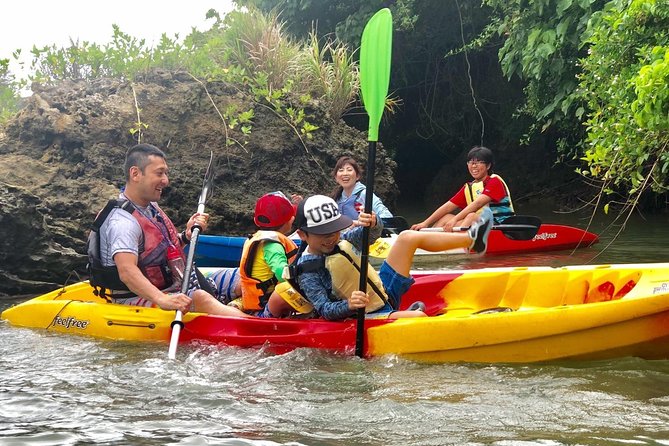
This is one of the tour’s strongest practical features. The tour says you can participate even if you do not speak Japanese, and the provider notes they support you thoroughly up to the reservation day using message.
During the tour, explanations are given in English and other languages using flip charts. Reviews back up that communication can work even when a guide’s English is limited. People describe receiving guide books or booklets for what they’re seeing and using visuals to explain plants and animals.
Guides named in reviews include:
- Miku
- Ryu
- Oyamori (listed as a guide name in one response)
You might not get the exact guide someone else had, but the consistent theme is clear: the team builds in ways to make the experience understandable.
A tip that helps fast
Don’t wait to understand every word. Focus on the guide’s pointing and the pictures on the flip charts/booklets. If you catch the main idea—what this plant does, why this spot attracts animals—you’ll get a lot more out of the hour on the water.
Photos, comfort, and what to bring so you leave happy
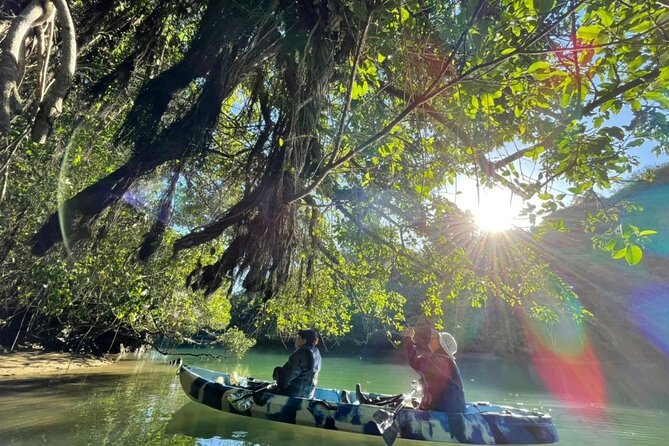
The photo part is simple: after kayaking, your guide gives you a photo of your memories. Multiple reviews mention that guides took many photos and made sure people got memorable shots.
Comfort matters here more than you might think. Since the kayak seat can get wet, plan for:
- A change of clothes
- Comfortable shoes you don’t mind getting a little damp
- Sun protection (this is Okinawa, and you’re in the open air)
One review also points out that a vending machine lacked water during that visit. That’s not universal, but it’s a good reminder to bring your own water if you want to stay fully in control.
Finally, if you finish feeling a bit cold or clammy, you may be able to use toilets and changing areas and showers, based on what one review explicitly notes.
Times and scheduling: five departures makes planning easy
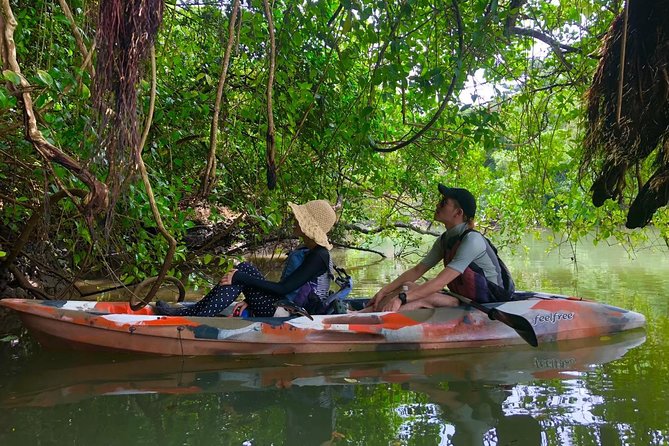
The tour runs five times a day: 9:00, 10:00, 11:00, 13:00, and 15:00. Same-day reservations are accepted, so if your beach plan changes because of wind or crowds, you can usually swap in this nature time.
It also helps that the full experience is only about 2 hours. That means you can do it before dinner, or as a calm break between sightseeing stops.
Nearby sightseeing you can pair with this
Even though the kayak focuses on the mangroves, the surrounding Kadena area gives you easy add-ons. The tour information mentions nearby places like Ryukyu Village, Zakimi Castle Ruins, and Cape Zanpa.
A practical way to use that: do the kayak earlier when you’re still fresh, then head out for ruins or viewpoints afterward—especially if you prefer not to schedule a heavy hike in the middle of your hottest hours.
Price and value: $36.33 for a guided nature reset
At $36.33 per person for about 2 hours, this fits the “worth it” category for a few reasons.
First, you’re paying for more than the kayak. The price includes equipment, guided explanation of the ecosystem, and the hands-on instruction for paddling (including a practice session). That’s what turns it into an experience instead of a rental.
Second, the tour is designed to be accessible. An age range from 2 to 84 is a big signal that the route and pace are planned for real-world visitors, not only sporty adults.
Third, you get a memory photo at the end. It’s a small thing, but in a trip where you’re focused on wildlife and roots, having someone handle the photo part saves effort and helps everyone capture the moment.
Who gets the best value
You’ll likely feel you got your money’s worth if you:
- Want a calm activity that still feels guided
- Like nature learning without a long hike
- Want something that works for mixed ages
Who should book this mangrove kayaking tour (and who might not)
This tour fits best for:
- Families with kids (the experience is suitable from age 2, with the noted accompaniment rules)
- Multi-generational groups
- Beginners who want instruction before they’re out on the water
- People who want an easy nature break from cities and beaches
It may be less satisfying if you’re looking for:
- A long paddling day
- Fast, intense exercise
- Major sightseeing stops built into the kayak route (this one is about the river and mangroves)
The good news is that the short format is also a strength. You can do it without committing your entire day.
Should you book Mangrove kayaking in Kadena?
If you want a peaceful, guided nature experience in Okinawa, I’d book it. The combination of calm paddling, ecosystem explanations, and English support with flip charts makes it approachable and genuinely relaxing.
Book this tour if you:
- Want to see mangroves up close on the Hija River
- Care about learning what you’re looking at, not just drifting past it
- Need a time-efficient activity (about 2 hours total)
Skip it only if your heart is set on a longer paddling adventure. Otherwise, this is the kind of outing that gives you a different side of Okinawa—quiet water, small creatures, and learning you can feel in the moment.
FAQ
What is the duration of the kayak tour?
The experience takes about 2 hours from meeting to disbanding. You’ll kayak on the Hija River for about an hour during that time.
What times are the tours offered?
There are five departures each day: 9:00, 10:00, 11:00, 13:00, and 15:00.
Is equipment included, and do I need to bring anything?
All required kayaking equipment is included. You should bring a change of clothes because the kayak seat can get wet, and it’s smart to bring your own water.
Can children and older adults participate?
Yes. The age range is 2 to 84 years old. Preschool children must be accompanied by someone over 18, and elementary students must be accompanied by a junior high student or older.
I don’t speak Japanese. Is the tour still possible?
Yes. You can participate even if you do not speak Japanese. The team supports you via message until your reservation day, and during the tour explanations are provided in English and other languages using flip charts.
Where is the meeting point?
The meeting point is 566-7 Mizugama, Kadena, Nakagami District, Okinawa 904-0204, Japan. The tour ends back at the meeting point.
What if the weather is poor or I need to cancel?
The experience requires good weather. If it’s canceled due to poor weather, you’ll be offered another date or a full refund. Free cancellation is available up to 24 hours in advance for a full refund.